As Korean culture continues to resonate across continents, its influence has moved beyond k-drama and k-pop into the culinary world. In Nigeria, one entrepreneur is transforming that admiration into something tangible- a food brand that blends Korean and Nigerian signatures.
Deborah Olabelurin first emerged into the international spotlight after her Hansik Contest win in 2025. Her victory signaled the growing depth of the appreciation of Korean culinary appreciation in Nigeria. When I spoke with her after that win, her genuine devotion to the craft stood out to me. Her passion and interest has now formed the foundation of her Korean-Nigerian food brand, Namisoul. In an interview conducted through email on March 1st 2026, she goes in depth on what the brand means to her, the inspiration, challenges and future plans.
Deborah realized that the distinct flavor of Korean food felt unfamiliar to what Nigerians were used to. She saw this as an opportunity and thought about how Korean food could be appreciated in a way that felt accessible. She carefully experimented with Korean jangs and core ingredients, while introducing subtle Nigerian flavor influences. Her goal was to create something that respects Korean cuisine while making it enjoyable and accessible to Nigerians. Representing Nigeria and Africa at the Namdo Culinary Expo in Korea expanded her vision even further, reinforcing that her work existed within a larger cultural exchange and realizing that she belonged in that space. That experience pushed her to formally create Namisoul and take her vision seriously.
What is the story behind the brand’s name, and what does it represent to you personally and culturally?
Namisoul represents identity, emotion, and the fusion of both worlds. “Nami” reflects my connection to Korean culture and the experiences that shaped my culinary journey, while “Soul” represents emotion, memory, and the warmth that food carries. Together, Namisoul symbolizes the meeting point between Korean and Nigerian cultures. It reflects my personal journey of belonging between two spaces and using food as a bridge. The name is not just a brand, it is an expression of culture, creativity, and connection.
Which dishes best capture the identity of your brand, and why did you choose them as signature offerings?
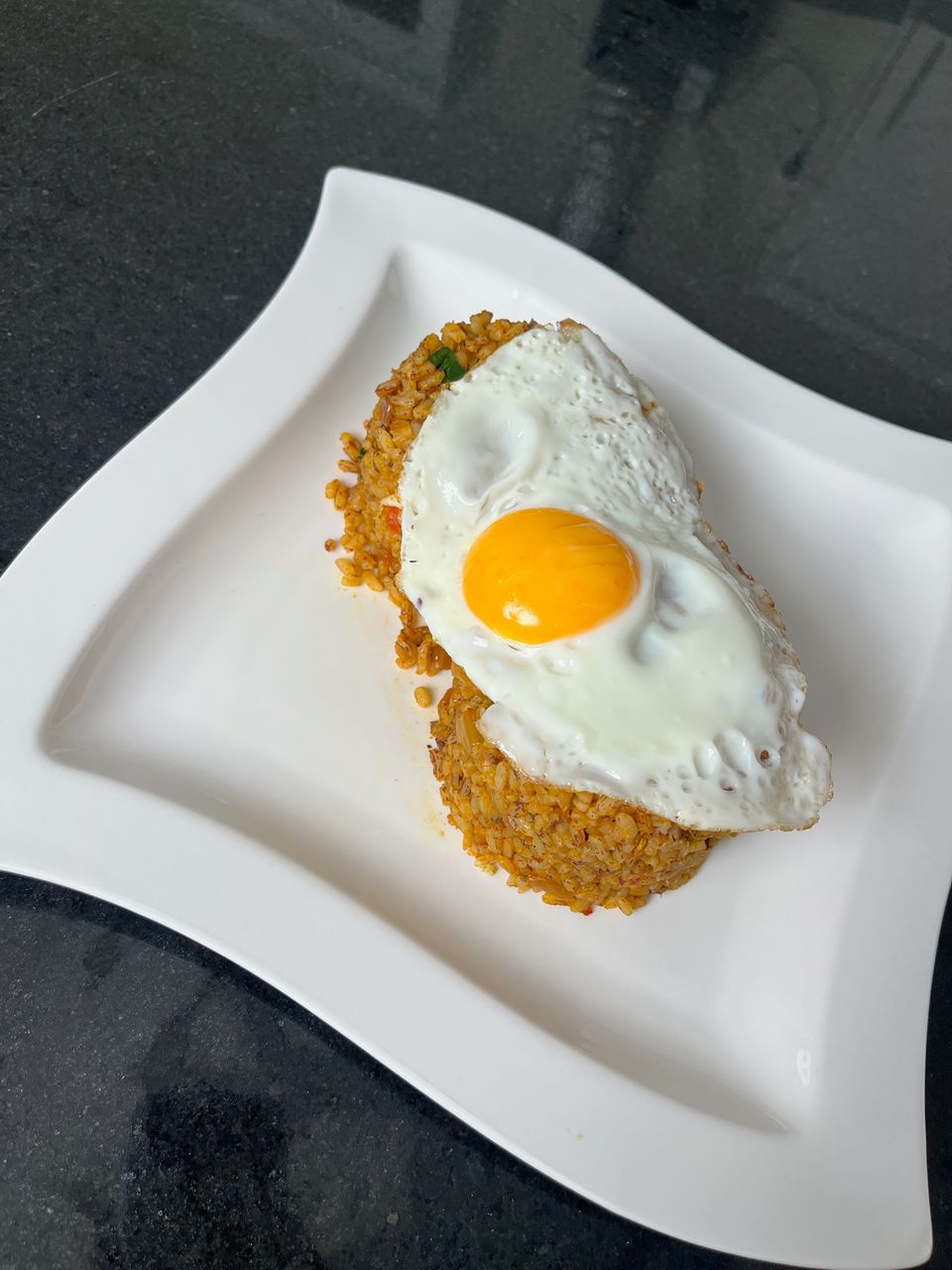
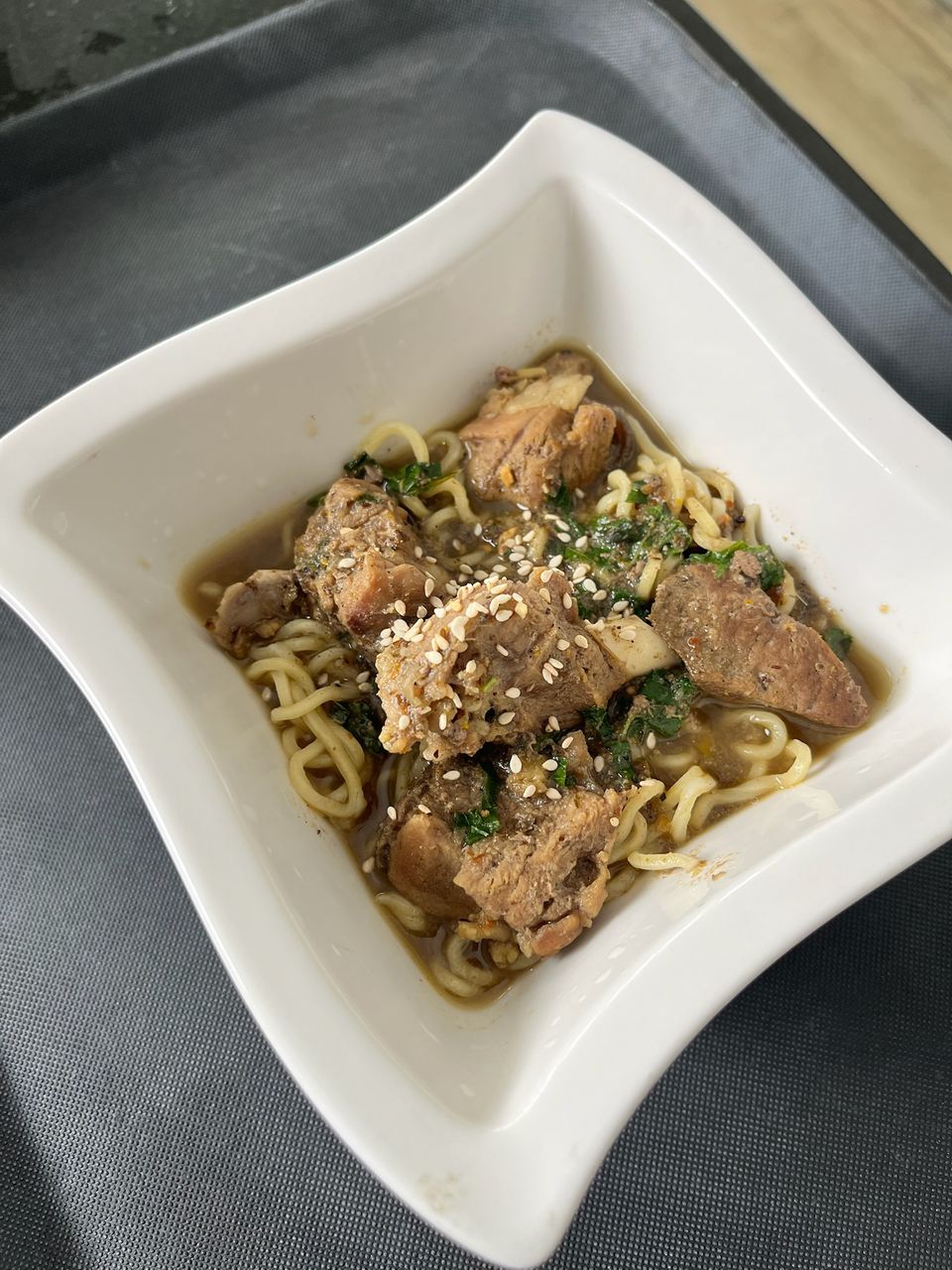
Kimchi Ofada and Doenjang Pepper Soup best capture the identity of my brand. I chose these dishes because they fully express both worlds from the very first taste. Kimchi Ofada brings together the bold, fermented depth of kimchi with the earthy richness of Nigeria’s native Ofada rice, while Doenjang Pepper Soup reimagines a familiar Nigerian comfort dish through the umami complexity of Korean soybean paste. These are meals people never saw coming but once they taste them, the connection makes sense. They represent exactly what Namisoul stands for: two cultures meeting in a way that feels surprising, yet deeply natural.
What were some of the biggest challenges you faced while bringing this brand to life, and how did you overcome them?
One of the biggest challenges was funding. I knew this was an unusual concept. Korean Nigerian fusion is not something people easily understand until they experience it. Because of that, I could not rely on immediate external support, so I made the decision to fund the brand myself through my 9–5 salary. I focused on building gradually, testing recipes, documenting the process, and sharing the story.
In what ways do you hope your brand will contribute to cultural exchange between Korea and Nigeria?
I hope Namisoul becomes a bridge. Food has a way of creating understanding without words. Through my work, I want Nigerians to experience Korean culture in a relatable way, and for Koreans to see how their cuisine can inspire new expressions across the world. I want it to open conversations, collaborations, and opportunities that bring both cultures closer together.
What has surprised you the most about people’s reactions to Korean–Nigerian fusion food so far?
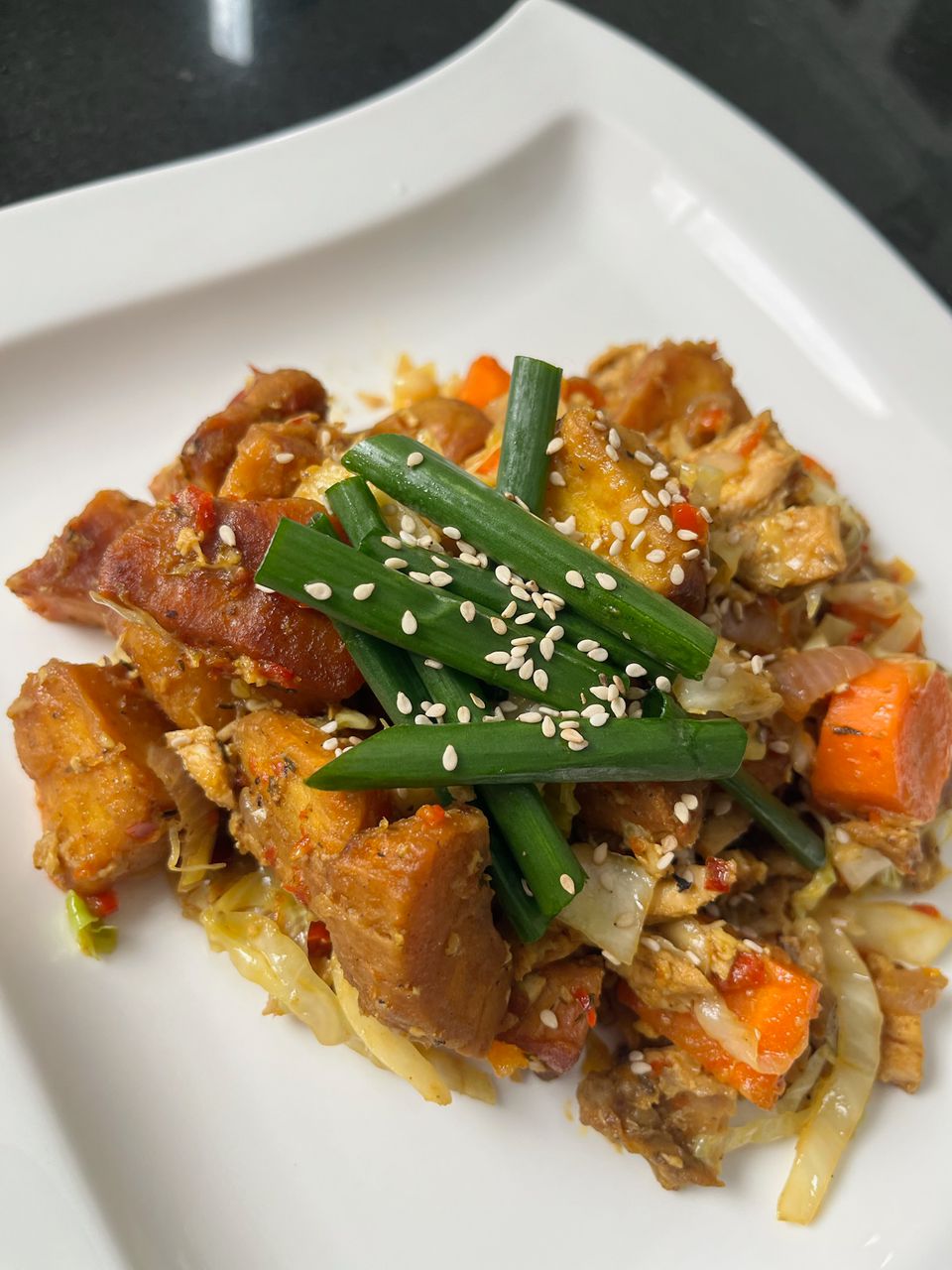
What has surprised me most is how open and curious people are once they try it. At first, there is hesitation because of how unfamiliar . But once they taste it, there is excitement and connection. People begin to see that food does not have to stay within borders. It can evolve, adapt, and still remain meaningful. Seeing that reaction reminds me why I started.
Looking ahead, Deborah envisions Namisoul as part of a broader culinary movement emerging in Nigeria. In the coming years, she plans to host curated pop-ups and tasting experiences designed to introduce Korean-Nigerian fusion in thoughtful and intentional ways. She is also developing original recipes that may evolve into commercial food products, expanding the brand beyond what it is now.
For Deborah, the brand is more than strategy or expansion. Launching Namisoul is deeply personal. It represents courage to give form to her creative expression, even while the future is still unfolding.
How about this article?
- Like0
- Support0
- Amazing0
- Sad0
- Curious0
- Insightful1