The 15th Winter Olympics in Milan-Cortina brought the world to Milan from February 6th to 22nd. Throughout the city, several national residences were set up for the participating countries and opened to the public, offering visitors a unique cultural experience beyond the sporting events.
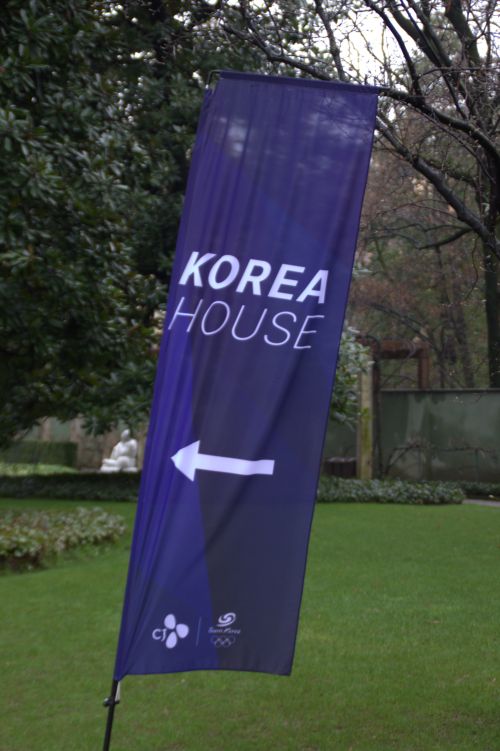
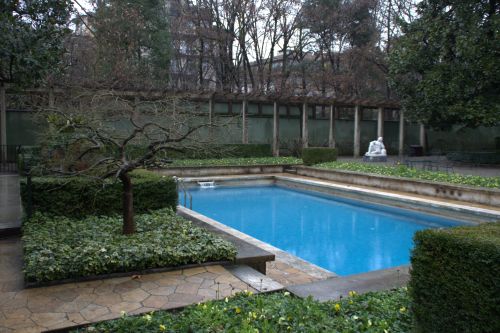
One of the most visited spaces was the Korea House, hosted at Villa Necchi Campiglio, a stunning 1930s residence located in Milan’s fashion district. This elegant venue became a vibrant hub dedicated to Korean culture, sports, food, and entertainment. Visitors had the opportunity not only to learn more about Korea but also to actively participate in both Olympic-inspired activities and traditional Korean games.
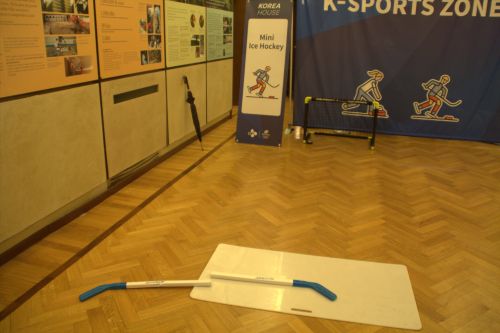
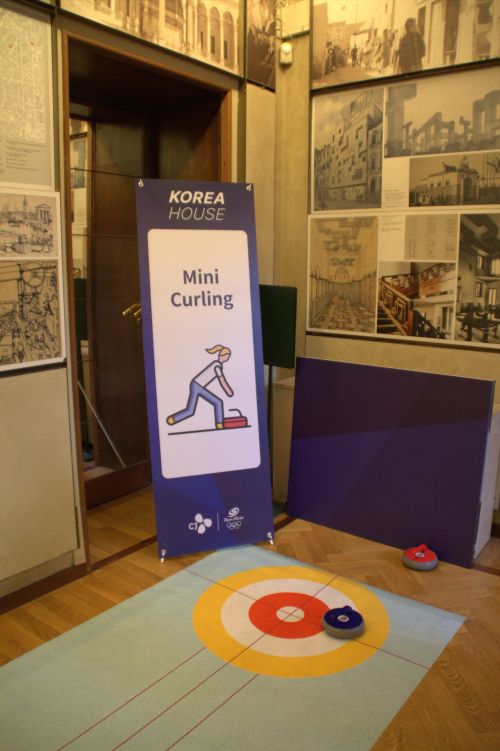
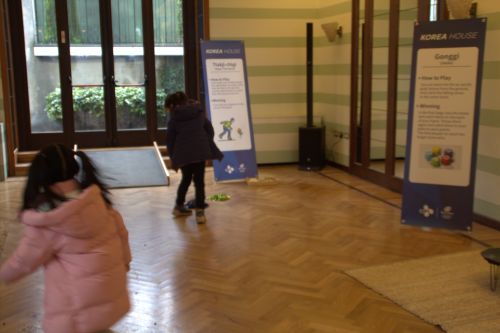
An entire floor of the villa was dedicated to recreations of winter sports such as curling and hockey. In addition, several interactive corners allowed guests to test their skills in traditional Korean games. My sister Daniela and I were pleasantly surprised by the strong interest visitors showed in these activities. While traditional Italian games are rich and varied, the Korean ones captured the curiosity of both children and adults, as we witnessed firsthand at the Korea House.
We were already familiar with many of these games through historical and contemporary K-dramas. However, in our opinion, what significantly increased public interest in traditional Korean games was Squid Game. The “recruiter” game in particular was especially popular and was available for visitors to try inside the Korea House.
Personally, I believe these games represent a valuable opportunity to immerse oneself in the spirit of the Olympic Games, explore Korean traditions, and discover an engaging way to introduce this remarkable culture not only to children, but also to adults.
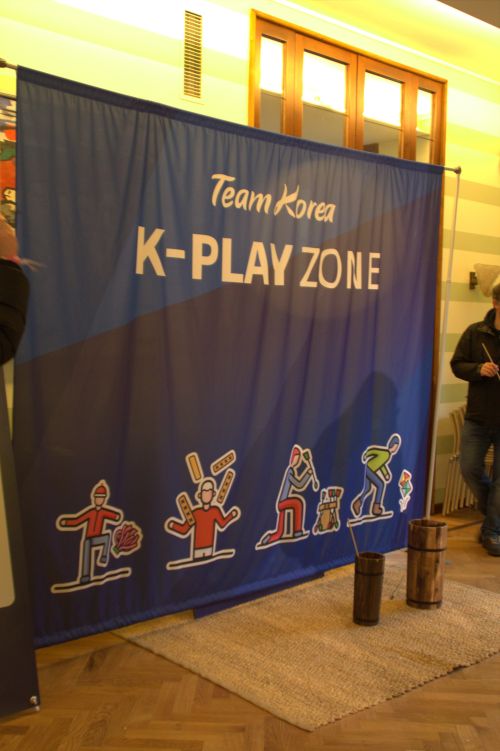
The featured games included:
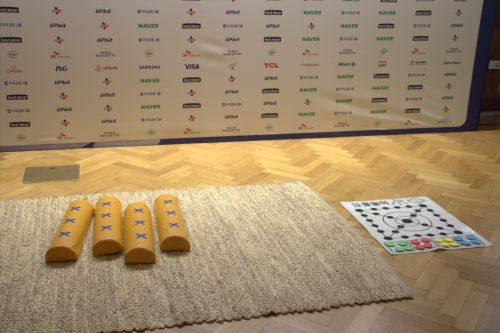
Yutnori
This traditional board game involves throwing four wooden sticks and moving markers according to the result of the toss. The first team to move all four markers to the finish line wins.
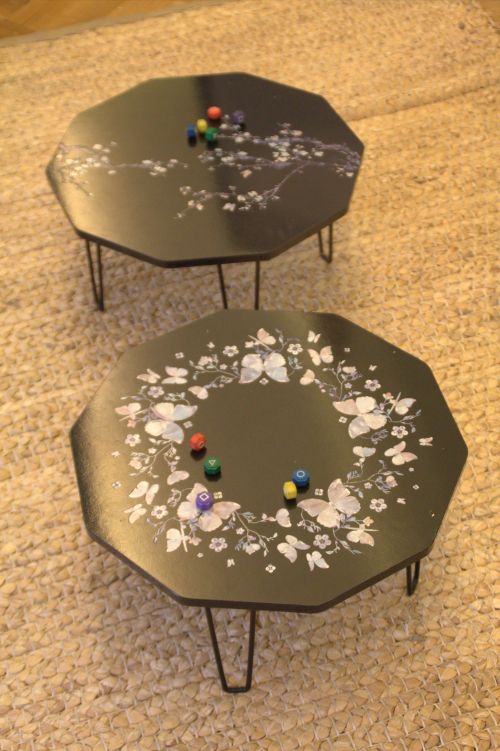
Gonggi (Jacks)
Players toss one small stone into the air, quickly pick up stones from the ground, and catch the falling stone with the same hand. Points are earned by successfully completing each round. The first player to reach the target score wins.
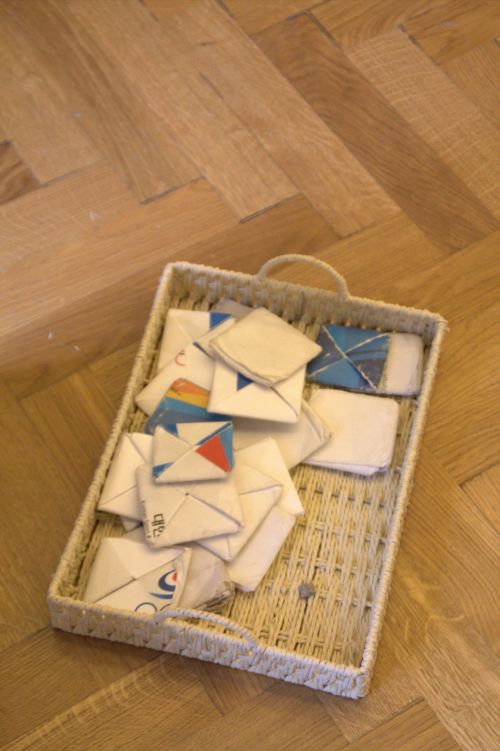
Ttakji-chigi (Paper Tile Game)
Each player uses a folded paper tile called a ttakji. One tile is placed flat on the ground, while the opponent throws their tile down in an attempt to flip it. If you flip your opponent’s tile, you win. This game become very famous around the world thanks to Kdrama Squid game.
Tuho (Arrow Throwing Game)
Players take turns throwing wooden arrows into a jar. The team that lands the most arrows inside the jar wins.
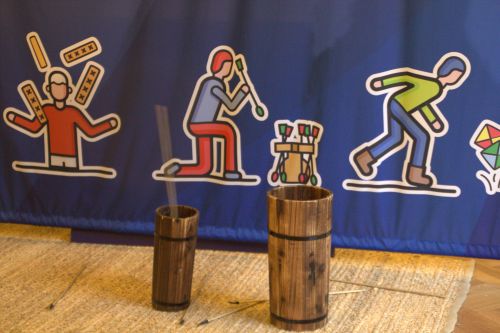
Jegichagi
Using a small object called a jegi, players kick it upward with the inside of their foot, trying to keep it from touching the ground. The player who achieves the highest number of consecutive kicks wins.
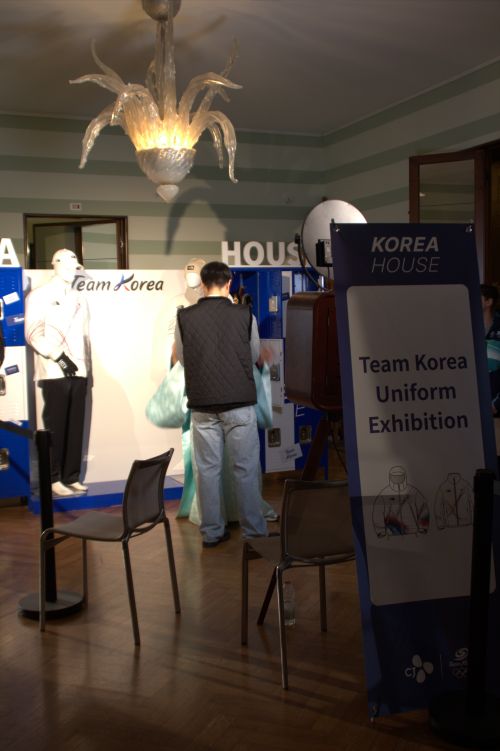
In the same space, there was also a fascinating exhibition showcasing Team Korea’s official uniforms, offering visitors a closer look at the design and symbolism behind the athletes’ attire.
During my visite to the Korea House I saw a lot of people involved in these games, most of them from the others olympic teams countries.
The Korea House in Milan was truly one of the most appreciated Olympic Houses in the city — and after experiencing it myself, I completely understood why.
From the very first moment, I felt welcomed. Everything was thoughtfully organized, creating a warm and comfortable atmosphere that made the visit even more special. The staff were incredibly kind, always smiling and ready to help, which made the whole experience even more memorable.
At the Korean tourism corner, I decided to try a game — and I won an umbrella! I felt so lucky and genuinely excited, like a child discovering something new.
The traditional games area and the cultural corner, featuring beautiful products from the MU:DS National Museum Goods, allowed me to connect more deeply with Korean culture. It wasn’t just a visit — it was an experience that made me feel closer to Korea and appreciate its traditions even more.

How about this article?
- Like0
- Support0
- Amazing0
- Sad0
- Curious0
- Insightful0