Every year on March 1, Korea commemorates “Samiljeol (삼일절)”, a national holiday marking one of the most significant moments in the country's modern history. While often remembered as a large-scale independence protest against Japanese colonial rule in 1919, the true spirit of Samiljeol lies not only in resistance but in the quiet courage of ordinary citizens who chose hope over fear.
The March 1 Movement began with the public reading of Korea's Declaration of Independence in Seoul's Pagoda Park, today known as Tapgol Park. What makes this moment remarkable is that the movement was intentionally planned as a peaceful demonstration. Inspired by global discussions on national self-determination following World War 1, Korean intellectuals believed independence could be achieved through non-violent resistance rather than armed conflict.
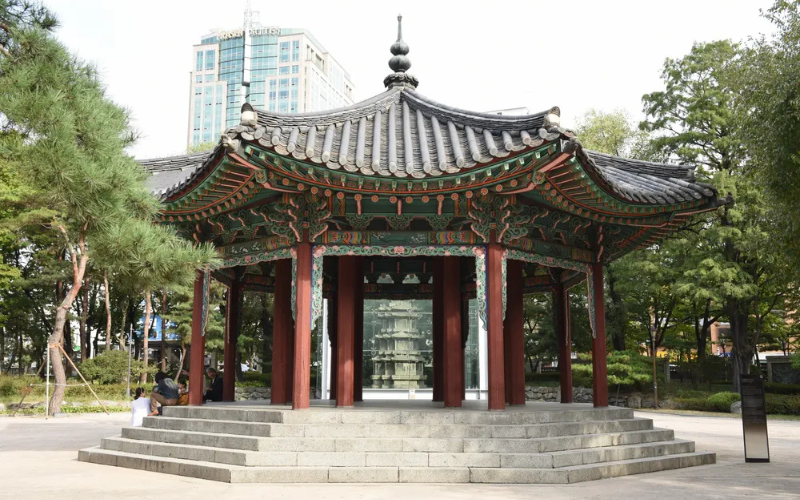
One lesser known fact is that the declaration was signed by 33 cultural and religious leaders, representing different faiths including Christianity. Buddhism, and Cheondoism. Their cooperation symbolised unity beyond ideology; an uncommon yet powerful statement during colonial repression.
Even more striking was the role of students and women. Teenagers distributed handwritten copies of the declaration across villages and towns, often risking imprisonment. Women figures such as Yu Gwan-sun, then only 16 years old, organised demonstrations in regional areas after schools were forcibly closed by colonial authorities. Arrested and imprisoned at Seodaemun Prison History Hall, she later became a lasting symbol of youthful resistance in Korea.
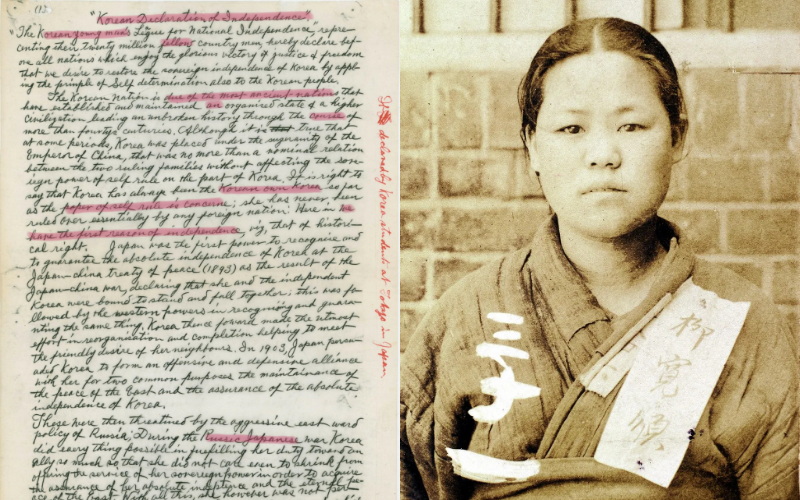
(Image credits- The Korea Herald and NamuWiki)
The protests spread rapidly beyond Seoul, reaching more than 1500 locations across the Korean peninsula. Participants came from farming communities, marketplaces, and schools revealing that the movement was not led solely by elites but sustained by ordinary citizens. Historical records shows that many people carried the Taegukgi, Korea's national flag, which had been secretly handmade and hidden despite strict bans imposed at the time.
Though the movement was violently suppressed, it's impact extended far beyond 1919. The March 1 Movement led to the establishment of the Korean Provisional Government in Shanghai, laying an institutional foundation for Korea's eventual independence decades later.
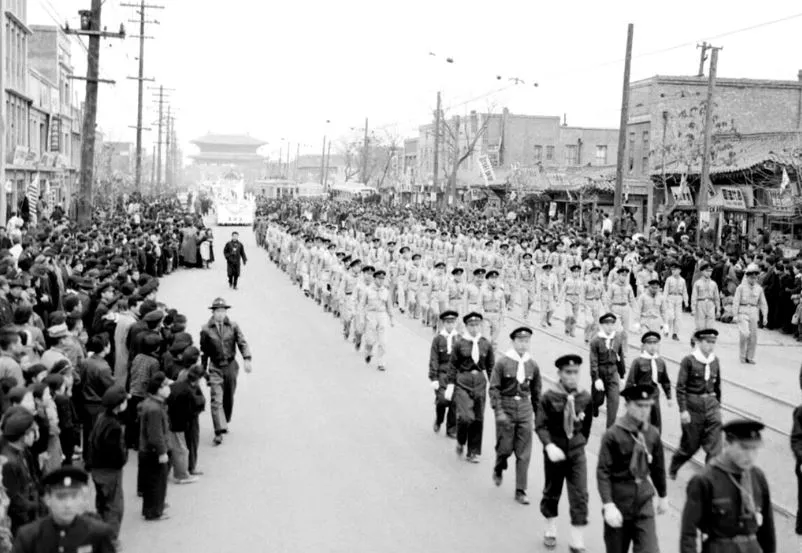
(Image credit- NamuWiki)
Today, Samiljeol is commemorated with flag displays, memorial ceremonies and moments of reflection throughout the Republic of Korea. Yet its legacy resonates globally. For many observers, including those from countries like India that experienced their own struggle for independence, the movement reflects a shared belief in collective action and peaceful resistance as tools for national transformation.
More than a remembrance of protest, Samiljeol represents endurance; the determination of people who preserved identity, language and dignity even under occupation. Over a century later, the echoes of March 1 continues to remind the world that independence movements are not shaped only by political leaders but by ordinary individuals whose courage quietly changes history.
How about this article?
- Like0
- Support0
- Amazing3
- Sad0
- Curious0
- Insightful0