The Korean Lunar New Year, known as Seollal (설날), is a significant and celebrated festival in Korea. Seollal, which follows the lunar calendar, symbolizes the start of a new year and is a significant time for family reunions, cultural reflection, and ancestor honoring. Seollal fell on Tuesday, February 17, 2026, marking the beginning of the Year of the Horse in the Korean zodiac. The Horse represents energy, freedom, determination, and vitality, which are said to impact the coming year and inspire those born under its sign.
During Seollal, families frequently travel large distances to their hometowns to meet with relatives and reconnect across generations. Many people prefer to wear traditional Korean clothing, known as hanbok, which adds color and beauty to family reunions. Charye is an important and widely regarded ceremony that honors forefathers, expresses gratitude, and prays for benefits in the forthcoming year. This tradition illustrates Korean society's strong regard for elders and the long standing importance of family values.
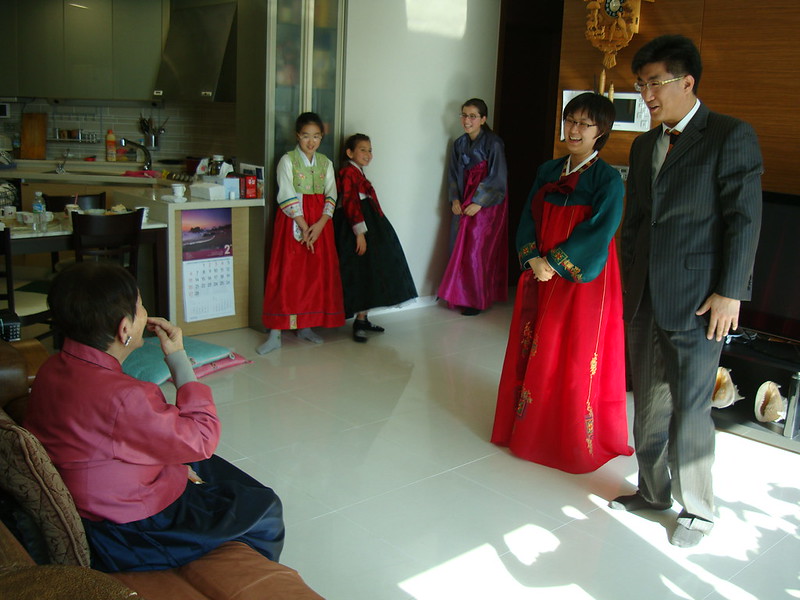
Photo credit: Flickr
Food plays an important role in Seollal celebrations. Tteokguk, a rice cake soup, is customarily served to represent acquiring a year of age and bringing good luck. Other traditional foods, such jeon (savory pancakes) and galbijjim (braised short ribs), are shared by family members. The festival also includes activities such as yutnori, a board game played with four wooden sticks that promotes laughing, friendship, and friendly competition among generations. These traditions build a warm, festive atmosphere and strengthen the sense of connection.
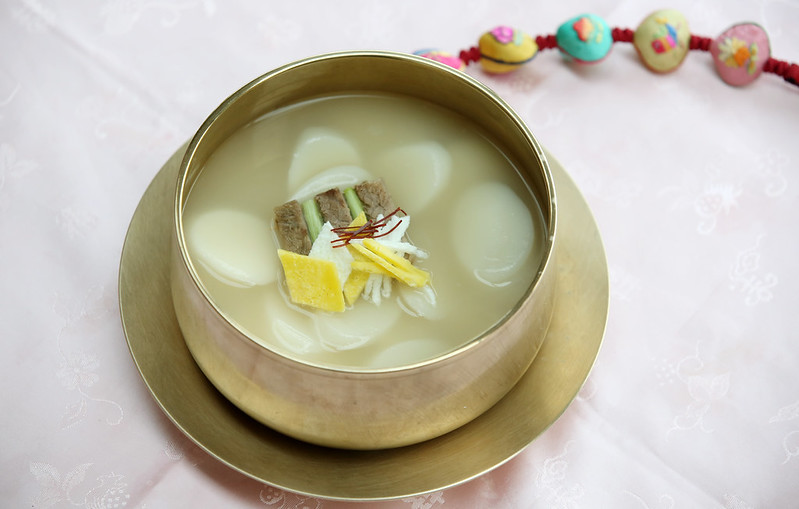
Photo credit: Flickr
Beyond cultural rituals, Seollal represents universal values such as renewal, thankfulness, and unity. In Sri Lanka, the New Year is celebrated differently across religions and races, reflecting the country's vast cultural diversity. The Sinhala and Tamil communities celebrate Aluth Avurudda and Puthandu, the traditional New Year, in mid April, according to the solar calendar, with rituals such as lighting the hearth, praying to ancestors, and participating in traditional games and feasts that emphasize family unity and prosperity.
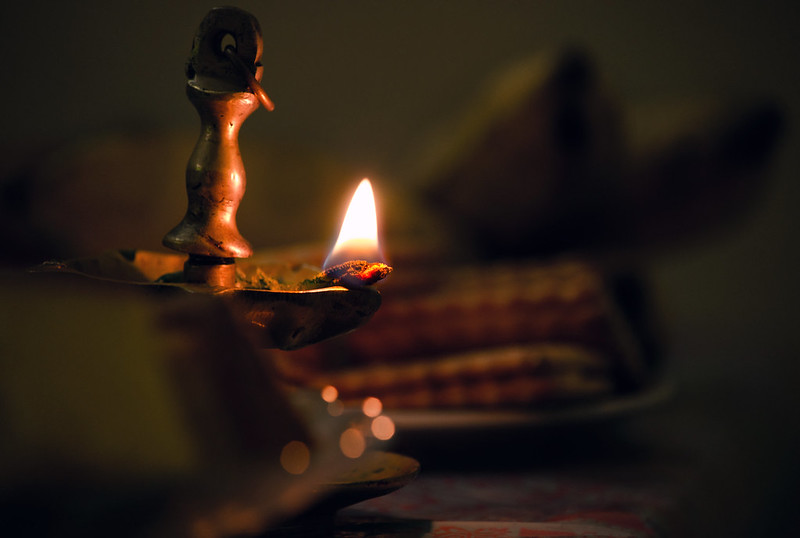
Photo credit: Flickr
Muslims commemorate Islamic New Year (Hijri New Year) utilizing the lunar calendar, beginning Muharram with prayers. On January 1, Christians celebrate the New Year by combining religious services with family celebrations, festive meals, and social gatherings. Despite differences in dates and ceremonies, all of these festivities contain common themes of gratitude, remembrance family unity, and hope for the coming year, demonstrating Sri Lanka's peaceful mixture of cultural traditions.
Celebrating Seollal beyond Korea highlights how cultural practices may cross borders, allowing for intercultural learning and connections. As the lunar year begins with the lively Year of the Horse, Seollal emphasizes fresh beginnings and brings values that bind people all across the world.
How about this article?
- Like0
- Support0
- Amazing0
- Sad0
- Curious0
- Insightful0