Korean Skeleton Olympic Winter games athlete meets the illustration of the Korean illustrator Kwangkwang
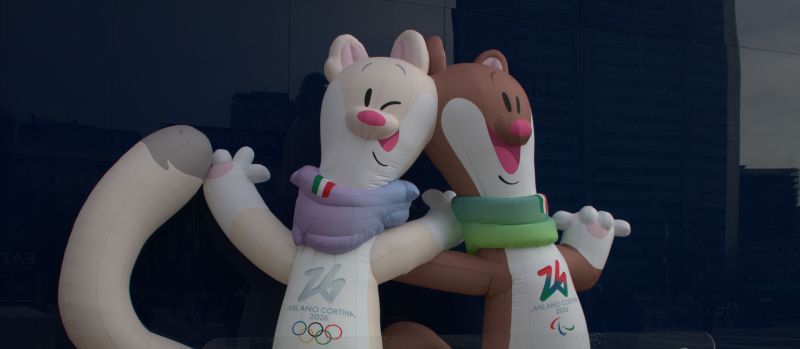
2026-02-23The XV Milan–Cortina 2026 Winter Olympic Games were held from February 6 to February 22, 2026. This prestigious event, organized every four years, brought together more than 3,500 athletes from 93 countries, who competed for 195 medals across 16 Olympic disciplines.
Team Korea participated in this edition with 71 athletes — 36 men and 35 women — competing in the following disciplines: Alpine Skiing (three athletes: two women and one man); Biathlon (two athletes: one man and one woman); Bobsleigh (ten athletes: eight men and two women); Cross-Country Skiing (three athletes: one man and two women); Curling (seven athletes: one man and six women); Figure Skating (six athletes: three men and three women); Freestyle Skiing (seven athletes: four men and three women); Luge (one female athlete); Short Track Speed Skating (ten athletes: five men and five women); Skeleton (three athletes: two men and one woman); Snowboarding (eleven athletes: six men and five women); and Speed Skating (eight athletes: four men and four women).
Team Korea finished thirteenth in the overall medal standings, winning a total of ten medals: three gold, four silver, and three bronze. The most successful discipline was short track speed skating, which accounted for seven medals. The team secured two gold medals — one won by Kim Gilli in the women’s 1500 m and another by the women’s team in the 3000 m relay. Three silver medals followed: Choi Min-jeong in the women’s 1500 m, Hwang Dae-heon in the men’s 1500 m, and the men’s team in the 3000 m relay. Rim Jong-un completed the tally with a bronze medal in the men’s 1000 m.
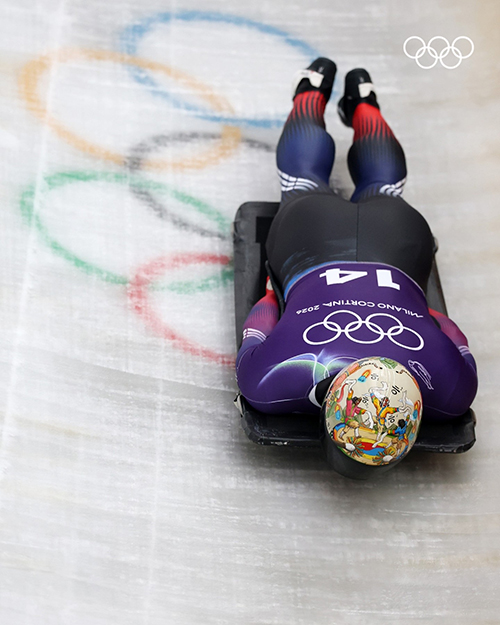
It was truly inspiring to watch athletes from around the world compete, each bringing their unique identity and culture into such an international atmosphere. A particularly striking example was skeleton athlete Kim Jisoo, who competed wearing a helmet decorated with an illustration by the Korean artist Kwang Kwang. Known for blending tradition and modernity in his distinctive style, Kwang Kwang created a design that stood out not only for its beauty but also for its cultural significance.
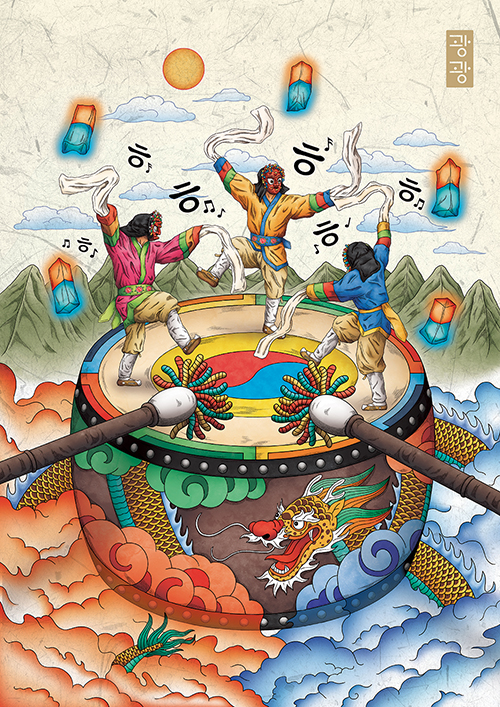
While watching the Olympic skeleton competitions on television, I immediately recognized Kwang Kwang’s artwork on Kim Jisoo’s helmet. This discovery sparked my curiosity and admiration, leading me to reach out to the artist for an interview. To my delight, he kindly agreed to answer my questions.
HR: The Winter Olympics are being hosted in Italy. What do you think of the Korean team and its successes?
KwangKwang: Korean national teams have performed their best on the global stage, representing their countries. And, they have worked so hard to make the Republic of Korea shine. As a citizen, I feel grateful and proud at the same time.
HR: Which winter sport are you most passionate about?
KwangKwang: There are so many passionate winter sports that I think of. I think all kinds of sports are passionate, including figure skating, short track speed skating, and bobsleigh, but this time I think of "skeleton." Bobsleigh, luge, skeleton, etc. are also called "F1" on ice, and they provide viewers with tremendous speed and thrill. Every moment I saw it, I felt the intensity.
HR: Did you see the opening ceremony?
KwangKwang: I couldn't watch it in real time due to my busy schedule, but I watched the opening ceremony video through the media and YouTube. The opening ceremony of the Olympics was particularly impressive and became a big topic of conversation. It was a feast of wonderful and beautiful moments, sweetening the five senses of fashion, art, and music, and even the torch relay, just like the country of art. I was amazed by it.
HR: A Korean athlete use one of your works to decorate his helmet. Are you happy to have seen some of your art at the Olympic Games?
KwangKwang: Kim Ji-soo, a skeleton player, customized my painting on his helmet. It was an experience that I am very happy and honored. I never imagined that you would be able to see my painting at the Olympics. He gave me a good impression on my painting the other days, and I could feel the sincerity of the athlete who wanted to promote Korean culture. And I was able to promote Korean culture to the world beyond the actual competition. My painting was introduced to the world thanks to him, and I was very happy to be able to see Korean culture on the Olympic stage, apart from my painting.
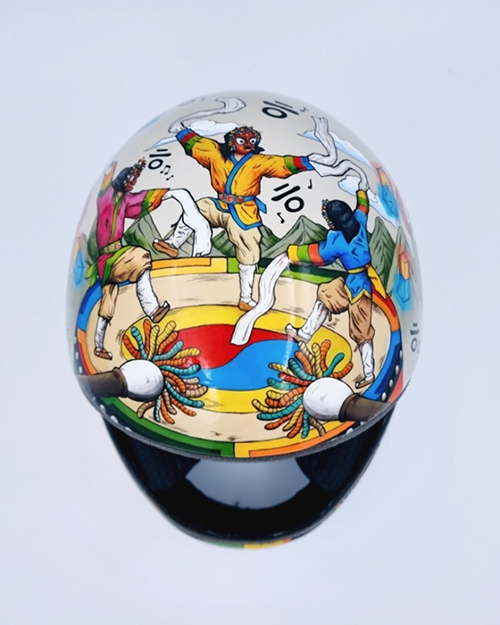
HR: It's not easy to create connections between art and sport, but in this case, it was a great idea to bring Korean art into Skeleton competition helmet. If you had the opportunity, what would you like to create for the Olympics games? Something that also expresses the Korean spirit and culture...for example, a poster, a logo, a graphic, etc.
KwangKwang: Previously, various art, graphics, goods, and characters featuring Korean culture were released during the 2018 Pyeongchang Olympics. Any field will be great if there is a good opportunity. It would be a perfect moment of honor if my hands touched it. But if I choose one of them in particular, I would like to work on a poster that will become the face of the festival.
Thanks to the Korea team for the emotions they gave us in these winter olympic games and thanks to the artist kwang kwang who granted me this interview via email on February 18, 2026
credits:
Kwangkwang official Instagram account: @kwangkwangart
@ibsfsliding
@kbsf_official
@olympics
How about this article?
- Like2
- Support0
- Amazing0
- Sad0
- Curious0
- Insightful0