There is a unique beauty to Korean architecture; the style blends the nation's rich history and culture in a way that simply feels alive. The hanok (한옥), which are traditional Korean houses that seem to reflect all that is lovely of the past, are at the center of everything. Constructed from natural materials such as wood, clay, and stone, they blend so naturally into the scenery, it feels as if they've always belonged there.
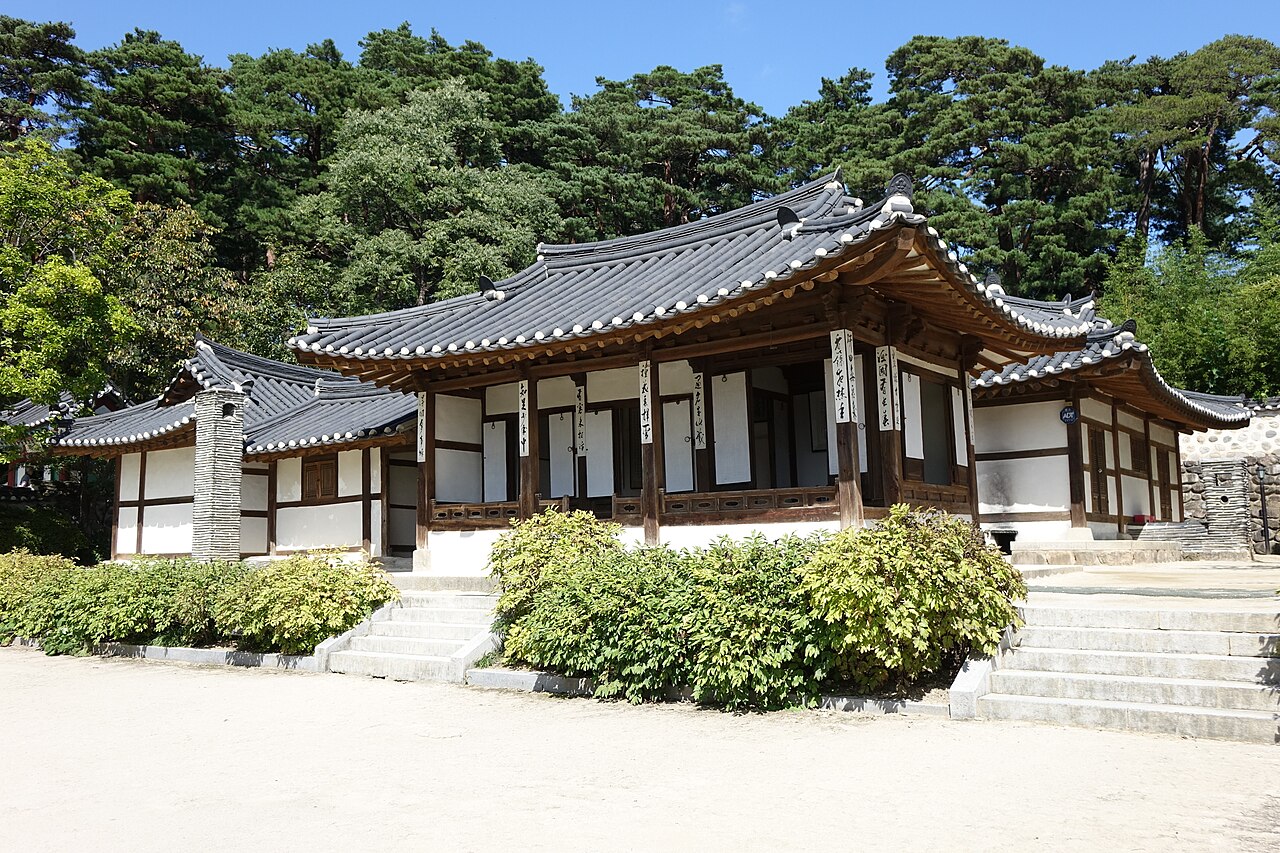
One can't help but feel tranquil when approaching a hanok on foot. Creating a peaceful, inviting environment is about balance and simplicity. Consider the giwa roofs (기와 지붕), these softly curved tiles swooping up at the corners. They are lovely to look at, but they are also smart; they let rain roll off and keep the air circulating to avoid stuffiness.
Next comes the arrangement: most hanoks encircle the madang (마당), an open courtyard. It's the heart of the home, where families meet, natural light pours in, and you sense this effortless inside-outside link.
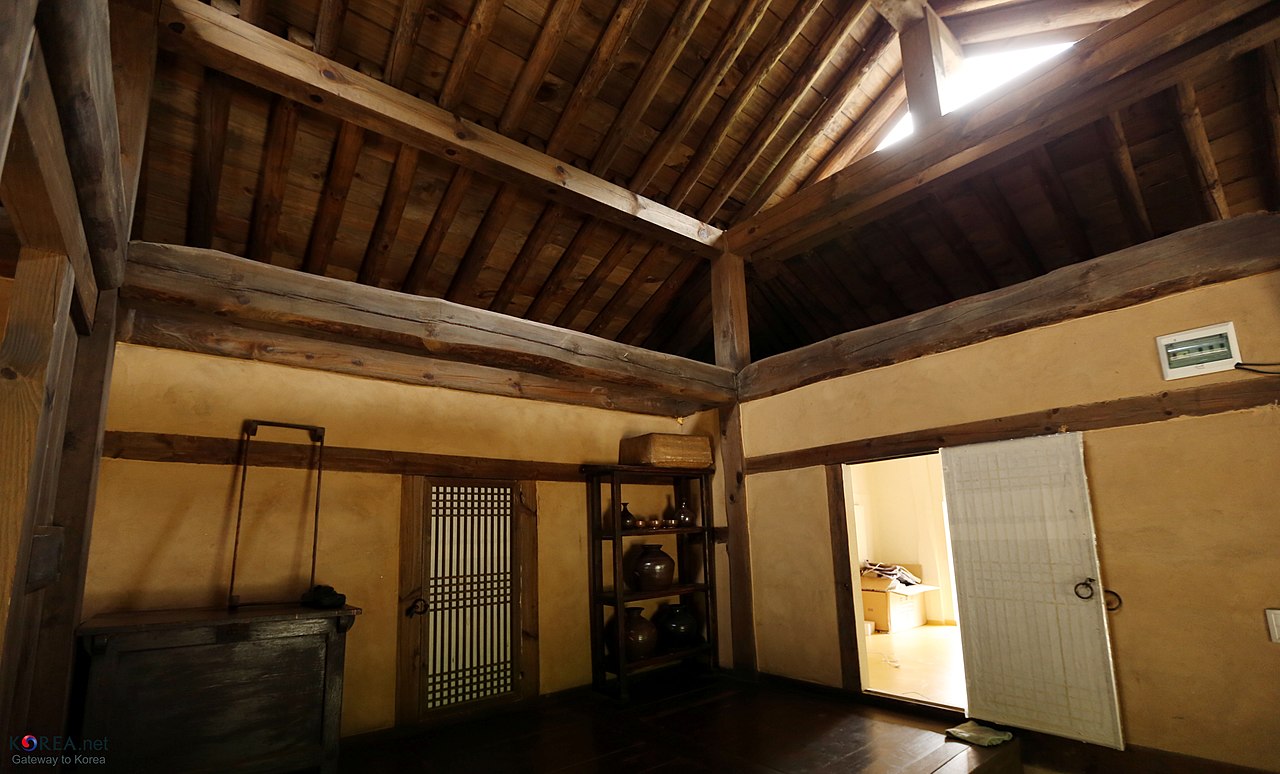
One thing that really sets hanoks apart is ondol (온돌), the traditional heating system. Imagine this: it’s a chilly winter day, but the floor beneath your feet is warm because heat from a wood fire flows through pipes underneath. It’s cozy in a way that’s difficult to beat, and it’s been part of Korean life forever. Sitting on that warm floor, wrapped in a blanket, you get why people still rave about it—it’s comfort with history.
Recently, a new wave of enthusiasm for hanoks has been rediscovering Korea. In cities where people are struggling to fit the old ways with the present world, you observe it. Consider Bukchon (북촌) Hanok Village in Seoul; it's a bustling destination where you can stroll among historic residences along the streets and soak up the charm. The government has also intervened by rehabilitating these villages to prevent their demise.
Nor is it just about looking back; contemporary architects are experimenting with hanok concepts, blending that classic style with fresh spins like improved insulation or sharp designs. Seeing the past and present converging like that is cool.
The vibe of hanoks has even sparked a trend with guesthouses. Travelers from all over are checking into these places, eager to sleep on an ondol floor and wake up surrounded by wooden beams and hanji (한지) paper windows. It’s not just a stay; it’s a chance to step into Korean life, to feel what it’s like to live in a piece of history.
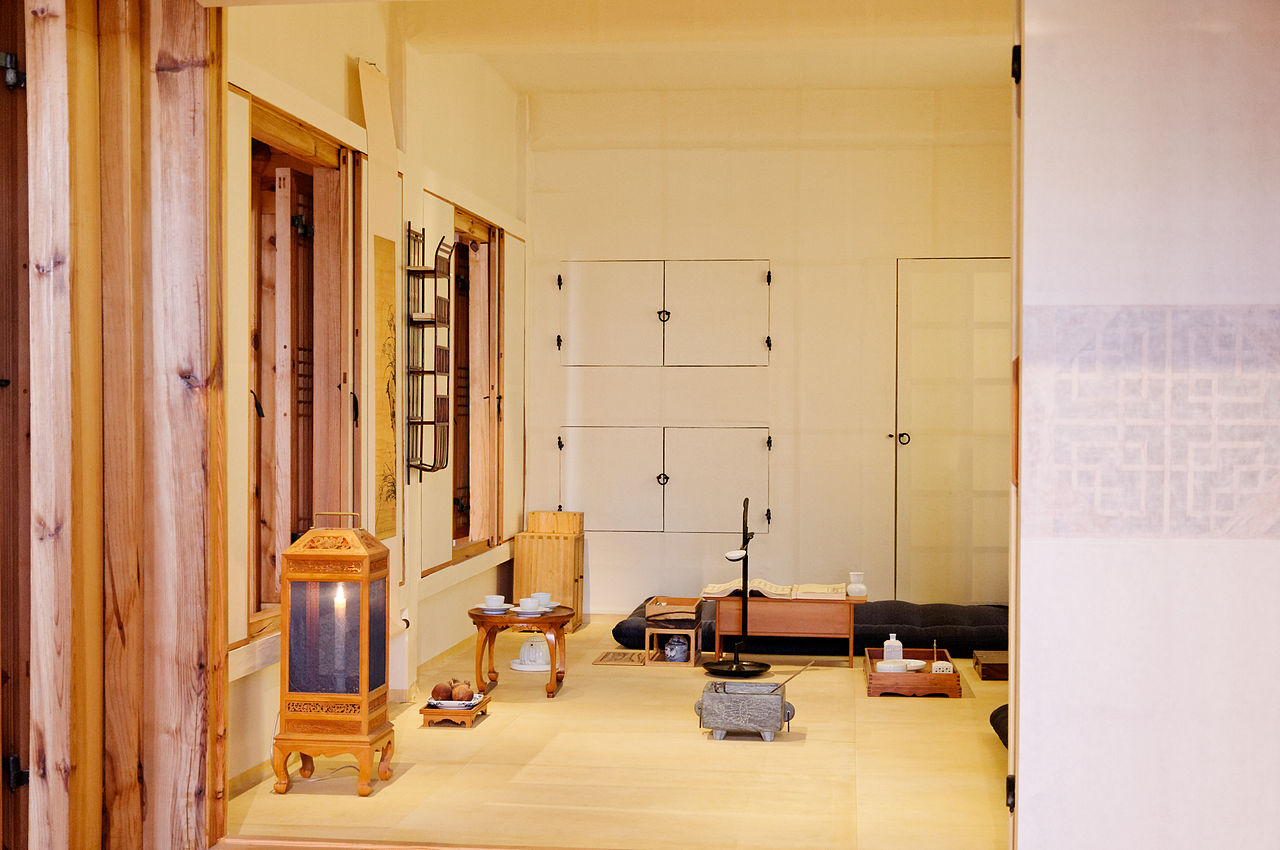
At the end of the day, hanoks are more than just pretty buildings. They’re about that sweet balance between nature and home, a reminder of how people can live simply and well. As more folks fall for their charm, you can bet there’ll be more efforts to keep them around—whether it’s saving the old ones or dreaming up new versions. They’re a love letter to Korea’s roots, a nod to where it’s been, and honestly, a little spark for where it might go next.
How about this article?
- Like0
- Support0
- Amazing0
- Sad0
- Curious0
- Insightful0