Food creator Kim Do Hyun has built a growing presence on Instagram and TikTok by sharing Korean cuisine through a lens of authenticity, balance and storytelling. Kim’s content goes beyond recipes and visuals, offering thoughtful reflections on how food can create comfort, connection and cultural exchange.
Drawing from personal experiences, Kim approaches food as both an emotional and cultural medium. Through social media, he explores how Korean cuisine is being received and reinterpreted around the world, and how digital platforms have transformed food into a shared global conversation. In this interview, Kim Do Hyun discusses his journey into food content creation, the evolving role of social media in food culture and his long-term vision for sharing Korean cuisine with international audiences.
The following are excerpts from an email interview with Kim from December 19 to 24.
1.How did your journey into food content creation begin?
My journey began in a very simple, personal moment. One evening in Korea, after a long day of work, I invited a few friends over and cooked for them. Watching them genuinely enjoy and devour the food I made brought me an unexpected sense of fulfillment. In that moment, I realized how powerful food could be in creating comfort, connection, and positivity. That experience sparked my desire to share Korean food and culture more widely, with the hope that Korean cuisine could one day be appreciated globally as something truly one of a kind.
2.Were there any early experiences or influences that shaped how you approach food today?
Yes, working at a wine bar in Seoul played a major role in shaping how I think about food. The restaurant focused on dishes that were elegant yet approachable, which taught me the importance of balance. That experience influenced my approach to Korean food—finding ways to present familiar, approachable flavors while incorporating refined techniques and thoughtful details. It inspired me to think about how Korean flavors can be translated in ways that feel welcoming to international audiences while still maintaining their identity.

3.How has social media reshaped the way food culture is shared and consumed?
Social media has significantly reshaped food culture by accelerating creativity and innovation. Because these platforms bring together people from diverse backgrounds and food traditions, chefs and creators are constantly exposed to new perspectives. This has encouraged experimentation and collaboration, making food culture more dynamic and inclusive than ever before. In many ways, social media has turned food into a shared global conversation rather than something confined to one place or tradition.
4.What stands out to you about how Korean food is received in digital spaces globally?
What stands out most to me is how Korean food is now being embraced as a global staple, much like French or Italian cuisine. Seeing people around the world cook, reinterpret, and connect with Korean dishes is incredibly meaningful. Digital platforms have made Korean food more accessible and relatable, and I feel proud of the many Korean food creators who have contributed to this growing global appreciation.

5.What do you think audiences are really looking for when they engage with food stories online?
I believe audiences are ultimately looking for authenticity. In a digital space where content can sometimes feel staged or artificial, people are drawn to creators who are honest about their process, their background, and their relationship with food. Genuine stories and intentions resonate more deeply than perfectly curated visuals alone.
6.How has creating food content changed your own relationship with food or culture?
Creating food content has changed how I approach not only food, but life as a whole. Each piece of content becomes a moment of reflection-asking myself how it connects to my long-term goal of creating a Korean fine dining restaurant where people can experience Korean cuisine in an elegant, thoughtful way. This mindset has encouraged me to grow consistently, focusing on becoming a better version of myself each day, even when progress feels slow or invisible.
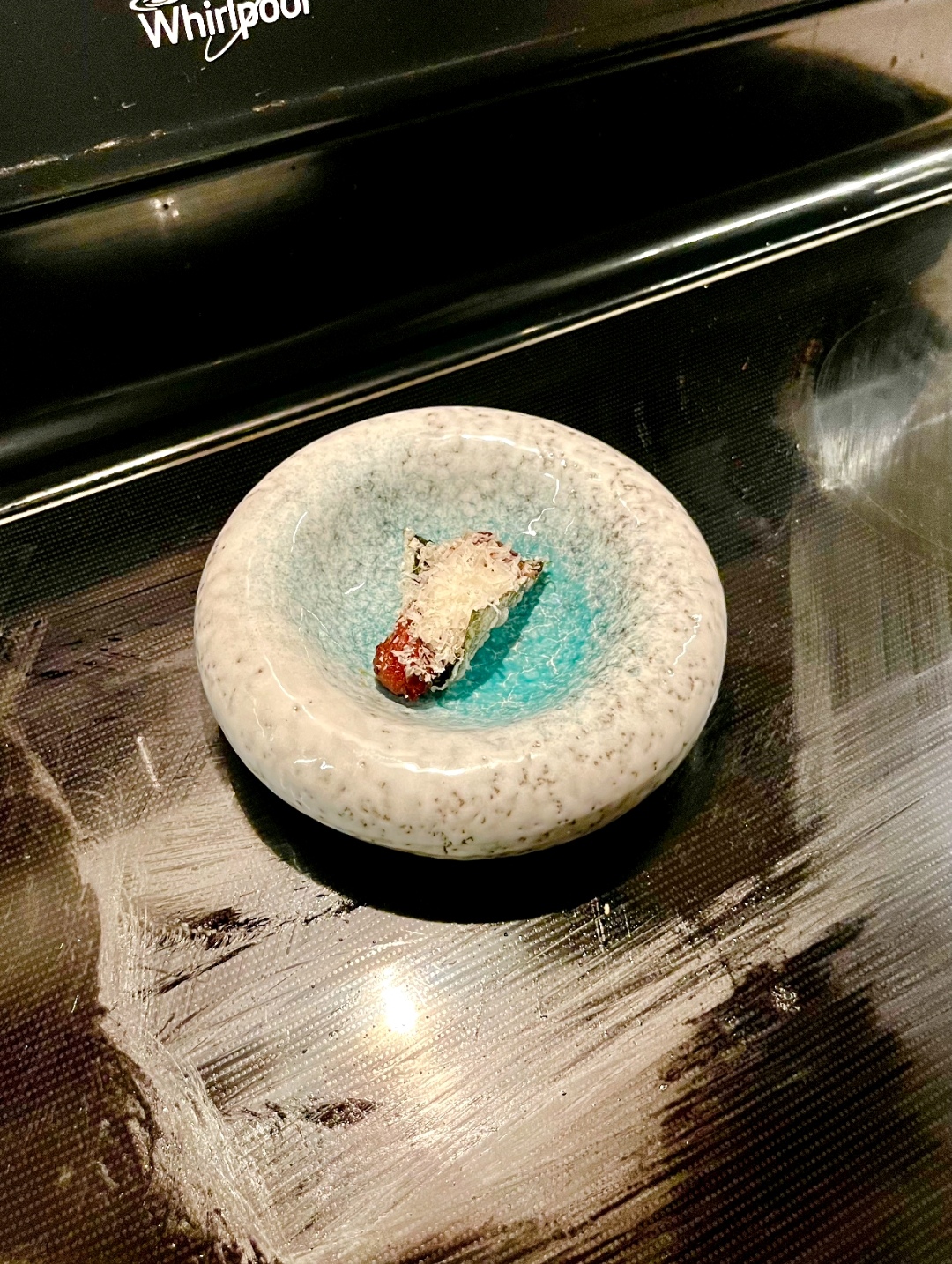
7.How do you view food as a tool for storytelling rather than just content?
I see food as one of the most powerful storytelling tools because it has existed throughout human history and continues to evolve with time. Every dish carries layers of culture, memory, and identity. Being part of the food industry today means contributing to an ongoing story—one that future generations can look back on, learn from, and feel inspired by. That sense of continuity and evolution is what makes food storytelling so meaningful to me.
By emphasizing authenticity and cultural identity, Kim demonstrates how digital platforms can be used to tell honest food stories that resonate across borders. His approach reflects a broader shift in food culture, one where tradition and innovation coexist and where storytelling allows cuisine to connect people from different backgrounds through shared experiences.
How about this article?
- Like3
- Support0
- Amazing1
- Sad0
- Curious0
- Insightful0