Danny (Dong Hyun) Kim, MFA, is an award-winning Korean documentary filmmaker, creative producer, and the founder of Docu Plus (Docu+), a production studio dedicated to impactful storytelling. Educated at the University of Wisconsin-Madison and Duke University Graduate School, Kim represents a new wave of Korean directors who combine strong narrative craft with social responsibility.
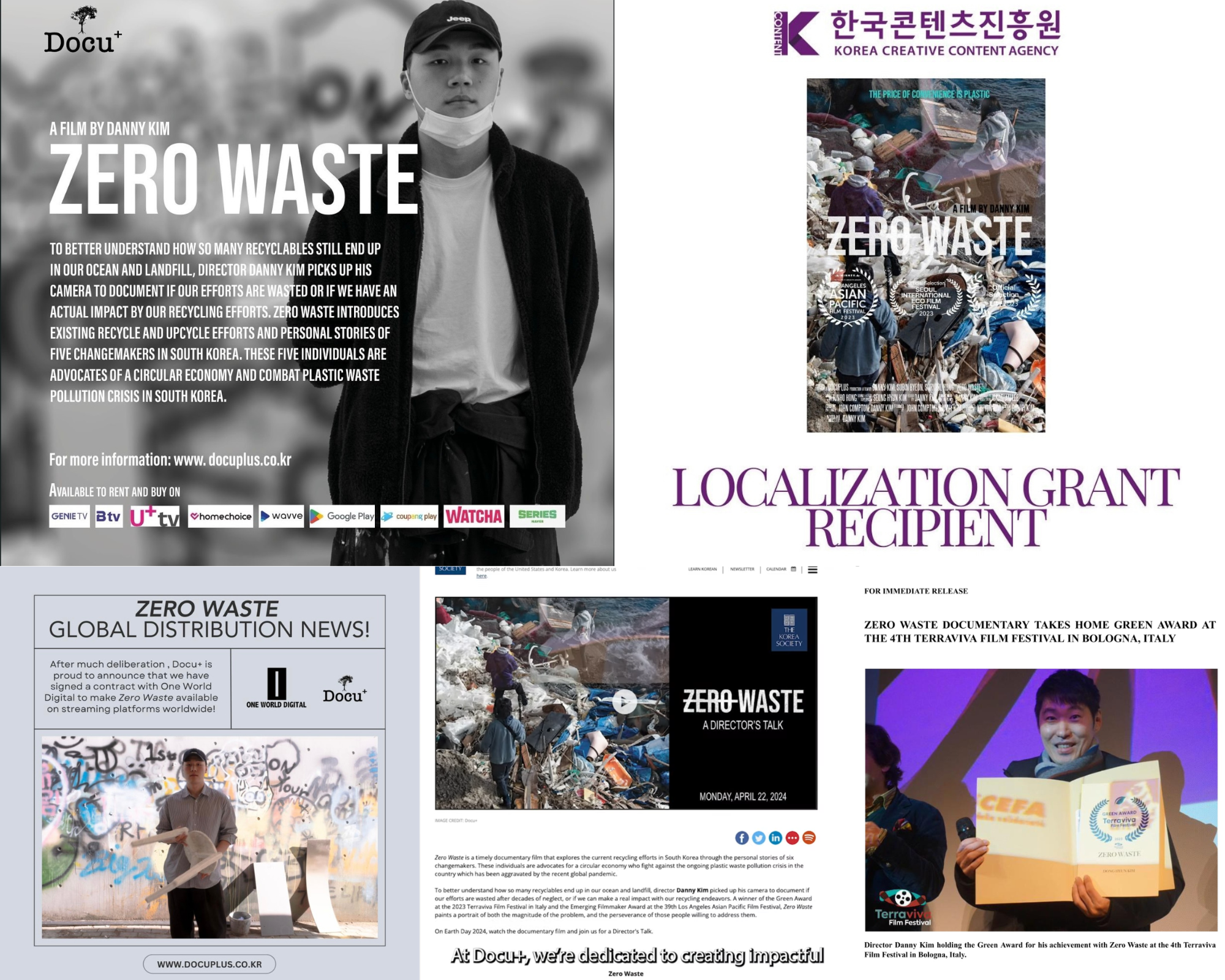
Kim first gained international attention with Zero Waste (2023), a documentary highlighting innovative sustainability practices. The film premiered globally and earned festival recognition, marking the beginning of his journey as a filmmaker committed to stories that inspire reflection and change.
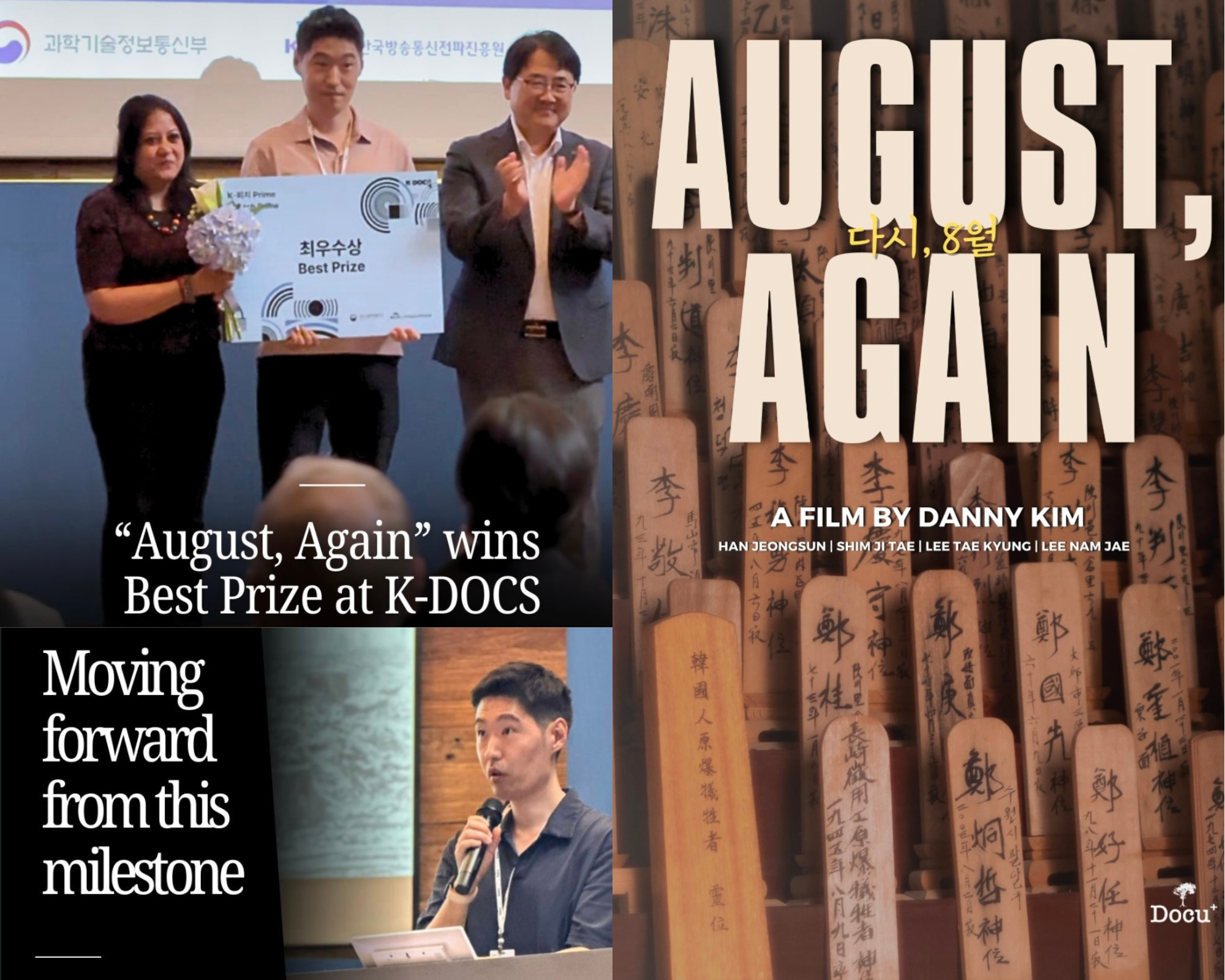
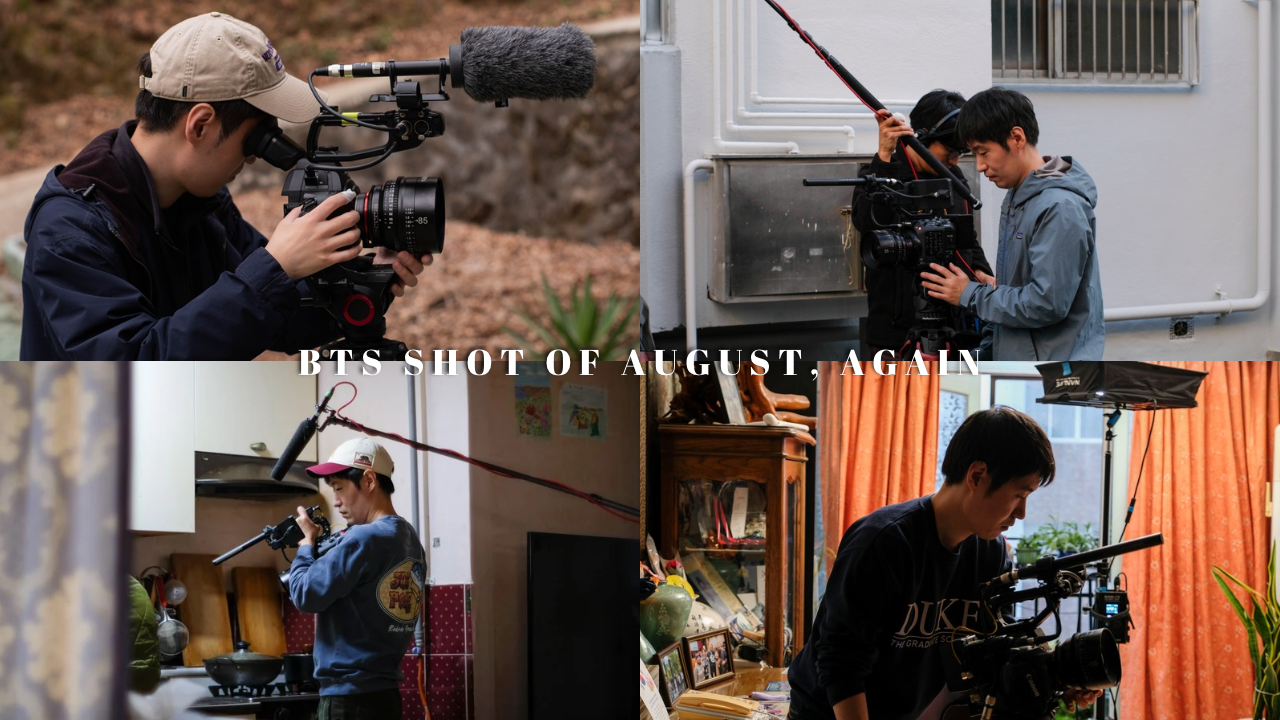
His most recent documentary, August, Again, currently in post-production, has become a major milestone in Korean documentary cinema. The film uncovers the long-overlooked history of Korean atomic bomb survivors through the personal story of Han Jeongsun, revealing that nearly ten per cent of the victims were Korean. For its powerful storytelling and historical significance, August, Again received the Best Prize at the 2025 KDOCS Awards and won two major awards at the Jeonju Project during the Jeonju International Film Festival.
Motivated by a deep sense of responsibility toward untold histories, Kim approaches filmmaking as both creative work and social practice. His strength lies in guiding projects from concept to global platforms, leading development, direction, editing, and distribution with a clear editorial voice. His ability to connect with audiences extends beyond film festivals, with his short-form content reaching over 5.7 million views on digital platforms.
In 2025, Kim was selected as part of the Korean Delegation to the International Documentary Film Festival Amsterdam (IDFA), where he presented August, Again at Korea Pitching Day, supported by K-DOCS and the Korea Communications Agency (KCA), Korea Communications Commission. His participation highlights Korea’s growing influence in global documentary storytelling.
The interview was conducted via email on December 28 and 30.
Interview Question:
- You’ve worked on sustainability, historical memory, and social justice. What connects the stories you choose to document?
Ans. I’m drawn to stories that are under-represented and often overlooked. Before COVID-19, I wasn’t deeply engaged with environmental or sustainability issues, but the pandemic became a turning point for me. It made me reflect on how the Earth needs time to heal and how unsustainable our patterns of overconsumption have become. After completing Zero Waste, I came across the story of Korean atomic bomb survivors. I was struck by the fact that I had never learnt about Koreans who survived Hiroshima and Nagasaki I had always understood it as solely a Japanese experience. That realisation compelled me to tell this story, both to inform future generations and to help preserve the legacy and testimonies of Korean atomic bomb survivors.
2. From leading a film project end-to-end to presenting at major international platforms, what part of documentary work do you find most demanding today?
Ans. Beyond the inherently unpredictable nature of documentary production, the most demanding part of my work today is navigating distribution after a film is completed. The global film and media market is struggling, and it has become increasingly difficult to sell documentaries to broadcasters or distributors. Much of my distribution experience has relied on word of mouth and DIY approaches. For Zero Waste, I worked with independent distributors in the UK, the US, and Argentina, and I also organised numerous impact screenings in partnership with universities and cultural centres.
3. Your films have moved from Korean contexts to global audiences. How do you make stories culturally specific yet universally relatable?
Ans. I think carefully about my target audience from the very beginning of each project. Because the Korean documentary market is small, highly competitive, and offers limited opportunities, I often need to look beyond Korea for international audiences. My background as a 1.5-generation Korean American also helps me bridge Eastern and Western perspectives, allowing me to tell culturally specific stories in ways that resonate across borders.
4. Recognition from festivals and institutions has come steadily in your career. How do awards change the way you approach your next documentary, if at all?
Ans. Receiving awards has made me more humble. There are so many talented directors and producers around the world, and I’m constantly inspired by their work when I attend markets and festivals. I believe that with every project, I’m gradually improving my skills, one step at a time.
5. As both a filmmaker and educator, what do you feel is missing in how young creators approach documentary storytelling today?
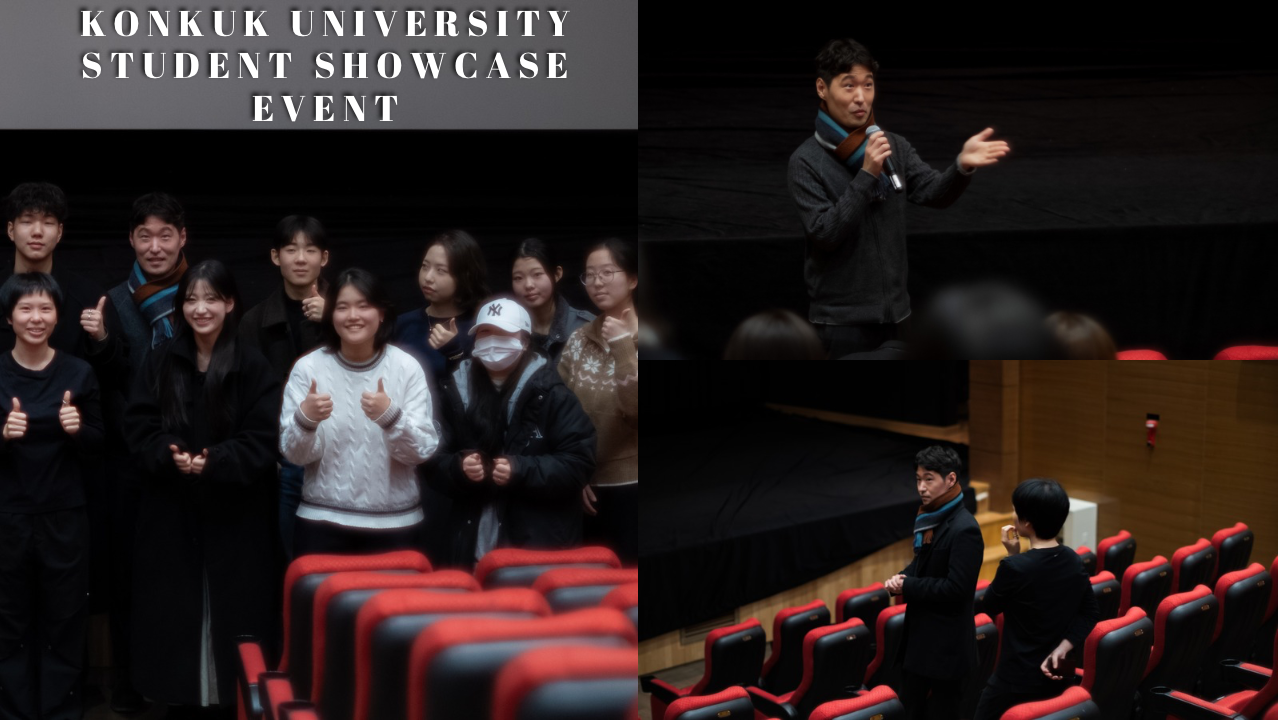
Ans. I’ve taught students in both the US and Korea, and this semester I had the opportunity to teach an environmental documentary course at Konkuk University for contemporary arts students. I gave them the freedom to expand the boundaries of the documentary genre, and the results were remarkable. We held a showcase two weeks ago with a strong turnout and thoughtful post-screening discussions. I feel that many young creators today are hesitant to engage with long-form content, especially documentaries. However, once they step outside their comfort zones and begin exploring the documentary form, I see a deep appreciation emerge. What they often need most is proper guidance, knowing where to look and how to access strong documentary work.
Danny Kim’s work shines a light on hidden histories and important social issues, reaching audiences worldwide through his award-winning documentaries and teaching. His dedication to honest storytelling makes him an important figure in Korean and global documentary film today.
How about this article?
- Like2
- Support0
- Amazing1
- Sad0
- Curious0
- Insightful0