The Scientific Excellence of Korean Agriculture: A Joint Perspective on Horticulture and Life Sciences in Kimchi
2025-12-24A Scientific and Cultural Exploration of Kimchi
During the traditional Kimjang (Kimchi-making season) [김장] in December 2025, an in-depth investigation was conducted into Kimchi (fermented vegetables) [김치], one of Korea’s most representative culinary traditions. The purpose was to explore how traditional knowledge and modern scientific practices combine in the preparation of this symbolic dish.
This article reflects a balanced collaboration with a Horticultural Science Specialist holding a Bachelor’s degree, whose expertise provided scientific insights into the physiological properties of the vegetables used in kimchi. The collaboration allowed for a comprehensive understanding of agricultural quality, fermentation processes, and cultural practices associated with kimchi.

Horticultural Knowledge and Quality of Raw Ingredients
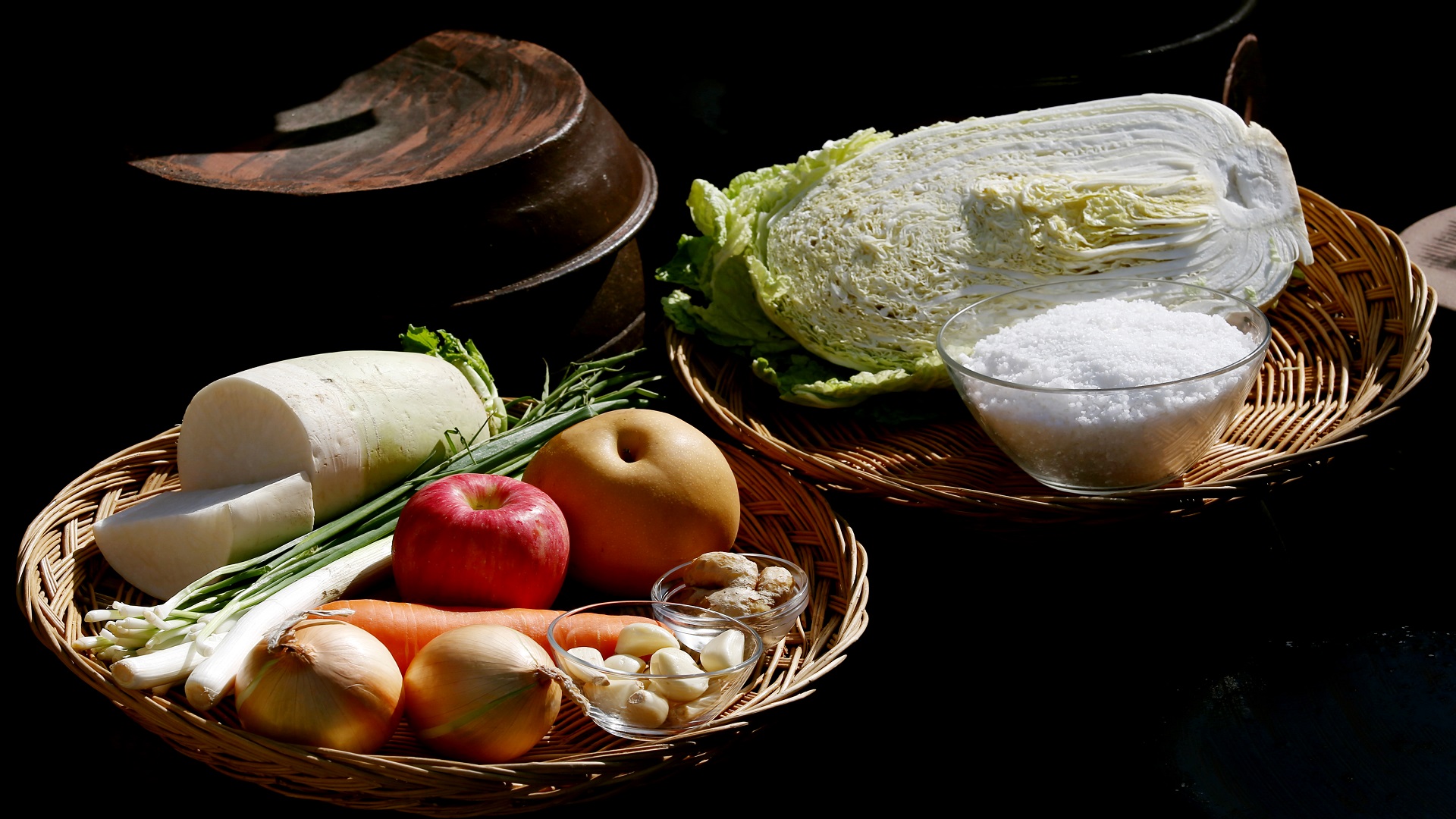
The quality of kimchi begins in the fields. Detailed observation of Baechu (Napa cabbage) [배추] and Mu (Korean radish) [무] highlighted critical features such as water content in leaves, leaf thickness, and sugar content. These traits influence the texture and fermentation rate of kimchi.
These characteristics result from seasonal timing, precise cultivation, and advanced post-harvest management techniques. Harvesting during the Kimjang season demonstrates the practical application of horticultural knowledge to ensure optimal texture and flavor.
Tradition Meets Biotechnology
Kimchi fermentation exemplifies natural biotechnology. Lactic Acid Bacteria (LAB), such as Leuconostoc and Lactobacillus, convert sugars into organic acids, which act as natural preservatives while enhancing flavor and nutritional value.
This process illustrates how horticultural expertise and microbiological knowledge combine to produce a product that is both culturally significant and scientifically optimized.
The Intersection of Culture and Science
Kimchi is a prime example of the harmony between traditional culinary wisdom and scientific precision. Scientific analysis, complementing traditional knowledge, provides a comprehensive view of kimchi preparation, fermentation, and cultural significance.
The findings show that the popularity and quality of kimchi depend not only on culinary tradition but also on careful scientific management throughout cultivation and processing.
Shared Insights and Collaboration
This project offered a multidimensional view of Korean food culture. Observing traditional practices alongside scientific analysis deepened understanding of plant physiology, fermentation microbiology, and culinary heritage. The collaboration demonstrates how journalism and scientific expertise can work together seamlessly.

Tradition Underpinned by Science
Kimchi represents the ideal balance between heritage and scientific development. This article, the product of a collaborative investigation, highlights how meticulous care, selection of materials, and scientifically informed fermentation techniques are essential for the success of this popular Korean dish.
How about this article?
- Like4
- Support0
- Amazing1
- Sad0
- Curious0
- Insightful0