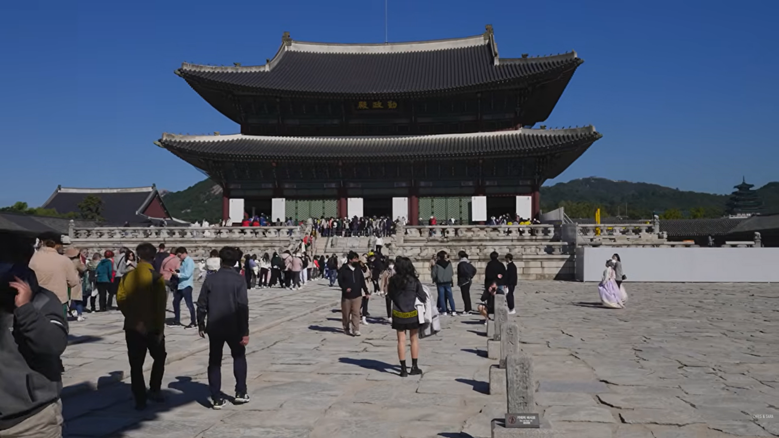
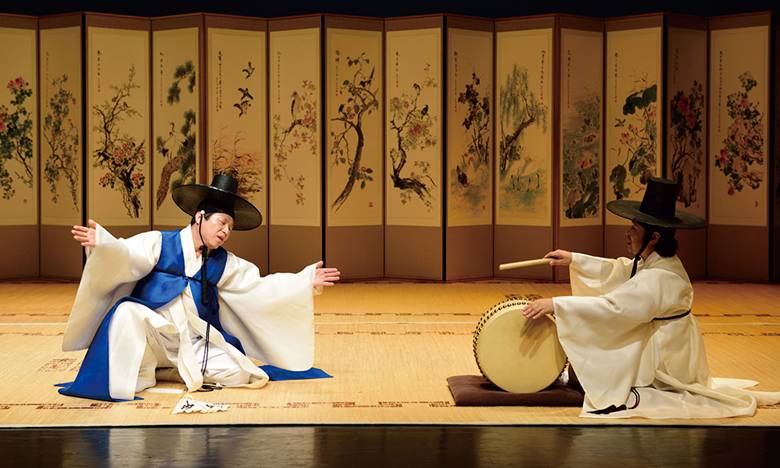
The Republic of Korea celebrates National Heritage Day (국가유산의 날, Gukga Yusan-ui Nal) every year on December 9. This meaningful event, led by the Korea Heritage Service, brings people together to appreciate the nation's deep cultural roots. It spotlights traditional treasures and UNESCO World Heritage sites, like the majestic Jongmyo Shrine (종묘, Jongmyo) and the calm Changdeokgung Palace Complex (창덕궁, Changdeokgung). It also honors living arts, such as the expressive Pansori epic chants (판소리, Pansori) and the fun Ganggangsullae circle dance (강강수월래, Ganggangsullae). Across the country, from royal palaces in Seoul to historic spots in Gyeongju and local community centers, families, students, and visitors join in to celebrate Korea's lasting spirit.
A Day to Remember Cultural Roots in a Modern World
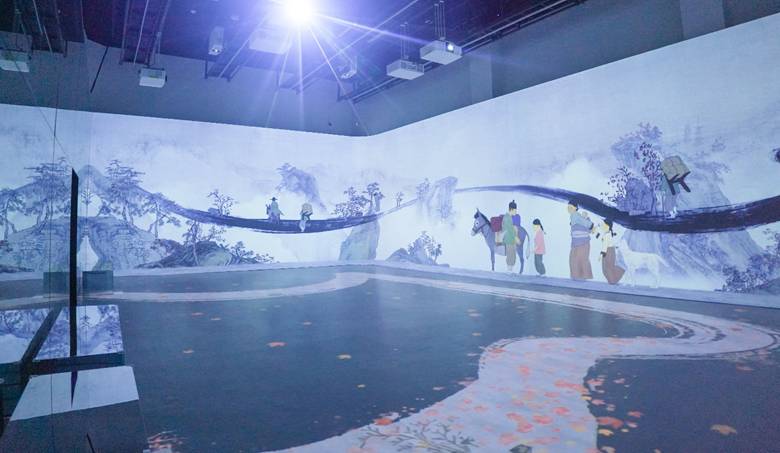
National Heritage Day reminds everyone why saving cultural traditions matters in today's fast-paced life. It helps find a good balance between old ways and new ones. For example, people now wear modern versions of hanbok (한복, Hanbok) as everyday clothes, or join kimchi-making classes (김치, Kimchi) that mix classic recipes with fresh health tips. This day shows how heritage touches daily routines and even shapes laws, like the Cultural Heritage Protection Act, which promotes fair ways to protect these treasures. Technology plays a big role too, with apps and virtual reality letting busy city folks explore UNESCO sites from their homes.
Presidential Mandate: Heritage as Living Identity
In a town-hall cultural forum marking his signature hallmark of direct public interaction, President Lee Jae-myung emphasized that culture is the "foundation of our identity" rather than merely a historical artifact. Captured here in dialogue with citizens and cultural ambassadors, the President highlighted the 2024 ‘Framework Act on National Heritage’ as the legal blueprint for a new era where tradition is integrated into modern democratic life. By vowing to turn Korea into a "global cultural powerhouse," the administration has increased the national cultural budget by 8.8% to support living heritage projects that connect historical authenticity with the aspirations of the people.

The Rich History Behind the Day
Korea has always valued its cultural past with great respect. Back in the Joseon Dynasty (조선 왕조, Joseon Wangjo), royal events at places like Jongmyo Shrine (종묘, Jongmyo) started organized ways to protect heritage. In 1962, the Cultural Heritage Protection Act set the first legal rules for this. Over time, Korea became active in UNESCO, adding sites like Seokguram Grotto (석굴암, Seokguram) and Bulguksa Temple (불국사, Bulguksa) in 1995.
A big change came in 2023 with the Framework Act on National Heritage. This law named December 9 as National Heritage Day to include not just old items but also living customs. It began on May 17, 2024, and changed the Cultural Heritage Administration to the Korea Heritage Service for wider work.
How People and Leaders Honor It Today
In 2024, the first celebrations had events all over Korea, with digital shows using AI to fix lost artifacts. By 2025, things have grown even more. Lawmakers and government workers visit UNESCO spots like the Royal Tombs of the Joseon Dynasty (조선 왕릉, Joseon Wangreung) to talk about laws against illegal trade. The president often goes to ceremonies at Deoksugung Palace (덕수궁, Deoksugung), sharing ideas on technology like drone maps for saving sites.
Ordinary people join in with family trips to old places, school classes on traditional skills, and fun social media shares. They post stories of heritage in modern life, like learning Arirang folk songs (아리랑, Arirang) through apps. These make the day exciting and viral, with trending tags full of creative mixes.
Building Global Ties, Including with Iran
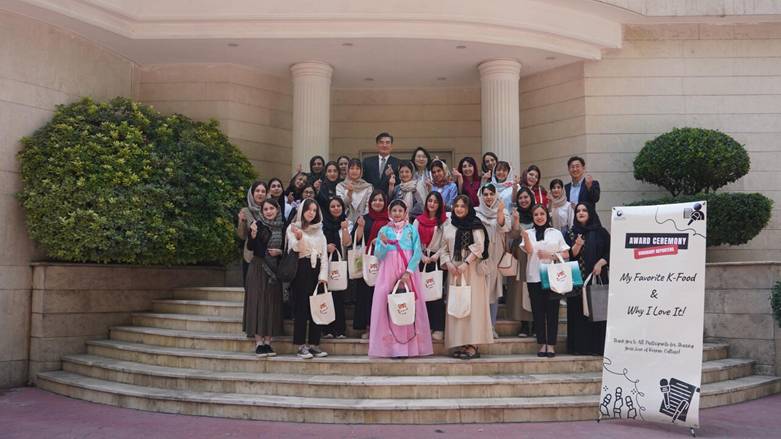
National Heritage Day also connects Korea to the world, like with Iranian heritage. Long ago, during the Three Kingdoms era, trades influenced art and business between the two. Both share UNESCO wonders—Iran's Persepolis and Korea's Hwaseong Fortress (화성, Hwaseong)—inspiring shared online tours today. People post photos of blended customs, such as Persian-style tea in Korean settings, helping the day spread far.
A Lasting Promise
To capture the heart of this day, the Framework Act says it well: "National heritage shall be preserved and utilized in a sustainable manner, contributing to the cultural enrichment of humankind."
How about this article?
- Like0
- Support0
- Amazing0
- Sad0
- Curious0
- Insightful0