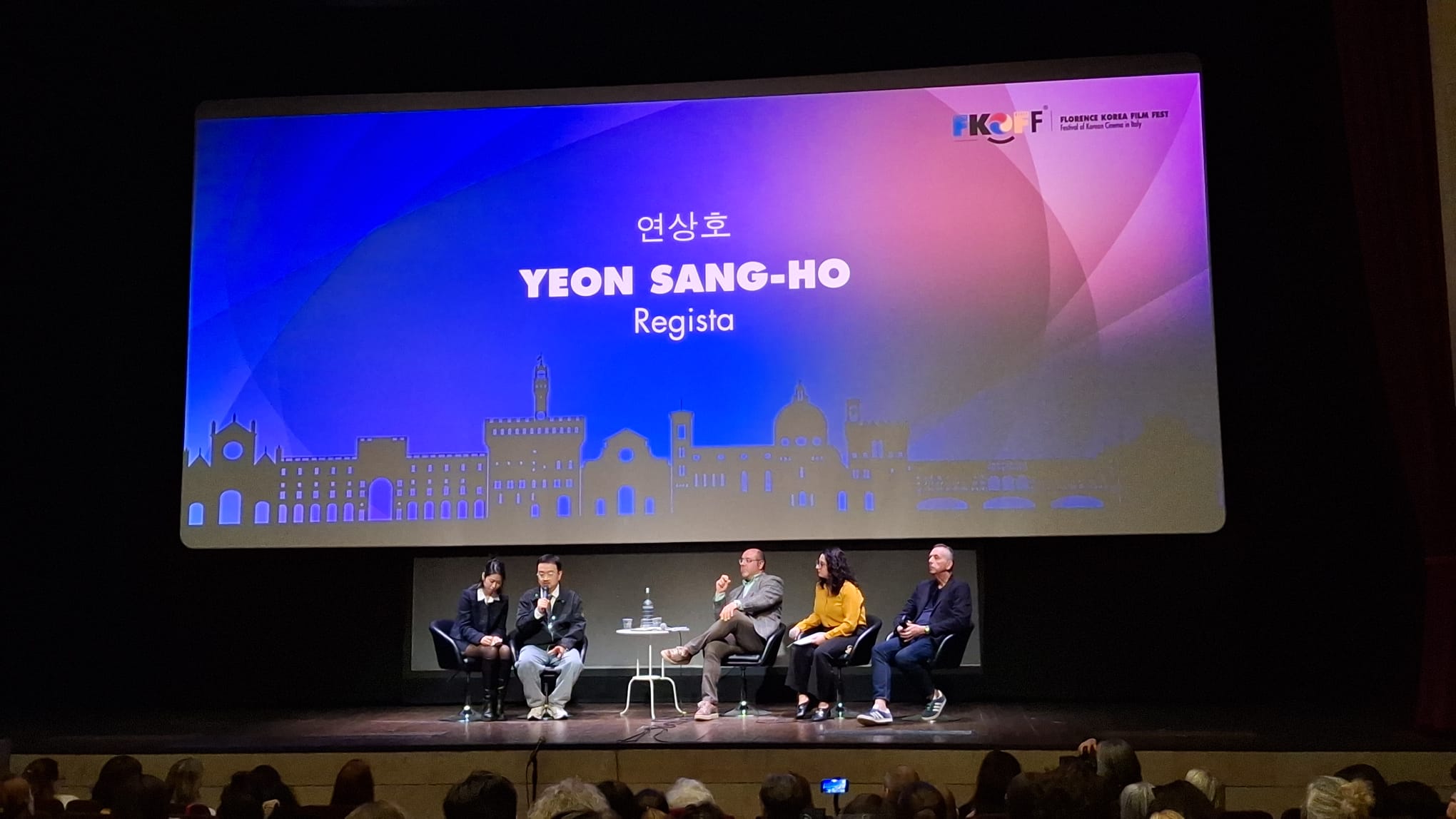
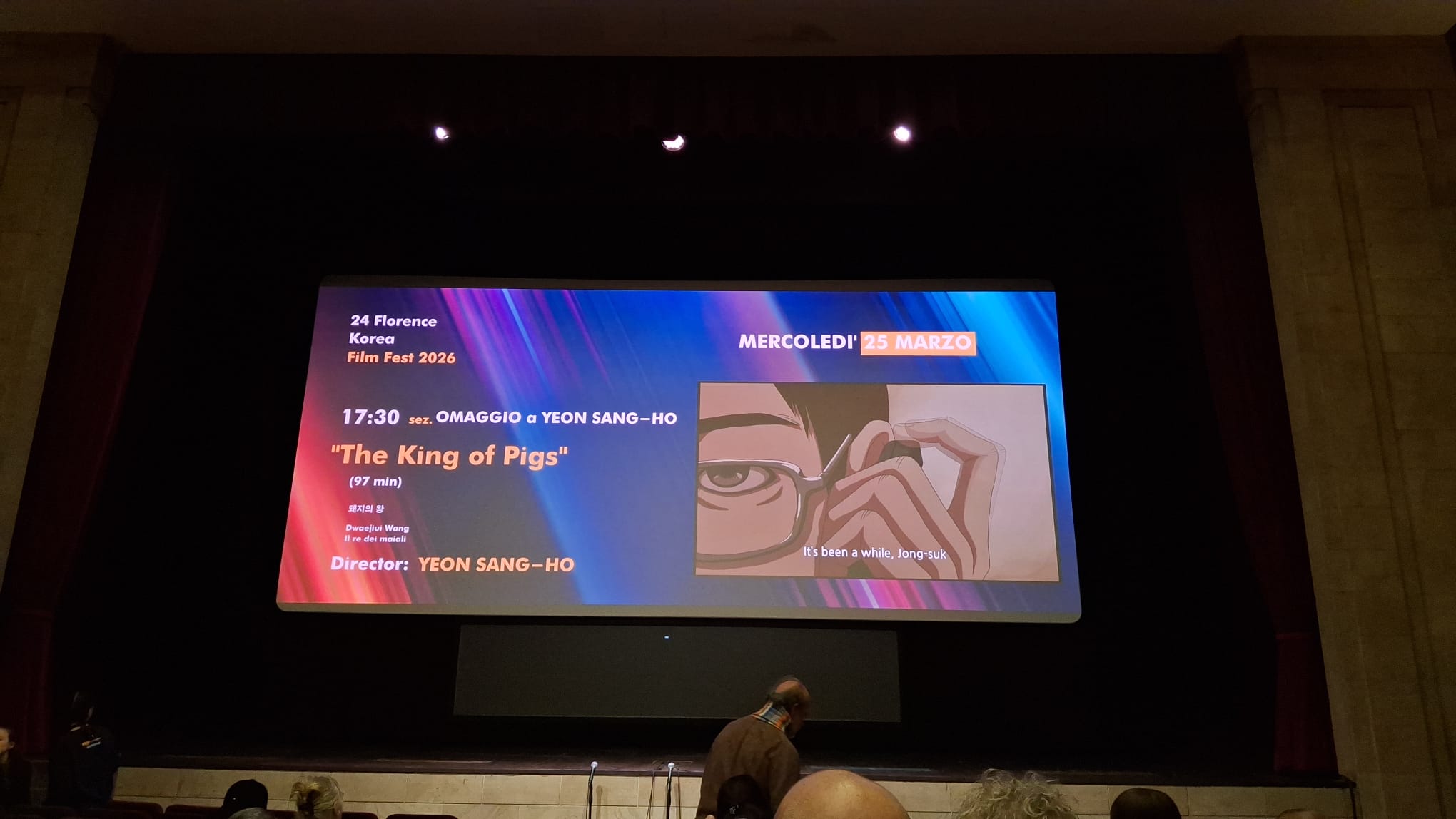
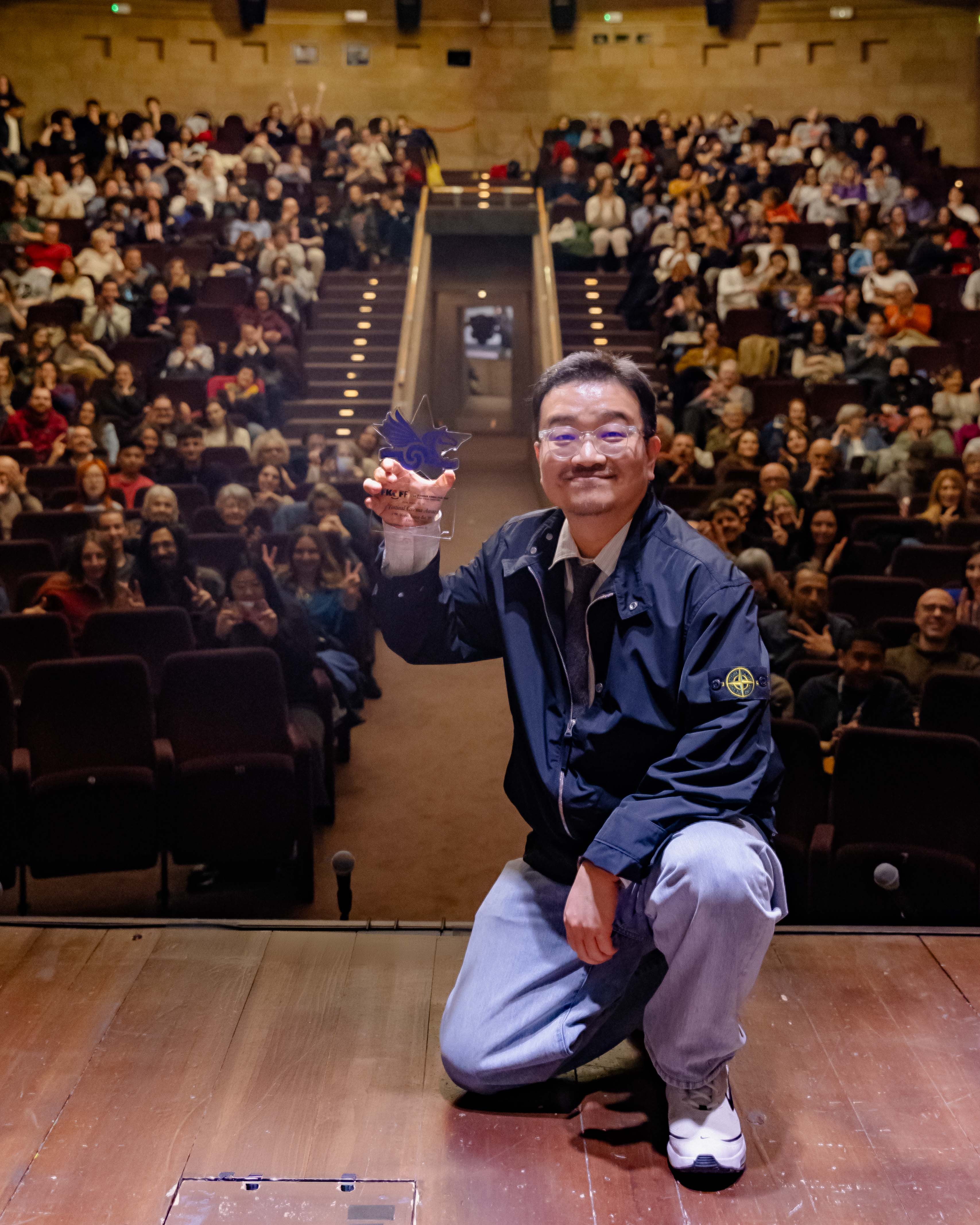
During the week of the Korea Film Fest in Florence, the second guest of honor, alongside actor Gong Yoo, was director Yeon Sang-ho, known worldwide for his live-action feature debut, "Train to Busan" (부산행, 2016). The director arrived at live-action cinema after starting out in animation with independent films at the beginning of his career. Cinema La Compagnia in Florence screened some of his most famous animated features, including "The Fake" (사이비, 2013), Seoul Station (서울역, 2016) and, in particular, "The King of Pigs" (돼지의 왕, 2011), the director's debut film after several short films which was selected by Busan International Film Festival and started his career. The King of Pigs addresses a deeply felt issue in Korea—bullying in schools—and is distinguished by a unique and striking aesthetic, which seeks to use strong lines, especially in the protagonists' expressions, to aesthetically accentuate the emotions, mostly negative, that they experience.
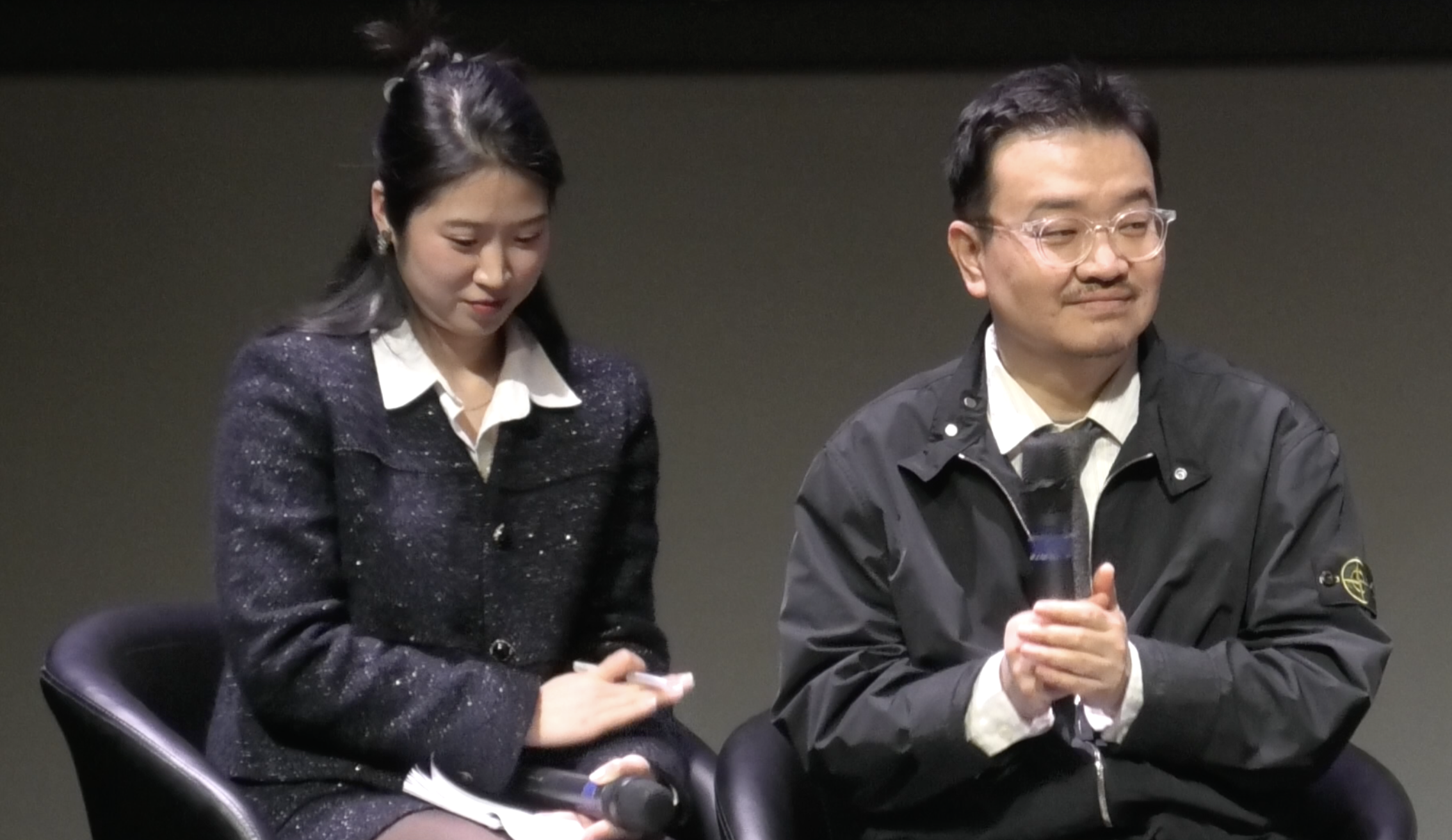
During the press conference on Tuesday, March 24th, I had the opportunity to ask the director a question, and I decided to focus on his transition from animation to live action.
HR: I ask this question as an animator; I've always considered animation to have greater creative freedom than live action, and I was wondering: regarding one of the most prevalent elements in your films, which is physical violence, did you experience a change in the representation of violence in the transition from animation to live action, and were there any limits?
"As for my animation work, I can name three of my most representative works: the first is "The King of Pigs," then "The Fake," and "Seoul Station." All three are independent animations. Actually, I didn't feel like a transition when I moved to live action in my films, but rather a shift from an independent production style to a more industrial and popular one. After Train to Busan, my work has mostly focused on industrial productions, even revisiting the series I made on Netflix, for example "Gisaengsu: The Grey". However, I'd like to return to my way of making independent films. For example, the film I presented at the festival this year is also independent, so I'd like to return to the basics, to that world. Actually, if I had to talk a little about the difference between animation and live action, there are certainly differences from a production standpoint, but I don't think there are many differences in reality; in the end, both in animation and live action, it's about composing a drawing in some sense, about building characters and transmit them to the public; from this point of view, I don't think there are many differences. Perhaps one is the fact that the choice isn't about animation or live action, but rather whether it's an independent or industrial production; who it's aimed at, the target audience, whether it's aimed at an audience of fans of this genre or whether it's instead a more popular and broad target audience."
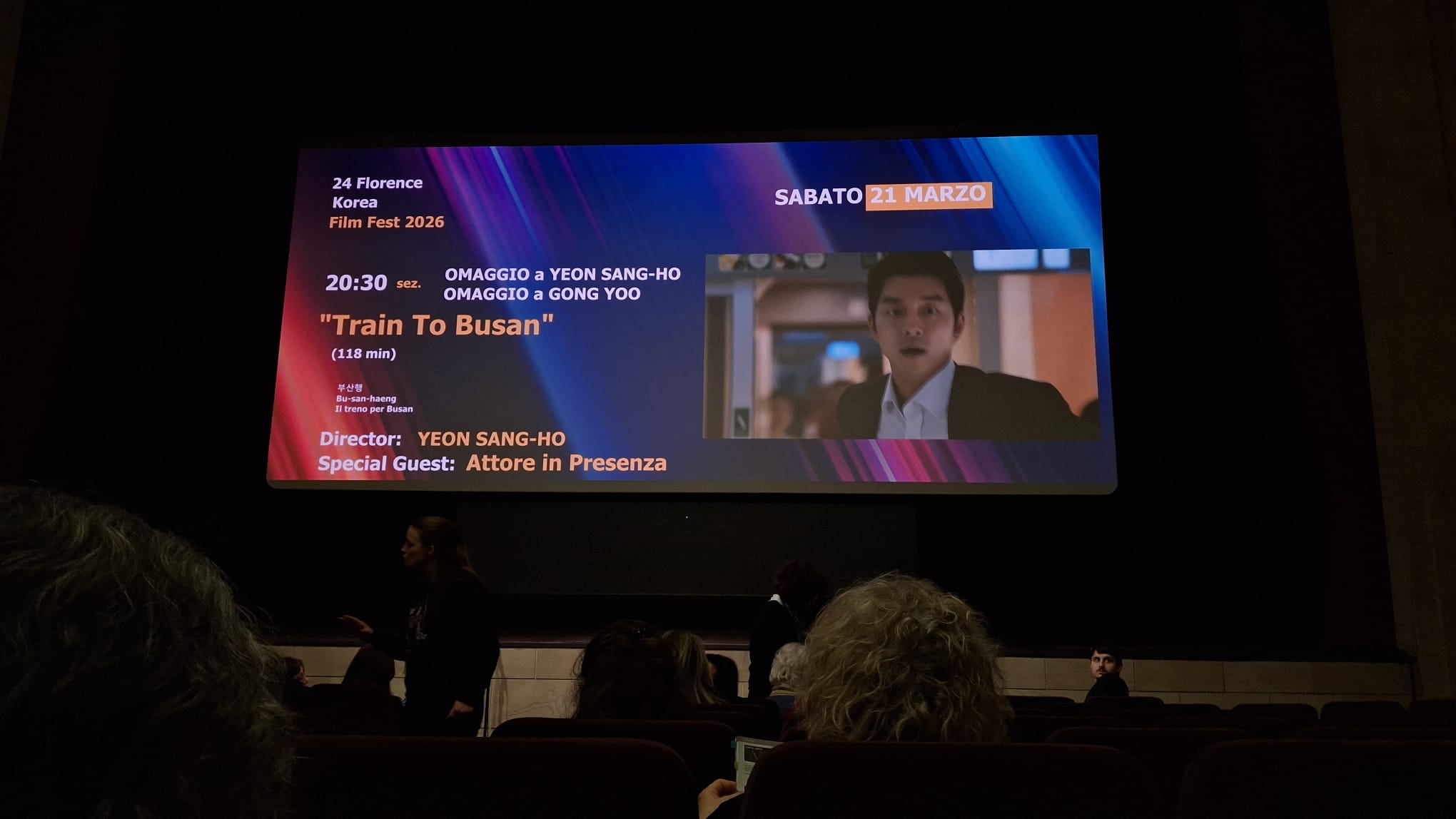
Yeon Sang-ho's response got me thinking, as I find it very interesting that he doesn't see a difference in narrative or aesthetic terms, but only in production terms; indeed, his live-action films are very cartoonish, and in this regard, he told us a funny anecdote about the film Train to Busan. The director talked about a particular scene, the one in which the zombies, chasing Gong Yoo, cling to each other, forming a human chain. Yeon Sang-ho said that when he proposed this idea to the team it was immediately rejected, but then he spent the whole night drawing the scene exactly as he had imagined it, and at that point the drawing was so good that no one dared to say no, and in the end, a scene emerged that all of us who saw the film remember for how aesthetically striking it was. This shows how everything we do can be enriching for our future and how working with animation before starting his big productions has broadened his horizons and is something that, as an animator myself, I greatly admire and inspire.
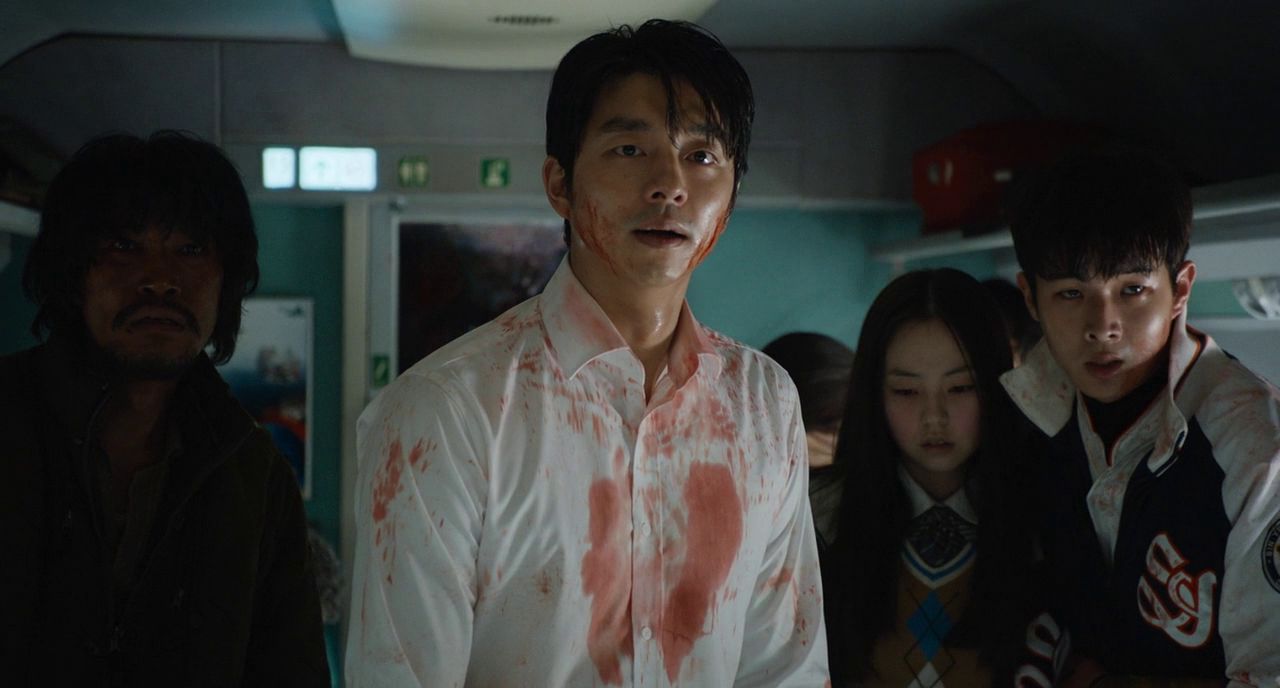
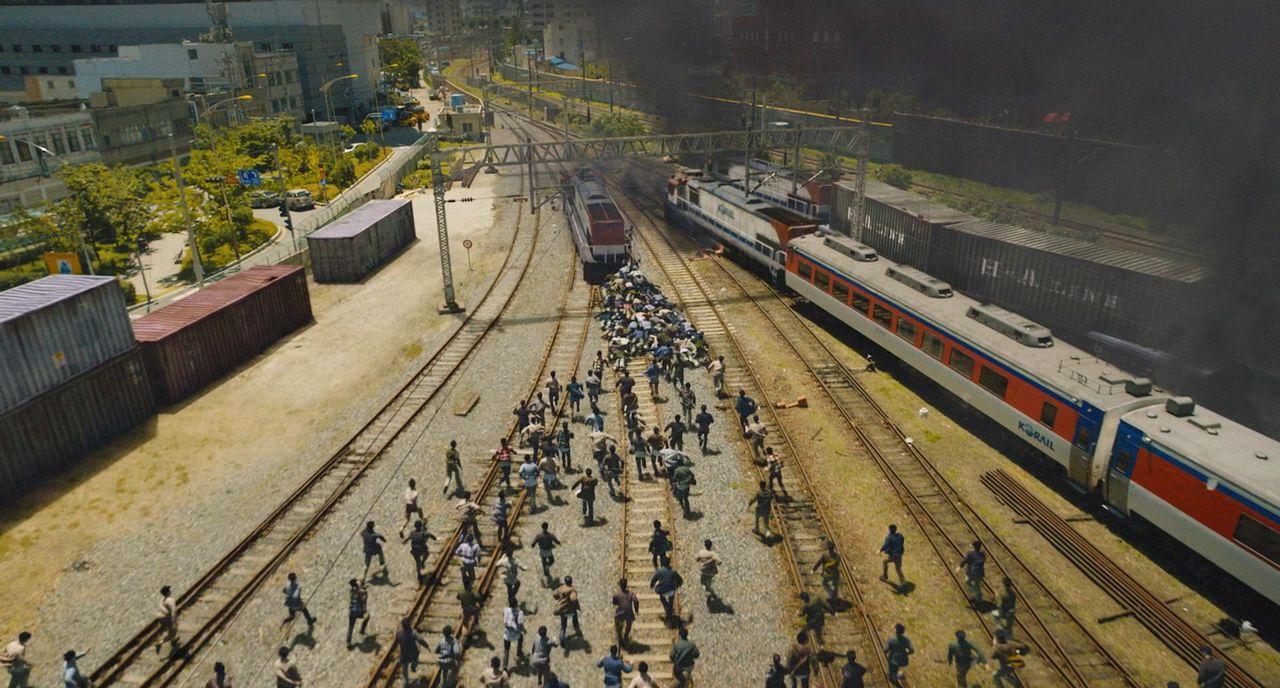
During his Masterclass, Yeon Sang-ho, like many other FKFF guests, confessed that he was visiting Italy for the first time and had previously seen it only in movies by directors such as Roberto Benigni, Vittorio De Sica, Alice Rohrwacher and Dario Argento. The director said that he was particularly struck by the Italian architecture, which seems to be frozen in time; coming from a country like Korea, which is constantly destroying and rebuilding and constantly in motion, he thought that in Italy the skyline shouldn't undergo too many changes over time, which made him think it would be a perfect location for a horror classic. Regarding the directors who shaped him, the products that most influenced the director come from the 90s: from Japanese anime to the Hong Kong cinema of Wong Kar Wai, then Ridley Scott, James Cameron and as for horror cinema especially George Romero and Dario Argento. The passion for the horror genre actually began when the director was just a child and was impressed in reading two books: “The Black Cat” by Edgar Allan Poe and “Metamorphosis” by Franz Kafka; Yeon Sang-ho said that these two books created in him an interest about the most dark sides of the human mind, which is a theme that he addresses in his movies, which often feature monsters not just for fun but also to focus on human reactions.
Regarding new director's productions, he presented his new movie “The Ugly”, a movie set in the '70s, which was screened as European premiere on March 25 at La Compagnia Cinema. He also mentioned Colony, a contemporary zombie film that will address the theme differently than Train To Busan, but with just as much critical and entertaining appeal; Paradise: Lost, currently in post-production, based on Milton's poem; and a new Netflix series, Human Vapor, a remake based on the 1960 tokusatsu film The Human Vapor, directed by Ishirō Honda and is also inspired by Shinzo Katayama's Gannibal (2022), the story will be set in the 1960s, in which a human transforms into vapor to commit murder. Regarding these productions, "Gisaengsu: The Grey" (기생수: 더 그레이, 2024) and "Colony" (군체, 2026), both of which feature women, Yeon Sang-ho in fact spoke about the growing number of female protagonists in Korean cinema; he said that this change is traced back to society itself and the one in cinema is nothing but a reflection of this social situation.
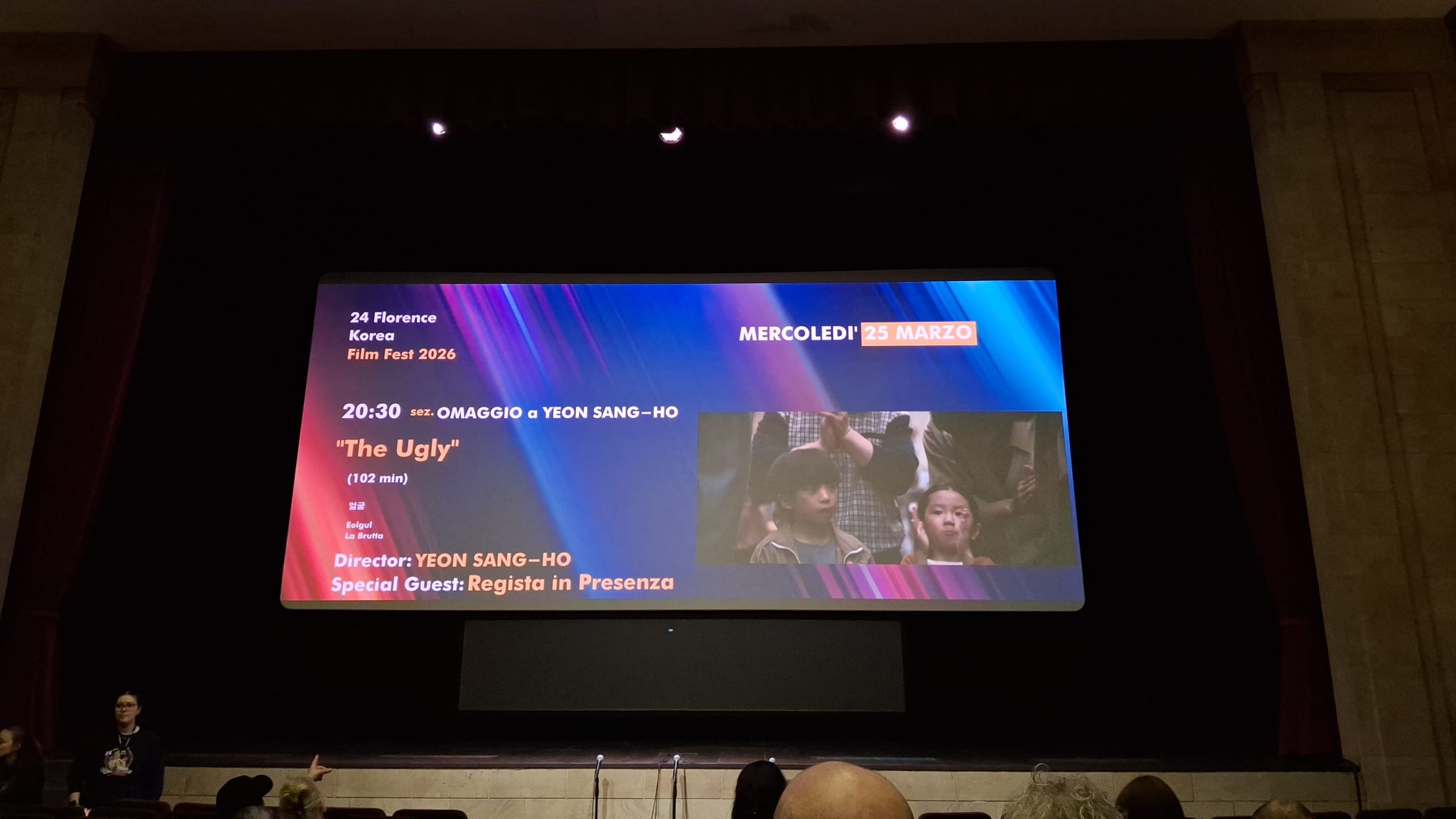
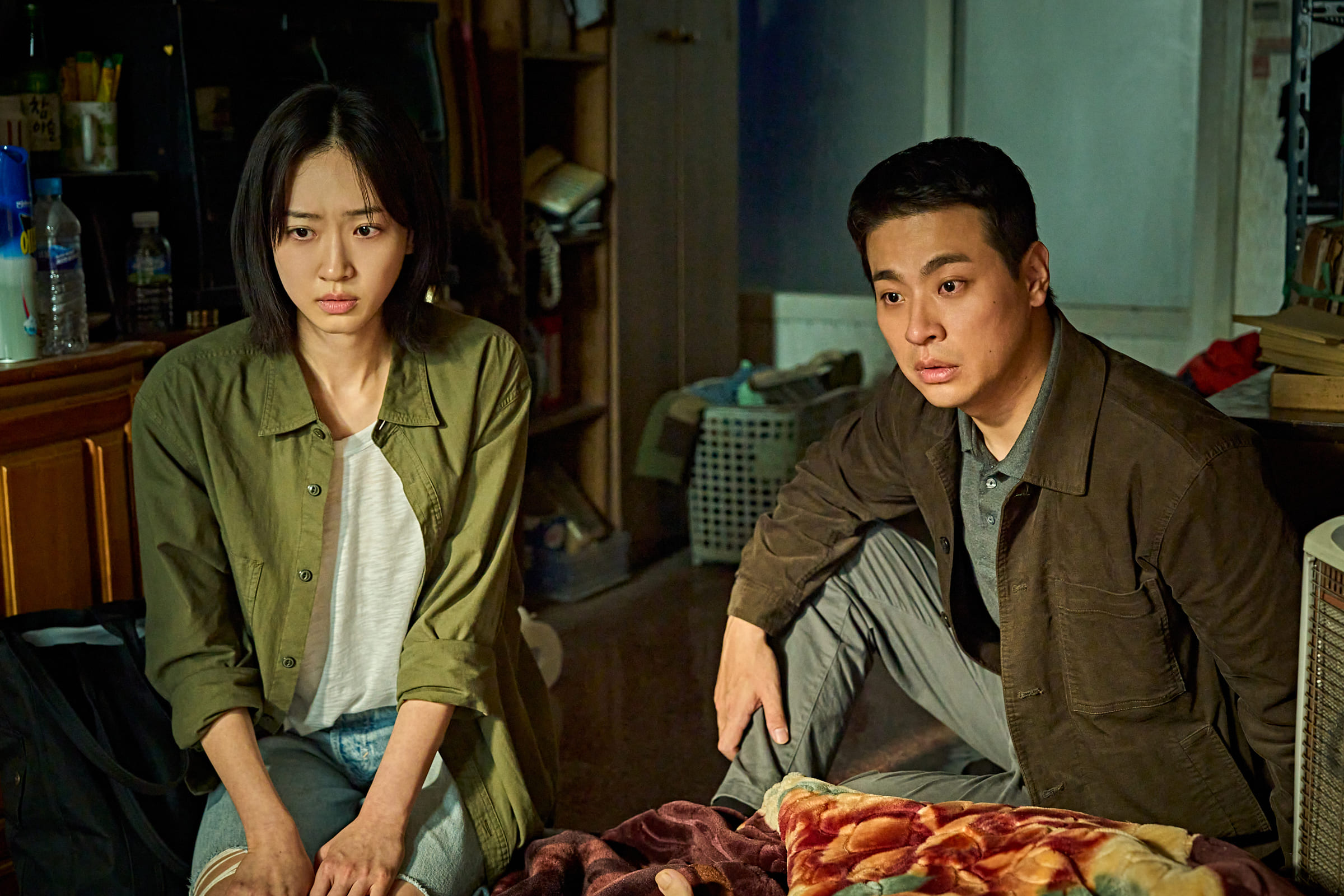
Yeon Sang-ho left us with a beautiful invitation to start going to the movie theatre again. The director stated that he understands how, after Covid, people have become accustomed to a different, more comfortable way of enjoying movies from their sofas and to being constantly bombarded with stimulating content by social media. The director, however, reminds us that going to the movies isn't just about seeing the film, but about deciding to leave home to go to a place where we can share this moment with others. Yeon Sang-ho therefore promises to "create films that entertain and engage audiences so that once the screening is over, people can talk about them". I find this a wonderful and important wish, one that underscores the awareness of the necessary change but also an invitation to continue going to the cinema to share this experience with loved ones.
How about this article?
- Like4
- Support0
- Amazing0
- Sad0
- Curious0
- Insightful0