Over the past decade, Korean musicians have drawn increasing international attention for the clarity, discipline, and expressiveness of their interpretations, becoming a recognizable force within the global classical music landscape. This artistic momentum is also reflected at the George Enescu International Competition, where their performances have consistently stood out for their refinement and musical depth.
At recent editions, Korea has been among the most represented countries, with young musicians consistently advancing to the final stages and securing important distinctions. Their presence has not only been visible in numbers, but also in the artistic quality and consistency of their performances, often drawing attention from juries and audiences alike. For many of these artists, Bucharest has become a meaningful stop within a broader international path, offering a context in which their training and musical identity can be presented to a wider European audience. This recurring participation has gradually strengthened the connection between Korean performers and the competition, contributing to a sense of familiarity with both its repertoire and its artistic environment.
Among the most compelling examples is Jaemin Han, one of the youngest winners in the history of the competition’s cello section. Born in 2006, he gained international attention early on, and his success at the Enescu Competition marked a turning point in his career. Since then, he has performed on some of the world’s most prestigious stages, collaborating with renowned orchestras and conductors. His artistic path reflects not only technical excellence, but also a depth of interpretation that has drawn increasing international recognition. It also highlights how early achievements in competitions like Enescu can open doors far beyond the initial award.
Another remarkable presence is Hyeonjeong Lee, who drew international attention at just 13 years old when she became the youngest-ever runner-up at the 2024 edition — a competition open to musicians up to the age of 35. In addition to the second prize, she received both the Audience Award and the Prize for Best Interpretation, confirming a level of artistic maturity far beyond her age.
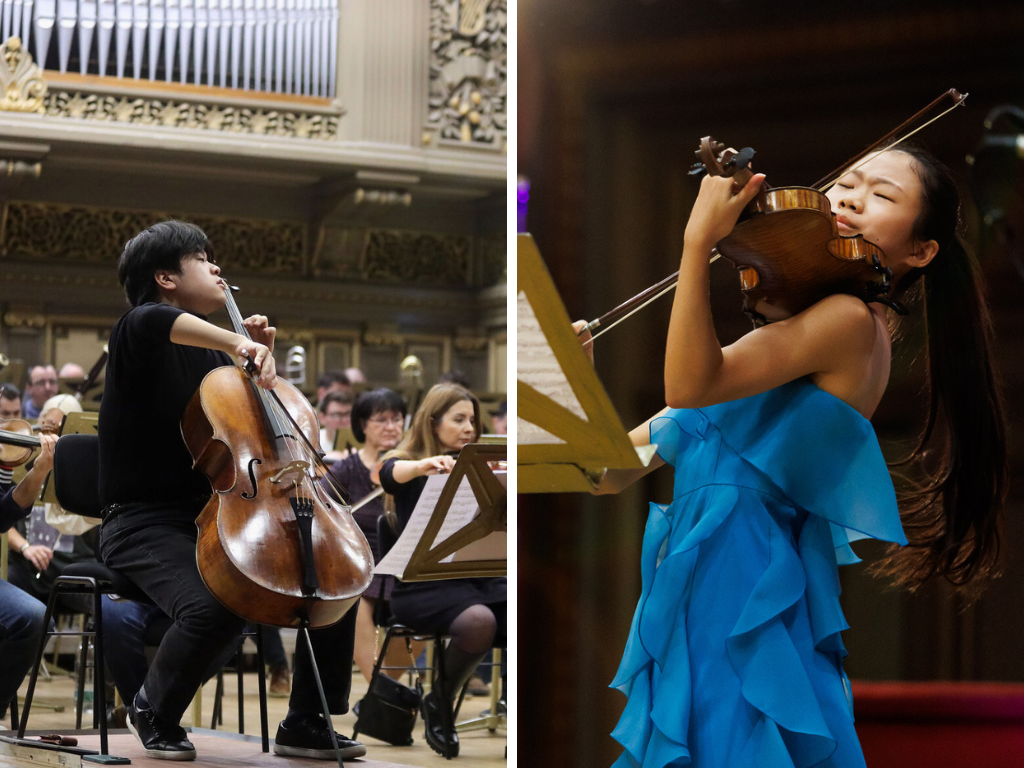
Her connection with Romania continued beyond the competition. In 2025, she returned to perform at the Romanian Athenaeum alongside Renaud Capuçon and the Orchestre de Chambre de Lausanne, a significant milestone that reflects the long-term opportunities associated with the Enescu Competition. Still at the beginning of her career, she is already building a strong international presence through solo recitals and collaborations, while preparing for future competitions.
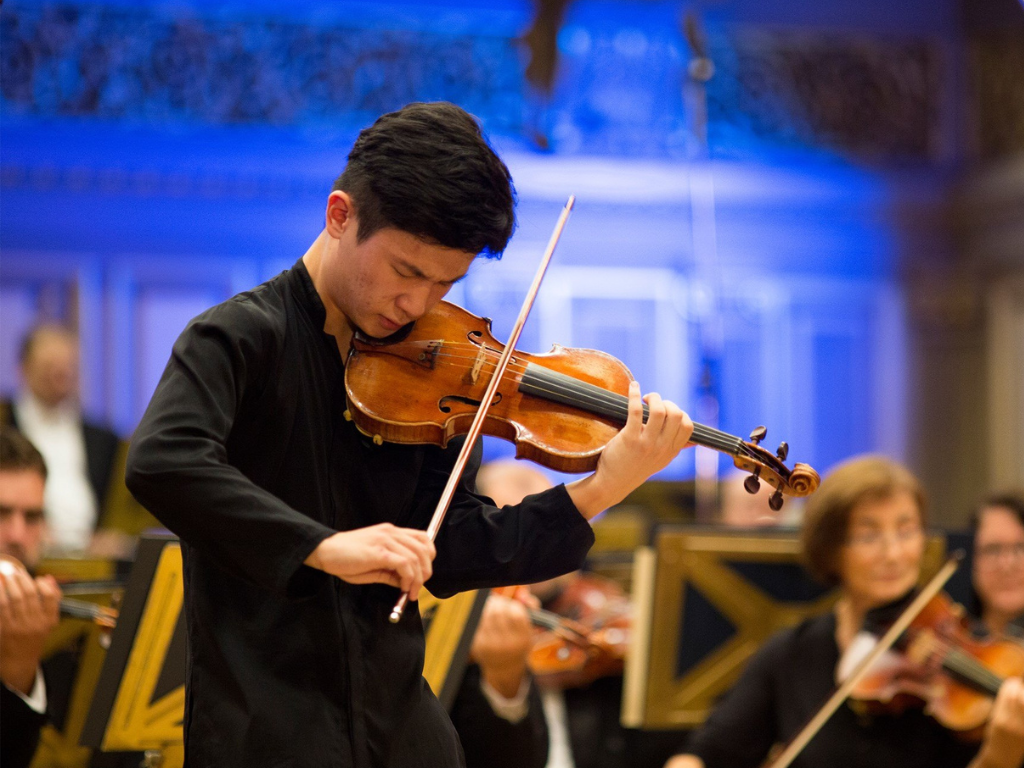
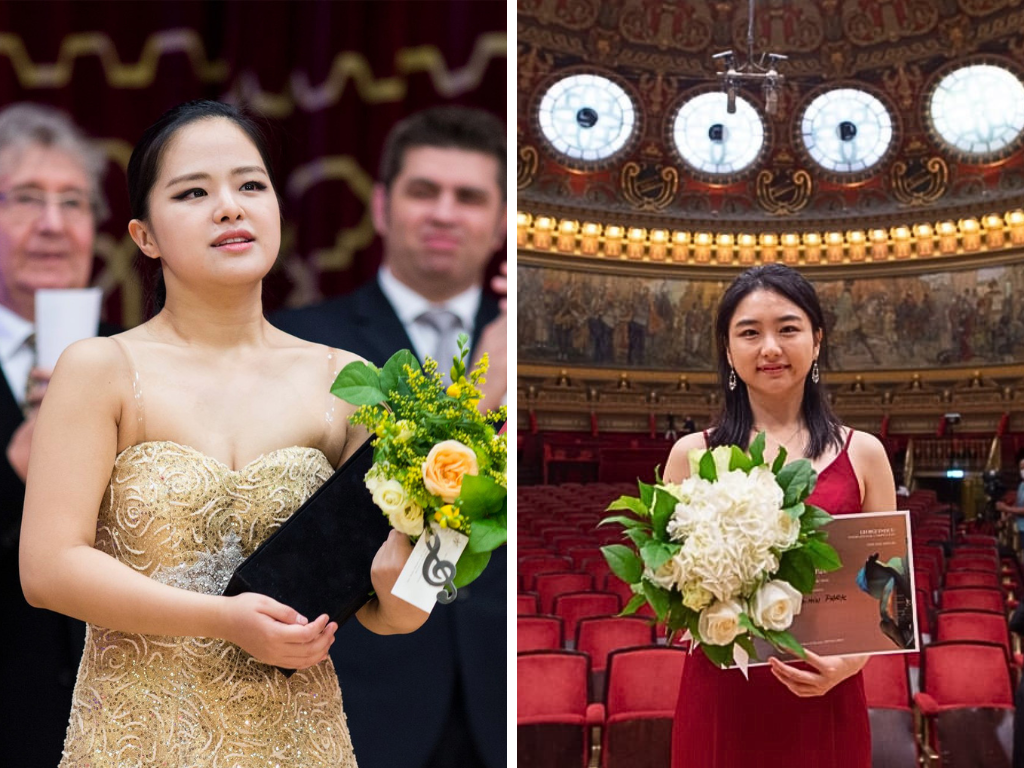
This visibility is not limited to a few individual cases. Korean musicians have consistently ranked among the top laureates of the competition across multiple editions and disciplines. Violinists such as Kim Gyehee and Wee Jaewon, pianist Park Yeon-min, and cellist Hong Eun-sun are among those who have reached the podium over the years, reflecting a sustained and visible connection between Korea’s classical music scene and the Bucharest-based competition.
What distinguishes the Enescu Competition is its broader artistic framework. Established in 1958 and held every two years, it combines a strong focus on classical repertoire with the works of George Enescu, while maintaining standards aligned with the world’s leading music competitions. Over time, it has evolved into more than a traditional contest, positioning itself as a cultural platform that connects generations of musicians and promotes both interpretation and creativity within an international context.
Beyond the competitive structure, the event integrates masterclasses, mentorship, and artistic dialogue, creating a space for continuous learning alongside performance. Under the artistic direction of Cristian Măcelaru, young musicians benefit not only from evaluation, but also from guidance and professional development in a collaborative environment. This approach encourages exchange between participants and established artists, offering insights into both artistic practice and the demands of performing on international stages.
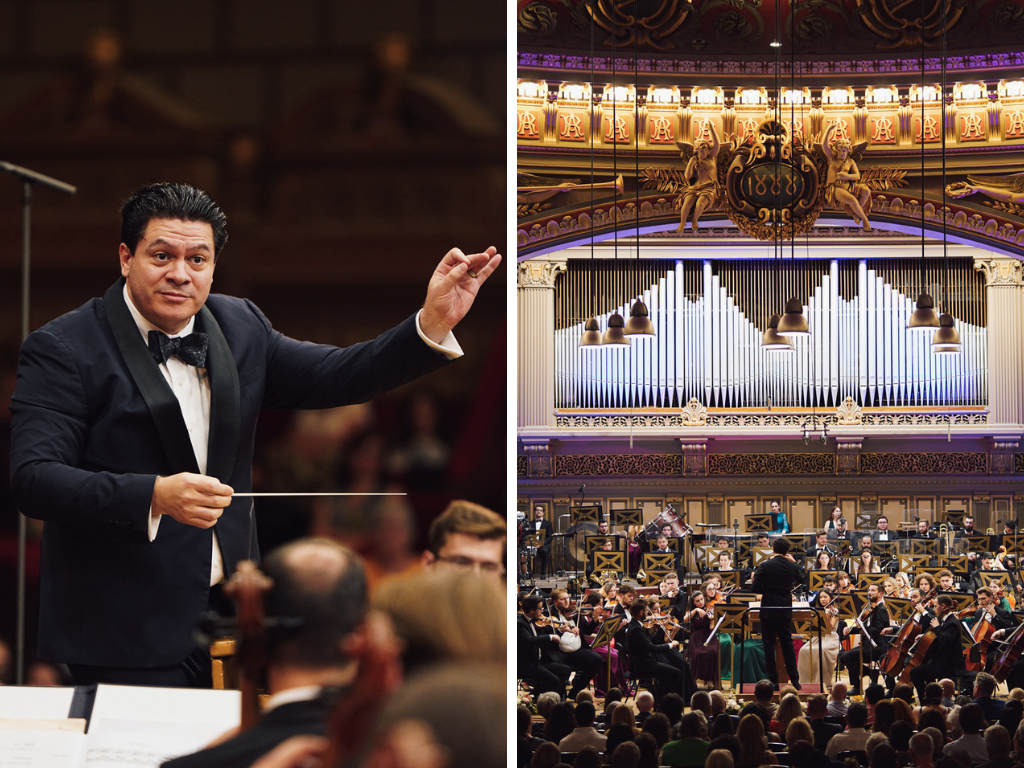
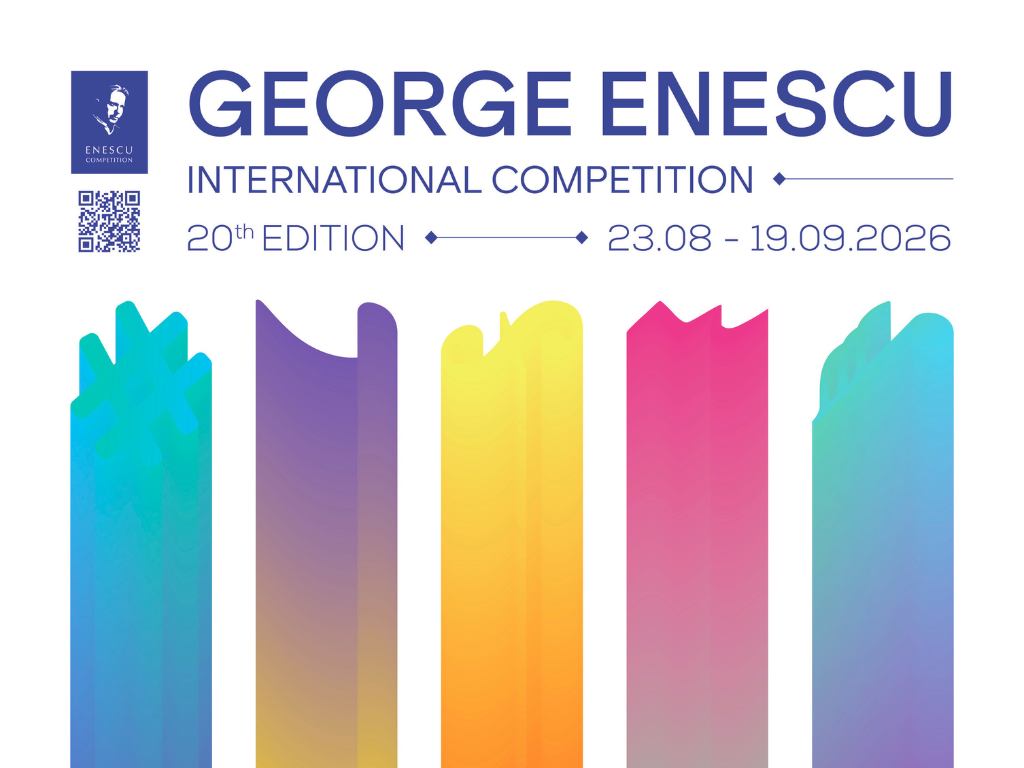
The 20th edition of the competition will take place in Bucharest between August 23 and September 19, 2026, under the theme “In Pursuit of Excellence.” The program will bring together young musicians from around the world across four sections — composition, cello, violin, and piano — structured in several stages that gradually narrow the selection to the most promising finalists. The semi-finals and finals will be held at the Romanian Athenaeum, one of the most emblematic concert halls in Romania, offering participants the experience of performing in a prestigious and historically significant setting.
With a total prize fund of approximately €150,000, the competition offers both financial recognition and continued artistic exposure through performances and collaborations. Laureates are invited to take part in future editions of the George Enescu International Festival, as well as in concert seasons organized by leading orchestras in Romania. Applications are open until May 10 for the instrumental sections and June 30 for composition, addressing young musicians who aim to further refine their artistic path and gain visibility within the international classical music scene.
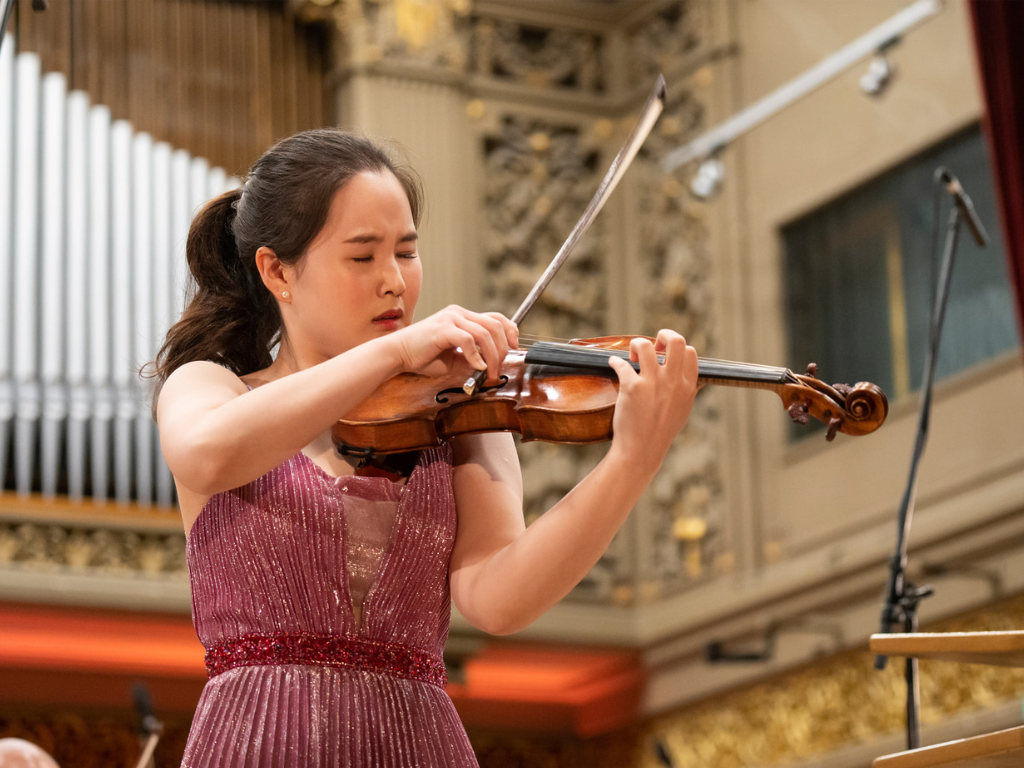
As Korean artists continue to participate and achieve strong results, the Enescu Competition is increasingly perceived as a natural extension of their artistic journey beyond national borders. The experiences of musicians such as Jaemin Han and Hyeonjeong Lee illustrate how recognition in Bucharest can become part of a broader international trajectory, marked by performances, collaborations, and continued artistic growth. In this evolving context, the competition also extends a clear invitation to young Korean musicians to take part in its upcoming edition and engage with a stage that has already proven meaningful for many of their peers.
In this context, the 2026 edition does more than mark a new chapter in the competition’s history. It reinforces an already established connection between Korea and the European classical music scene, positioning Bucharest as a meeting point for emerging talent and artistic exchange. By welcoming a new generation of participants, the competition continues to create a space where Korean musicians can explore new repertoires, connect with international audiences, and further develop their artistic voice within a dynamic and globally connected environment.
How about this article?
- Like0
- Support1
- Amazing0
- Sad0
- Curious0
- Insightful0