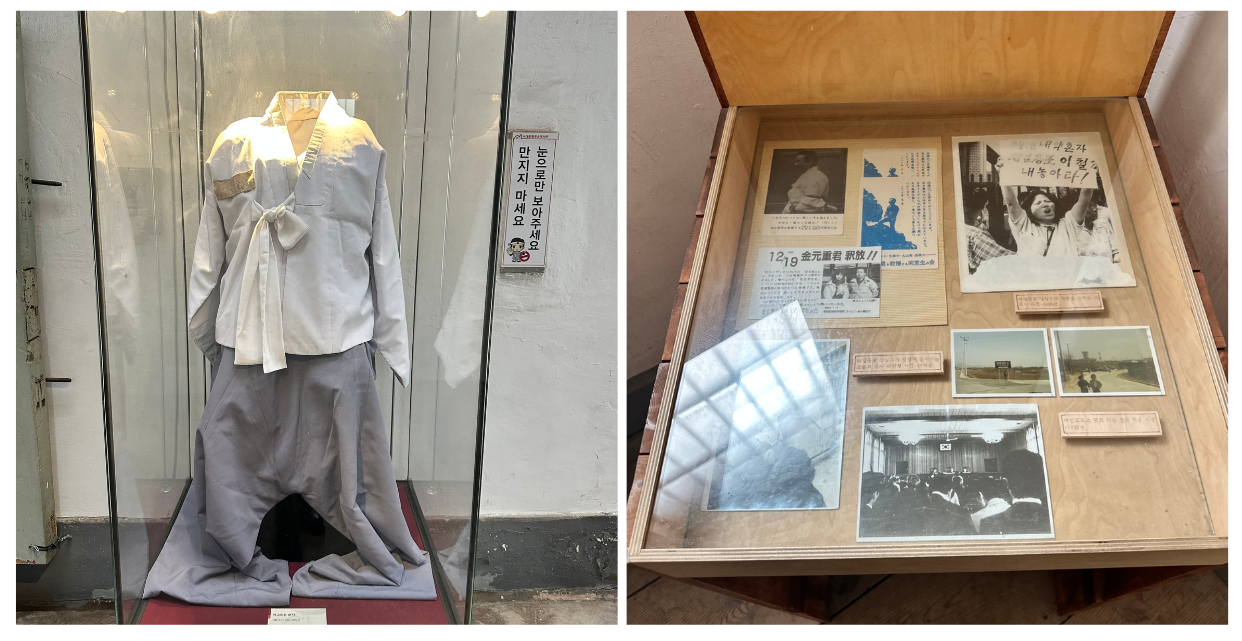
Every year, on the first of March, Korea pauses. Not to celebrate a military triumph, nor to honor a single hero, but to remember something far rarer and more precious: the courage of a people who chose dignity over despair. This is Samiljeol, Sam-il-jeol (삼일절), the national holiday commemorating the March 1st Movement of 1919.
The day a nation found its voice
On that morning, something extraordinary unfolded on the streets of Seoul. At Tapgol Park, a crowd of men, women, elderly and young people gathers in silence. Then, suddenly, the words of the Declaration of Independence ring out through the cold air. And in that moment, something changes forever. A cry rises from the crowd: Dae-han dok-nip man-se! (대한 독립 만세), which means ‘Long live Korean independence!’. It was more than a protest. It was the awakening of an entire people who, despite years of oppression, had never stopped hoping.
The March 1st Movement did not bring immediate independence, yet its legacy proved immeasurable. It united a divided people, brought Korea's struggle to the attention of the world, and lit a flame that no force of oppression could ever put out.
Yoo Kwan-Sun: the young face of a nation that never gives up
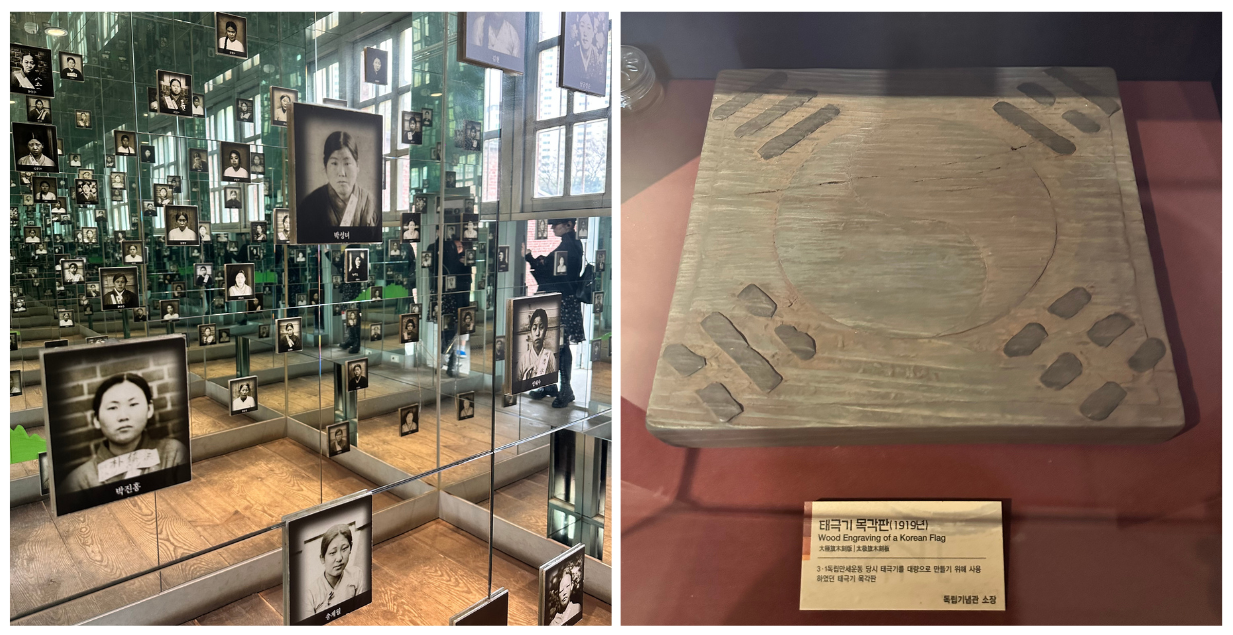
Of all the stories woven into this extraordinary chapter of history, Yoo Kwan-Sun's is perhaps the most heartbreaking and inspiring. She was just 16 years old when colonial authorities shut down her school. Rather than stepping back, she returned to her hometown and organized demonstrations, carrying the spark of independence with her. She was arrested, imprisoned at Seodaemun Prison, and subjected to brutal torture. Yet she never broke. She never stopped believing. Her story has since become a timeless symbol of youth, sacrifice, and an unshakeable love for freedom.
Seodaemun Prison History Hall: where memory never fades
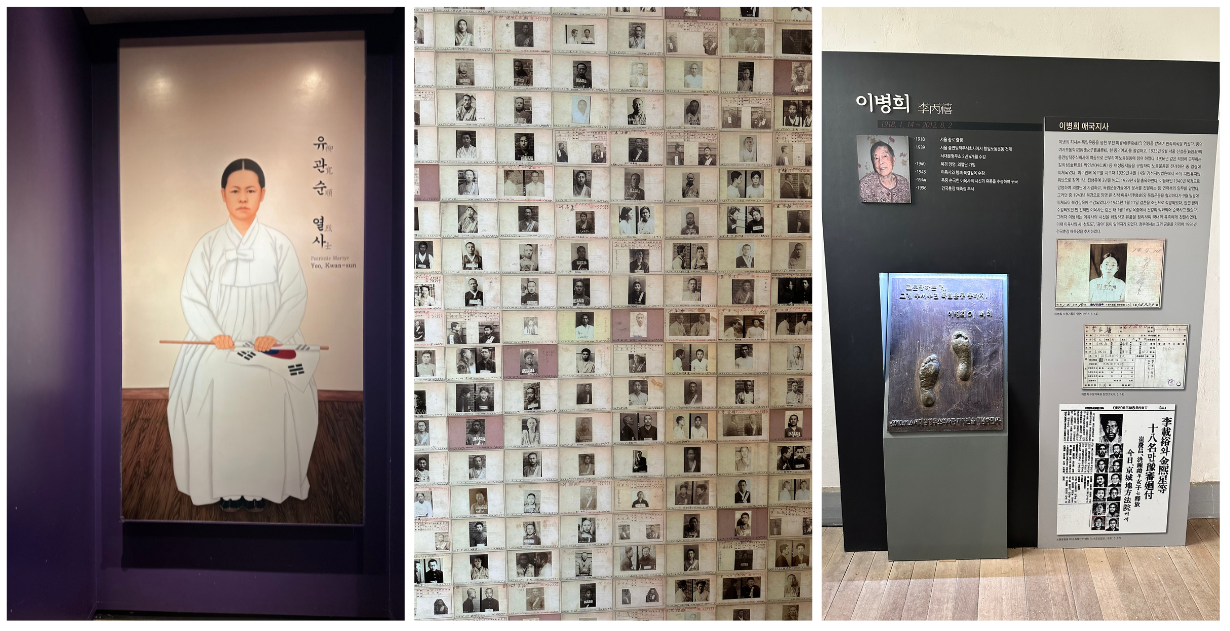
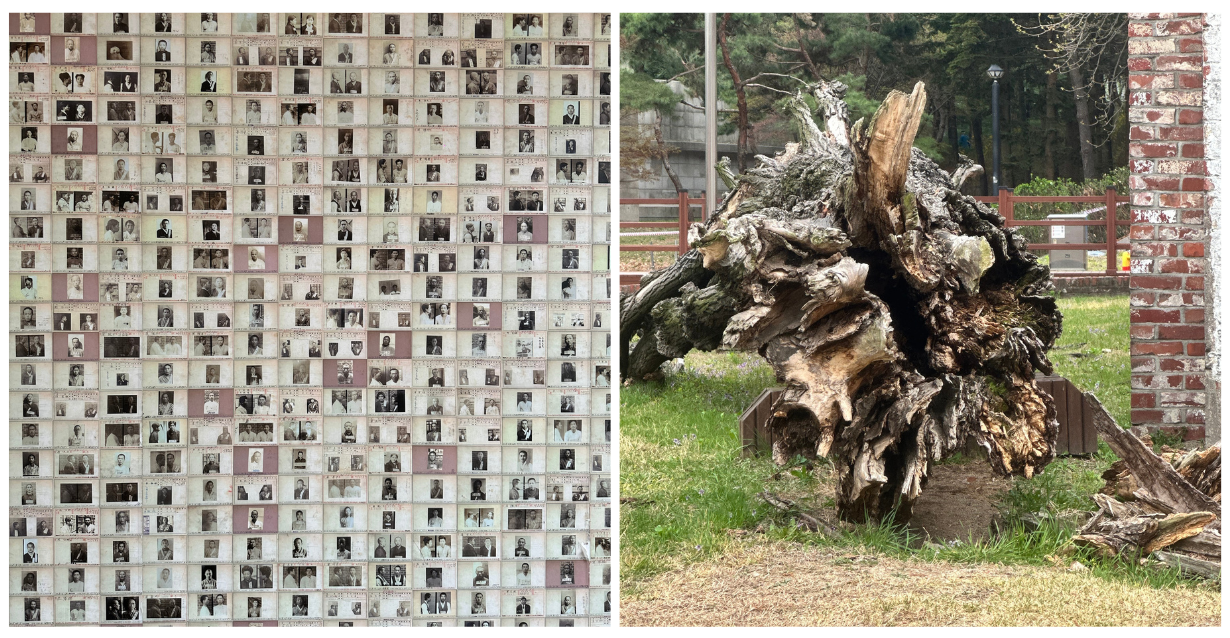
Set within the peaceful grounds of Seodaemun Independence Park, the prison that bears its name now stands as a museum, a keeper of memories from those dark yet profoundly heroic days. An underground prison, a guard tower, a torture chamber, an execution yard, seven cell blocks, and a historical exhibition hall: every corner of this place holds a story of pain, resistance, and hope.
Walking through the gates of Seodaemun feels like stepping back in time. Every corridor, every stone, every shadow seems to carry the breath of those who suffered and fought here. This is not an ordinary visit, it is an experience that stays with you long after you leave, one that quietly asks: could I have been that brave?
A weeping tree, a root that holds
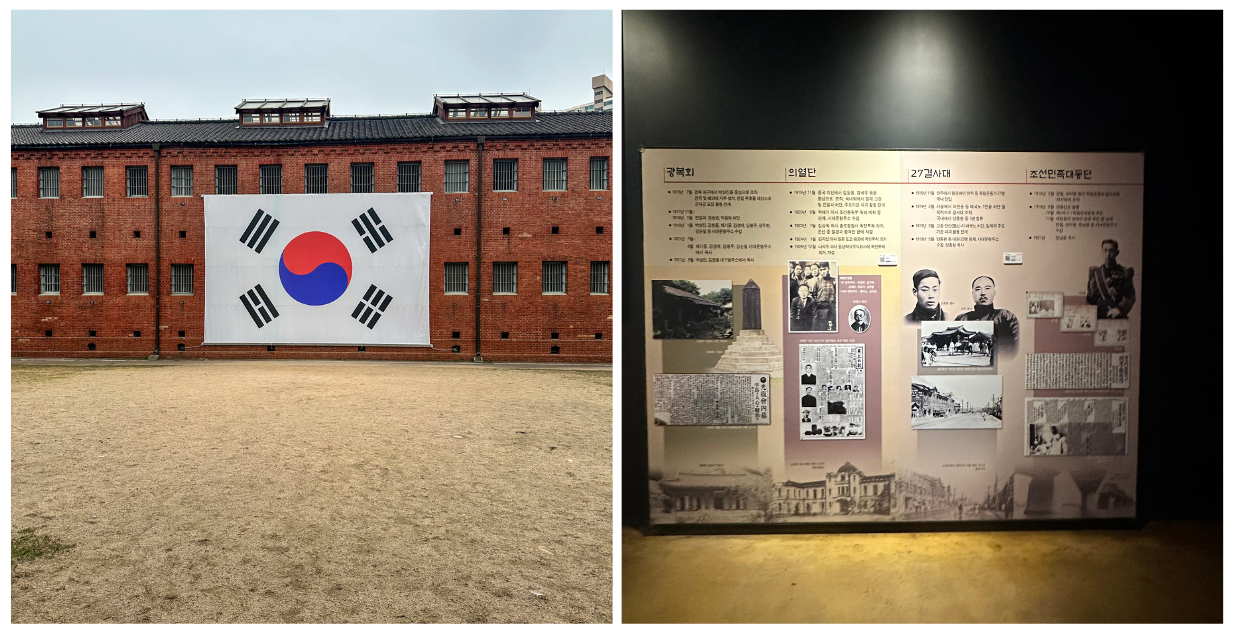
In the prison courtyard stands a silent witness to it all: the Wailing Poplar. For decades, those condemned to death would cling to its trunk and weep, mourning an independence that felt forever out of reach. In September 2020, a powerful typhoon brought the old tree down. Yet from its roots, a young sapling had already begun to grow, much like the Korean people themselves, who have faced countless hardships and risen every single time.
To remember is to love
More than a century after that first day of March 1919, Samiljeol is far more than a public holiday. It is a collective act of memory, gratitude, and responsibility. It is the moment when an entire nation stops to honor the men and women whose sacrifices made today possible.
Visit Seodaemun Prison. Walk those corridors. Let those stories find their way into your heart. Because remembering is the most beautiful gift we can offer to those who never stopped hoping.
How about this article?
- Like0
- Support0
- Amazing0
- Sad0
- Curious0
- Insightful0