The 2026 Winter Olympics return to Italy twenty years after Turin 2006 and are hosted by Milano and Cortina d'Ampezzo, two very different places but united by a long sporting tradition. This edition is described as “widespread” because the competitions are not held in a single city but are spread across various locations in northern Italy. This is a deliberate choice: to reuse existing facilities, such as those in Cortina d'Ampezzo, to avoid new construction and protect the Italian mountain landscape.
Cortina d'Ampezzo is no stranger to the Games. In 1956, it hosted its first Winter Olympics, an event that left a deep mark on the history of Italian sport. It was the first edition to be broadcast on television and helped to make the Dolomites known throughout the world. On that occasion, Italy also won its first Olympic medal in winter sports, thanks to Giulio Nascimbene's bronze in speed skating. The Olympic Ice Stadium and the Eugenio Monti bobsleigh track, symbols of that era, are still iconic places today that bear witness to the city's long sporting tradition. Milano Cortina 2026 aims to recapture that spirit: elegance, respect for the territory and enhancement of historical structures.
To welcome athletes from all over the world, a modern and functional Olympic Village has been built, where athletes can rest and enjoy Italian cuisine, recently recognised as a UNESCO World Heritage. It is a way for athletes to experience not only the competition, but also the culture and hospitality of our country.
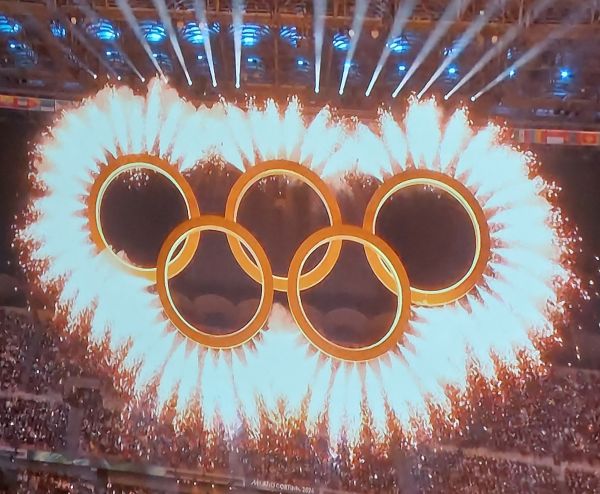
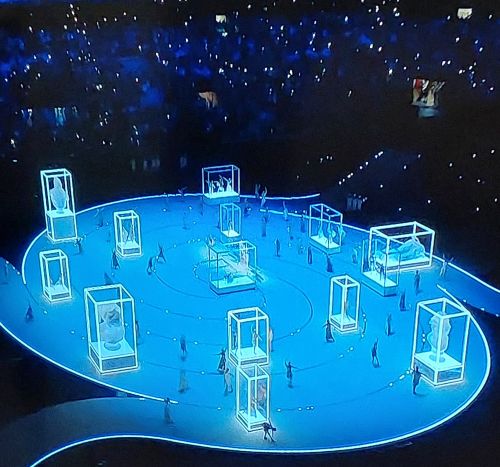
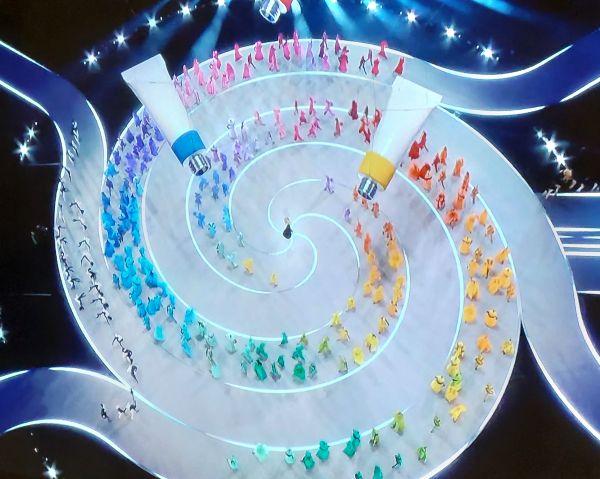
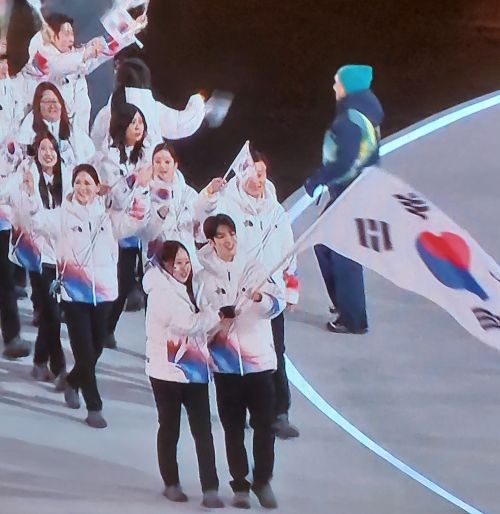
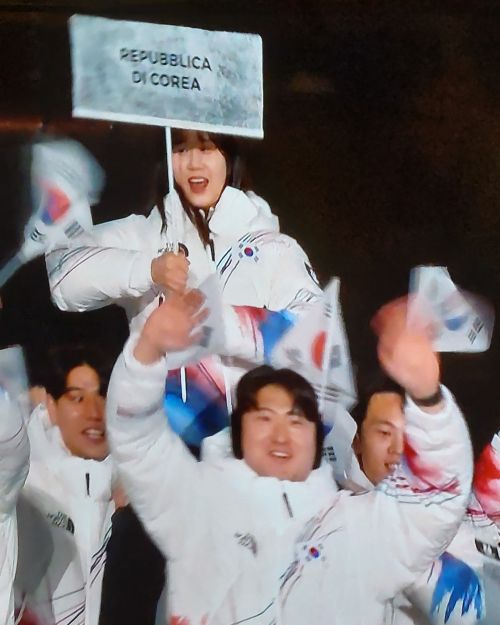
The opening ceremony took place in Milano, in the historic San Siro stadium, famous for concerts and football matches. The show, watched by millions of people, celebrated Italian creativity through art, music and fashion, with a central theme dedicated to Harmony (Armonia). During the parade of delegations, Korea presented 71 athletes, 36 men and 35 women, competing in 12 sports. The flag bearers were Cha Jun Hwan, figure skater, and Park Ji Woo, short track athlete.
The Korean presence at the Games was not limited to athletes. During the Olympic torch relay, one of the most exciting moments was the arrival in Milan of singer Sunghoon, a member of the K-pop group ENHYPEN and former figure skater. Sunghoon carried the torch between two wings of the crowd, symbolically uniting his sporting past with his current artistic career. His participation as a torchbearer perfectly represented the link between sport and Korean pop culture, showing how the Olympics are also an opportunity to celebrate different identities and talents. Sunghoon visited Korea House (Casa Corea) and showed enthusiasm for the stands offering a small introduction to Korean culture and products; he also watched Cha Jun-hwan's competition with interest, given his past as a figure skater.
Korea has a special relationship with the Olympics, having hosted a very important editions. In 1988, the Seoul Summer Games marked a historic moment: they were among the first Olympics without major boycotts after years of international tensions and helped to raise awareness of Korea as a modern and dynamic nation.
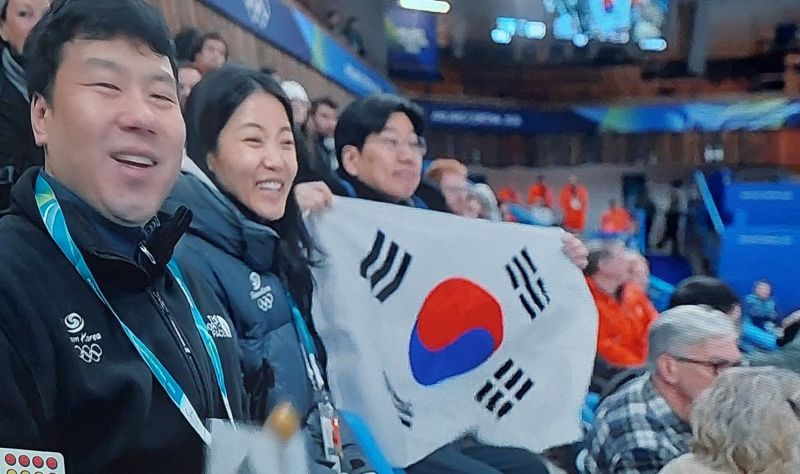
During Milano Cortina 2026, Korea has set up Korea House (Casa Korea) in Milano, an immersive space designed to introduce visitors to its culture. Here, you can try traditional games, wear hanbok, watch K-pop performances and taste typical Korean dishes. There are also stands dedicated to the National Museum of Korea with some products inspired by Korean tradition and history and K-beauty, where you can discover iconic Korean cosmetic products. It is a meeting place for fans, athletes' families and curious visitors, allowing them to experience a piece of Korea in the heart of Milano.
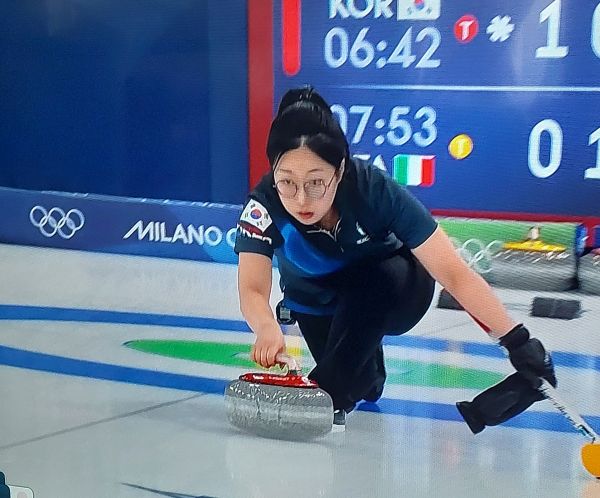
My sister Donatella and I followed the competitions involving Korean athletes with interest, admiring their determination and skill. From the grace of figure skating to the skills of snowboarding to the patience of curling, they demonstrated great technical preparation competing against athletes from around the world. We also appreciated figure skater Cha Jun Hwan's decision to use music by Italian composer Ezio Bosso in his programme during the Olympic Games. As Italians, our hearts as fans are divided between Korea and Italy, but we will be happy for their victories and support them in their defeats. We hope to see some Korean athletes when we visit Korea House in Milano and have fun at the Korean stands.
Info and credits:
Team Korea
MIlano Cortina Winter Olympics 2026
How about this article?
- Like4
- Support0
- Amazing0
- Sad0
- Curious0
- Insightful0