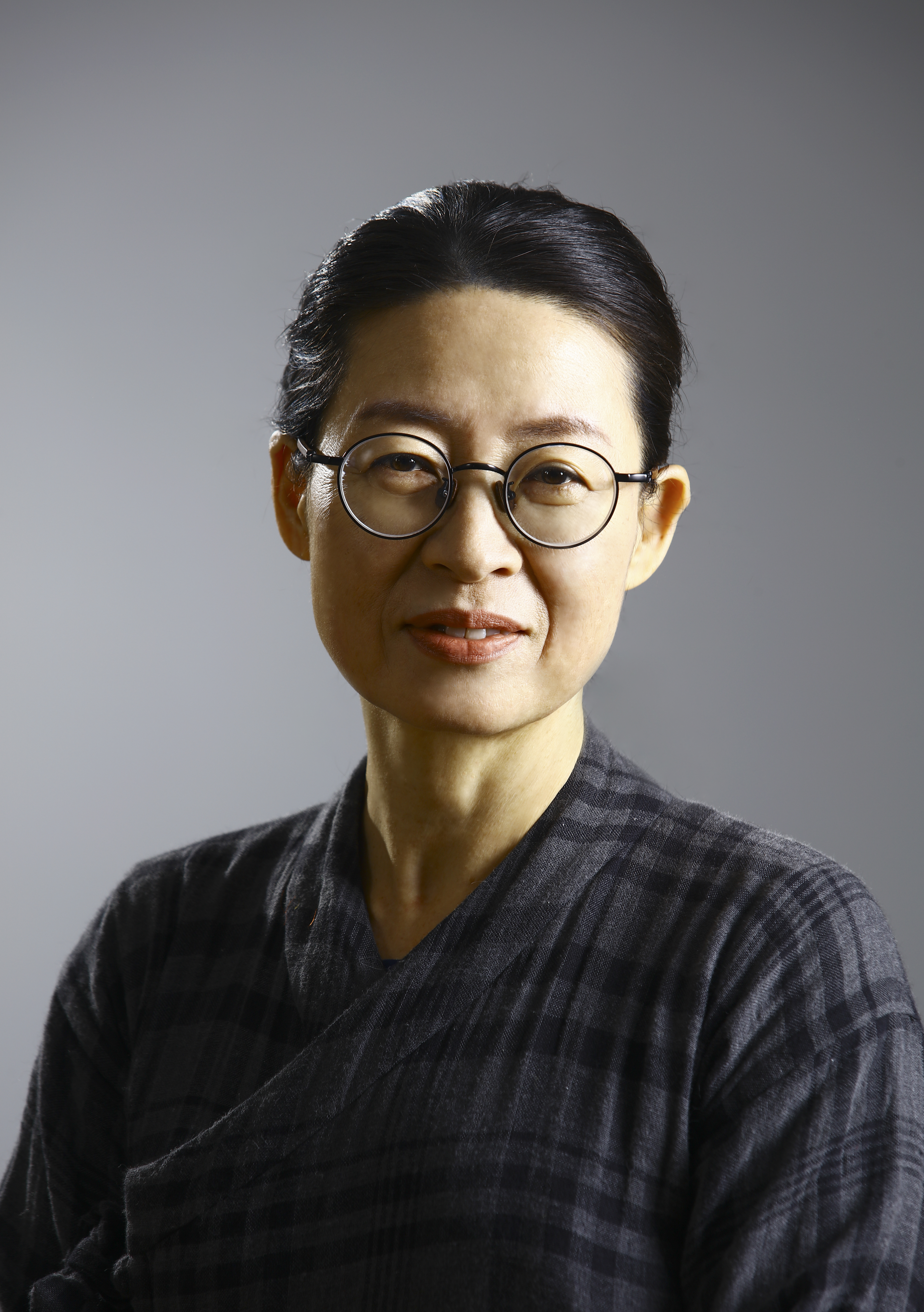
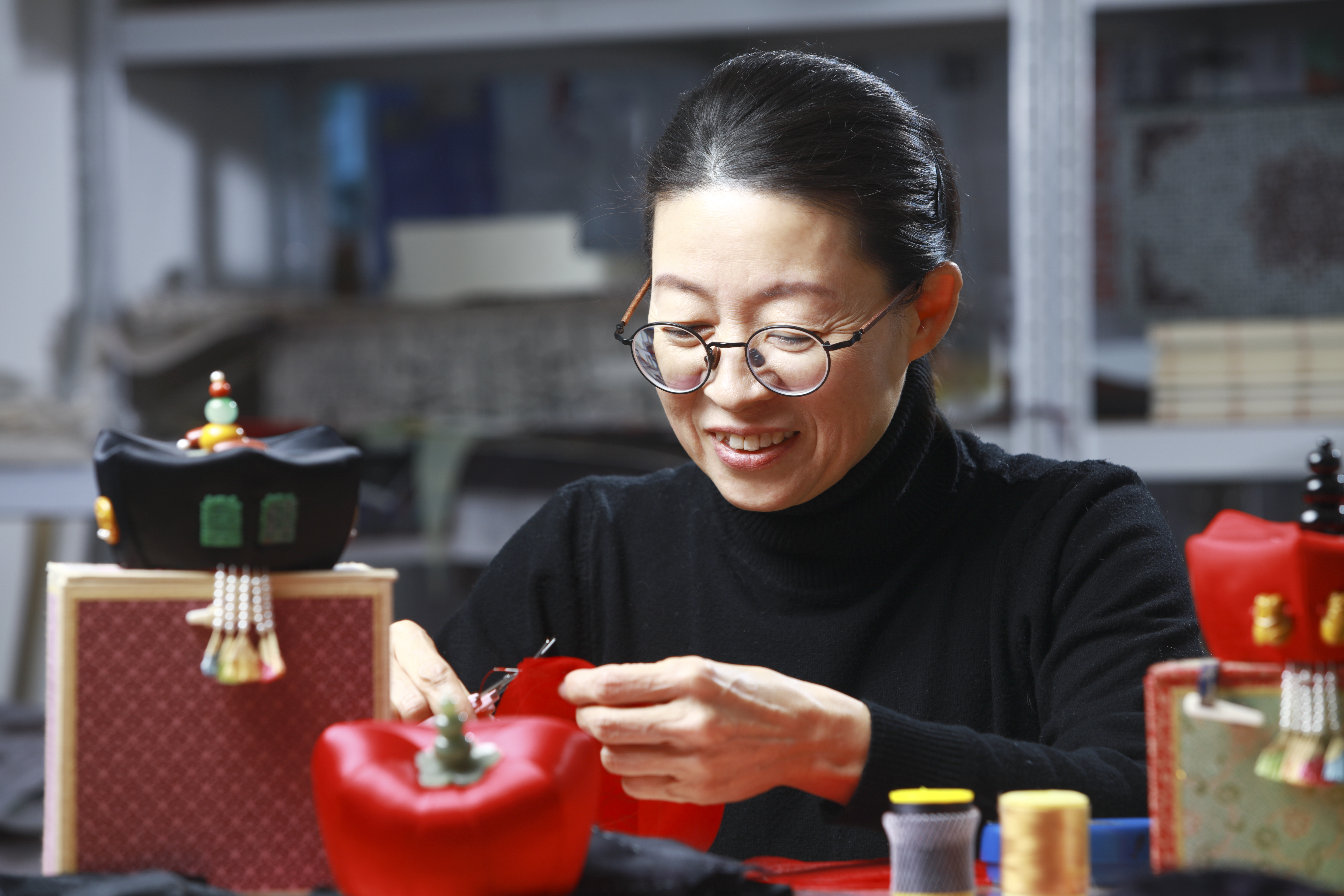
Ji-yeon Lim is a Korean artist who crafts traditional artifacts with contemporary significance. She works primarily with hanji, especially jumchi hanji, jiseung craft, traditional boxes, and jokduri (ceremonial headwear). When Lim sees traditional crafts, she does not view them as lifeless remnants of the past. She considers them to be living forms. Furthermore, these forms are quiet vessels of time, labour, and humanity. By repeating processes of felting, twisting, and binding paper, her work reveals an ongoing dialogue of material memory with contemporary life.
In recent years, Lim has achieved a sustained and research-driven practice, having conducted four solo exhibitions at Unhyeongung Palace in Seoul and participated in numerous curated and group exhibitions in Korea. Various works of hers have been exhibited at Jeonju Craft Exhibition Centre, Hyeonchungsa (Admiral Yi Sun-sin Historic House), and Bukchon 365 LAB, a cultural exhibition and research space in Seoul. Over five years from 2021 to 2025, her production melds craft with contemporary interpretation.
Lim believes that rather than keeping a tradition alive, the tradition should be understood more than just for preservation. She uses the Lim Ji-yeon Traditional Craft Research Studio to cast craft as making and thinking as the same, that researches, observes and does things slowly as creative acts. Lim’s proposals suggest how traditional Korean crafts can coexist and remain relevant today if we strike the right balance between what needs to be preserved and what deserves to be changed.
Below are the excerpts from an email interview conducted between January 14 and January 24.
1 . Could you please introduce yourself and your craft practice to our readers?
My name is Ji-yeon Lim, and I am a traditional craft artist working primarily with hanji through techniques such as jumchi, jiseung,mangsu, traditional boxes, and Korean headpieces, including jokduri. Rather than reproducing traditional techniques as they are, my work begins with translating the time, lives, and attitudes embedded within these crafts into a language that can be felt today. In particular, when working with headpieces, I see them not as decorative objects, but as quiet spaces where a person’s life, time, and unspoken resolve can briefly rest. Through the repetitive acts of felting, twisting, and binding hanji, I have come to believe that traditional craft still has the capacity to converse with contemporary life.
2. What drew you to traditional Korean craft, and how did you first start making it?
It is difficult to point to a single moment that led me to traditional Korean craft. Rather than a deliberate choice, it felt like something that had quietly remained beside me over time. Making things by hand was always close to my life, carrying within it traces of labor, time, and human warmth. As I studied traditional crafts more deeply, I became increasingly drawn to questions beyond technique—why these methods existed, and what kinds of lives required such repetition. Those questions continue to shape my work today.
3. Traditional Crafts are often seen as objects of the past. In today's modern world, how do you feel about practising traditional crafts while also preserving cultural heritage?
Traditional crafts are often viewed as belonging to the past, but I see tradition as a language that must be continually reinterpreted and kept alive. Preserving tradition does not mean endlessly repeating the same forms; it means allowing its underlying values and ways of thinking to function within contemporary life. My work exists in the careful balance between what must remain unchanged and what must evolve.
4. You work with a wide range of traditional crafts. Which ones are your favourites to work on, and what makes them especially close to your heart?
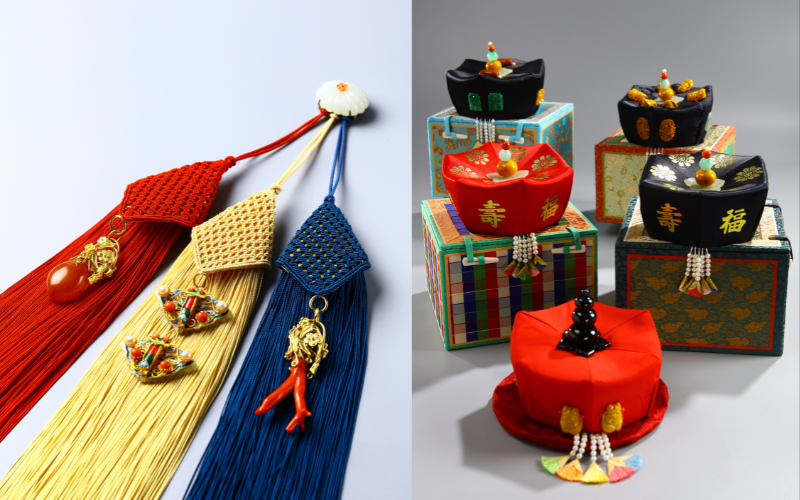
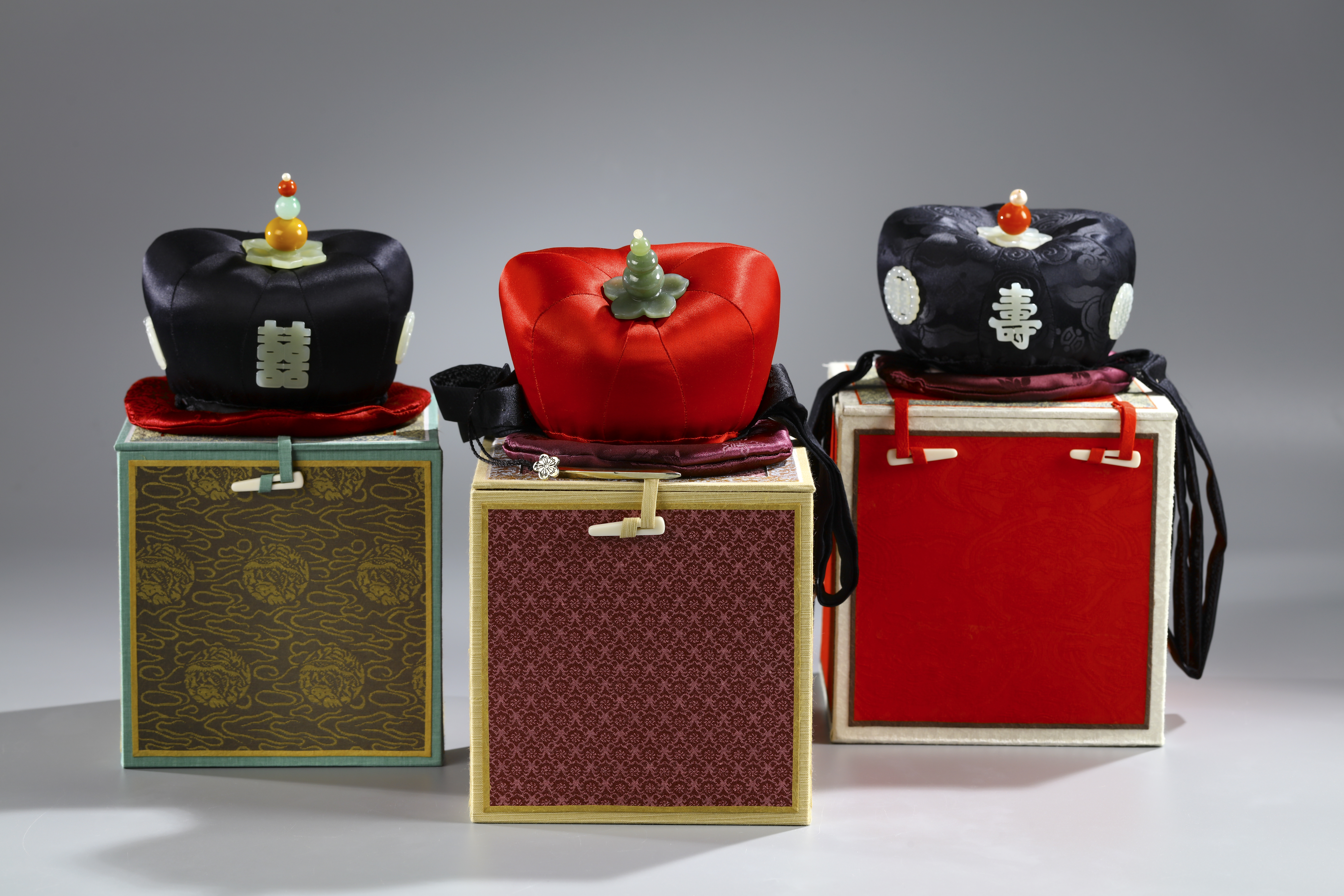
Among the various crafts I work with, I feel the strongest connection to pieces that combine jokduri with jiseung and jumchi techniques. The jokduri carries layered meanings related to women’s lives, rituals, and social roles, while jiseung and jumchi transform fragile paper into structures capable of enduring time. For me, these works are both sculptural and narrative, material and memory. That is why they sit at the heart of my practice.
5. Can you briefly walk us through your creative process?
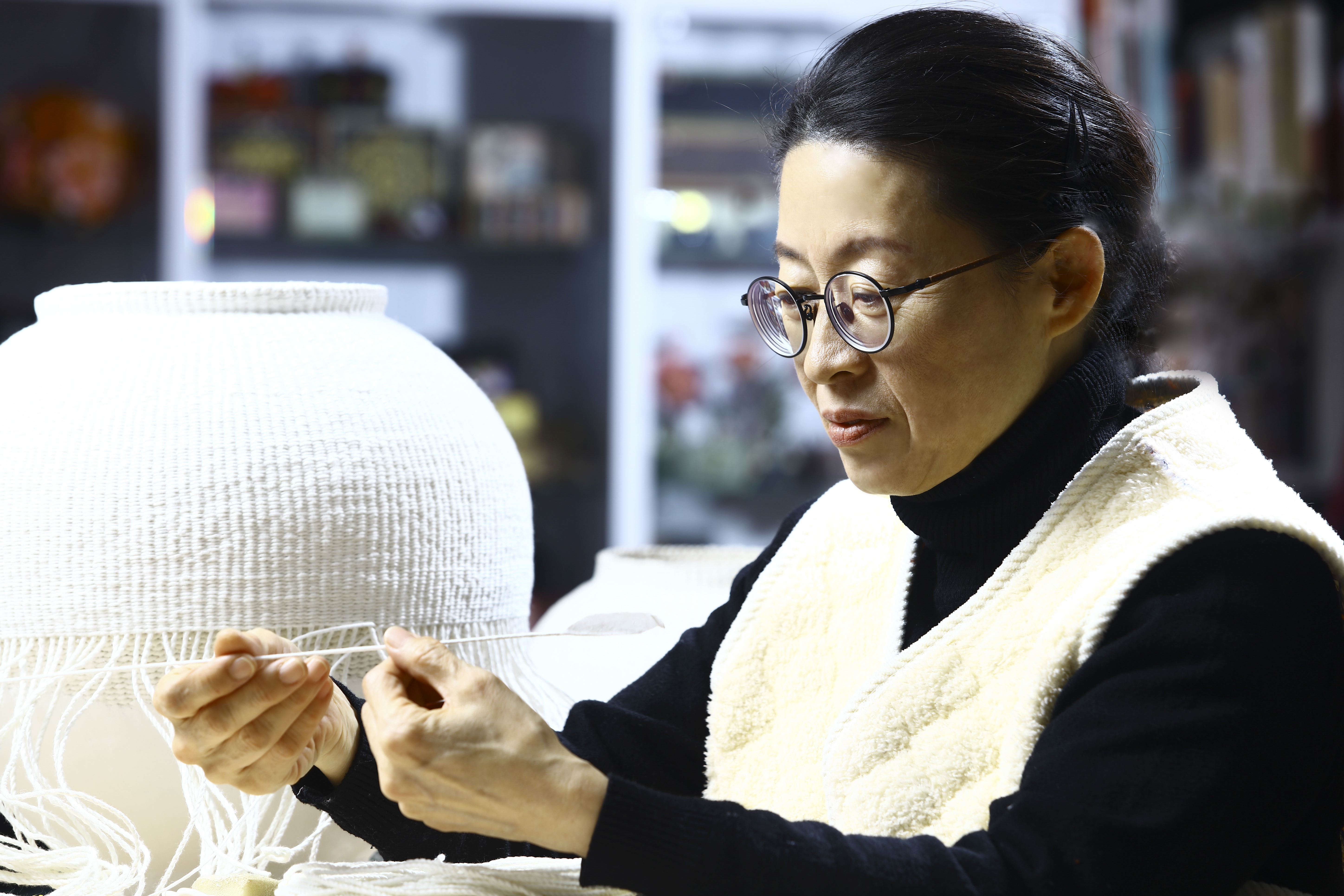
My creative process always begins with research and observation—studying texts, looking closely at artifacts, and understanding their structures before working with my hands. Yet hanji often resists full control, requiring openness to chance alongside intention. Rather than rushing toward a result, I allow the process to speak in its own time.
6. You also run the Lim Ji-yeon Traditional Craft Research Studio. What inspired you to create a research space, and how do you think a research space influences your creative process?
The Lim Ji-yeon Traditional Craft Research Studio was created as a space for accumulating questions, not merely producing objects. I wanted a place where craft could extend into thinking, researching, and reflecting. This environment has given me the courage to slow down and build a long-term artistic vision.
7. From your perspective, what are the biggest challenges traditional craft artists in Korea face today?
One of the greatest challenges for traditional craft artists today is that Slowness is not easily recognised as a value. Processes that demand time and repetition often struggle to be respected within efficiency-driven systems. Addressing this requires not only individual effort but broader recognition of traditional craft as a field of research and creative practice.
8. How do you picture the future of traditional Korean crafts?
I believe the future of traditional Korean crafts lies in expansion. While techniques remain as roots, they can grow outward through form, concept, and narrative. I hope traditional craft will continue to live as an artistic language capable of responding to the questions of our time.
How about this article?
- Like5
- Support0
- Amazing3
- Sad0
- Curious0
- Insightful0