As Korean dramas resonate with audiences worldwide, their original soundtracks play a crucial role in shaping emotional connection and narrative depth. Beyond dialogue and visuals, music often becomes the medium through which unspoken feelings are conveyed, guiding viewers through moments of longing and reflection.
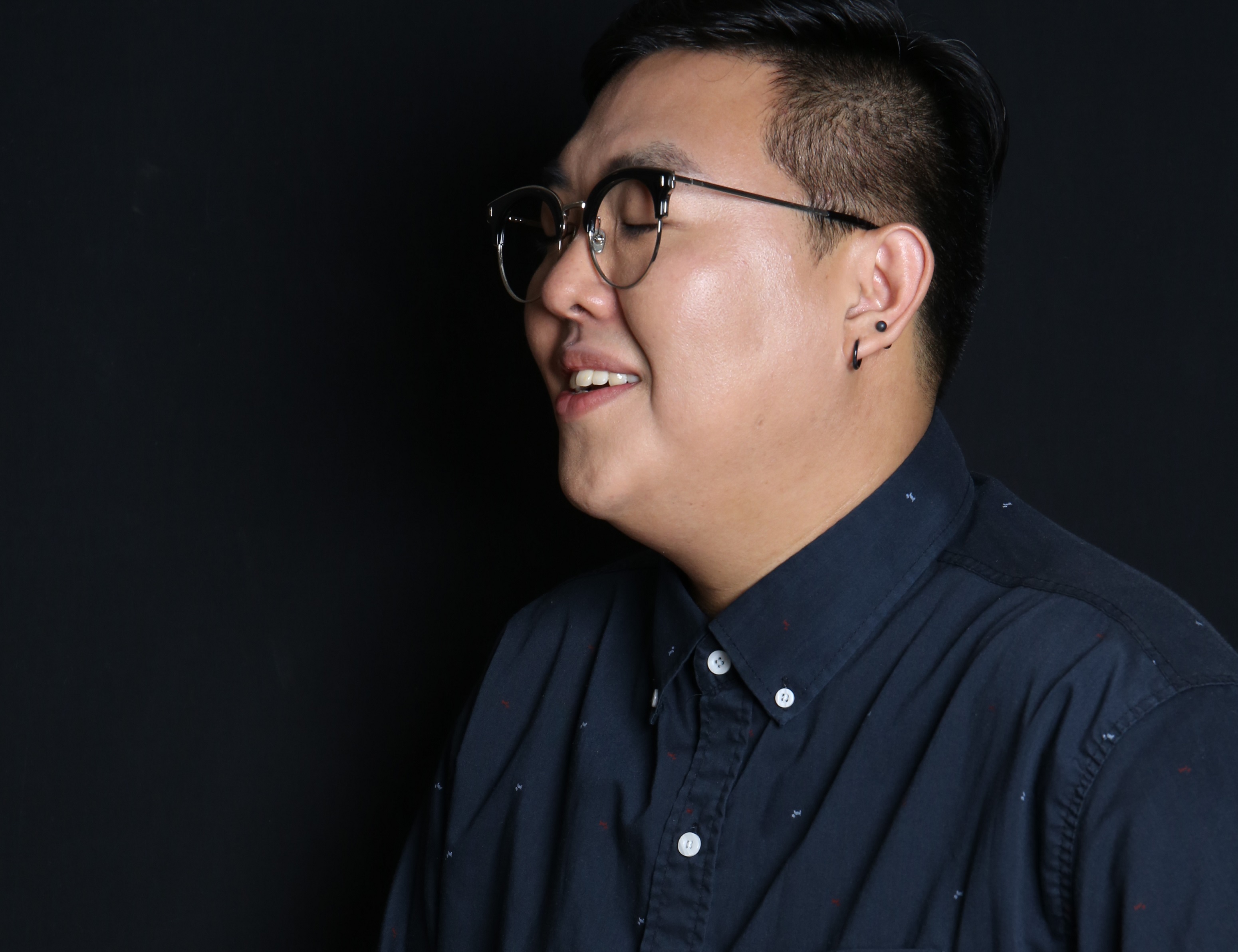
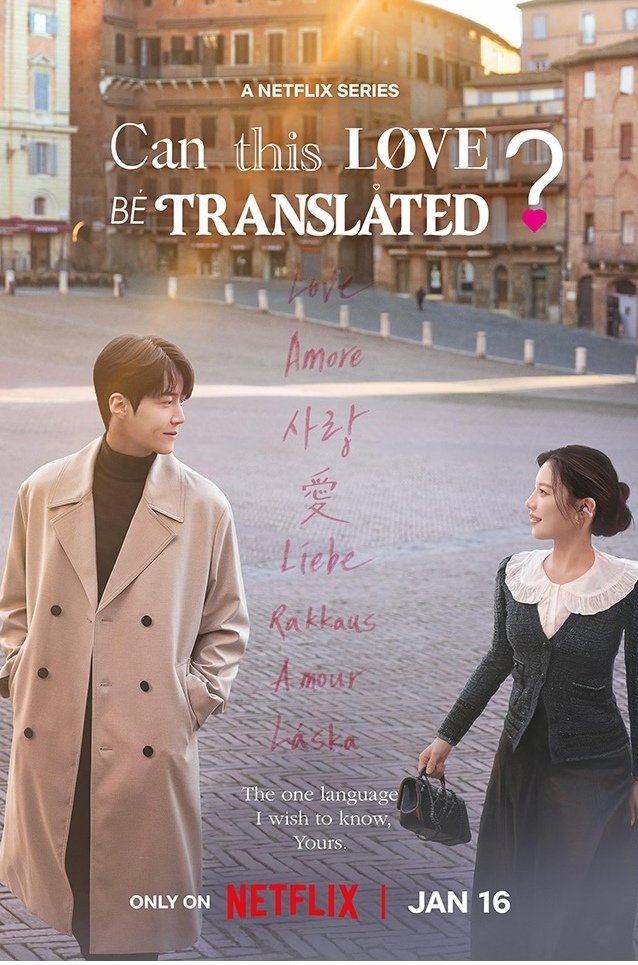
Hodge Kim is a musician whose work supports this emotional architecture. With a background shaped by international musical influences and years of experience performing across diverse spaces in Korea, Hodge has contributed to Korean drams soundtracks with a focus on sincerity and atmosphere. His participation as a vocalist in the Netflix series, ‘Can This Love Be Translated?’ reflects his long-standing interest in storytelling through sounds and his belief that music should serve the story rather than overshadow it.
This interview was conducted to explore Hodge’s artistic journey-from his early musical influences and debut in Korean drama soundtracks to his recent work, ‘Waltz for Moon’ on ‘Can This Love Translated?’-and to better understand how musicians contribute to the emotional language of Korean visual content. Through his reflections, Hodge offers insight into the role of voice, subtlety and emotional awareness in creating music that transcends language and cultural boundaries.
The following are excerpts from an email interview with Hodge on 26 January.
1.Could you please introduce yourself to our readers and share how you first became involved in music?
My name is Hodge, and music has always been an important part of my life. I grew up overseas listening to artists like Radiohead, Pearl Jam, Damien Rice, and other musicians known for their distinctive voices and emotional depth. Inspired by them, my friends and I spent our teenage years jamming and writing songs together. In 2005, I came to Korea for military service, and at the time, I thought my music journey might have come to an end. However, in 2009, I made my official debut through the K-drama Friend, Our Legend, a remake of the hit film Friend. While it did not gain the traction we had hoped for, I continued performing, playing everywhere from local markets and pubs to outdoor stages until around 2016. I later took a hiatus to focus on my career in the gaming industry, although I never stopped writing music. In 2018, I returned to OST work through Miss Hammurabi, which helped reconnect me with music in a meaningful way. Today, music is not my primary profession, but it remains deeply personal to me. These days, I live in the suburbs, quietly writing songs and continuing to create at my own pace.
2.How would you describe your musical style, and what kinds of sounds or themes do you find yourself naturally drawn to as an artist?
When I write music, I tend to favor simple melodies and avoid unnecessary complexity. I once heard someone say, “What is the point of writing a song that no one else can sing?” and that idea stayed with me. I try to write songs that feel approachable and emotionally honest. Rather than sticking to a specific genre, I usually follow mood and atmosphere. I currently have over 100 unreleased songs, and they vary widely in style, which reflects my curiosity and willingness to experiment. At the end of the day, I am drawn to music that feels sincere, memorable, and easy for people to connect with.
3.You contributed to the original soundtrack of the Netflix series ‘Can This Love Be Translated?’ How did you first become involved in the project, and what attracted you to it?
Although I am a songwriter myself, on this project I participated primarily as a vocalist. In many K-drama productions, songs are written by composers and lyricists first, and then artists are chosen based on who best fits the emotional tone of the track. “Waltz for Moon” is actually the second waltz piece I have worked on with the head music producer of the series. They mentioned that my voice pairs well with music that carries a timeless atmosphere, which made this collaboration feel especially natural. I would rarely turn down a project involving film or television. Scoring visual stories has been a childhood dream of mine ever since I fell in love with the scene in Wicker Park set to Coldplay’s “The Scientist.” Being part of a project like this feels like continuing that long held dream.
4.Did working on ‘Can This Love Be Translated?’ influence your perspective as an artist or challenge you creatively in any new ways?
If you listen to the other K-drama OST songs I have sung, you might notice that my vocal tone shifts depending on the track. I make a conscious effort to adapt my voice to the mood and emotional color of each songwriter’s work. One of the things I focus on most is how bright or restrained my tone should be, and I believe that flexibility is one of my strengths. Working on ‘Can This Love Be Translated?’ reinforced the importance of storytelling through voice. Each song asks you to paint a different emotional picture and learning how to convey that without overdoing it is always a creative challenge. For me, the ongoing goal is to make listeners see a scene or feel a moment through sound alone. Practicing how to “draw pictures” with my voice is something that continues to push me artistically.
5.With Korean dramas and their soundtracks reaching international audiences, how do you feel about your music being experienced by listeners from different cultural backgrounds?
It is always an honor, honestly. There is no better way to describe it. Every opportunity to reach listeners from different cultures feels like a gift. If I could, I would gladly shake the hand of every person who takes the time to listen. I am simply grateful that people around the world connect with the songs I write or sing. Knowing that my music can cross language and cultural barriers is both humbling and deeply motivating as an artist.
6.What would you like listeners and viewers to take away from your music, both within ‘Can This Love Be Translated?’?
Honestly, I do not feel the need to stand at the center of attention. In many ways, I am happiest being in the background. There are creators, actors, and stories that deserve to shine, and I see my role as supporting and elevating their work. If someone listens to my music from ‘Can This Love Be Translated?’ and it reminds them of their favorite scene or emotional moment in the drama that is more than enough for me. Helping audiences relive those memories through sound feels like the most meaningful contribution I can make.
Rather than seeking prominence, Hodge positions his voice as a supporting element, one that enhances narrative moments and allows viewers to reconnect with the feelings a scene evokes. Hodge’s perspective offers a meaningful look into the artistry behind Korean drama soundtracks and the musicians who help translate emotion into sound for audiences around the world.
How about this article?
- Like0
- Support0
- Amazing2
- Sad0
- Curious0
- Insightful0