International performers are becoming a visual part of Korea’s entertainment landscape, offering new perspectives on how Korean productions operate and how global talent contributes to the Hallyu phenomenon.
Amanda Au is one such performer. A Malaysian actress based in Seoul, Amanda has spent nearly a decade building her career in Korea after moving from Malaysia to pursue her studies in film and acting. A graduate of Konkuk University’s Film and Acting program, she now works as a freelance actor, model, show host and content creator. Her recent appearance in the Netflix drama ‘Can This Love Be Translated?’ offers insight into what it is like for an international performer to navigate Korean drama productions, from casting and auditions to life on set.
This interview was conducted to better understand the experiences of foreign actors working within Korea’s highly structured and globally influential drama industry. Through Amanda’s reflections, the interview sheds light on cross-cultural collaboration, the challenges international performers face and why Korean dramas continue to resonate so strongly with audiences worldwide.
The following are excerpts from an email interview with Amanda from January 25-26.
1.Could you briefly introduce yourself and your background?
My name is Amanda Au. I was born in 1999 and I’m from Selangor, Malaysia.
I moved to Seoul, Korea, in 2018 to pursue my studies and dreams in film and acting, and this year marks my 9th year living in Korea.I graduated from Konkuk University with a degree in Film & Acting, and I am currently working as a freelance actor, model, show host, and content creator.

2.How did you come to be cast in ‘Can This Love Be Translated?’?
I came across a simple casting notice online for an Asian/Singaporean reporter role. Since I fit the description, I submitted an online audition without expecting much. About two months later, I received the casting confirmation. It was only when I arrived on set that I realized it was a Netflix project, which honestly made the experience even more surreal.
3.As an international performer, how was auditioning for a Korean drama compared to other projects you’ve worked on?
To be honest, it isn’t easy, especially as an East Asian–looking foreign performer. We often fall into a grey area: we are foreigners, but we don’t necessarily “look” foreign compared to locals, yet we’re also not Korean enough to be cast naturally in fully Korean roles. Because of this, opportunities can be quite limited.
However, even after facing hundreds of rejections, I’ve never once thought of giving up. Rejection is simply part of this industry, and I truly appreciate every opportunity I receive, no matter how big or small the role or production may be.
From my experience, auditions for smaller roles like this Singaporean reporter role are usually done online first and sometimes followed by an in-person audition. For larger roles I've done in smaller film projects, the process often involves at least two rounds of face-to-face auditions. As for modelling jobs, most of them are done through online applications, and the casting process tends to be more straightforward.
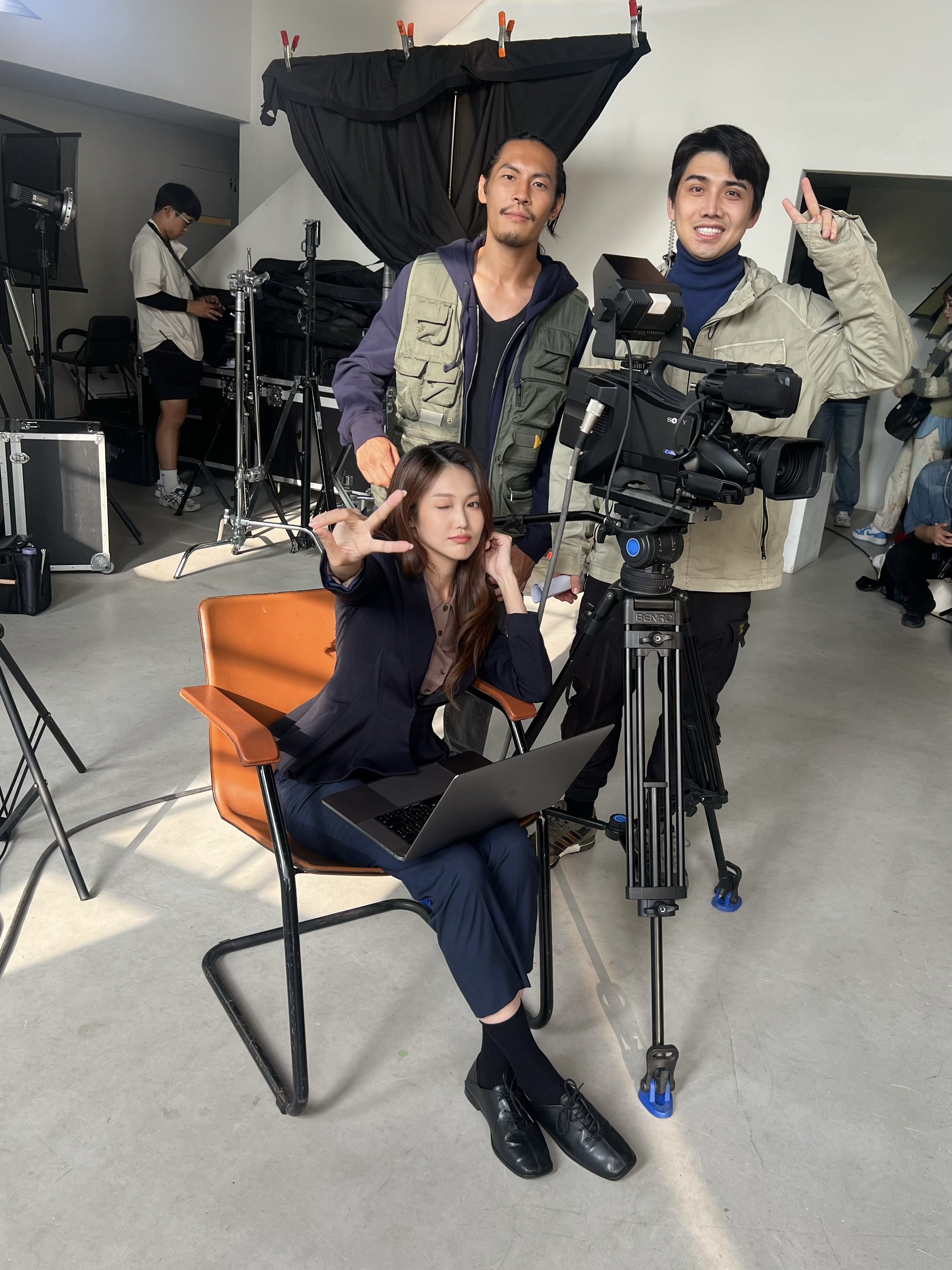
4.How would you describe the overall atmosphere on set, particularly the collaboration between cast and crew?
Compared to other productions I’ve participated in, the crew on this drama was very organized, and instructions were always clear. Once they realized I could speak Korean, communication became much smoother and the atmosphere quickly felt more comfortable.
Overall, the set environment was very positive. I also shared parts of my experience on TikTok, especially my interactions with the main actors, and they were incredibly friendly and easy to talk to. Although the shoot was long, it was eye-opening and genuinely enjoyable.

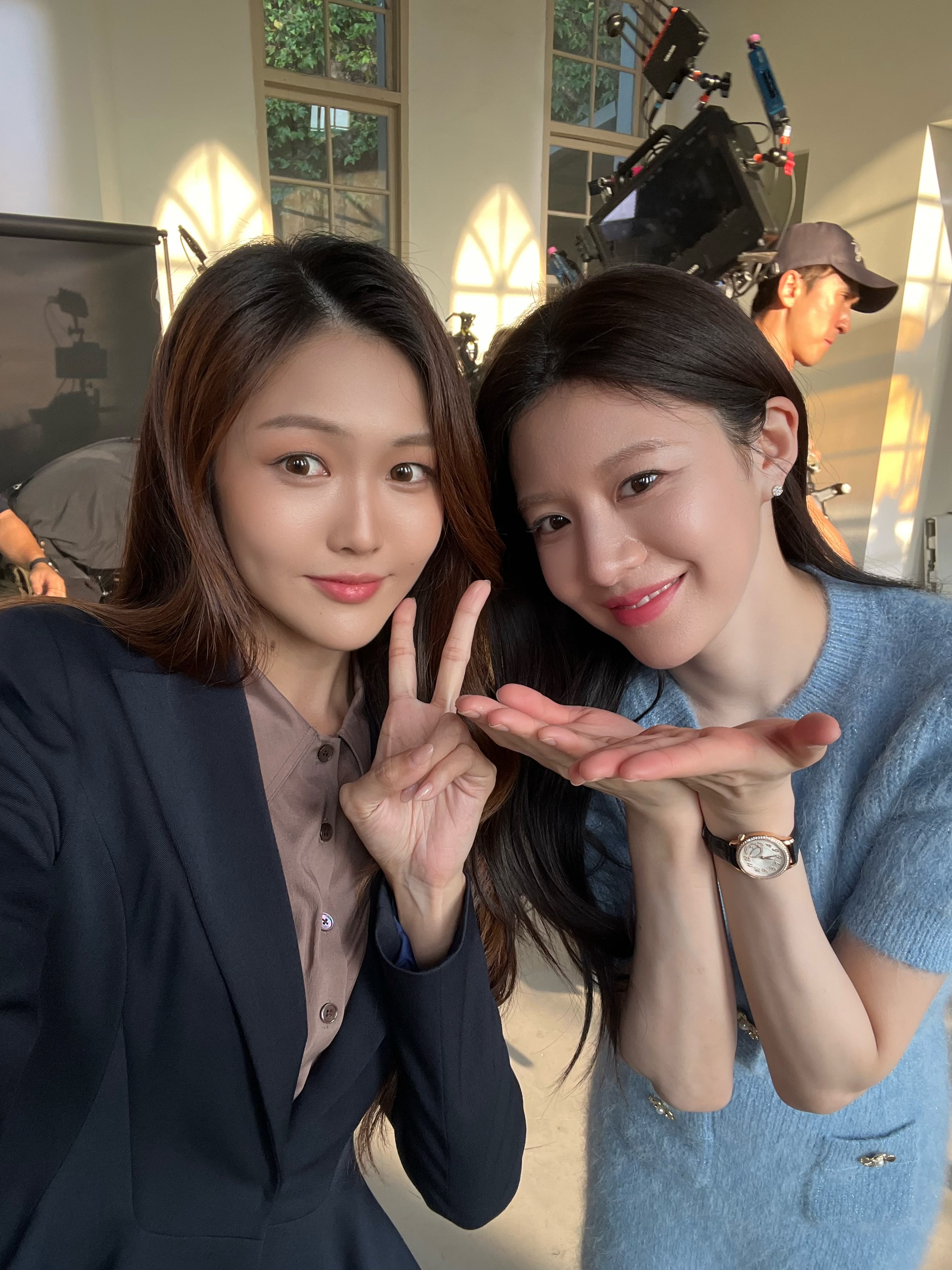
5.What does ‘Can This Love Be Translated?’ represent to you personally?
Over the years, I’ve worked on various projects, including some filmed overseas, but many of them remain in my portfolio rather than being shared publicly, for different reasons.
Although my role in’ Can This Love Be Translated?’ was small, it is undoubtedly the biggest project I’ve been part of so far, as it comes from one of the world’s largest international streaming platforms—Netflix. Being able to act alongside main actors I truly admire, and respect made the experience even more meaningful.
It’s a project I’m genuinely proud of, and one I can confidently say represents me as a Malaysian actress in a Korean drama. I also received far more love and support than I expected for such a small role, for which I’m incredibly grateful. I hope this experience will open more doors for me in the future, no matter how small the opportunities may be.

6.Why do you think Korean dramas continue to resonate so strongly with global audiences?
I personally came to Korea to pursue film and acting because I fell in love with K-dramas and saw immense potential in the Korean film industry.
Korean productions excel in filmmaking, storytelling, and overall production quality.
With the rise of global streaming platforms like Netflix and Disney+, Korean dramas have become far more accessible to international audiences.
Beyond compelling stories, there is also strong attention to visual details, from styling and makeup to cinematography, all which greatly influences viewers.
Additionally, OSTs play a huge role in the success of Korean dramas. Many are performed by popular K-pop artists, and fans of these singers often tune in to watch the dramas as well.
I strongly believe that, just like K-pop, Korean dramas will continue to grow and reach even greater global heights in the future.
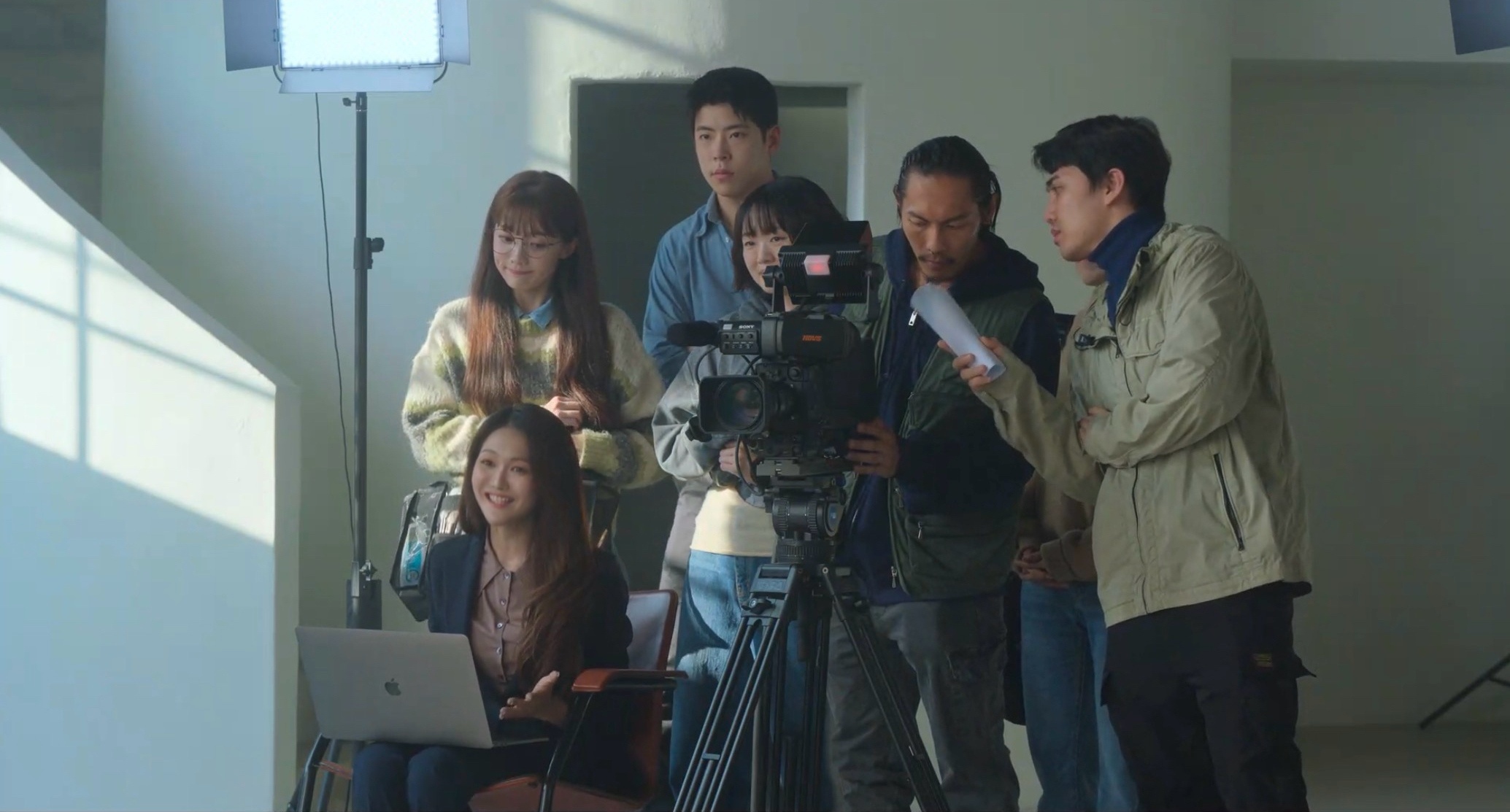
For Amanda, her role in ‘Can This Love Be Translated?’ represents more than a single on-screen appearance. It marks a personal milestone in her journey as a Malaysian actress working in Korea and reflects the gradual expansion of opportunities for international talents with Korean productions. Her story illustrates how Korean storytelling transcends borders, bringing together diverse backgrounds, languages and experiences to create content that resonates far beyond Korea. In doing so, it reinforces the role of Korean dramas as a cultural bridge around the world.
How about this article?
- Like1
- Support1
- Amazing1
- Sad0
- Curious0
- Insightful0