Based in Queens, New York, fashion designer Kevin Park stands at the intersection of heritage and contemporary life. As the founder of aBit NEW YORK, Park explores what it means to live between cultures, drawing from his Korean roots and American upbringing to create modern, handmade clothing inspired by traditional hanbok. His work reflects not only a design philosophy, but a lived experience shaped by mitigation, identity and cultural continuity.
Park’s journey into fashion began at an early age and was later refined through formal training in New York, including his studies at the Fashion Institute of Technology. A pivotal moment came during his first visit to Korea. This experience became the foundation of aBit NEW YORK, a branch launched in December 2021 that reimagines hanbok-inspired elements through the lens of New York’s energy, diversity and modern lifestyle.
In this interview, Park discusses his approach to blending tradition with contemporary fashion, the importance of craftsmanship and natural materials and the balance required to modernize cultural dress while preserving its integrity. His perspective offers insight into how Korean traditional attire continues to evolve beyond national borders, carried forward by a new generation of designers navigating global and multicultural identities.
The following are excerpts with an email interview with Park from January 13 to 19.
1.Please introduce yourself to the readers.
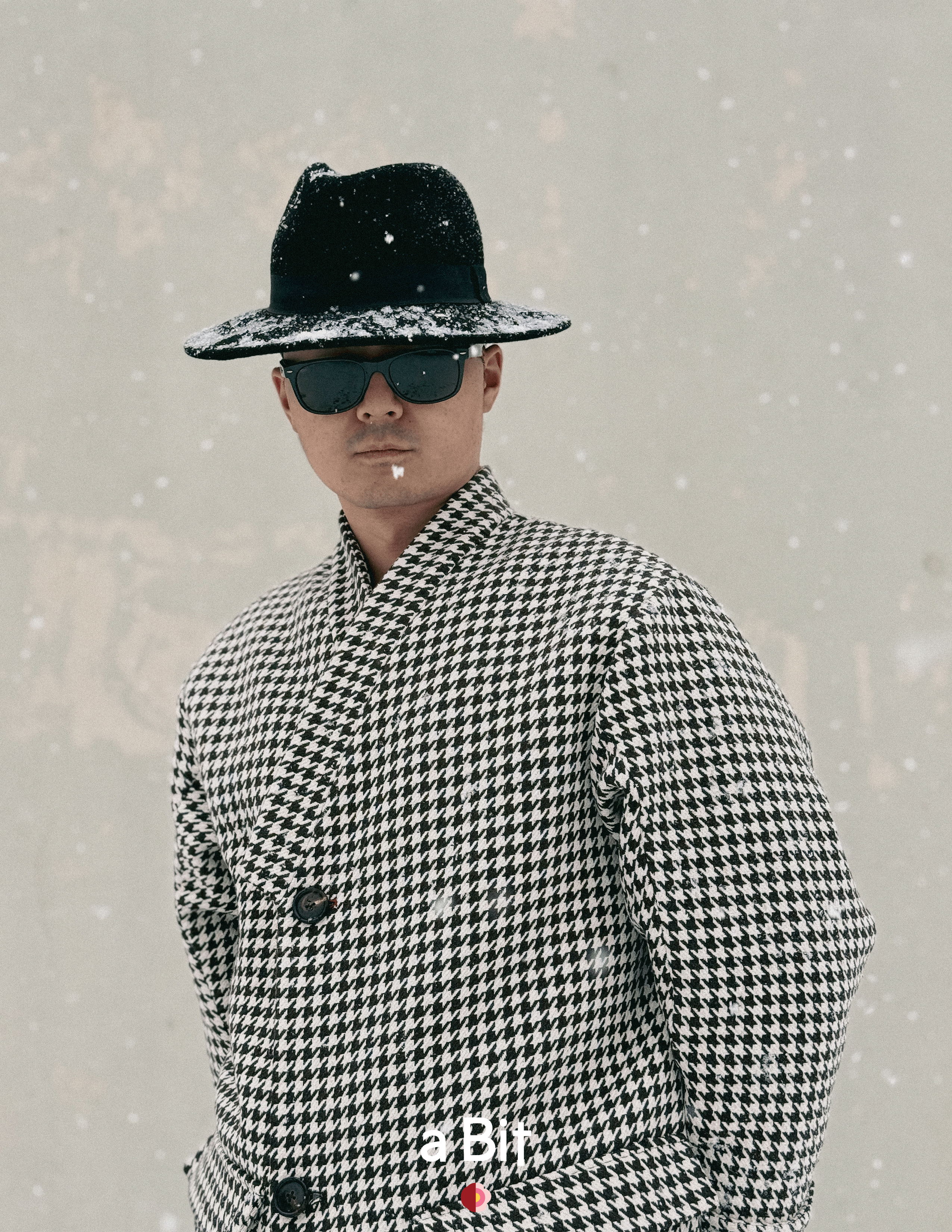
My name is Kevin Park, and I am a Korean American fashion designer based in Queens, NY. I am the founder of aBit NEW YORK, a design-driven brand where I explore the balance between my Korean heritage and American upbringing through modern, handmade and handcrafted garments.
2.Can you share a little about your journey as a designer and what inspired you to create aBit NEW YORK?
I’ve been drawn to fashion since childhood, but my path truly took shape when I made the decision to pursue it seriously after leaving high school. I began my education at a community college in Long Island, NY, where I graduated as one of the top students in my class, before continuing my studies at the Fashion Institute of Technology after gaining experience through industry experience.
The concept for aBit NEW YORK emerged during my first trip to Korea, my parents’ homeland. Immersing myself in the culture and learning more about my family’s history deepened my understanding of my identity. During my remaining time at FIT, I began experimenting with blending hanbok-inspired elements with the energy and silhouettes of New York City. After graduating, I briefly worked in the fashion industry before launching aBit NEW YORK in December 2021. The brand was created to reflect the dual identity I live every day — one that I know many others also share.
3.What first drew you to hanbok and Korean traditional attire as a source of design inspiration?
Hanbok has always fascinated me for its history, symbolism, and quiet strength. It represents more than clothing—it carries the values, lifestyle, and identity of Korean culture. I was also drawn to the craftsmanship behind traditional hanbok, which were entirely handmade in their early days. Honoring that level of care and intention through my own handmade and handcrafted process feels like a meaningful way to continue that legacy.

4.How has your personal background or experiences influenced your interpretation of hanbok in your work?
My work reflects what it means to grow up Korean American in New York. I approach hanbok not as something frozen in tradition, but as something lived in daily life. Growing up in Queens — one of the most culturally diverse places in the world — shaped my vision of what hanbok could look like today. My designs tell the story of someone raised with Korean values and discipline, stepping into the world with an American perspective, while keeping their heritage close.
5.How do you approach blending traditional elements of hanbok with contemporary fashion aesthetics?
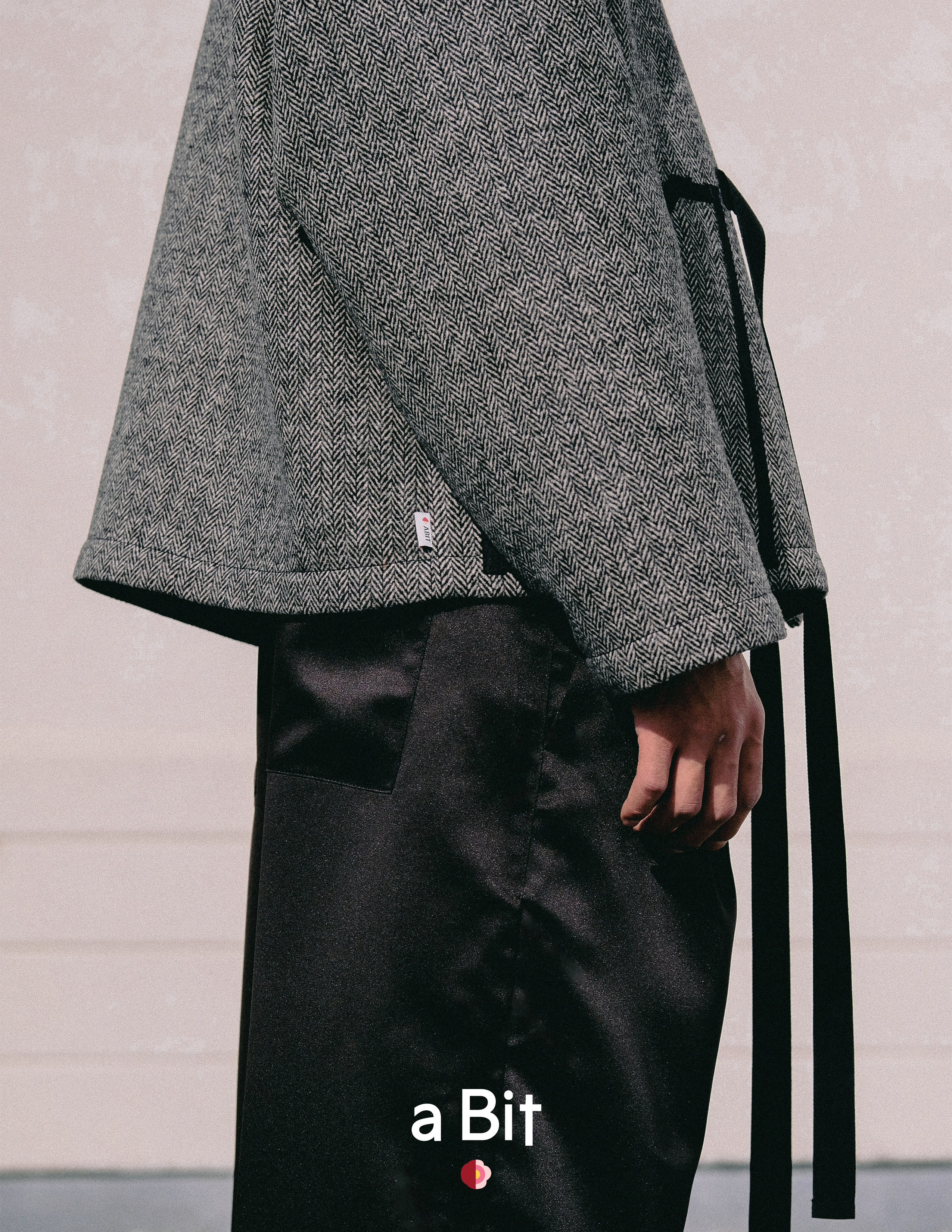
I’m inspired by the thoughtful construction and philosophy behind traditional hanbok. Every detail served a purpose — comfort, movement, and harmony with nature. Traditional hanbok garments were often made with natural fibers, which I continue to prioritize. By reinterpreting these elements through modern silhouettes, I aim to create pieces where tradition and contemporary design coexist naturally.
6. Can you describe your design process from concept to final garment? Are there particular techniques or fabrics that are essential to your creations?
Each piece begins with a story. Inspiration often comes from researching Korean heritage — such as patterns, techniques, or historical garments — as well as observing the people and rhythm of New York City. I’m constantly seeking balance: something that feels a bit Korean and a bit American. I intentionally make it a priority to work with natural fibers like wool and cotton and place strong emphasis on hand craftsmanship, construction, and details that reinforce the narrative behind each garment.
7.Are there challenges you face when modernizing traditional clothing while maintaining its cultural integrity?
The greatest challenge is finding the right balance. I’m mindful not to lean too heavily in one direction. My work isn’t meant to feel purely traditional, because that wouldn’t reflect who I am. Translating a Korean American identity into clothing requires sensitivity and restraint, but that tension is also what gives the work its depth.
8.Are there any upcoming projects or collaborations you’re excited about that you can share with readers?
I’m continuing to expand my handmade and handcrafted pieces while exploring new ways to tell cultural stories through design. I’m also looking forward to creating in-person experiences and collaborations that allow people to engage more closely with the work. While details are still developing, I’m excited about the direction the brand is heading.
Park’s work with aBit NEW YORK demonstrates how hanbok can remain culturally meaningful while adapting to the realities of modern life. Park highlights the growing significance of designers who serve as cultural bridges, ensuring that tradition continues to move forward, one garment at a time.
How about this article?
- Like3
- Support0
- Amazing3
- Sad0
- Curious0
- Insightful0