In the modern era, “code” is often perceived as a silent language of machines. In Korea, however, it has evolved into a powerful prescription for public well-being. This article is the result of a collaborative exploration conducted from two complementary perspectives: journalistic observation and computer science analysis. As an Honorary Reporter of Korea working alongside a Computer Science graduate, the discussion extended beyond surface-level description toward an integrated understanding of how digital systems, public policy, and healthcare practice intersect. Through this combined lens, the article examines the unseen digital architecture behind Korea’s healthcare transformation and its emergence as a global benchmark for medical innovation.

1. The Foundation: Building a National Digital Backbone (2000-2010)
The transformation of the Korean healthcare system occurred because of long-term strategic planning and not because of technological upheavals in the way technology transformed other healthcare systems worldwide. Beginning in the early years of the 2000s, national investments in telecommunication technology created the foundation for large-scale digitization of data in Korea.
Rather than using disparate paper-based systems for documenting patient data, Korean hospitals introduced the use of Computerized Physician Order Entry (CPOE) and Picture Archiving and Communication Systems (PACS). Analyzing the situation from a systemic and technological point of view, it can be seen that the introduction set the stage for interoperability and integration.
The Korean healthcare system change was a result of long-term strategic planning. As of the early 2000s, the Korean government invested heavily in broadband infrastructure and Information Communication Technology (ICT), paving the way for the digitization of large volumes of data.
Despite the prevalence of disorganized paper-based medical records in most countries, the healthcare institutions in the Korean peninsula were at the forefront in the adoption of Computerized Physician Order Entry and Picture Archiving and Communication Systems. From the perspective of the system, as well as technology, these implementations formed the backbone for the future interoperability of data.
However, the mid-2010s witnessed the full development and maturity of this foundation. Allsorts of tertiary hospitals within the country had implemented the use of Electronic Medical Record systems. This move not only implies technological advancement within the industry but also signifies a dramatic shift towards how data could and should be handled. Medical data could finally be made structural.
2. Interoperability and the Power of Big Data (2016–2019)
Among the greatest issues associated with digital healthcare worldwide is the challenge of interoperability. Here, various information technology platforms find ways to share, process, and leverage information. Korea has managed this challenge through the building of clinical data warehouses and common data models.
From a technological standpoint, interoperability was treated not as a kind of administrative function, but as a fundamental architectural tenet. An alliance of healthcare organizations, National Health Insurance Service, and government bodies changed medical records from being passive data sources to being active assets. With this, pharmacovigilance and population health analysis were made possible in real-time through these connected systems and platforms.
Nonetheless, this stage of the transformation showed how coordination of policy and system engineering could have mutual benefits. Code, in this case, was a force of systemic optimization, one which reduced redundancy, ensured accuracy of data, and supported data-informed decision-making.
3. Pandemic Stress Test: Validation by Real-World Experience (2020-2021)
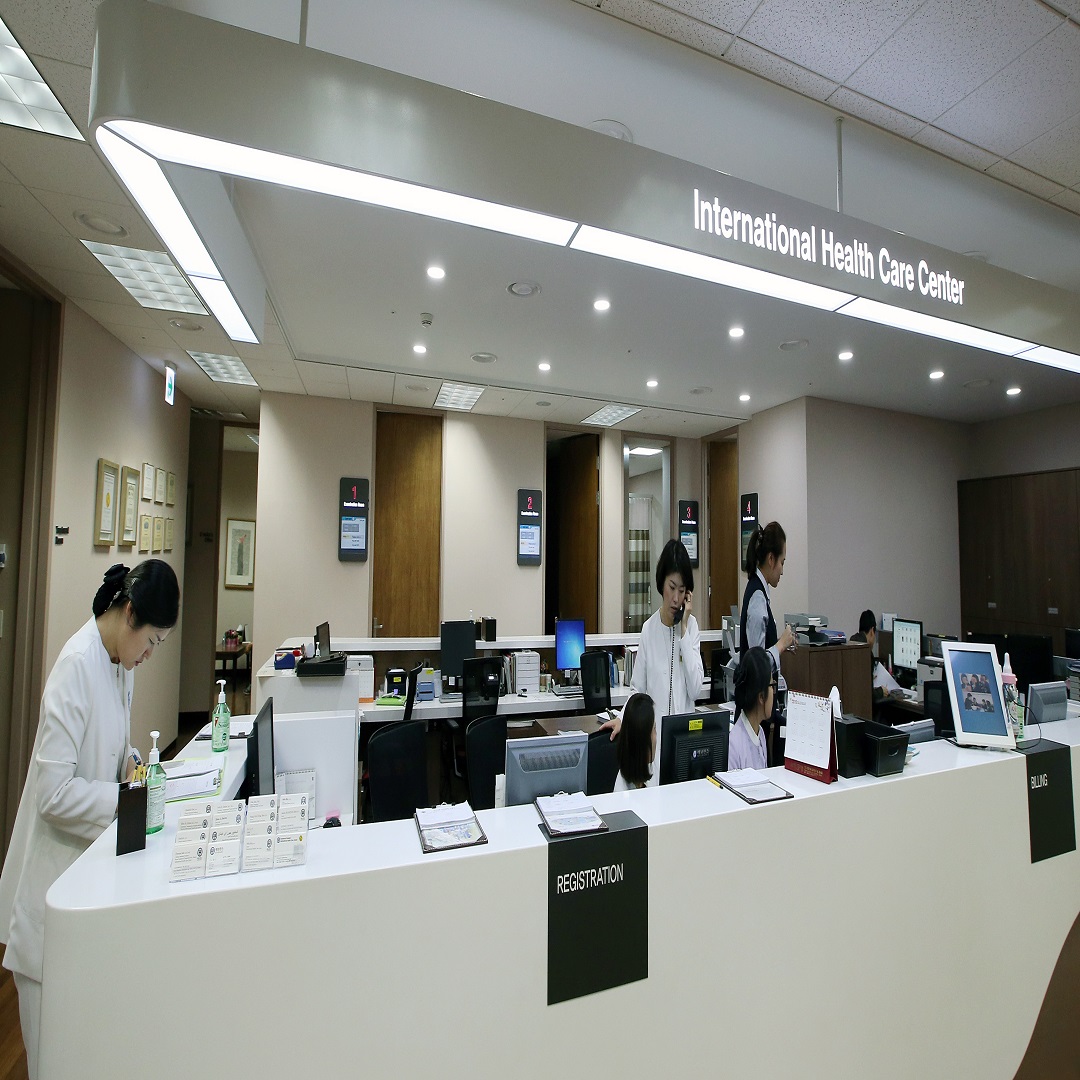
The COVID-19 pandemic has become a stress test of the healthcare systems of global countries. For Korea, this pandemic has proved the value of digital preparation in advance, which has become apparent through existing digital platforms facilitating coordination between hospitals, governments, and people.
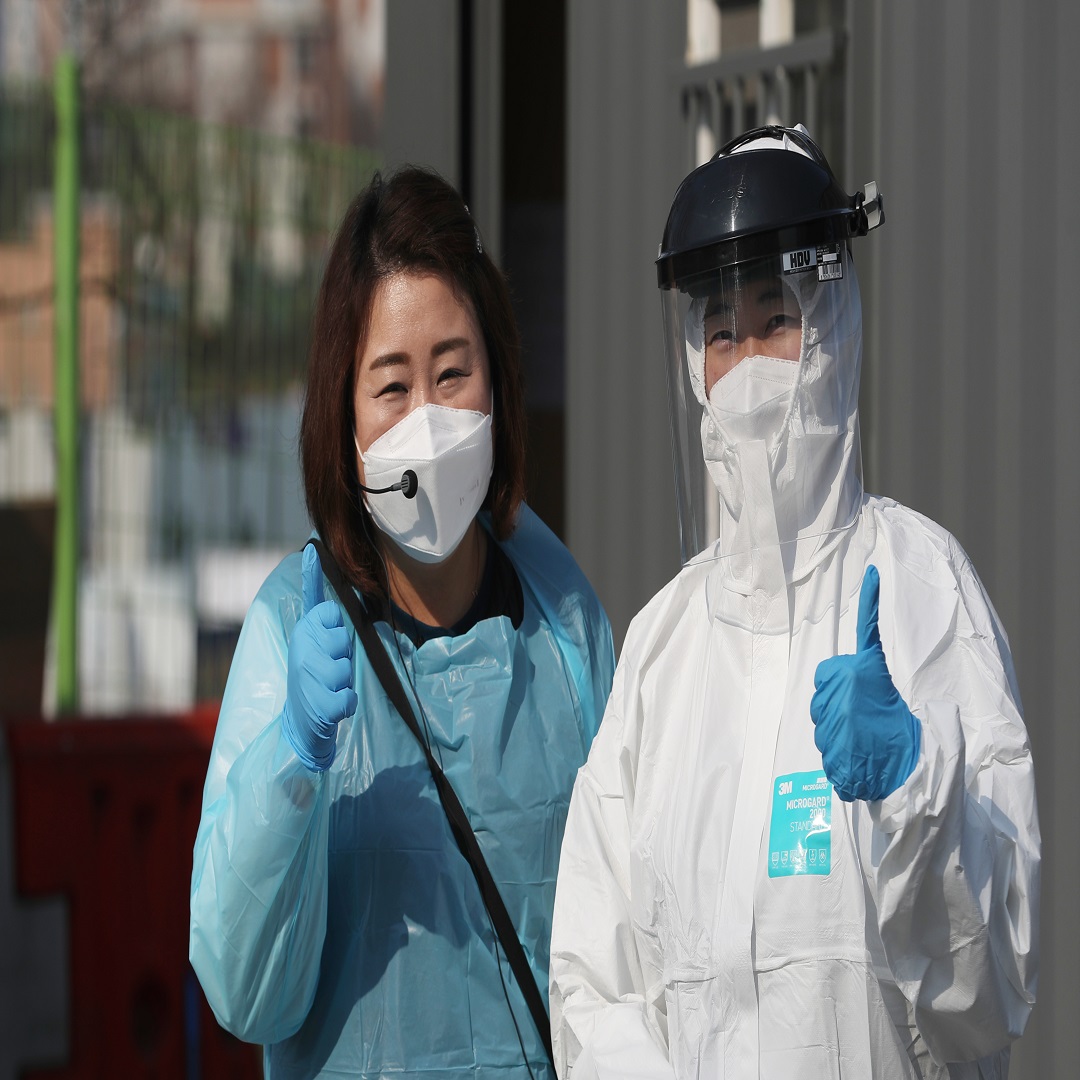
Core competencies included real-time monitoring for the availability of hospital beds, highly accurate contact tracing through the use of data applications, and open distribution of healthcare products through the use of cloud-based applications.Instead of using these applications as a result of the crisis, they were mobilized through already established structures.
4.The Future: AI, 5G, and Smart Hospitals, 2022
Today, Korea embarks on the era of intelligent healthcare. The Medical Internet of Things, artificial intelligence-assisted diagnoses, and 5G-based remote healthcare monitoring are actively tested in intelligent hospitals in Korea.
There are ongoing efforts by the government to ensure the promotion of healthcare big data analytics. From the analytical perspective, this is the most crucial phase where there is convergence between the government policies and the technological as well as healthcare sectors.
While challenges remain most importantly related to data privacy, costs of implementation, and adaptation by the workforce the general trend indicates an evolution that has been managed rather than a technological expansion without regulation.
An Electronic Prescription for the Future
Passed through both journalistic inquiry and technical evaluation, Korea's digital healthcare journey demonstrates the idea that meaningful innovation is not done in isolated technologies but through sustained coordination between infrastructure, policy, and human-centered design.
The evolution from a digitization process towards AI-based healthcare systems proves that code can serve as a care framework that identifies issues in efficiency and builds health system resilience in support of long-term health system sustainability. In a time when globalized countries move towards modernized healthcare system reform, a health system roadmap in Korea has been realized that provides a non-copied roadmap agenda that has been facilitated from an interdisciplinary exchange setting.
How about this article?
- Like0
- Support0
- Amazing0
- Sad0
- Curious0
- Insightful0