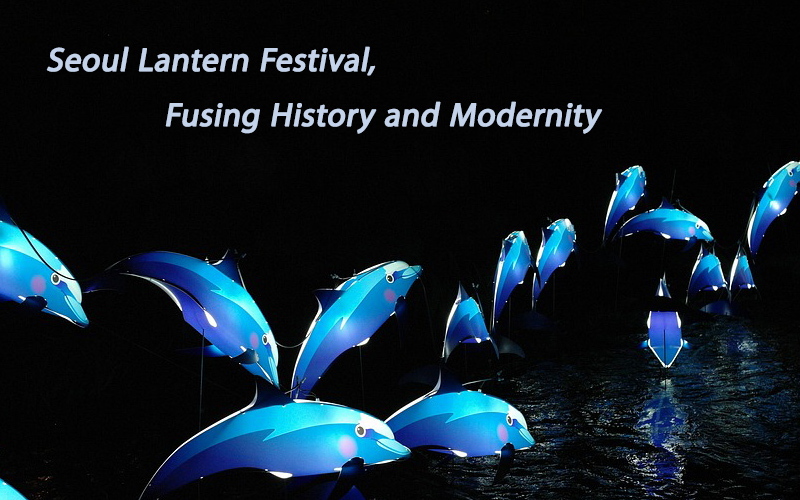
The Fusion of Tradition and Modernity in Seoul Lantern Festival
Amid the cold of the year’s end, when nights grow longer and temperatures drop, Korea brings warmth and excitement back to its cities through a wide range of festivals and cultural events. Light, music, and the presence of people transform winter into a lively season, demonstrating that even in the coldest days, culture can become a source of energy and social connection. Winter festivals in Korea are not merely forms of entertainment; they reflect the country’s cultural perspective on community life, art, and identity.
During the winter season, especially in the final weeks of the year, numerous events take place across different cities in Korea. Light festivals, winter markets, New Year ceremonies, and traditional rituals together shape this dynamic atmosphere. Some of these events are deeply rooted in long-standing traditions, while others emerge from modern and creative approaches to culture. What distinguishes these festivals is the effort to maintain a balance between preserving tradition and responding to the contemporary world.
Among these events, the Seoul Lantern Festival holds a particularly unique position. Usually held from early December to early January, the festival takes place along the Cheonggyecheon Stream and around Gwanghwamun Square, areas that symbolically connect Seoul’s historical past with its modern urban life. The choice of location is meaningful, as visitors walk through spaces where traces of history coexist with the city’s contemporary identity.
The lantern, the central element of the festival, is a traditional symbol in Korean culture representing light, hope, and wishes. In the past, lanterns were mainly used in rituals or everyday life and were closely associated with guidance and illumination in darkness. By building on this traditional meaning, the Seoul Lantern Festival transforms the lantern from a simple object into an artistic medium. The lanterns are designed as large-scale art installations that tell stories inspired by mythology, history, nature, and even contemporary social themes.

One of the most distinctive features of this festival is the disappearance of the boundary between tradition and modernity. Rather than standing in opposition, tradition and modern elements work together in harmony. Modern technologies such as LED lighting, digital design, and media art are used to support and enhance traditional concepts, giving them new life. In this space, two different times the traditional past and the modern present meet and collaborate to create a new cultural experience.
Visitors to the festival are not merely spectators but become part of the event itself. Walking along the stream, watching the reflections of lantern lights on the water, and gradually encountering visual narratives create a calm yet emotionally engaging experience. This atmosphere illustrates how a modern city can preserve its cultural roots while creating a poetic and human centered urban space. Ultimately, the Seoul Lantern Festival can be seen as a symbol of Korea’s cultural approach one in which the past is not forgotten but creatively reinterpreted through a contemporary lens. The festival demonstrates that tradition and modernity can coexist and, by supporting one another, create a richer and more meaningful experience for both local communities and global audiences.
How about this article?
- Like0
- Support0
- Amazing0
- Sad0
- Curious0
- Insightful0