UNESCO Heritage Sites in Korea Spotlight the Richness of the Nation’s Cultural and Natural Legacy
2025-12-26Heritage serves as an enduring connection to the past, allowing societies to reflect on their history while shaping their future. In this respect, Korea stands out as a model of how heritage can be preserved, celebrated, and leveraged to engage with the world. Over the years, Korea has taken substantial steps to safeguard its cultural and natural heritage for future generations. But its efforts go beyond mere preservation; Korea’s World Heritage sites embody the nation’s identity today and serve as key instruments in its broader cultural diplomacy. These sites are not just remnants of history—they are living symbols of Korea’s past and a platform through which it communicates with the global community, contributing to multilateral discourse and peace.
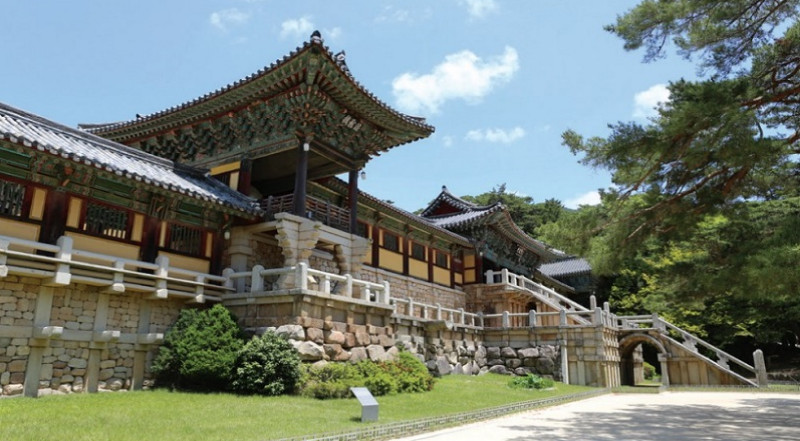
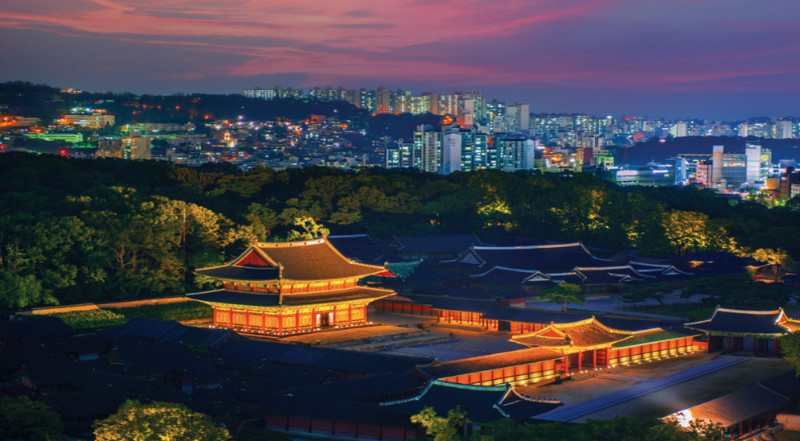
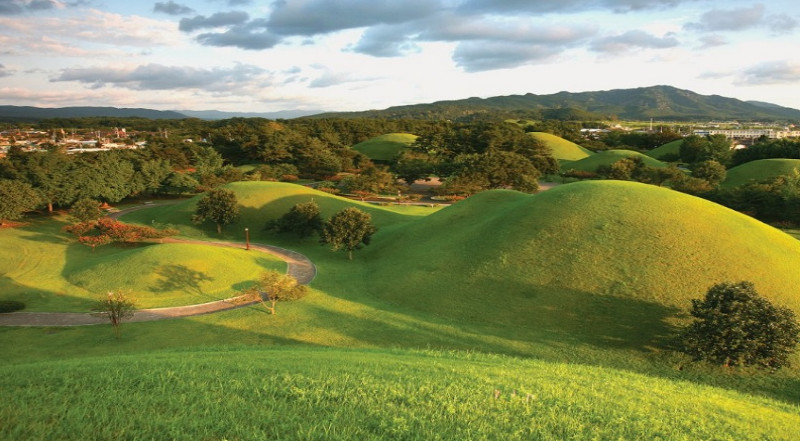
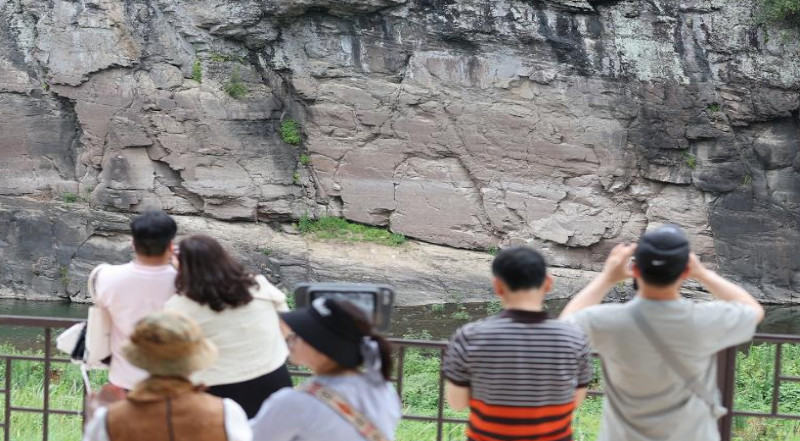
As of 2025, Korea boasts 17 UNESCO World Heritage sites, comprising 15 cultural and 2 natural heritage sites. The journey began with the inclusion of Seokguram Grotto , Bulguksa Temple, Jongmyo Shrine and Janggyeong Panjeon of Haeinsa Temple in 1995 and since then, Korea’s UNESCO list has expanded significantly, Changdeokgung Palace (1997), Hwaseong Fortress (1997), Gyeongju Historic Areas (2000), Gochang, Hwasun, and Ganghwa Dolmen Sites (2000), Jeju Volcanic Island and Lava Tubes (2007), Joseon Royal Tombs (2009), Historic Villages of Korea: Hahoe and Yangdong (2010), Namhansanseong Fortress (2014), Baekje Historic Areas (2015), Mountain Temples, Mountain Monasteries of Korea (2018), Seowon (Confucian Academy) of Korea (2019), Tidal Flats of Korea (2021), Gaya Tombs (2023), Petroglyphs of Bangucheon Stream (2025) reflecting the depth and diversity of its heritage. Among the most prominent sites are Changdeokgung Palace, Hwaseong Fortress, and the Joseon Royal Tombs, which highlight the grandeur of the Joseon Dynasty’s royal culture and urban planning. The Gyeongju Historic Areas and Baekje Historic Areas encapsulate the political and defence strategies of Korea’s past, while the Jeju Volcanic Island and Lava Tubes and Tidal Flats of Korea emphasize the nation's natural beauty and biodiversity. These natural sites, in particular, underscore the importance of preserving ecosystems in the context of climate change.
Beyond these physical sites, Korea’s heritage is also enriched by its presence on the Intangible Cultural Heritage of Humanity list and Memory of the World. In Korea, there are twenty-three and twenty of them respectively. Practices such as Kimjang (the making of kimchi), pansori (traditional storytelling), and nongak (Korean folk music and dance) reflect the vibrant cultural traditions that continue to shape Korea today. The inclusion of Arirang, Korea’s beloved traditional song, alongside the Hunminjeongeum Haeryebon, a manuscript detailing the creation of the Korean alphabet, further emphasizes Korea’s rich cultural contribution to the global heritage community.
Korea’s global leadership in the realm of cultural heritage is further solidified with its selection as the host country for the 48th session of the UNESCO World Heritage Committee, set to take place in Busan from July 19-29, 2026. This marks a significant milestone as it will be the first time Korea has hosted the meeting since joining the World Heritage Convention in 1988. It is also a moment of historical importance, occurring 30 years after the designation of Bulguksa Temple and Seokguram Grotto as Korea’s first World Heritage Sites. As the chair country, Korea will not only showcase its heritage but also contribute to the global conversation on the future of heritage preservation. This upcoming event highlights the growing importance of Korea’s role in shaping the global dialogue surrounding cultural preservation. The UNESCO World Heritage Committee serves as the governing body responsible for overseeing the inscription, conservation, and management of World Heritage sites, and its deliberations are crucial to the future of cultural heritage worldwide. Since its first meeting in 1977, the committee has met in various locations across Asia, including in Thailand, Japan, China, Cambodia, and India. The decision to host the committee in Busan is a reflection of Korea’s commitment to engaging with the world on these critical issues.

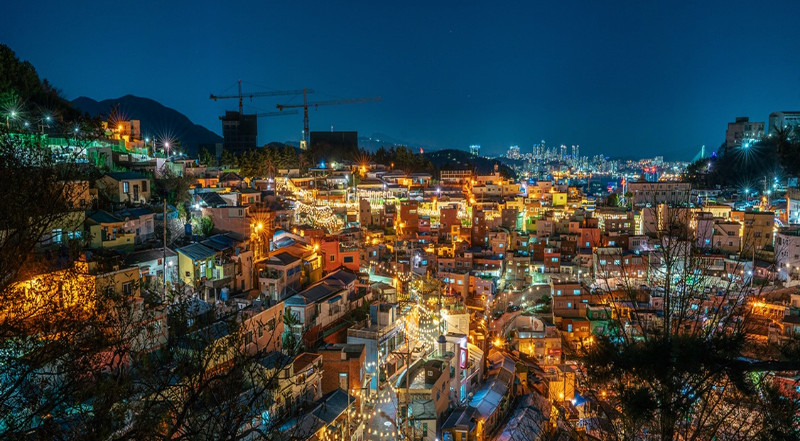
However, the significance of Busan as the host city goes beyond logistics or prestige. Once a refuge for displaced persons during the Korean War, Busan has transformed into a city symbolizing resilience and peace. The city's evolution—from a wartime capital to a thriving cultural hub—demonstrates the transformative power of heritage and culture in healing wounds and fostering international understanding. As such, Busan’s hosting of the UNESCO World Heritage Committee is more than just an event; it is a testament to the city’s enduring spirit of peace and coexistence. By hosting this prestigious conference, Korea signals to the world its commitment to advancing the values of shared humanity, fostering international solidarity, and promoting peaceful cooperation through culture.
The 48th session of the UNESCO World Heritage Committee in Busan will not only showcase Korea’s unparalleled cultural wealth but also serve as a critical platform for addressing the pressing challenges facing world heritage sites today. Among these challenges are the climate crisis, urbanization pressures, and the effects of conflict. Korea’s leadership in this space will extend beyond the role of a host country; it will also serve as a facilitator of solutions, championing innovative approaches to safeguard heritage for future generations. As the chair of the conference, Korea is poised to take a leading role in discussing sustainable conservation practices and the integration of heritage preservation into broader environmental and developmental strategies.
In this way, Korea’s hosting of the UNESCO World Heritage Committee is not just a celebration of its own history and culture. It is a call to the world to recognize the collective responsibility of preserving cultural heritage for future generations. As the Korea stands at the intersection of past legacies and future aspirations, it reaffirms its commitment to a shared vision of peace, coexistence, and mutual respect.
How about this article?
- Like7
- Support1
- Amazing1
- Sad0
- Curious0
- Insightful0