Gyeongju offers one of Korea’s richest cultural and historical landscapes, and this is why Gyeongju is often called “the museum without walls.” On my recent trip to this ancient capital of the Silla Kingdom- an ancient Korean kingdom from 57 BCE to 935 CE- I was able to explore sites that preserve Korea’s heritage and it was a really pleasant trip.
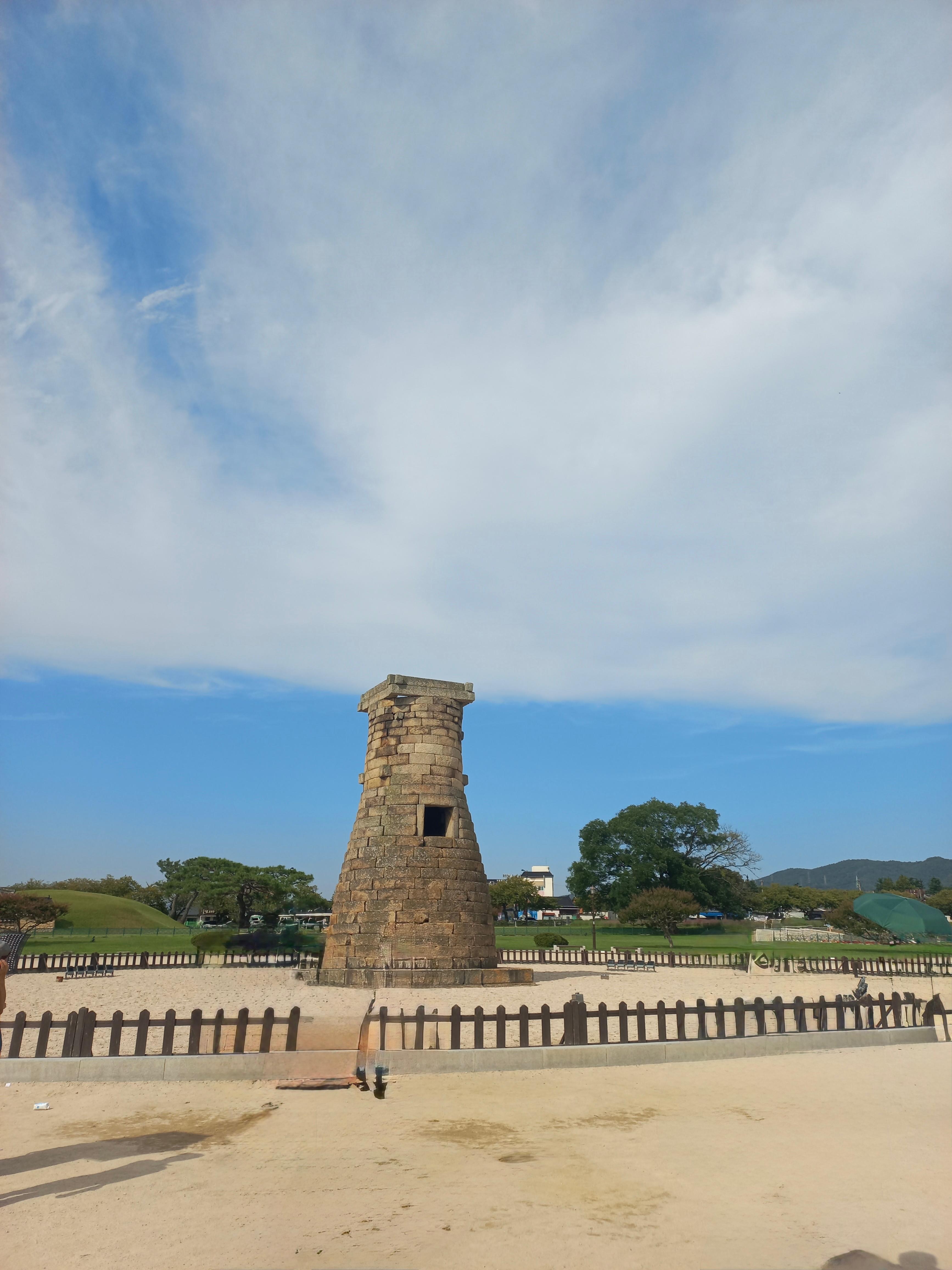
Cheomsongdae is Asia’s oldest existing astronomical observatory. It was constructed during the Silla period, during the reign of Queen Seondeok, more than 1,300 years ago. The structure is built from 362 stones, and this is often interpreted as representing the days of the lunar year. Cheomseongdae remains one of Korea’s most iconic heritage symbols due to both its scientific and architectural value.
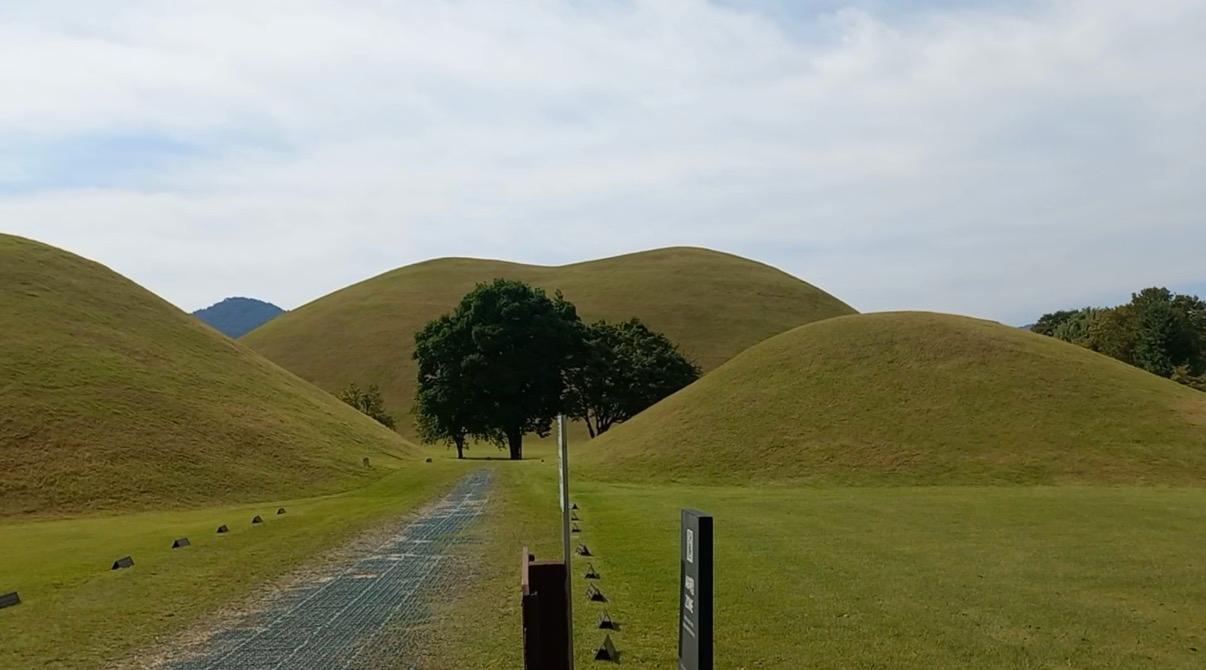
Daereungwon Ancient Tomb Complex is an area that contains numerous grass-covered burial mounds belonging to royalty and aristocrats. Among them, Cheonmachong Tomb is famous for its internal exhibition, which displays original artifacts such as crowns, weapons, and decorative items. These discoveries have significantly contributed to understanding Silla craftsmanship, goldwork, and burial customs.
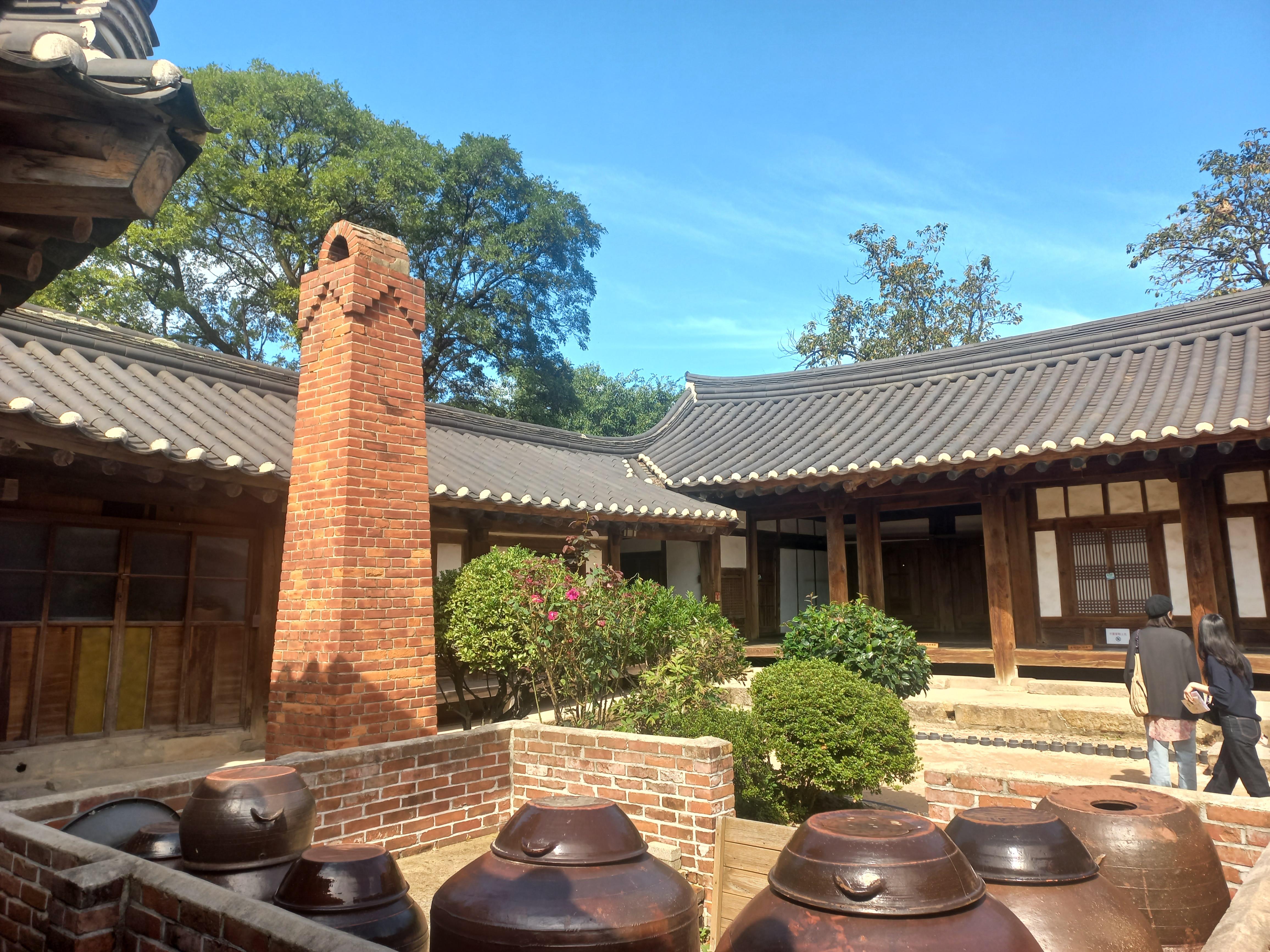
The Choi Clan House (최씨고택) serves as a notable example of a traditional hanok residence from the late Joseon period. Known for its association with a family that emphasized community service and Confucian values, the residence illustrates the social structure and daily life of its time. It is especially well-known for the Choi family’s long tradition of helping the local community. For generations, the family shared their grain during hard winters, supported neighbors in financial difficulty, and became known in the region for their generosity.
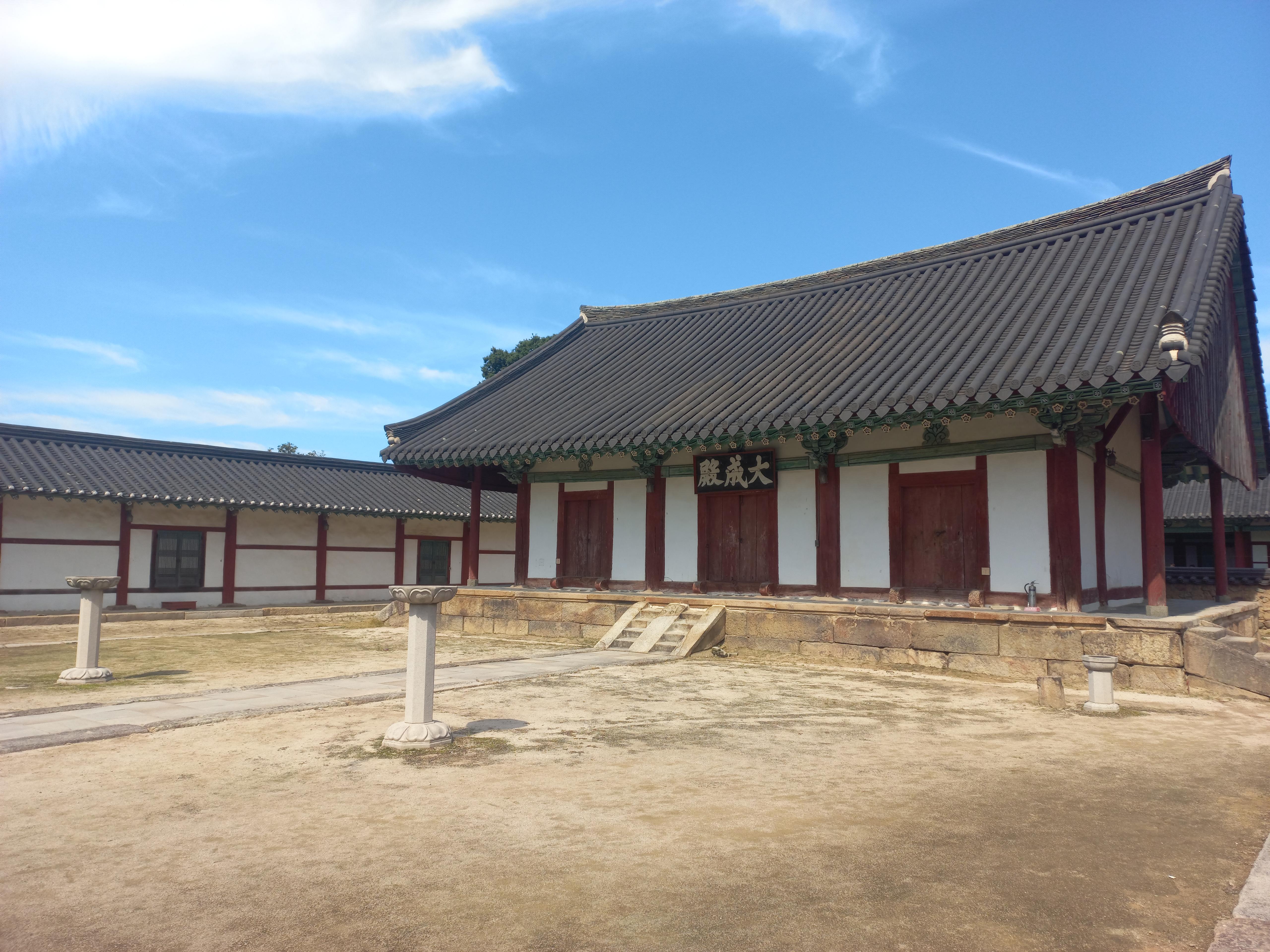
Beyond individual sites, Gyeongju as a whole demonstrates how historical preservation and modern urban life coexist. Traditional streets, cultural facilities, and restored architectural elements are integrated into the city’s contemporary landscape, allowing visitors to access and study historical materials easily.
Gyeongju shows how Korean history and culture are still visible in everyday life. Places like the Choi Clan House, Cheomseongdae, and Daereungwon help explain how people lived, thought, and organized society in the past. By preserving these sites, Gyeongju makes Korea’s historical heritage easy to understand and accessible to visitors today.
How about this article?
- Like1
- Support0
- Amazing0
- Sad0
- Curious0
- Insightful0