Korea’s Timeless Ritual of Renewal
As cities around the world welcome the New Year with fireworks, music, and crowded celebrations, Korea turns to a tradition defined by restraint and meaning: the Bosingak Bell Ceremony. Held precisely at midnight on December 31, this annual event offers a moment of collective reflection, signaling the transition into the New Year not through spectacle, but through sound and symbolism.
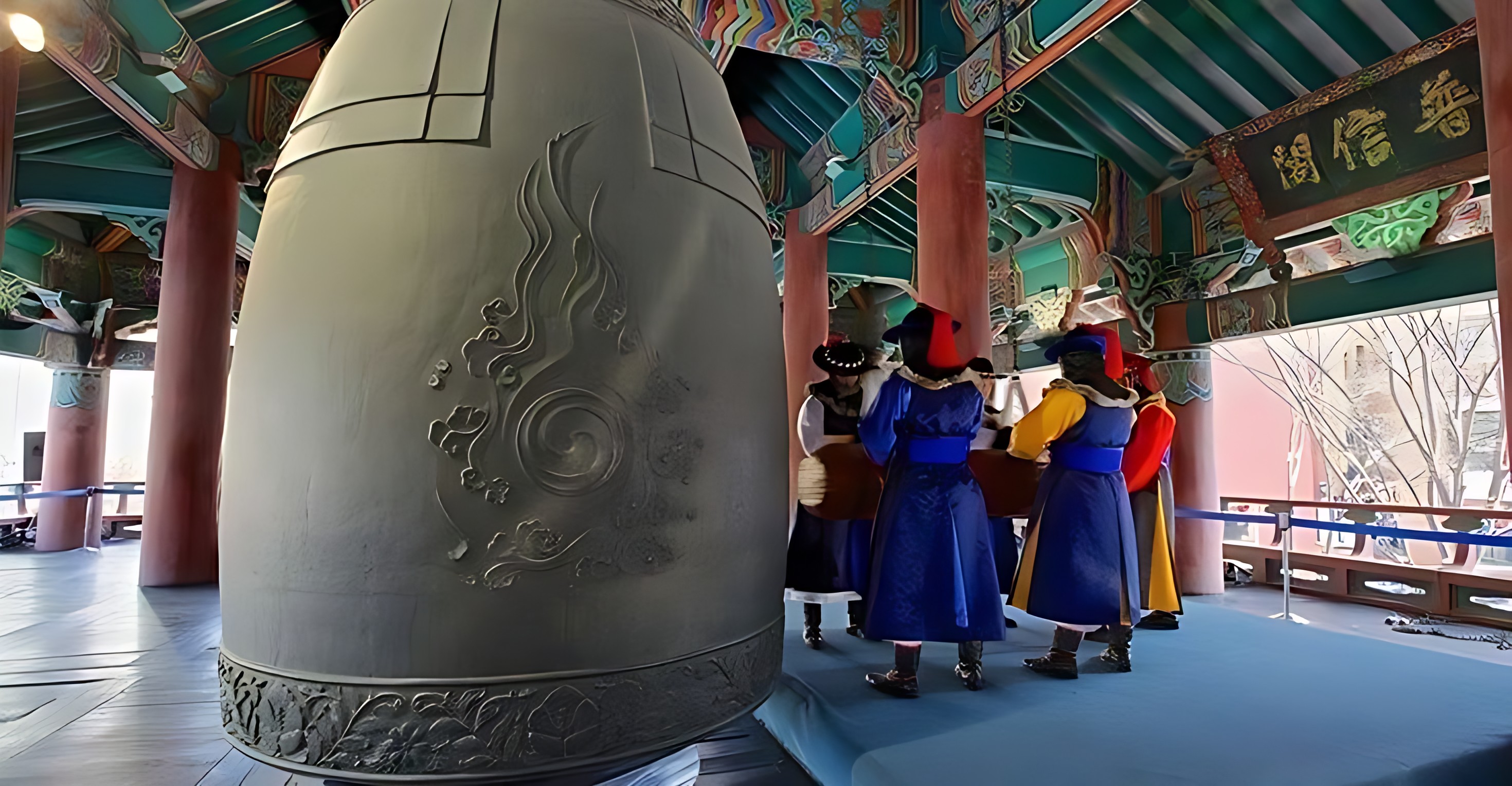
Photo credit: www.freepik.com
Bosingak Pavilion
The ceremony takes place at Bosingak Pavilion, located in Seoul’s historic Jongno district. The pavilion and its massive bronze bell date back to the Joseon Dynasty (1392–1897). Historically, the bell was struck daily to announce the opening of the city gates at dawn and their closing at night, regulating the rhythm of urban life. Although modernization rendered this function obsolete, the bell has endured as a powerful cultural symbol.
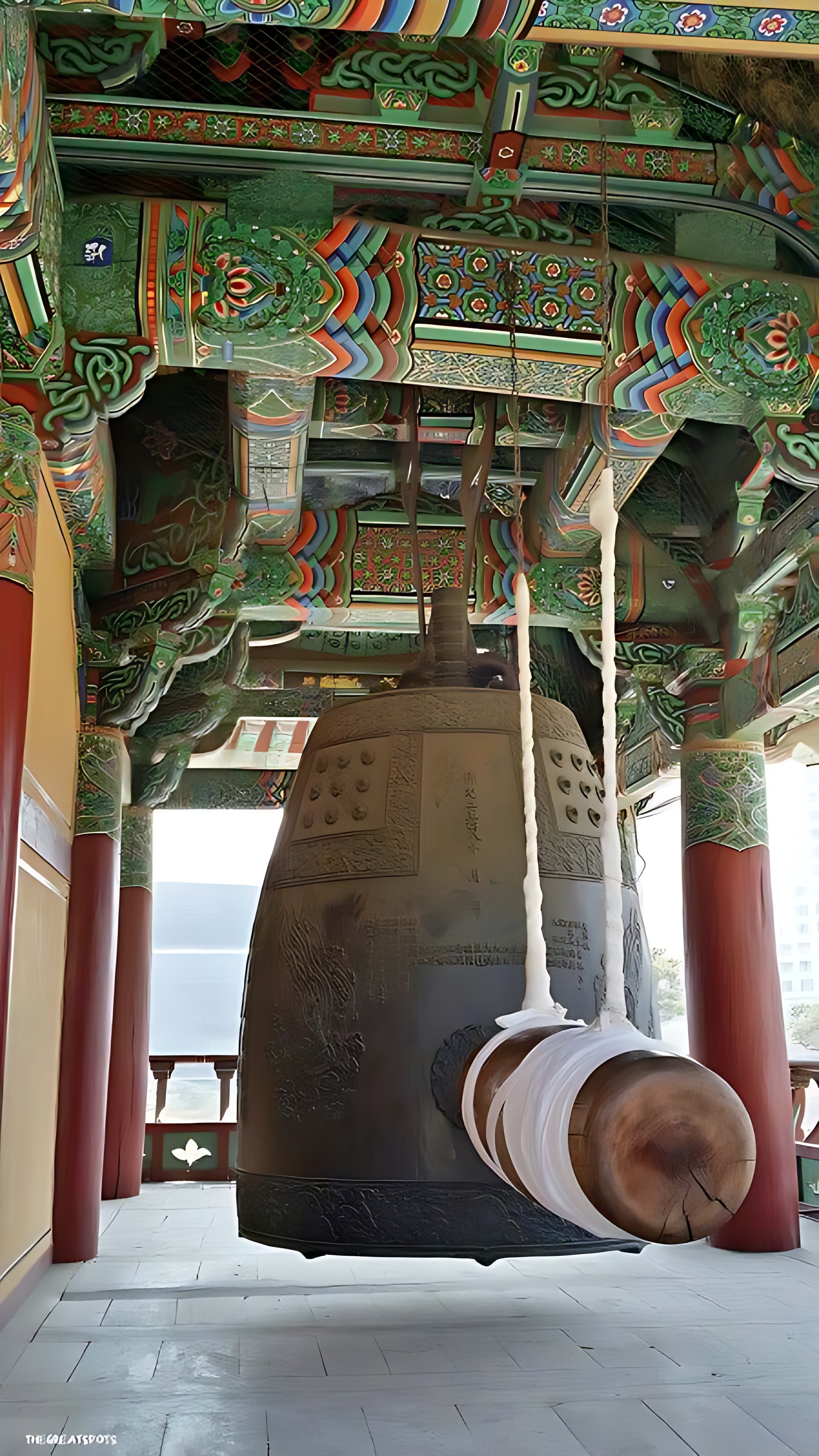
Photo credit: www.freepik.com
The Significance of the 33 Bell Strikes
At the moment the New Year begins, the Bosingak Bell is rung 33 times. The number carries spiritual significance, often linked to Buddhist concepts of enlightenment and liberation from worldly suffering. Symbolically, each strike represents the release of hardship, regret, and uncertainty from the outgoing year, allowing space for renewal and hope.
A Ceremony Shared by the People
Each year, a carefully selected group of citizens participates in ringing the bell. These individuals include artists, athletes, social contributors, and public figures who have made meaningful contributions to society. Their presence reinforces the idea that the ceremony is not merely a state event, but a people-centered national ritual that reflects shared values and collective identity.
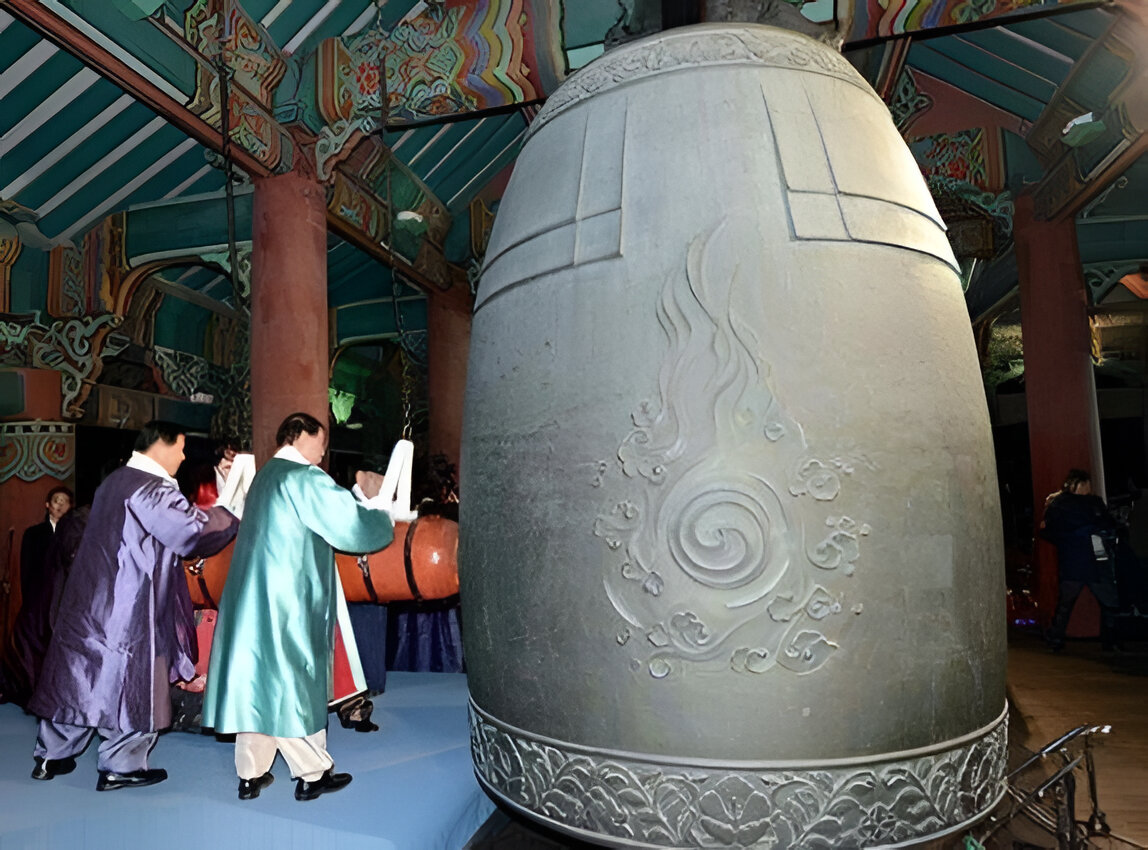
Photo credit: www.freepik.com
A Nationwide Moment of Reflection
The ceremony is broadcast live across Korea, with thousands gathering in person and millions watching from home. In the brief pauses between each bell strike, silence fills the space—an unusual but powerful experience in a fast-paced urban society. This collective pause allows people to reflect on the past year while mentally preparing for the year ahead.
Tradition in a Modern Society
In an era defined by speed and constant connectivity, the Bosingak Bell Ceremony stands as a reminder that progress does not require abandoning tradition. Instead, it demonstrates how historical rituals can be preserved and reinterpreted to maintain relevance in modern life.
More than a countdown, the Bosingak Bell Ceremony is a moment of shared consciousness. Its deep, resonant sound marks not only the passage of time, but the enduring importance of reflection, continuity, and hope in Korean society.
How about this article?
- Like0
- Support0
- Amazing0
- Sad0
- Curious0
- Insightful0