The History Behind Bibimbap
Bibimbap, one of Korea’s most iconic dishes, literally means “mixed rice.” At first glance, it may look like a simple bowl of rice topped with vegetables and meat, but its philosophy runs much deeper. Traditionally, bibimbap reflects the Korean concept of balance and harmony, both in flavor and in appearance.
A classic bibimbap bowl showcases five colors, known in Korean philosophy as Obangsaek:
* White (rice, mushrooms)
* Red (chili paste, carrots)
* Green (zucchini, cucumber, sprouts)
* Yellow (egg yolk)
* Black (shiitake mushrooms, sesame)
These colors are believed to represent balance in nature and nutrition, making bibimbap not just a meal, but a complete culinary idea rooted in Korean tradition.
A December Morning at the Korean Embassy
On December 10, 2025, I attended a bibimbap cooking workshop held at the Embassy of the Republic of Korea in Iran. We were divided into four groups of five, creating a warm and collaborative atmosphere where everyone had a role.
Our workshop was led by Instructor 이경은, who began by introducing bibimbap not merely as a recipe, but as a colorful dish that should visually reflect harmony. She emphasized that before tasting bibimbap, you should first see it, as beauty is part of the experience.
Preparing the Ingredients
After the introduction, we moved on to preparing the ingredients. Carrots and zucchini were sliced into long, thin matchsticks, a technique that required patience and precision. Meanwhile, some members of our group thinly shredded shiitake mushrooms, briefly boiling them for about one minute. After draining, we carefully squeezed out all excess water to preserve their texture.
Next came the mung bean sprouts, which were thoroughly washed and boiled for approximately five minutes, then immediately transferred into cold water. This step helped keep them crisp and fresh. Once cooled, we gently squeezed out the water by hand.
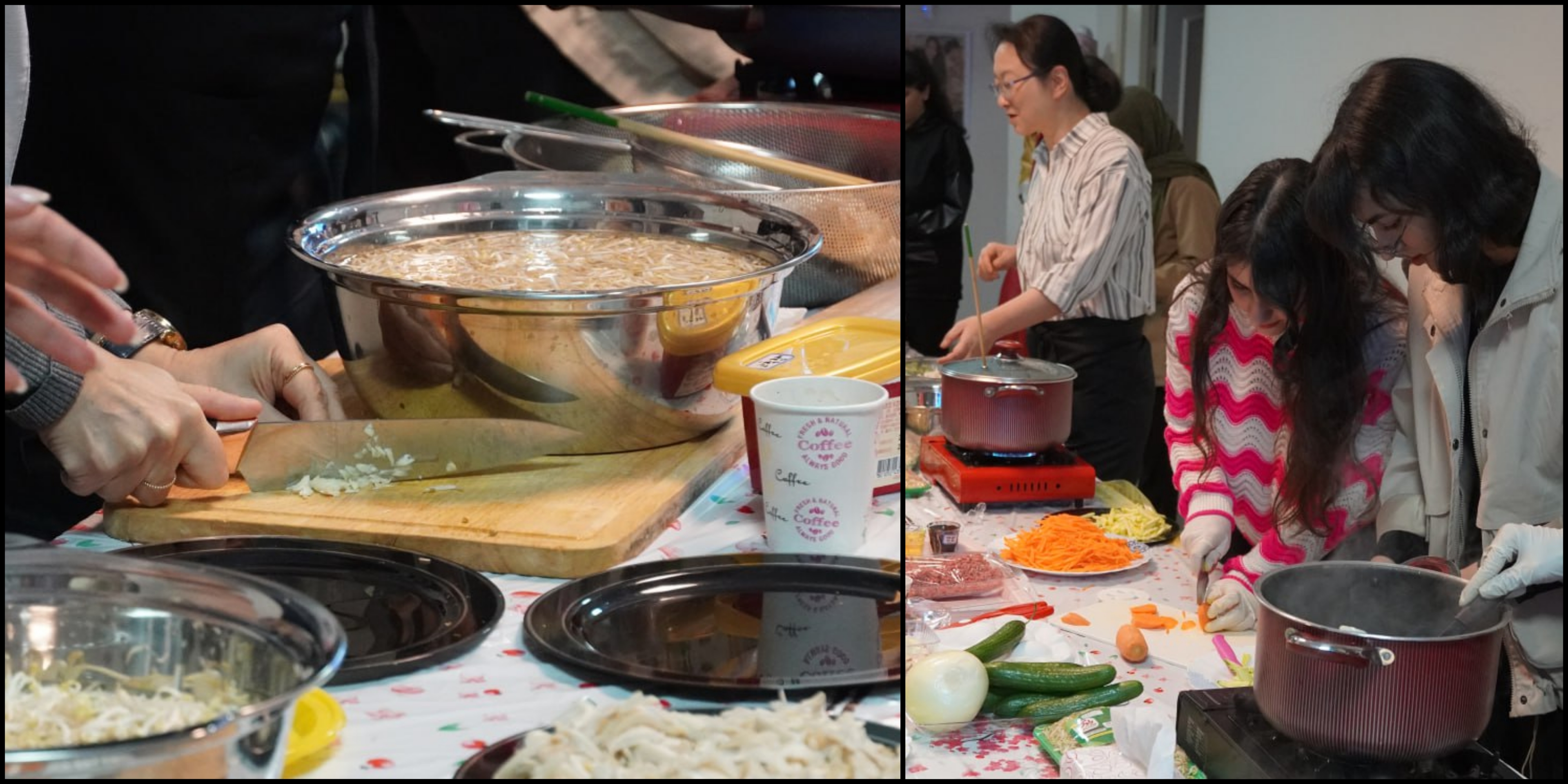
Photo credit: Embassy of the Republic of Korea in Iran
Building Flavor Step by Step
When it was time to cook, we followed an important principle: start with the lightest ingredients so the pan wouldn’t need to be washed between steps.
* Zucchini was lightly stir-fried first with a small amount of oil and a pinch of salt.
* Carrots followed, sautéed briefly to maintain their vibrant color.
* For the ground beef, we used sesame oil, minced garlic (about 3–4 cloves), salt, a small amount of sugar, and Korean chili flakes (gochugaru), along with a touch of black pepper.
* The shiitake mushrooms were stir-fried last, seasoned simply with sesame oil and salt to highlight their earthy flavor.
By the end, each ingredient was cooked separately, seasoned gently, and ready to come together.
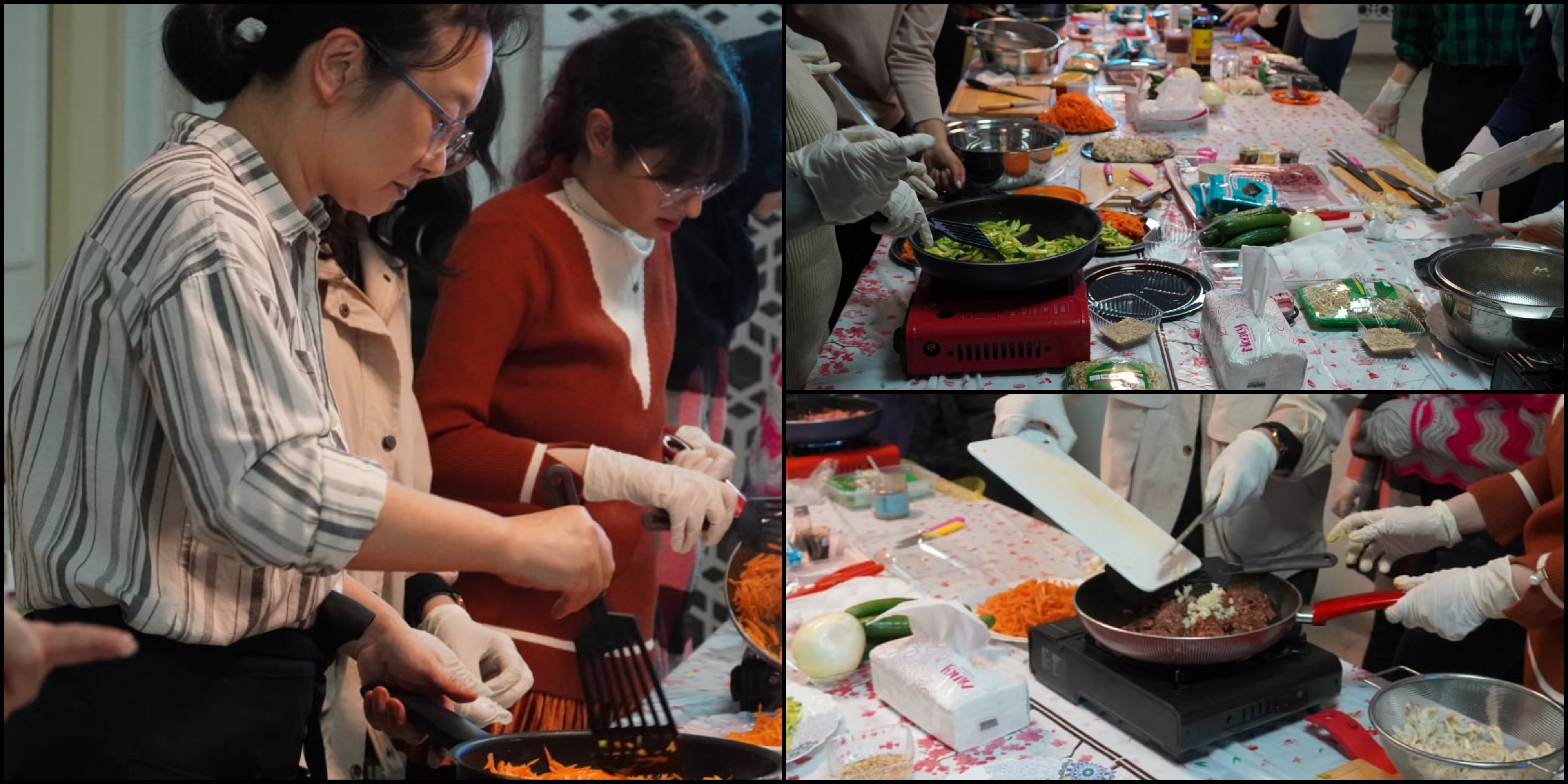
Photo credit: Embassy of the Republic of Korea in Iran
Gochujang Sauce
Before assembling the bowl, we prepared the signature bibimbap sauce, even though I didn’t remember the exact steps at first. Traditionally, the sauce includes:
* Gochujang (Korean red chili paste)
* Sesame oil
* Minced garlic
* Rice syrup (or sugar)
* A splash of vinegar
* Toasted sesame seeds
Mixed together, it creates a spicy, slightly sweet, deeply savory sauce that brings all the ingredients to life.
Assembling the Bowl
The rice had been prepared in advance. We placed a generous portion in the center of the plate, then carefully arranged the beef, mushrooms, zucchini, carrots, and mung bean sprouts around it in neat sections.
Finally, we topped the bowl with a soft sunny-side-up egg, its golden yolk perfectly runny. Once everything looked beautifully arranged, we drizzled the gochujang sauce over the top.
Only at the very end did we mix everything together—just as bibimbap is meant to be eaten.
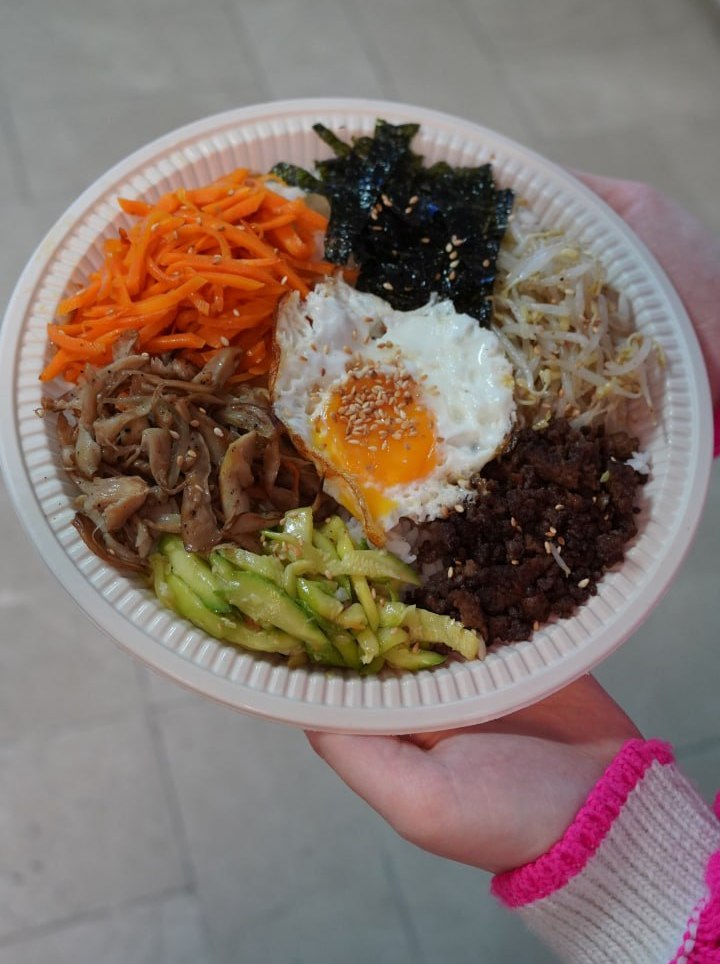
Photo credit: Embassy of the Republic of Korea in Iran
A Refreshing Side Dish: Oi Muchim
Alongside the bibimbap, we also prepared 오이무침 (Oi Muchim), a classic Korean spicy cucumber salad. Thinly sliced cucumbers were mixed with onion and garlic, then seasoned with gochujang, vinegar, sesame oil, sugar, and sesame seeds. The result was refreshing, spicy, and perfectly balanced—an ideal companion to the rich bibimbap.
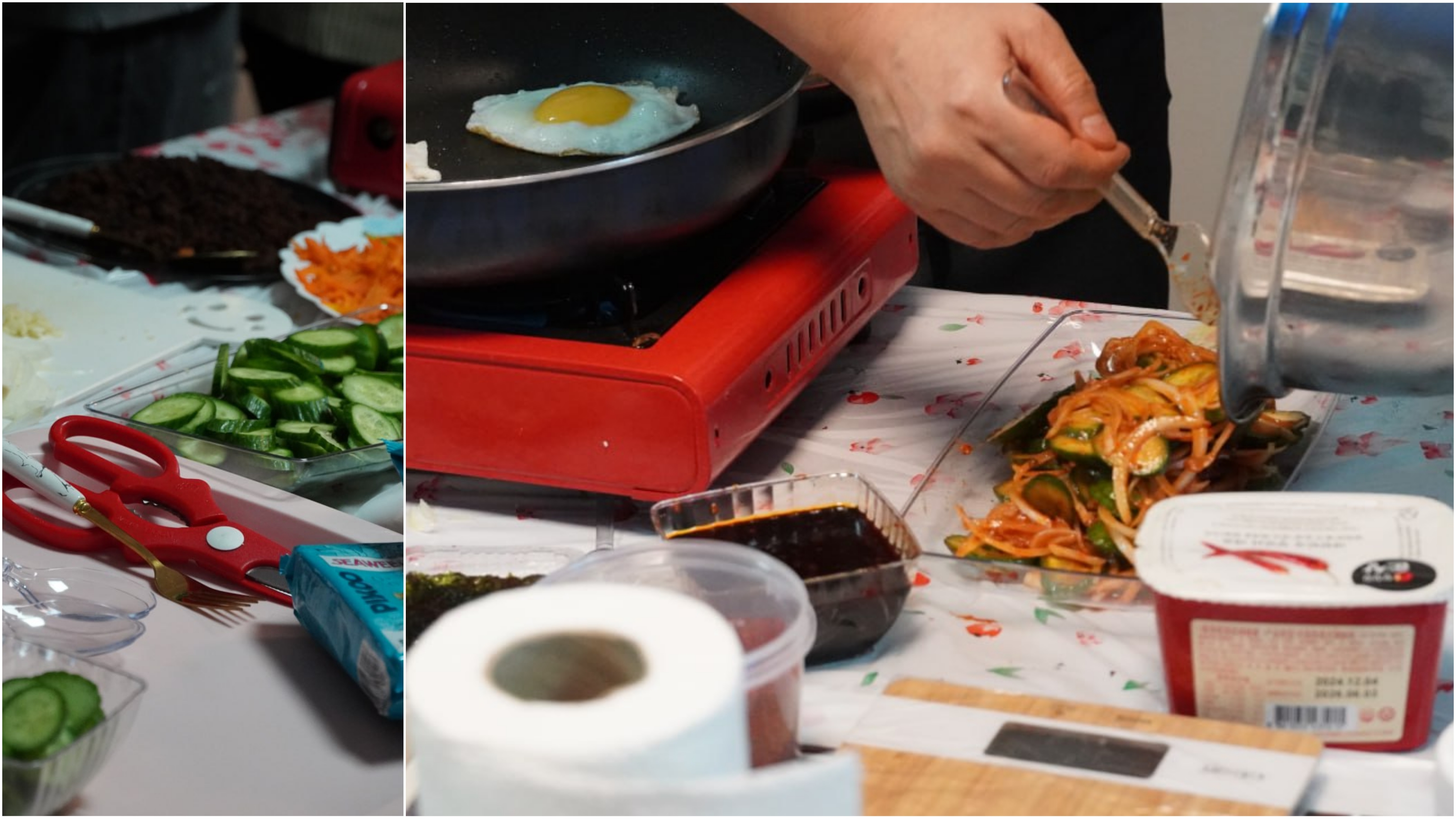
Photo credit: Embassy of the Republic of Korea in Iran
More Than a Meal
The food was incredibly delicious. Honestly, it felt like eating a small piece of heaven. Before this workshop, kimbap had always been my favorite Korean dish. But that day, after cooking and tasting bibimbap with my own hands, I realized something had changed.
Beyond the flavors, the workshop itself was filled with laughter, conversation, and a sense of togetherness. We cooked side by side, shared small mistakes, and learned from one another. I didn’t just gain new knowledge about Korean cuisine, I learned practical skills, from understanding ingredient balance to slicing vegetables like a professional.
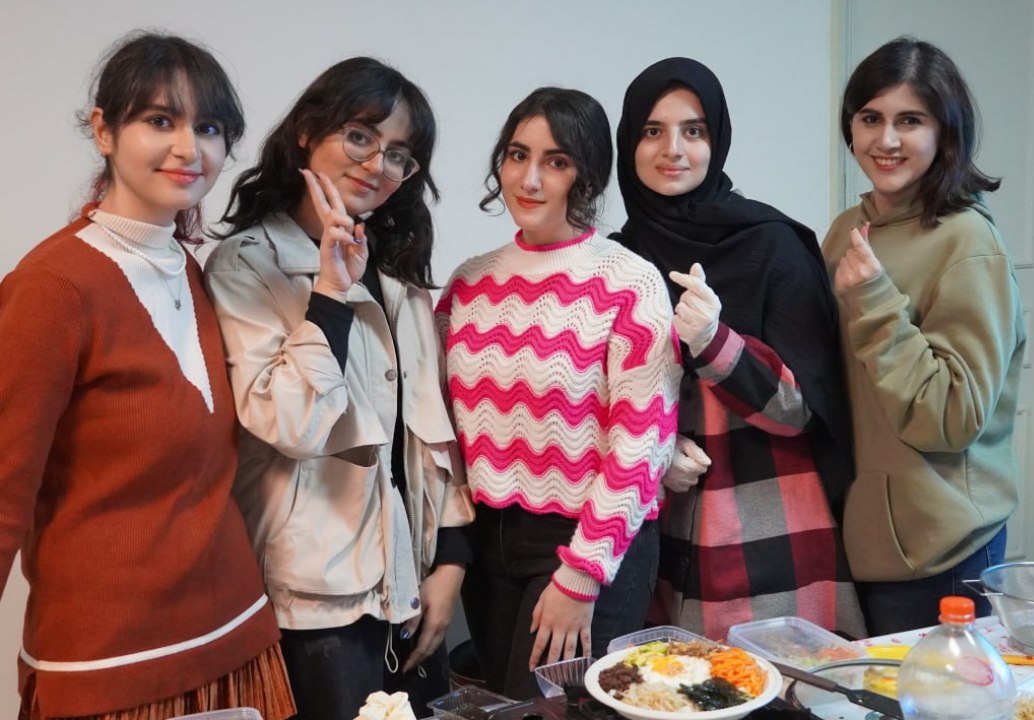
Photo credit: Embassy of the Republic of Korea in Iran
Bibimbap wasn’t just food anymore, it became an experience, a story, and a reflection of balance, care, and community. From that moment on, bibimbap became my favorite Korean dish.
How about this article?
- Like0
- Support0
- Amazing0
- Sad0
- Curious0
- Insightful0