[MISSION] Across Cultures, One Light: Celebrating Love, Joy, and Hope in the Philippines and Korea
2025-12-15Revitalizing the joy, love, and hope of the Christmas season through light goes beyond decoration—it becomes an invitation to reflect.
Light has a way of revealing not only what stands before us, but also what we choose to carry within. It guides, comforts, and connects, quietly reminding us of shared values that transcend borders.
This Christmas season, as lanterns glowed across cultures, I witnessed how the Philippines and Korea continue to share hope through something as simple—and profound—as light.
From December 2, 2025, to January 6, 2026, the Light the Season: A Korea–Philippines Lantern Celebration ran at the National Commission for Culture and the Arts in Intramuros, Manila, offering visitors a chance to immerse themselves in the shared beauty of Filipino and Korean traditions.
On December 1, I attended the opening ceremony, hosted by the Korean Cultural Center (KCC) in the Philippines and the National Commission for Culture and the Arts (NCCA). The event transformed into a vibrant meeting point of tradition, creativity, and cultural friendship.
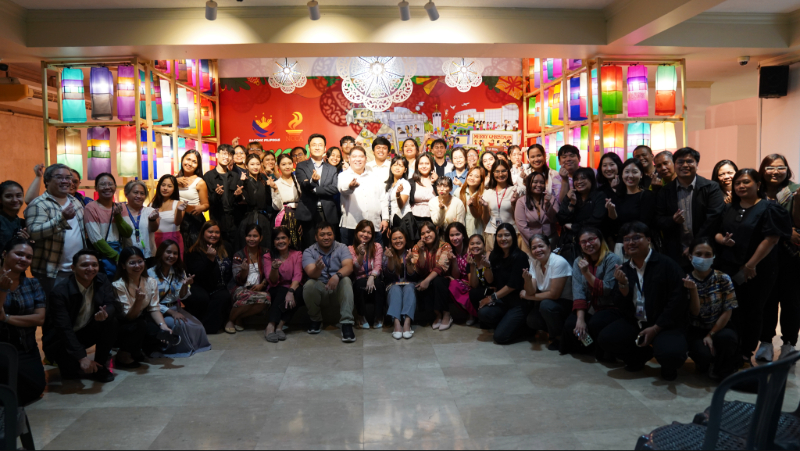
Workshops and displays introduced visitors to two iconic symbols of light: the Filipino parol and the Korean Jinju silk lantern.
I immersed myself in the festivities, crafting a parol alongside students from different universities while learning about the artistry and history behind Jinju’s centuries-old lantern tradition and the Filipino Christmas lantern. What unfolded felt more than a cultural program—it felt like a shared meditation on hope.
The following are excerpts of what i experienced during the opening ceremony.
Their Words That Framed the Evening
During the opening ceremony, leaders from both countries offered insights that deepened the significance of the event.
Kim Myeong-Jin, director of the Korean Cultural Center in the Philippines, highlighted how the Light the Season event offers visitors a warm, immersive space to appreciate Korean culture during the holidays. He emphasized that the Jinju Silk Lantern was designed to be welcoming to all, inviting families, friends, and culture enthusiasts to experience the artistry and symbolism behind Korea’s lantern tradition.

Meanwhile, Bernan Joseph R. Corpus, deputy director for operations of the National Commission for Culture and the Arts (NCCA), underscored the event’s role in strengthening cultural ties between the Philippines and Korea. In his remarks, he noted that collaborative initiatives such as Light the Season not only celebrate shared creativity but also ignite deeper cultural understanding, fostering a sense of connection and mutual respect between the two nations.
We Resonate the Moment of K-Traditional Music
After the remarks, two Korean performers delivered traditional music. One of their pieces, 아름다운 나라 (“Beautiful Country”), was sung with sincerity that resonated with the audience.
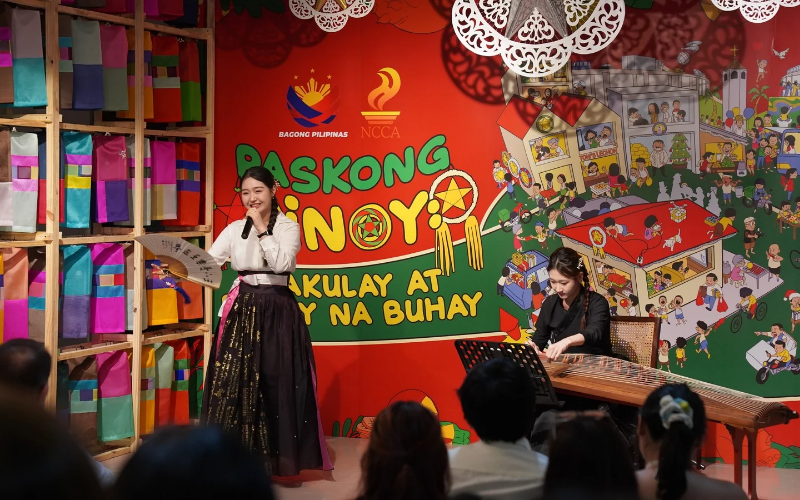
It was a gentle reminder that artistry, much like light, crosses borders with ease.
Seeing the Phil-Kor Lantern Representation
December is a season of meaning, and across cultures light becomes its universal language.
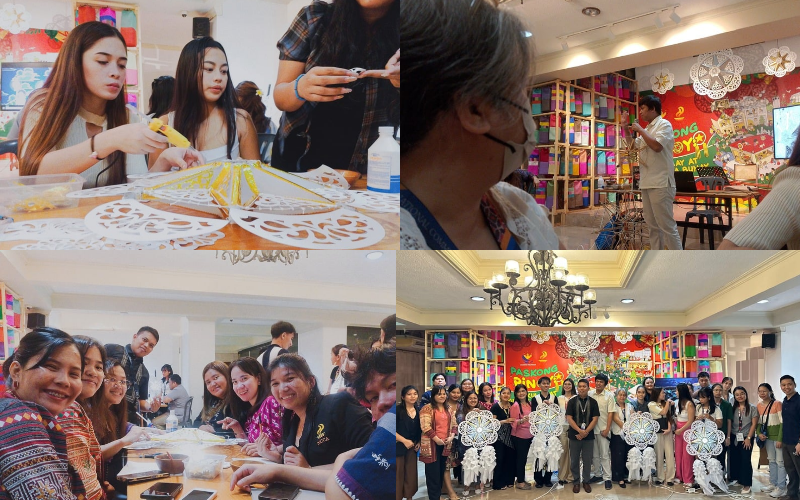
In the Philippines, the parol emerges as early as September—bright, star-shaped, and unmistakably Filipino. In Korea, the Jinju silk lantern embodies an equally rich story. Originating from the Imjin War of 1592, lanterns along the Namgang River once served as signals to protect the city. Over time, Jinju became a tradition that flourished into art.
Jinju silk lanterns, made of hand-stretched silk over bamboo frames, are now central to the Jinju Namgang Yudeung Festival. Their soft glow and meticulous craftsmanship have turned them into cultural icons, beloved both locally and internationally.
The parol carries its own legacy. As explained personally by Harvey San Miguel, head of Magalang Traditional Lantern Makers and my interviewee during the opening ceremony, the parol was historically a community effort—one that fostered camaraderie and lifted spirits. More so, he was part of a two-hour lantern workshop at the KCC-Phil on December 5, in the afternoon.
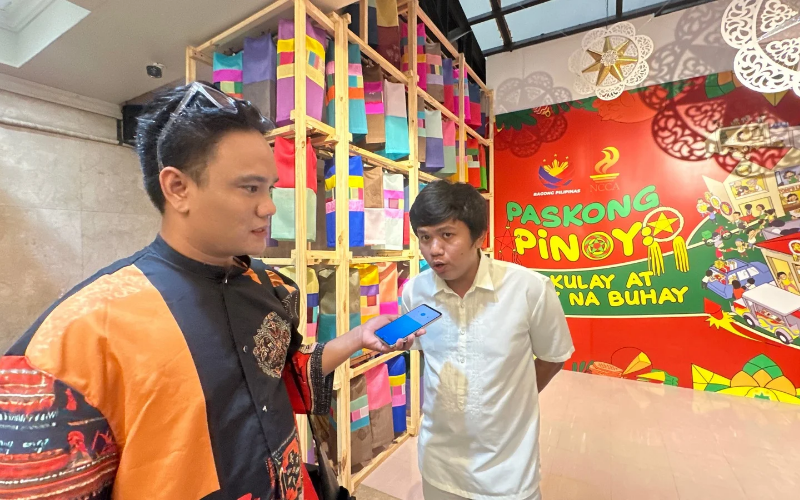
He emphasized to young people worldwide: “We should enrich our identity by preserving our own traditional craft—the parol.”
Harvey San Miguel is a Kapampangan artisan and a Fine Arts graduate who has helped shape and promote Filipino art within his community.
In his community, he doesn’t just create art—he nurtures it, champions it, and reminds people that Filipino creativity is not merely something to admire, but something to protect. Through his work, he shows how a single artist can keep a culture’s light burning.
His home province, Pampanga, is known for its intricate lantern designs and dancing lights—traditions that helped the City of San Fernando earn the title “Christmas Capital of the Philippines.” This distinction was not achieved overnight but built through generations of creativity, craftsmanship and cultural pride.
Sparked Thoughts: How the Workshop Lit Their Reflections
From December 5 to 12, 2025, I interviewed participants of the lantern-making workshop held at the Korean Cultural Center (KCC) in the Philippines. Among them was Sherwin Nasol, a Korean culture enthusiast who found the activity deeply enriching. “It was a meaningful and calming experience,” he shared.
“Creating the lantern by hand made me appreciate the artistry behind both traditions, and it felt special to build something that carries cultural history.”
He also reflected on the shared symbolism of the Filipino parol and the Korean Jinju lantern. Speaking with the Honorary Reporters, Sherwin explained, “Both symbolize light and hope, but they express it differently—Filipino parols are vibrant and star-shaped, while Jinju lanterns are elegant and delicate. Despite the differences in design, both carry a deep sense of warmth and community.”
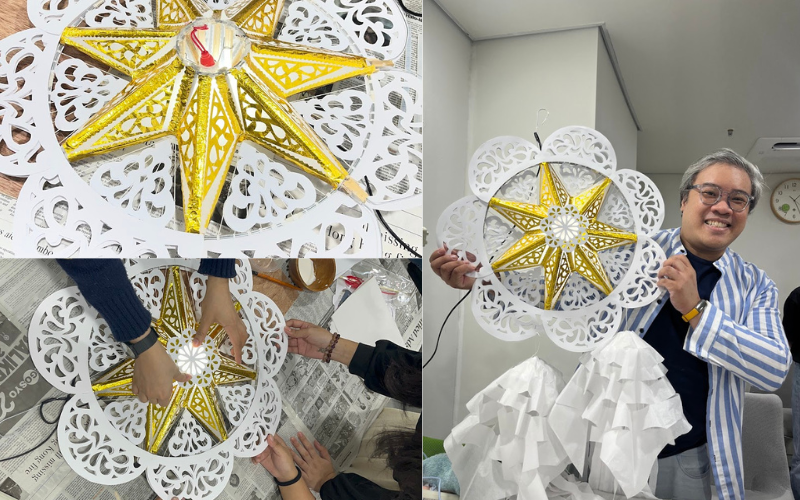
For Sherwin, the workshop evolved into something far more meaningful than a simple craft session. It became an avenue to see how cultures meet through common values. “The workshop showed me how both cultures value light as a symbol of guidance, unity, and celebration,” he said.
“Learning the Korean technique while remembering my own heritage helped me see how traditions can connect people beyond borders.”
He added that creating both lanterns allowed him to bring personal symbolism into the holiday season.
“My lantern represents peace, gratitude, and new beginnings. This season, it reminds me to carry light with me—both for myself and for others.”
An immersive reflectionㅡ Shining through with Joy, Love, & Hope
I am beyond thrilled experiencing the Light the Season, which became more than a cultural showcase; it felt like a commitment that shared a reaffirmation of harmony, creativity, and heritage, shining more brightly.
Looking into: the two meaningful symbols took my admiration: the Filipino parol and the Korean jinju silk lantern. Though they come from different cultures, both lanterns share a common purpose, which can lift the spirit of the people, guide the heart, and enlighten the path forward.
Let us start my very own Filipino tradition, ‘The parol,’ whose name traces its origin to the Spanish farol, is more than a Christmas ornament in the Philippines.A tradition that connects the family and reignite their hearts in spirit of Christmas, especially matching Noche Buena(Spanish for "Christmas Eve Feast"), a midnight feast that includes variety of Filipino food like hams, bread, spaghetti, pancit, puto (rice cake), which family, friends, and relatives shared together after the final mass on Christmas eve.
Moreover, Another remnant part of Filipino spirit, It is a reminder of resilience in a country visited by countless storms. Personally, each year, as typhoons strike and communities rebuild, the parol quietly returns—hanging outside homes, lighting street corners and spreading a message we never outgrow. Its glow tells us that despite the darkness we face, there is always room for hope.
On the other hand, the jinju silk lantern carries a similar sentiment. In Korea, lanterns have long been used to guide wishes, prayers and heartfelt intentions. Made with care and precision, they shine softly, reflecting the Korean value of harmony and inner peace. When lit, the lantern feels like an affirmation that life, even with its struggles, can still unfold beautifully.
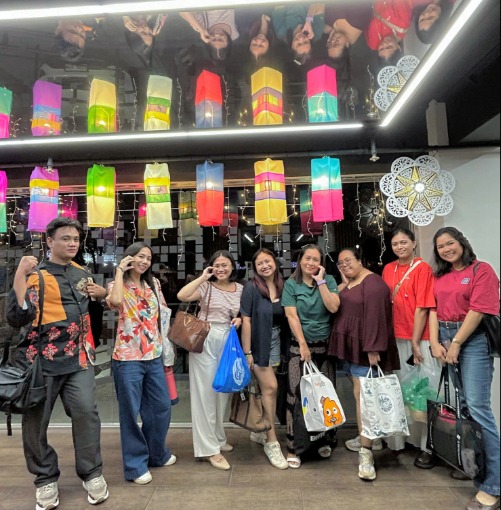
Thinking about both lanterns, I found myself reflecting on the many challenges communities have endured this year—families displaced by typhoons, areas shaken by earthquakes and the quiet stories of loss that rarely reach the news.
My wish this Christmas is simple yet earnest: may these lanterns offer strength to those who continue to rebuild their lives. May their light symbolize protection and spiritual comfort for those who have suffered. And may every glimmer remind them that countless hearts are standing with them, hoping for calmer days ahead.
Despite everything we face, Filipinos continue to show unmatched resilience. Even when life brings us to the edge of uncertainty, we find a way back—through faith, through community, through the sheer courage to start again. Hope, after all, is not always loud. Sometimes it is found in small gestures, quiet prayers or a lantern glowing softly in the night. We need that warmth in moments when the world feels heavy. We need that light to remind us that darkness is not permanent, only passing.
Life moves in cycles. There are moments that lift us up, and moments that pull us down. But when we recognize hope—even in its simplest form—we find the strength to breathe, to begin and to keep moving forward. That is why lanterns matter. They speak the language of encouragement without saying a word.
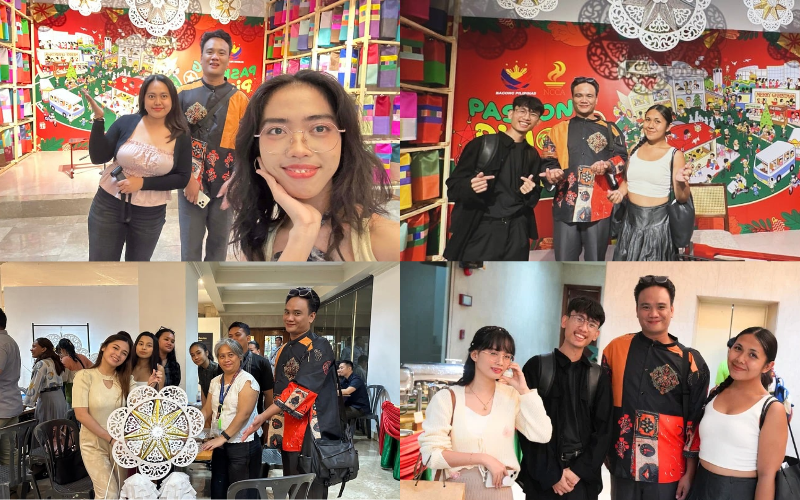
This brings me back to Light the Season: A Korea–Philippines Lantern Celebration. More than an event, it felt like a shared promise between two nations—one that acknowledges the value of unity, cultural pride and friendship. Seeing Filipino parol artisans and Korean lantern traditions showcased together was a powerful reminder that light grows brighter when shared. The celebration revitalized the spirit of hope not just individually, but collectively. It showed how two cultures, despite their differences, can illuminate one message: that we rise together.
It is this sense of shared resilience and mutual respect that made the celebration meaningful. Each lantern, whether Filipino or Korean, became a symbol of the ties that continue to strengthen both countries. They represented our desire to build a better, brighter future—hand in hand, culture to culture, and heart to heart.
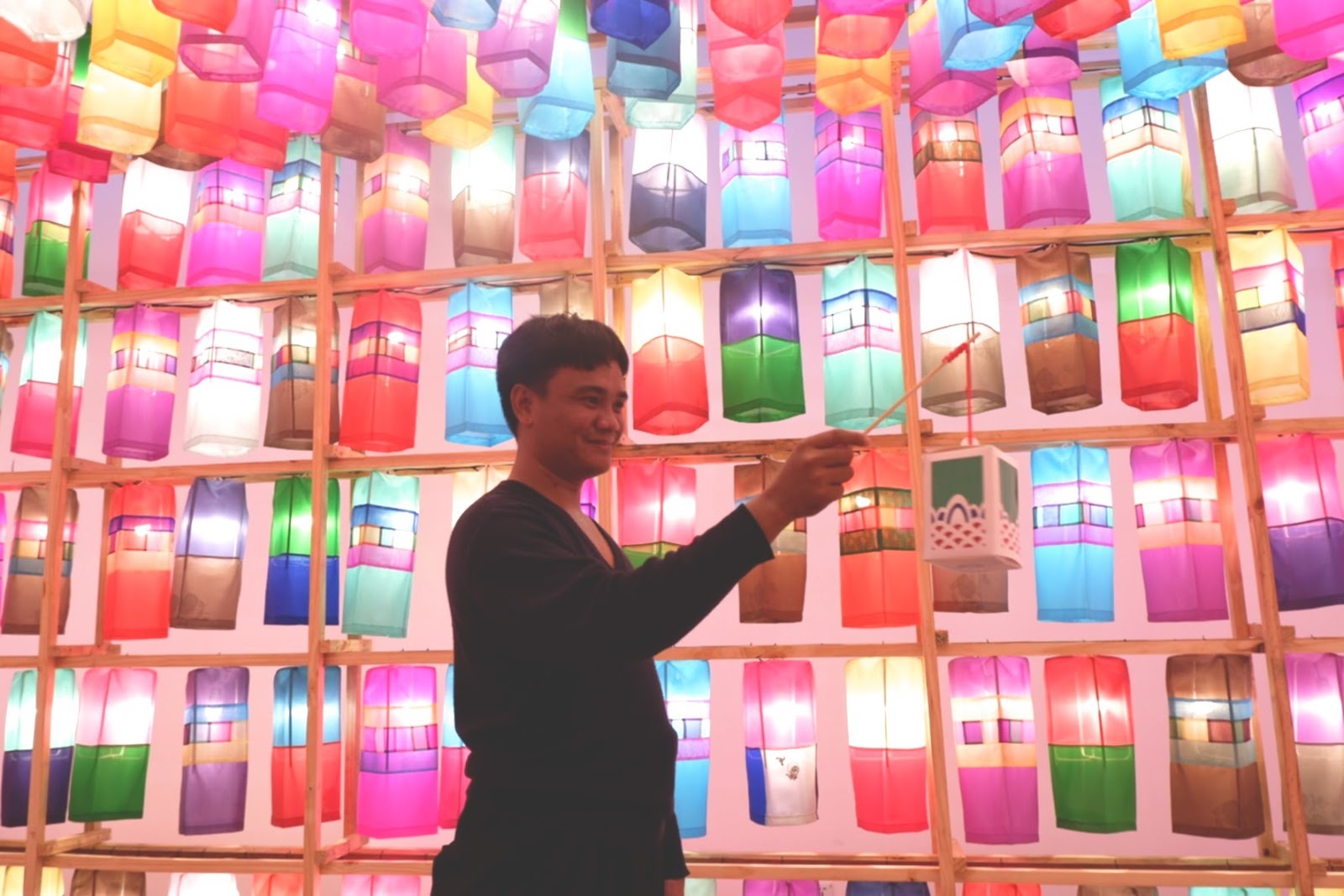
In the end, light is never just about brightness. It is about guidance, comfort and the courage to hope again. And this season, as lanterns glow across streets and skies, may we all carry that message with us.
How about this article?
- Like0
- Support0
- Amazing0
- Sad0
- Curious0
- Insightful0