The month of May in the Republic of Korea is a month of togetherness. It is a time when differences are respected, families are cherished, and love becomes the center of celebration. On May 1st, beloved workers are recognized for their hard work. They are the pillars of society, and their contributions are the lifeblood of the nation; without them, the country cannot progress. May 5th is a day to reminisce about our childhood—the good old days that shaped the people we are today. It is also a day to appreciate children, as they are the hope of the nation’s future. The sacrifices and love of parents are honored on May 8, teachers are celebrated on May 15, and togetherness is cherished on May 20.
As someone who has experienced both Filipino and Korean cultures, I have noticed some similarities between the two. Let's talk about the values highlighted for this month. Here are the things I have realized and learned as I immersed myself in both my own culture and Korean culture.
Respect begets respect
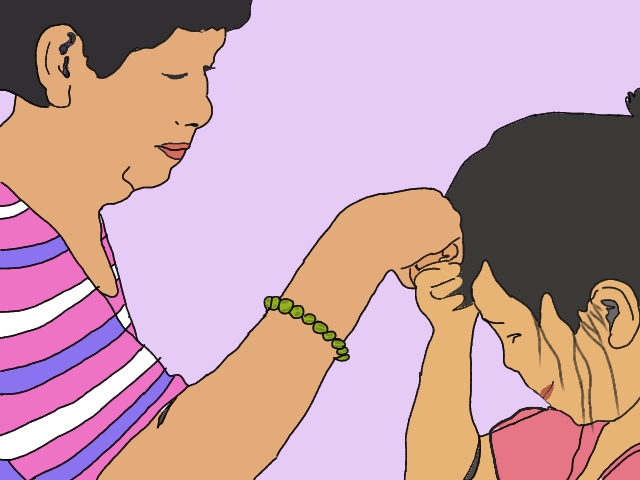
There’s a biblical passage that goes, “Do not do unto others what you don’t want done unto you.” This is the golden rule; it is the foundation of why respect should exist in a community. If you want to be respected, you must also respect others that is why how you treat others matters. Respect plays a significant role in both Filipino and Korean cultures. In the Philippines, we have a gesture called “Mano”—a practice where the youth take the hand of an elder and gently place it on their forehead. It is more than just a sign of respect; it is also a way of seeking blessings for life’s endeavors, acknowledging the wisdom and experience of the elderly in guiding one toward the right decisions and path.
In Korea, bowing is an essential gesture, especially when meeting someone for the first time. Though simple, it carries a deep meaning—a quiet, graceful expression of humility and respect. These practices are languages of kindness and love that transcend words and logic. There’s more to them than what meets the eye, and that’s why they continue to be practiced even today.
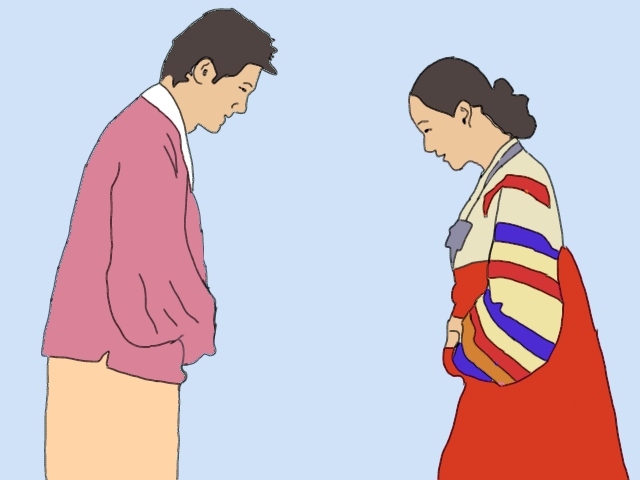
Both cultures also value the importance of status, ranks, and seniority. Think of those moments when you give way to someone—an elderly person, a person with a disability, or an expectant mother. These small acts reflect a deep cultural respect rooted in empathy and human dignity.
Love is the unseen rope that connects hearts
No matter the culture, traditions, or beliefs, when love dominates, everyone becomes united. It is the universal language—a rope that binds us together. Ever wondered why there is misunderstanding and disconnection among individuals? It's because of hatred. With love, we become more mindful of how others feel. We listen better, empathize and sympathize more deeply, and understand each other more fully. When you love someone, you accept them despite your differences. Think of a parent who is willing to embrace their child again, despite disagreements, arguments, and even the hurtful words exchanged. Or a teacher who shows understanding toward a student—whether he agrees or disagrees, he always upholds respect and kindness, offering nothing but care and love for that child. Oh, how beautiful the world would be if we only let love dominate at all times. We could live in an amazing world where negativity and hatred cannot grow or thrive, united by one goal: to make the world a better place to live in.
Value Time with Loved Ones
Everything is fleeting. Our childhood never comes back. To be honest, there are times when I wish I could return to those days—when life felt light and carefree, and we played like there was no tomorrow, far from the pressures of the world. But I can't. If there were a way, I would definitely go back. Now, all I can do is reminisce about the good old days. As we celebrate Children’s Day, we are not only acknowledging the hope of tomorrow but also being reminded of the time we spend in this world. Just like childhood, everything is fleeting. That is why we should cherish every moment, value our time with our loved ones, and live life to the fullest—because we only live once.
Together is better because we become stronger
Ants are small, but they work together—and that is something commendable. The gift of togetherness makes us all stronger. A big task becomes lighter when everyone comes together as one.
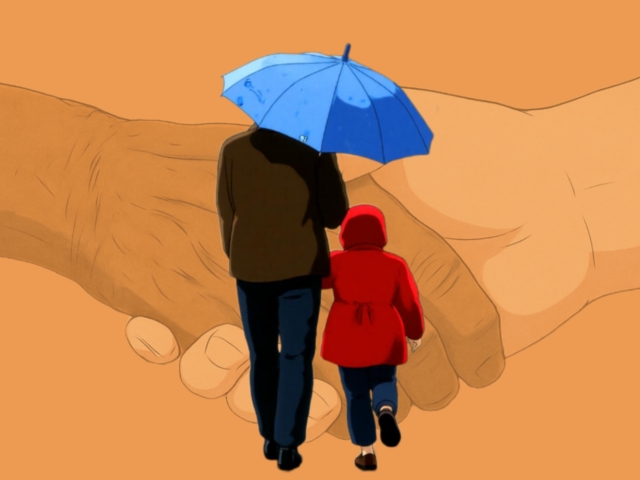
In the Philippines, there's a tradition called Bayanihan, where neighbors work hand-in-hand to help a fellow community member move a hut. Today, this spirit lives on in the form of volunteerism, charity, and collaborative efforts. Similarly, Korea has a concept called Jeong. It’s difficult to define because it transcends simple explanation. Think of it as a deep sense of caring and helping others without expecting anything in return. It is high time we realize that we don't work and contribute solely for ourselves, but also for the good of others. Our collective efforts can lead to progress and prosperity.
We often hear about these values and are constantly reminded to uphold them. So let us live by them—not only during this month of May, but all year round. A beautiful world awaits those who respect and love one another.
How about this article?
- Like2
- Support0
- Amazing0
- Sad0
- Curious0
- Insightful2