Certain images and ideas come to mind when one thinks of Korean music, from polished sounds, perfect performances, and high-energy pop music. These assumptions of “idol” groups have been crafted over the years. But as Korean music gains more traction and continues to evolve, more artists are refusing to be boxed in a specific category or image. Instead, they choose to become musicians beyond the standard playbook, crafting their own identity, and developing their own sound.
One of the groups leading this is The Rose. Their story is rooted in humble beginnings, starting as buskers in the streets of Hongdae. After eight years, the group has not only toured the world, but also performed in famous music festivals, including Coachella. The quartet consists of Woosung (Sammy), Dojoon (Leo), Hajoon (Dylan), and Taeyegom (Jeff)—all former K-pop trainees who decided to form their own rock band and make their own music. Their debut single Sorry reached over 60 million views on YouTube. Its emotive, pop-rock sound, as well as relatable lyrics, resonated with many listeners across the globe.
It seemed to be going well for them, until a 2019 lawsuit with their label deterred the momentum and forced them into a hiatus. It wasn't easy, but The Rose pushed through for their comeback—this time on their own terms. Their inspirational story is the subject of a new documentary, The Rose: Come Back to Me. The members give viewers an intimate access to their personal struggles and artistic determination for the first time.
Ahead of the documentary's release in Hong Kong, I caught up with director Eugene Yi and producer Diane Quon. They discuss the making of the documentary, the group's underdog story, and their eventual rise in the global music scene. Below are their responses via email dated March 21, 2026.
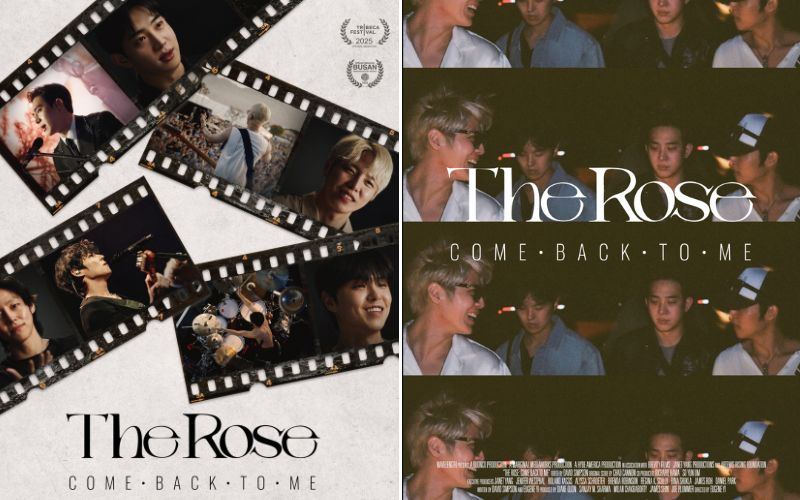
How did you become involved with making the documentary? What made you interested in telling The Rose’s story?
Diane Quon: One of our executive producers, Janet Yang, is a friend of James Roh, the manager of The Rose. James had shared the story of The Rose with Janet. When Janet shared the story with me, what drew me was the underdog story of young people bucking the system who are determined to pursue their dreams and do it their way. I was also curious as to why we don't have more Asian rock bands in the mainstream in the US. We had some initial conversations via Zoom with the band, and when I saw their commitment to sharing their stories, as well as their commitment to the message of healing through music, I wanted to tell their story.
Eugene Yi: I have long been fascinated by Korean rock music. I grew up in Los Angeles, so there was plenty of K-pop around me. But whenever I’d hear a Korean rock song, my ears would perk up. I like the genre in general, but I also started wondering where the band was from, whether they had been in the K-pop system, whether they had emerged independently… all sorts of questions. So Diane Quon, whom I have worked with previously, reached out to me, and spoke with her and producer Sanjay Sharma about collaborating on this project. I was instantly interested. As I learned more about The Rose’s story of going from the K-pop system, to busking, to Coachella, I found the band’s story to be quite unique, and exactly the kind of film about Korean musicians I’d always wanted to work on. I felt like this film needed to be in the world.
What were your first impressions of The Rose and how did that change while making the documentary? What do you think sets them apart from other Korean groups?
Diane Quon: My first impression was that they were so talented. I wasn't familiar with their music, but I became a fan very quickly. I wouldn't make a film about them if I weren't a fan of their music. I admired the fact that they wrote so much of their own music, and how independent they were committed to being. They make their own music, and determine their release dates. Even with having managers, ultimately, they make their own decisions, which I feel is so different from other Korean groups.
Eugene Yi: I’ll add that they were all very good-looking. But also, they were so willing to be open and honest in a way that really makes them stand out. That’s tied to the independence that Diane mentioned. It’s no secret that the image-making machinery of the Korean pop music industry keeps the public persona of many celebrities squeaky clean. But these guys speak with such openness and insight on the range of knotty topics: mental health, their experience as trainees, their legal troubles, and the ups and downs of being in a band. It’s really quite rare, and I don’t think they could if they were in a traditional agency situation.
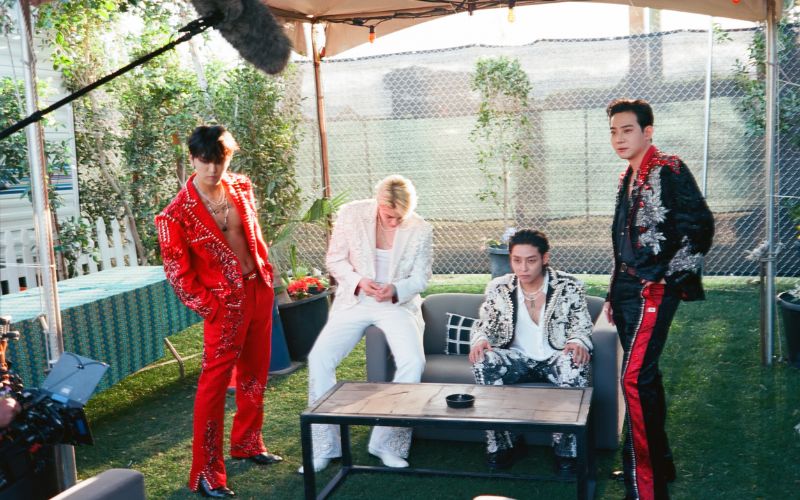
Besides being the focus of the documentary, were they involved creatively in any way? How would you describe working with them?
Diane Quon: For every documentary I make, I always share a cut with the main participants before I “lock” the film. I feel strongly that they should see the film before the rest of the world sees it. After we showed the band the first cut, they had some helpful thoughts, and we definitely listened to any concerns or suggestions they had. At the same time, they were very respectful and were always open to listening to us about our choices. They were great to work with.
What did you want to focus on with the documentary? What was your process like?
Diane Quon: We wanted to feature their music, but what was most important to us was showing their individual and group journeys, including the ups and downs. We hoped that by sharing their stories about mental health, it might help others going through challenges in their own lives.
Eugene Yi: From early on, we knew the scenes about mental health would be the heart of the film. A huge credit goes to the editor, David Simpson, for crafting those scenes with such artistry. Writ large, every topic in the film reflected the genuineness and candor the guys brought to the conversation about mental health. It's really so rare to hear any artists be this open. So we wanted to be sure to respect what they’d shared. Beyond that, we wanted to make sure that the guys’ artistry shone. Sometimes films can get very involved in trying to explain everything, but we were happy to let the guys’ music speak for itself.
Were there any creative decisions that you had to ponder upon, and what made you ultimately decide to go in that direction?
Diane Quon: We definitely pondered whether to use the members' English or Korean names. We just knew we wanted to be consistent, whatever decision we came to, so as to avoid confusion for audiences who aren't familiar with the band. Another question was, “Do we add more music and make it more of a music documentary?” In the end, most of the team are documentary storytellers who hope to share a message in our films. The story was the most important, and the music was put in when it supported the story. For instance, when we decided to include Taegyeom's (Jeff) struggle with depression, it was then that we decided it was important to include the song SeeSaw.
Eugene Yi: The use of animation was never in question, but we did discuss the style a bit. The guys were working on their new album WRLD at the time, and they ended up sharing their mood board with us. Thematically, it involved a return to basics, to simplicity, to innocence. We shared that with our animator, Nayon Cho, who channeled those ideas to create some wonderful work.
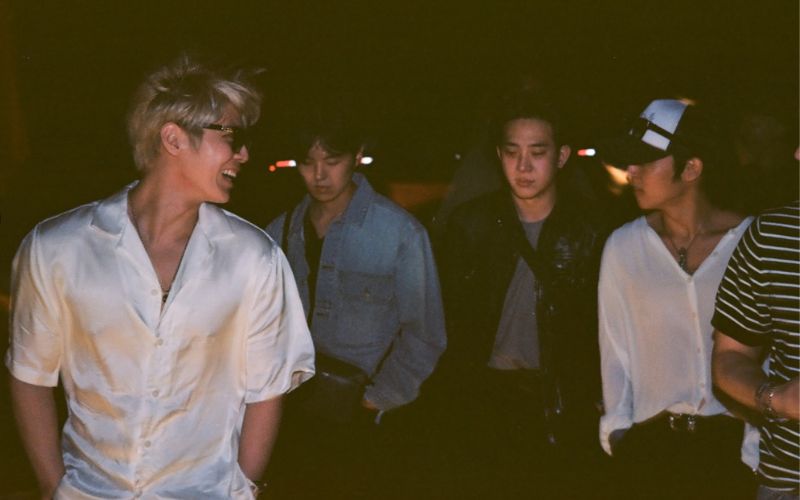
The documentary shows how The Rose and their music connect to people. After working with them, did you feel any connection with them as well?
Diane Quon: Definitely. I can't listen to their music without thinking of them and the message they are trying to convey to us. There’s so much meaning that I can relate to in my own life.
Eugene Yi: That connection manifests itself in the fandom community, the Black Roses. It’s been a joy to have this film screen everywhere it has, and to meet so many of them! Their presence created these wonderful opportunities for connection, and they have welcomed the film team into their community as well. It’s truly been a highlight of having worked on this film.
Being an indie group comes with both challenges and opportunities. How do you think The Rose has used that to their advantage?
Eugene Yi: “Indie” is short for independent, of course, and that’s pretty central. The Rose’s story is such an unlikely underdog story, and it wouldn’t have been possible without the band and their team charting a path that felt right for them. Their independence lies at the root of their decision-making, whether it’s the kind of music they make, their candor in discussing their lives, or their business choices. We go into the challenges and opportunities in the film, but suffice to say, the outcome was to get them to one of the biggest stages in the world. It’s a testament to the challenges they’ve overcome and the opportunities they’ve seized. As Clive Kim, a member of their management team, says, when he thinks of The Rose, he thinks of freedom. And I hope it helps audiences find other independent artists—Korean or otherwise—who are creating and marching to the beat of their drummer.
The members weren’t afraid of being vulnerable, open even. Can you tell us more about showing those moments?
Diane Quon: We knew we had to build trust, so it was important to us to always have the same small crew. It was also wonderful to have Eugene as a director, who could speak Korean so that members could feel free to respond in whatever way felt most comfortable. We always made it known that our intention was never to reveal anything that, in the end, they didn't want in the film; just because we filmed it, did not mean it would be in the film.
Eugene Yi: A lot of credit goes to Diane, and to co-producers Rich Hama and So Yun Um, for comprising that small crew and for helping the guys get comfortable. But we all also believe in a general framework that thinks of the guys not as subjects of a documentary, but as participants. Our aim was not to extract a commercial story from them; it was to honor what they wanted to share, and to tell it to the best of our ability.
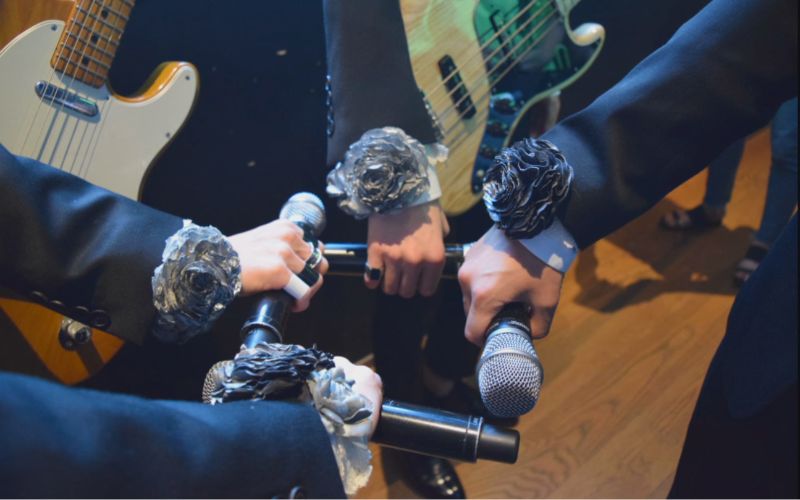
What’s the biggest takeaway you learned while working on the documentary and with The Rose?
Diane Quon: Following and pursuing your dreams is definitely worth it—but it's not easy.
Eugene Yi: Yes! So much about following your dreams is about finding the right people and building the right environment. And none of it is easy, or without missteps. But I think of Dojoon (Leo) talking about how they essentially took the rigorous ten-ten schedule from the K-pop trainee schedule (working from 10 am to 10 pm) and forced themselves to follow it, even after they’d left the system. That is just extraordinarily disciplined. The guys left the K-pop agencies, and built a system that worked for them—one that valued them, and allowed them to flourish. I think about that a lot: how each of us can build the world around us that allows us to be our best selves, and how that can change the world.
How about this article?
- Like1
- Support0
- Amazing0
- Sad0
- Curious0
- Insightful0