Africa Yoon, née Engo, a Cameroonian American author, cultural advocate and the founder of Blackyoonicorn, has built a global platform that bridges communities through Korean culture, food and education. She is the author of “The Korean: Single and obese then Kimchi Changed Everything”. A Journey of healing through Kimchi all while finding strength in reclaiming her own Cameroonian food experience to heal, she explores how food carries memory, medicine and how belonging can be unlocked from the lessons learned during the sometimes-long process of making traditional foods. With her upcoming book, “Culture & Commerce”, set to release later this year, Africa continues to illuminate the ways tradition and culture fuel innovation in emerging markets across continents, emphasizing why businesses should respect these elements when entering local markets.
As someone who has experienced Korean culture from a deeply personal perspective, she offers insight into how cultural appreciation can evolve into meaningful community-building.
This interview is significant because it highlights the power of Korean culture as a bridge, connecting people across continents, identities and lived experiences. Through Africa Yoon’s story, we explore how cultural exchange can inspire transformation, entrepreneurship and global dialogue.
The following are excerpts from an email interview with Yoon from December 18 to January 16.
1.Can you tell the readers a bit about the Lunar New Year?
Well. The Year of the Fire Horse only occurs once every 60 years in the Korean zodiac (십이지신) (sib-ijisin), making it a rare and significant event. It's a year that can't be ignored, as it brings a powerful energy that can lead to significant transformations and new beginnings. I am born in the year of the Horse. So, while that doesn’t mean it’s my year per se, since it’s not like the western zodiac. I do know how to handle the personality of this year.
2.You know a lot about culture, is that in general or just Korea? Your professional journey is closely connected to Korea. How did your initial interest in Korean culture develop into long term professional work related to Korea?
At Blackyoonicorn, the cultural intelligence agency that my husband, Byongchan Yoon, and I run, we promote cultures to the general public, as well as advising corporations about local cultures when entering emerging markets in Asia and Africa. My husband, who's our Chief Technology Officer, translates this into advice on managing global tech teams. I'm excited to share that I have a book coming out later this year, titled 'Culture and Commerce Emerging Markets: Insights, Strategies, and Case Studies for Asia and Africa'. The foreword of my book is special because it’s written by three incredible people from very different worlds. Garry Titterton, a legendary British advertising executive with deep experience across Asia and globally; Dr. Songyee Yoon from Korea, who brings a forward-thinking tech perspective; and Dr. Djibril Diallo from Senegal-Africa, a UN veteran who truly understands my world. Together, they set the tone for a story that bridges cultures, continents, and careers. Much of my understanding of culture comes from extensive travel and prolonged immersion in local cultures—including Korea, which I return to often, both for personal reasons and for professional purposes. My mission is about fostering peaceful connections among people, with culture as my key tool.
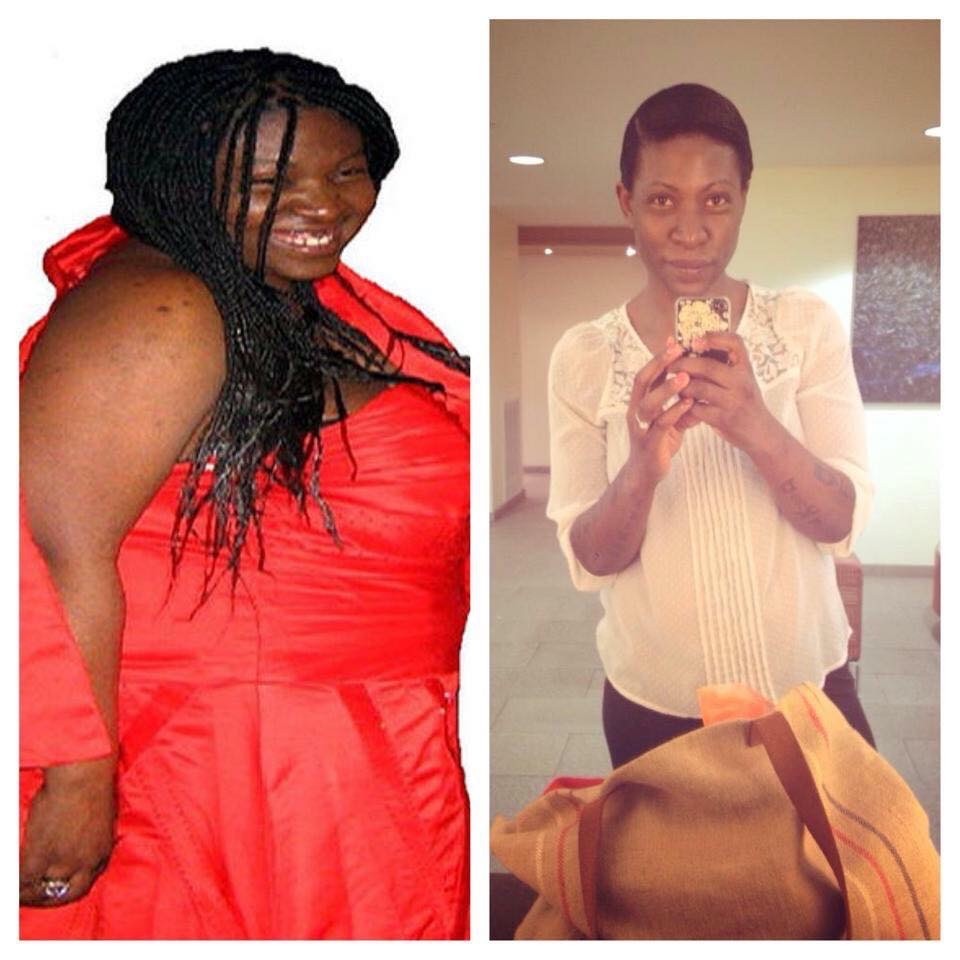
My initial exposure to Korean culture came from growing up in New York and NJ surrounded by Korean and Korean American people. Additionally, my father was a United Nations Ambassador, which exposed me to various cultures, including Korea. In my twenties, an encounter with an elderly Korean woman in a grocery store sparked a friendship that led to a transformative journey. Through a high-fiber, high-protein, plant-based diet centered around kimchi, I lost 110 pounds in a year. This journey is detailed in my memoir, 'The Korean: Single and Obese then Kimchi Changed Everything!' (http://thekoreanbook.com). This experience garnered more attention for me professionally in Korea as well.
3.Do you live in Korea?
Hawai’i is home. When in Asia I have a home in South East Asia, but I travel frequently to Korea and have family in Korea. When in Africa my home base is Cameroon.
4.Can you tell the readers more about yourself and your family?
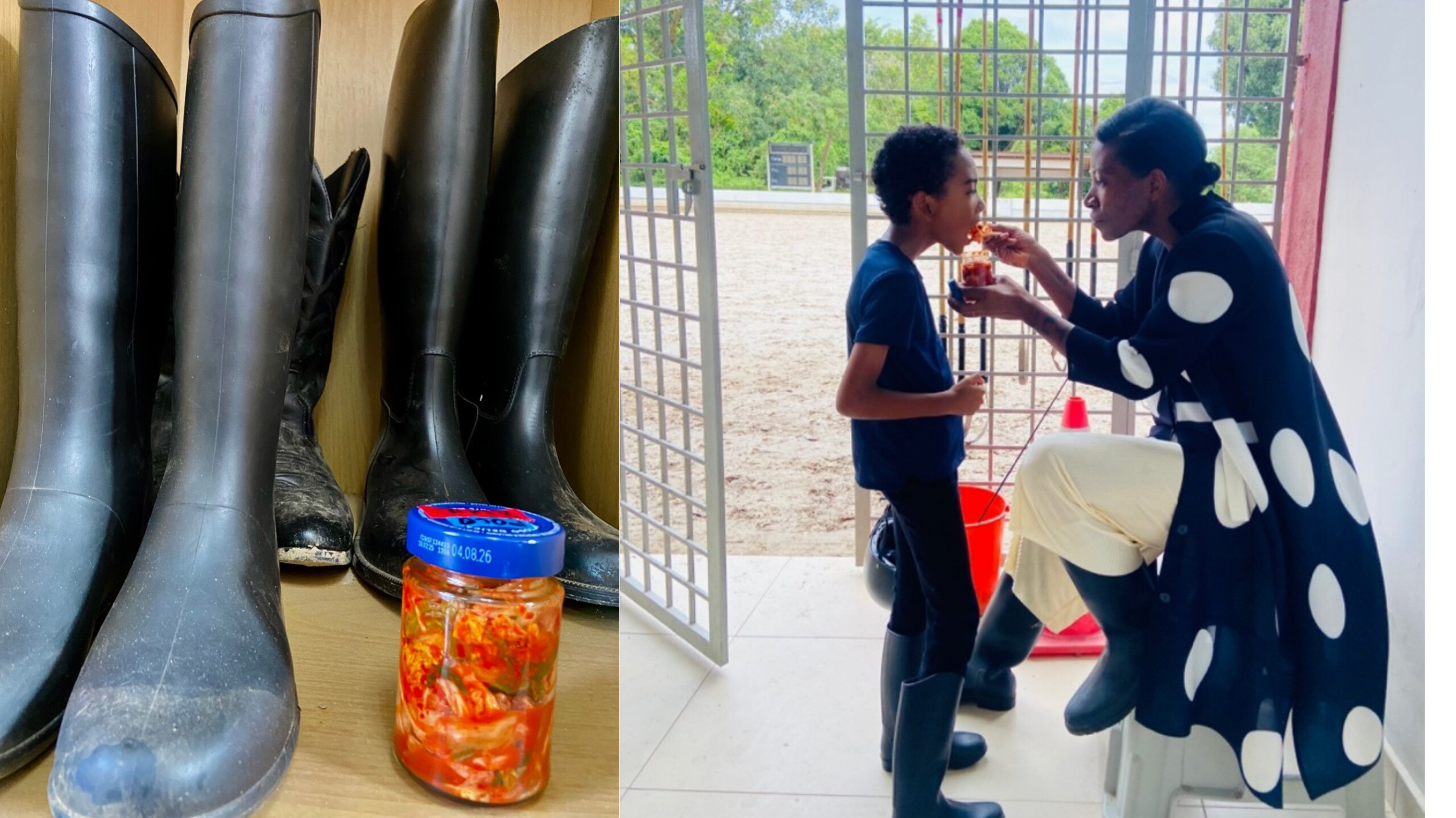
I’m definitely full-trot with my three kids and husband-we’re a truly global family. It’s a must for my work, but even more so for my children, who are multiracial, to grow up with a strong sense of identity as Asian African Americans. My son, Hyung-Beau, is actually a cavalier in training-he’s learning to play polo under the guidance of a great Argentinian, Patricio Furlong, founder of Colts Polo Singapore, who partnered to launch the wonderful 828 Polo in Malaysia. Then we try to have him keep up wherever we are travelling. Polo is everywhere there is even a movement in Korea with a club on Jeju Island. My son first fell in love with the sport in Oahu watching matches a Hawaii Polo on the North shore. It’s an exciting sport. Because of that, I spend four to five days a week around horses. I rode as a kid, but I’d almost forgotten just how much you learn at a stable. Life, like polo, is all about strategy, timing, and handling the unexpected. Horses don’t rush if you don’t tell them to-they move with focus and feel the game. And this Year of the Horse? It’s a powerful reminder that we all have that strength, agility, and grace inside us-to pivot when we need to, keep our balance, and keep moving forward with purpose.
5.Korean cuisine plays an important role in both your personal story and professional activities. How do you use food as a tool for cultural education and exchange in your work related to Korea?
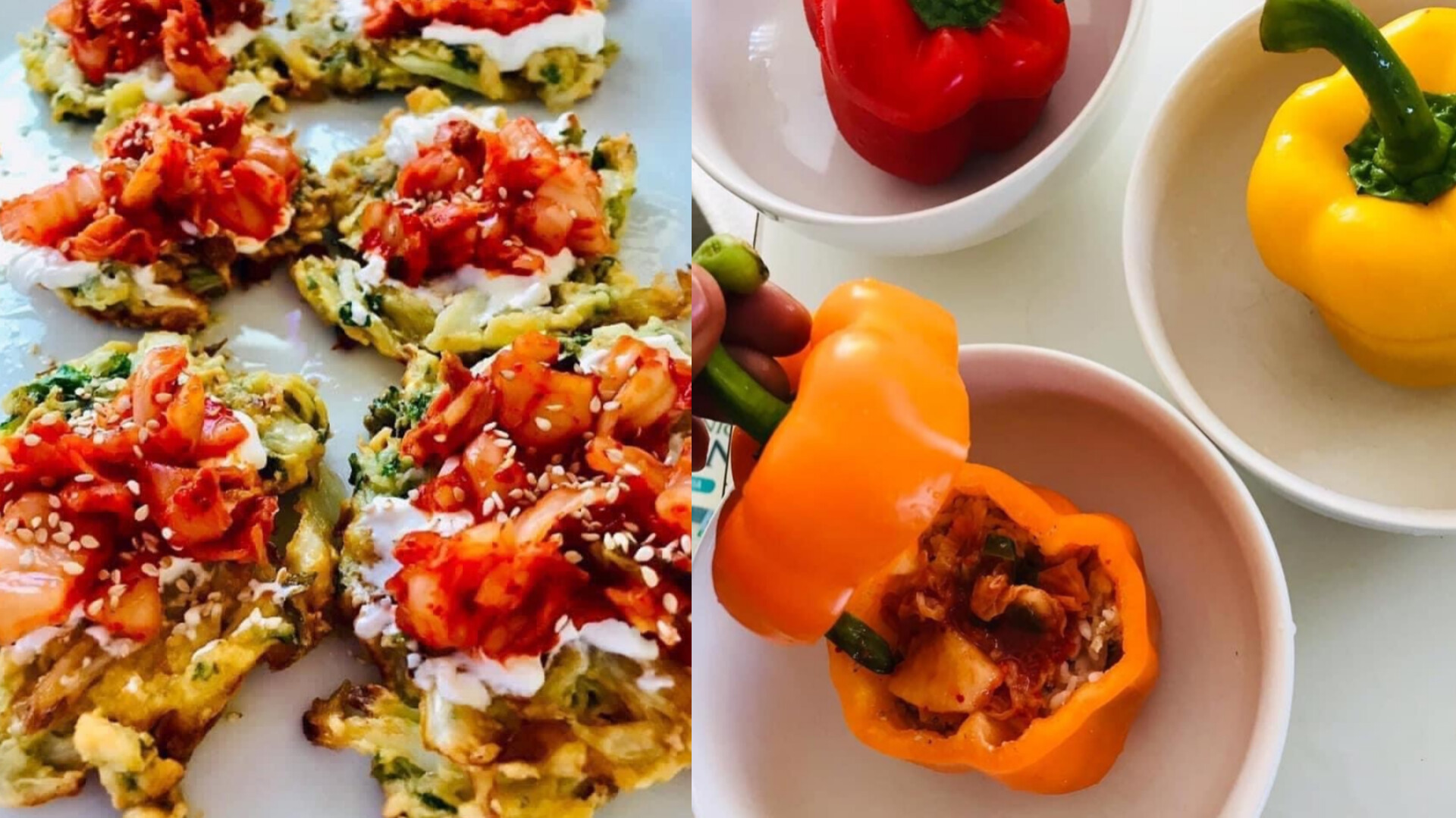
I have become a bit of an ambassador for kimchi with my story. I do have a vision that I would like to serve, and I am working on a project I cannot yet speak on... but kimchi has so much potential in sports and fitness, and I'd love to see it promoted more in those areas. It's not just delicious; it's got a ton of health benefits that could really help athletes perform at their best.
For example, kimchi is a fantastic source of probiotics, which can help with digestion and overall gut health. It's also got electrolytes, which can help replace what you lose when you sweat during workouts or competitions. It can also be used as a tool to cut weight; I can attest to that. And I would like people globally to know there are more kinds of kimchi than just the spicy red version? White kimchi is another type that could be amazing paired with different dishes, kind of like how you'd pair wine with food. With pairing kimchi people would be able to have kimchi with dishes globally. I find when I am away from Korea people are always asking me at the grocery store what to do with kimchi when they see me buying it. I do cook with kimchi but mostly I eat it for health benefits and heating it removes the probiotics, so I eat it on the side of everything and on a lot of raw foods. I use kimchi myself as an electrolyte replacement after runs, and I give it to my son to help him replenish after polo. I'd love to see kimchi become a go-to for athletes everywhere-can you imagine seeing small jars of kimchi in the hands of world-class athletes? That'd be pretty cool, wouldn't it?
6.What challenges have you encountered while working on Korea-related projects as a foreign cultural communicator, and what lessons have those experiences taught you?
The majority of Korea-related questions I receive are about my weight loss journey through eating kimchi (Korean food), and I share all the details in my book, 'The Korean: Single and Obese then Kimchi Changed Everything!' I dive deep into everything-from the specific fruits and veggies I ate to the cultural aspects of Korean cuisine that helped me achieve my goals. As well as sleep and fitness, healthy is not a one trick pony.
Another common question is about my experience as a black foreigner in Korea. I can honestly say that I've been treated with extreme love and respect, both personally and professionally. Embracing Korean culture has been key for me, and I believe that when people see that you're genuinely interested in understanding and appreciating their culture, they're more likely to welcome you with open arms.
So, my advice is this: don't be afraid to step outside your comfort zone, explore new cultures, and embrace the differences you find. You'll be amazed at the connections you can make and the experiences you'll have when you approach others with an open mind and a willingness to learn.
Africa Yoon’s journey reflects the evolving global influence of Korean culture, not simply as entertainment or cuisine, but as a catalyst for connection and transformation. Through her work, she demonstrates how cultural exchange can move beyond admiration into meaningful action and community building.
How about this article?
- Like0
- Support0
- Amazing2
- Sad0
- Curious0
- Insightful0