When Love Learns a New Language: Sign Language (수어), Silence, and Connection in K-Dramas
2026-02-08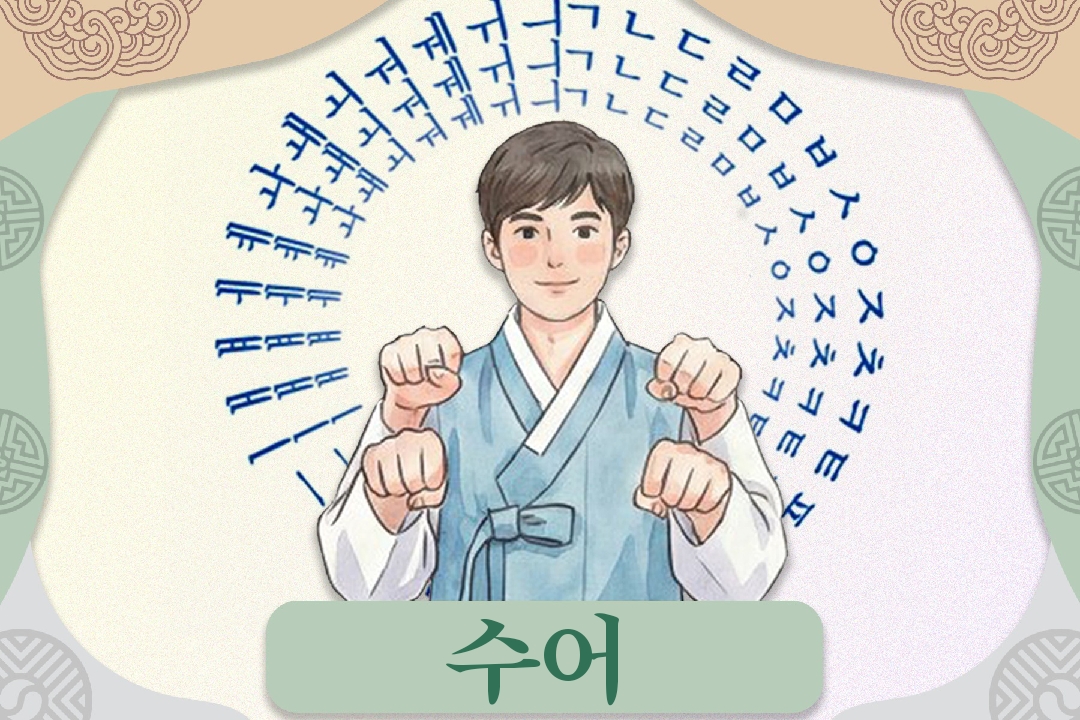
In many Korean dramas, love is carried by words, confessions spoken at just the right moment, promises whispered in quiet places. But in recent years, some stories have chosen a different path. Instead of louder emotions, they turn toward silence. Instead of words, they offer gestures. Through the presence of Korean Sign Language (수어), these dramas gently ask viewers to rethink what communication, intimacy, and love truly mean.
This shift feels meaningful. It reminds us that human connection does not begin with speech. Long before words, people understood each other through eyes, movement, and emotion. K-dramas that include sign language bring us back to that truth, that understanding someone is not about how much we say, but how deeply we try to listen.
Love Beyond Sound
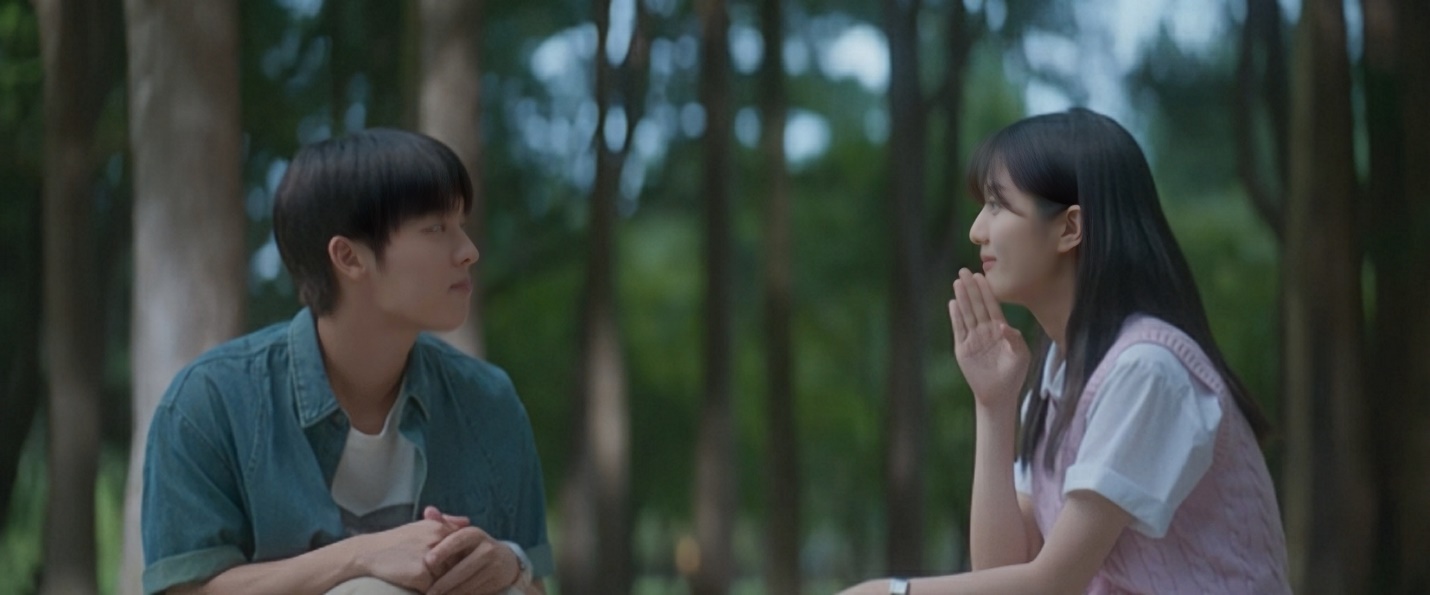
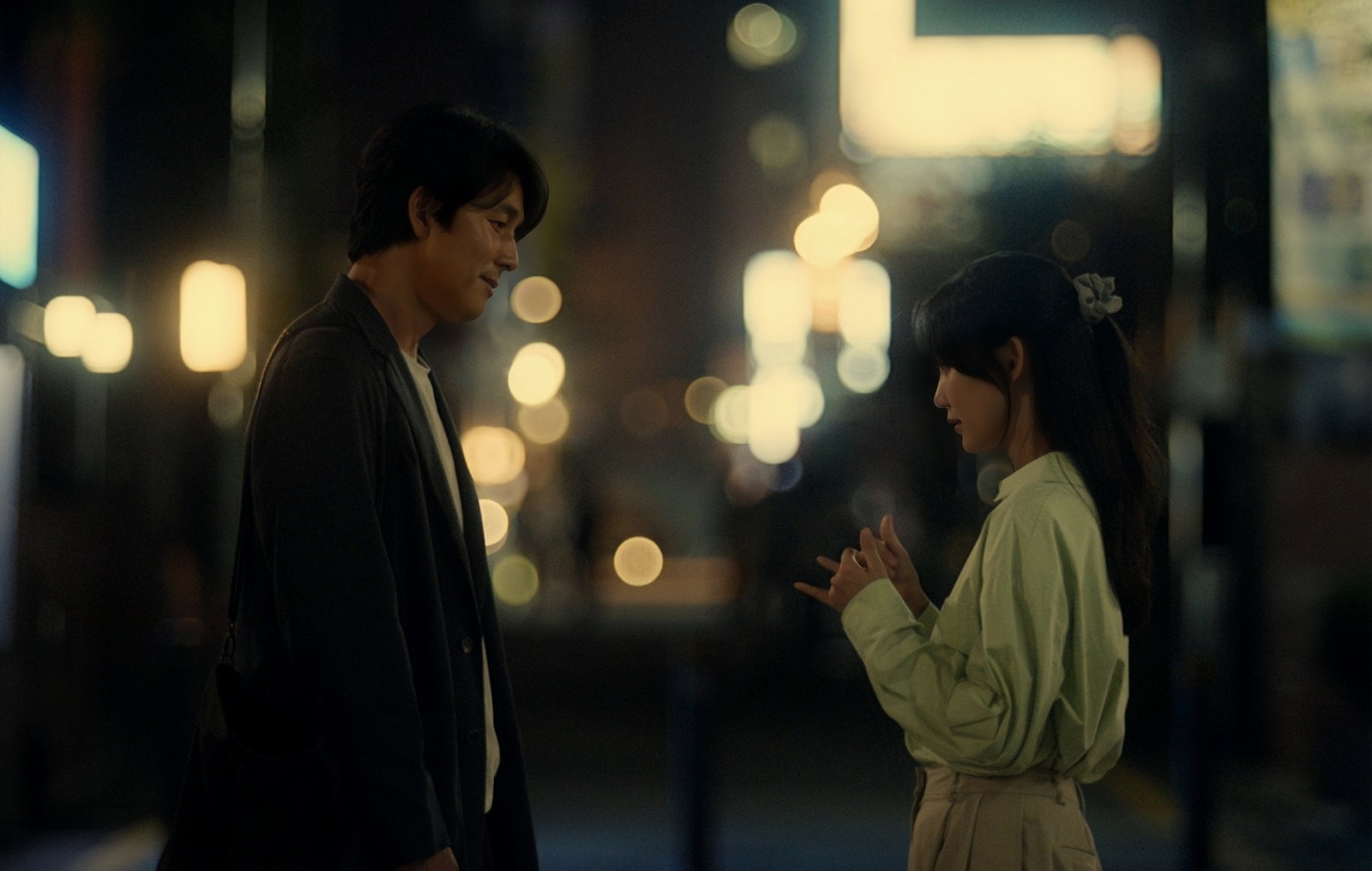
In K-dramas such as Twinkling Watermelon (반짝이는 워터멜론) and Tell Me That You Love Me, sign language is not treated as a special feature or a dramatic device. It is simply part of life. Characters communicate through their hands, expressions, and pauses, and love grows quietly between them.
What makes these stories touching is that love does not appear suddenly. It develops slowly, through effort and patience. Learning sign language is not shown as a heroic act, but as something natural, a choice made out of care. It sends a simple message: “I want to understand you, even if it takes time.”
That choice feels deeply human. In real relationships, love often grows through small, repeated acts of attention rather than grand gestures. These dramas reflect that reality beautifully.
The Power of Silence
Silence plays an important role in scenes involving sign language. Without background music or long dialogue, viewers are invited to observe more closely. A hesitation of the hands, a lowered gaze, or a slow smile can carry emotional weight.
Silence, in these moments, does not feel empty. It feels full of thought, emotion, and care. It creates space for feelings to exist without being rushed or explained. This kind of quiet communication feels especially powerful in romantic scenes, where emotions are often complex and vulnerable.
Watching these moments, we are reminded that closeness does not always come from speaking. Sometimes, it comes from simply being present.
Romance That Grows Through Understanding
Traditional romance stories often focus on dramatic moments, sudden realizations, or passionate declarations. In contrast, romances shaped by sign language feel calmer and more grounded. Love grows through shared time, misunderstandings, gentle learning, and mutual respect.
This kind of love may seem quieter, but it often feels deeper. It is built on the willingness to adapt and meet someone where they are. That willingness creates trust, and trust allows intimacy to grow.
For viewers, especially those used to fast-moving love stories, this can feel refreshing. It offers a softer idea of romance, one that values care over intensity and understanding over perfection.
Seeing and Being Seen
Including Korean Sign Language in dramas also carries an important social meaning. It brings visibility to deaf and hard-of-hearing individuals not as side characters, but as full human beings with dreams, emotions, and romantic lives.
These portrayals help normalize sign language in everyday society. Instead of presenting it as something unfamiliar or distant, the dramas show it as natural and expressive. Viewers begin to see that communication comes in many forms, all equally valid.
This kind of representation gently encourages empathy. It reminds us that difference does not weaken connection, it often deepens it.
A Mirror for the Audience
While watching these dramas, many viewers may notice themselves slowing down. They pay more attention to expressions, timing, and emotional shifts. In doing so, they begin practicing a quieter form of listening.
Perhaps this is one of the most meaningful effects of these stories. They do not just tell us about sign language; they invite us to experience a different way of connecting. They encourage patience in a world that often rushes past emotion.
In a society where communication is increasingly fast and digital, these moments of quiet understanding feel especially valuable.
Love as a Shared Effort
One of the most beautiful ideas these dramas offer is that love is something learned together. It is not about one person changing for the other, but about meeting halfway. When characters make mistakes while learning sign language, those moments are treated with warmth rather than embarrassment. Growth is allowed to be imperfect.
This reflects real relationships. Understanding someone deeply always involves effort, misunderstanding, and patience. The presence of sign language makes that process more visible.
A Gentle Message for Everyday Life
Beyond drama and romance, these stories leave viewers with something practical and important. Sign language is not strange. It is not something to stare at or avoid. It is simply another way people speak to each other.
If you ever see two people communicating through sign language in public, the kindest response is respect. Do not interrupt. Do not assume. A smile, patience, and awareness are often enough.
Learning even a few basic signs can be a quiet act of kindness. It shows openness and curiosity, the same qualities that allow love to grow in these dramas.
Listening with the Heart
In the end, K-dramas that include Korean Sign Language remind us of something simple but powerful: love does not depend on sound, it depends on attention. It lives in the willingness to understand, to wait, and to care.
These stories show that connection can be built through silence, that romance can grow through effort, and that communication has many beautiful forms. Perhaps that is why they stay with us, not because of what is said, but because of what is felt.
If we carry one lesson from these dramas into our daily lives, let it be this: listen more carefully, respect different voices, and remember that sometimes, the most sincere conversations happen without words.
Image credits: Screenshot from episode 14 of Twinkling Watermelon (반짝이는 워터멜론), courtesy of tvN (2023), and Screenshot from episode 5 of Tell Me That You Love Me(사랑한다고 말해줘), courtesy of Disney+ (2023).Used for reporting and review purposes only.
How about this article?
- Like4
- Support0
- Amazing0
- Sad0
- Curious0
- Insightful0