Seoul’s Cultural Spaces After Dark: How Korea’s Night Libraries and Cultural Centers Are Redefining Urban Life
2026-01-11In January 2026, Korea continues to gain international attention not only for K-pop, dramas, and cuisine, but also for the way it reimagines public space. One of the most distinctive and increasingly influential trends is the rise of night libraries and late-hour cultural centers, especially in Seoul. These spaces reflect Korea’s evolving lifestyle, academic culture, and commitment to accessible education and community life.
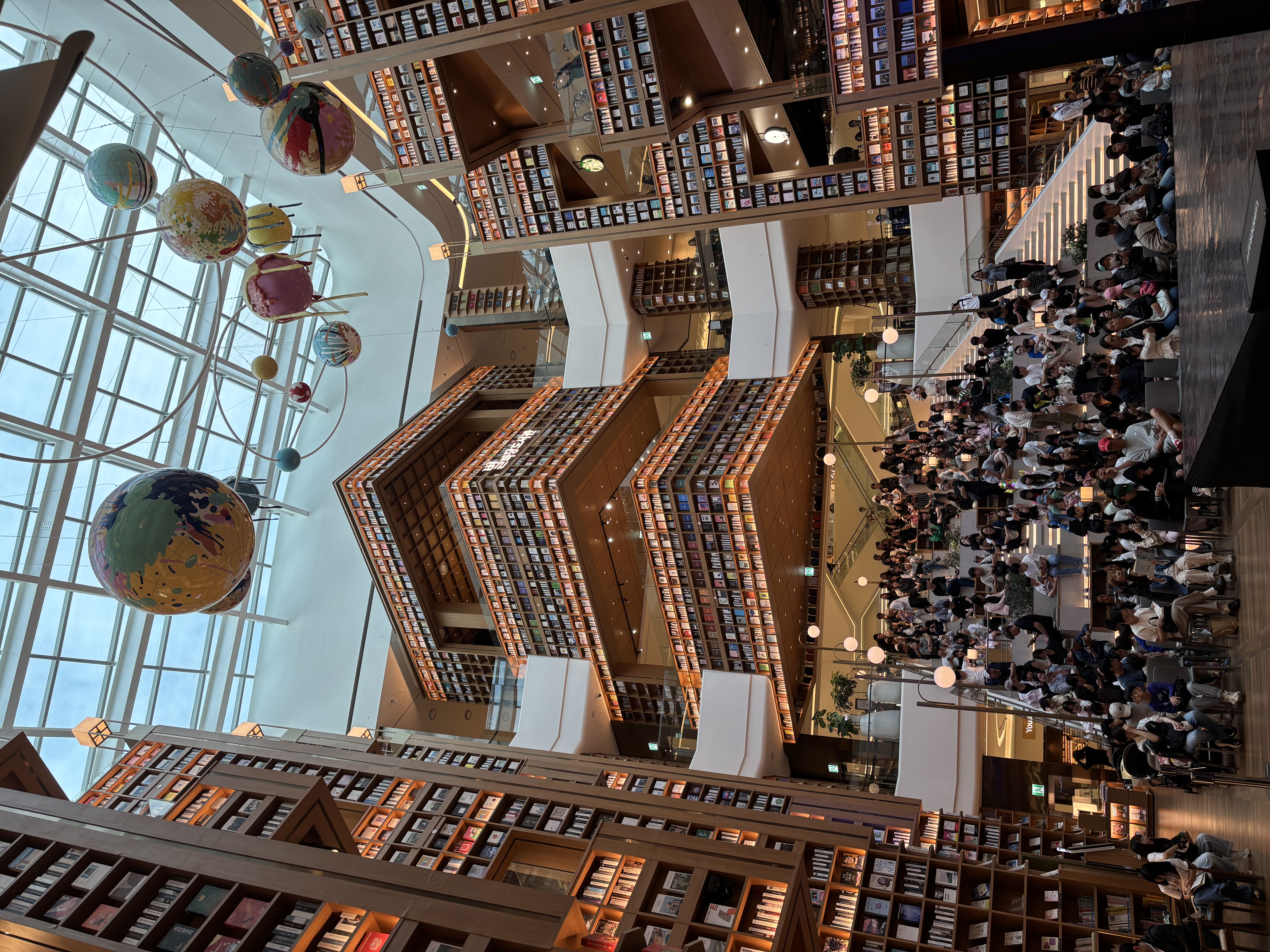
Unlike traditional libraries that close in the early evening, many major libraries in Seoul now operate late into the night or even 24 hours, welcoming students, workers, and visitors alike. Places such as the Starfield Library in COEX, Seoul Metropolitan Library, and university libraries have become cultural landmarks rather than quiet study halls. Open layouts, modern design, and free access make them attractive not only for reading, but also for cultural exchange.
A Reflection of Korea’s Study and Work Culture
Korea’s night libraries are deeply connected to the country’s strong emphasis on education. Long study hours are common, especially among university students and exam takers preparing for civil service or employment tests. Rather than viewing this as an individual burden, Korea has developed public infrastructure that supports collective learning.
These libraries provide more than desks and books. Visitors can find: free Wi-Fi and charging stations, multilingual book collections, quiet zones alongside discussion spaces, cultural lectures, exhibitions, and small performances.
Libraries as Cultural Hubs
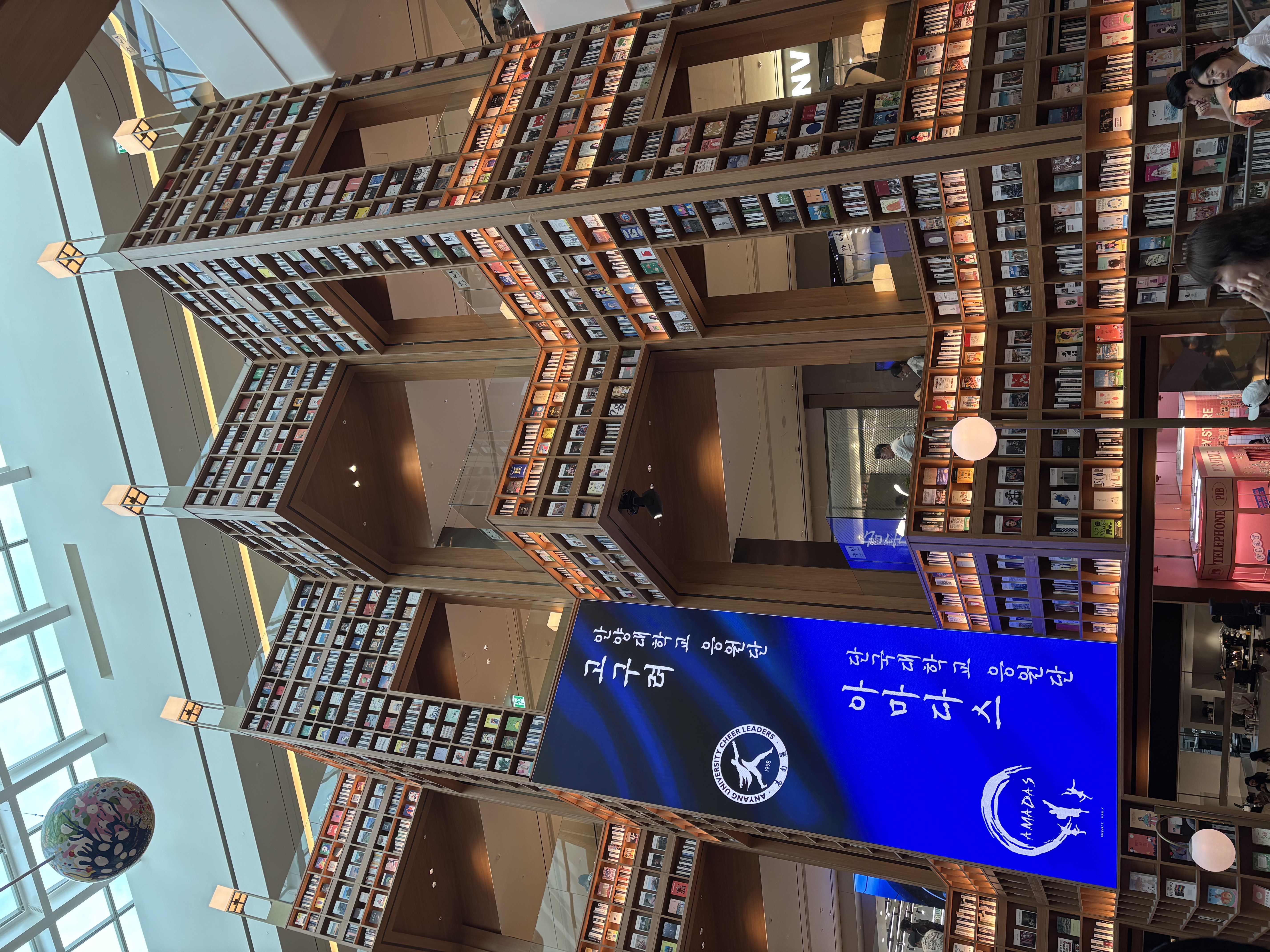
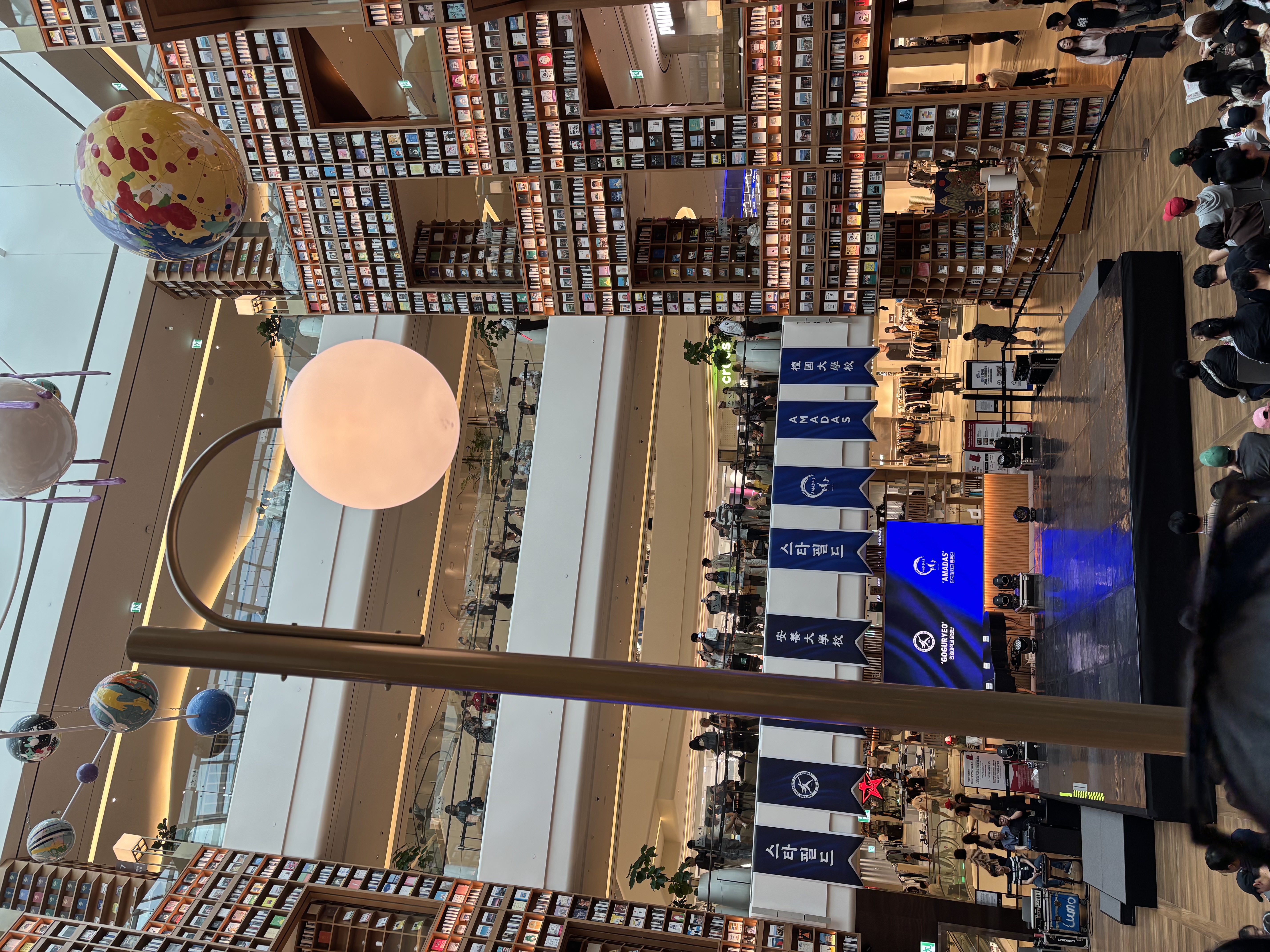
What makes Korea’s night libraries especially unique is their role as cultural platforms. In the evenings, it is common to see poetry readings, author talks, film screenings, or exhibitions held inside library spaces. These events often focus on Korean history, literature, philosophy, and contemporary social issues, helping visitors understand Korea beyond pop culture.
The Starfield Library, for example, frequently appears in international media for its visually striking design, but its true value lies in how it brings together people of all ages and backgrounds in a shared cultural environment. The presence of English-language materials and foreign visitors also turns these libraries into informal spaces of global exchange.
Accessibility and Public Comfort
Another notable feature is the emphasis on comfort and accessibility. Heated interiors during winter, clean facilities, and clear signage make these spaces welcoming even for first-time visitors. The fact that such high-quality facilities are free and publicly accessible reflects Korea’s approach to urban welfare and cultural inclusion.
In a society known for fast-paced city life, night libraries offer a calm alternative—a place to slow down without leaving the city. This balance between efficiency and well-being is increasingly recognized as part of Korea’s modern identity.
Sharing Korean Culture Through Everyday Life
As global interest in Korea continues to grow, these night libraries quietly play a role in cultural diplomacy. They show how Korean values, like education, community, innovation, and respect for public space, are woven into daily life. Rather than promoting culture through spectacle alone, Korea presents it through lived experience.
For visitors in 2026, stepping into a Seoul library at night is not just about reading a book. It is about witnessing how a society invests in knowledge, creativity, and shared spaces.
How about this article?
- Like0
- Support0
- Amazing0
- Sad0
- Curious0
- Insightful0