During the holiday season, light is more than just decoration. It becomes a symbol of hope, persistence, and shared culture. Lantern traditions in the Philippines and Korea reflect important values and play a role in showing national identity, shaped by history and everyday life.
The Parol: A Filipino Christmas Symbol
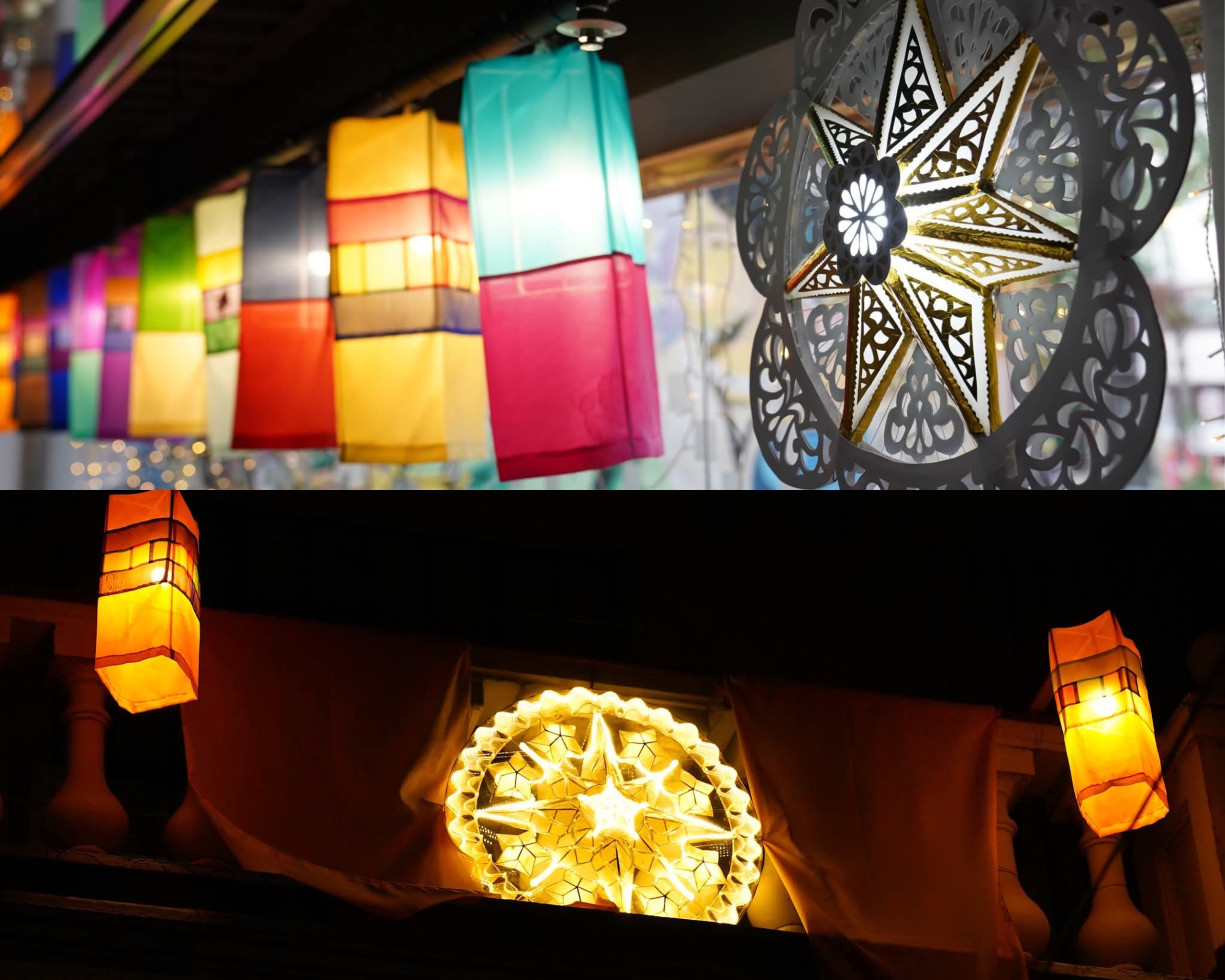
The parol is a star-shaped lantern and one of the most recognizable Christmas symbols in the Philippines. It is displayed in homes, streets, churches, and communities to mark the start of the long Filipino Christmas season. The parol represents hope, faith, and strong community ties.
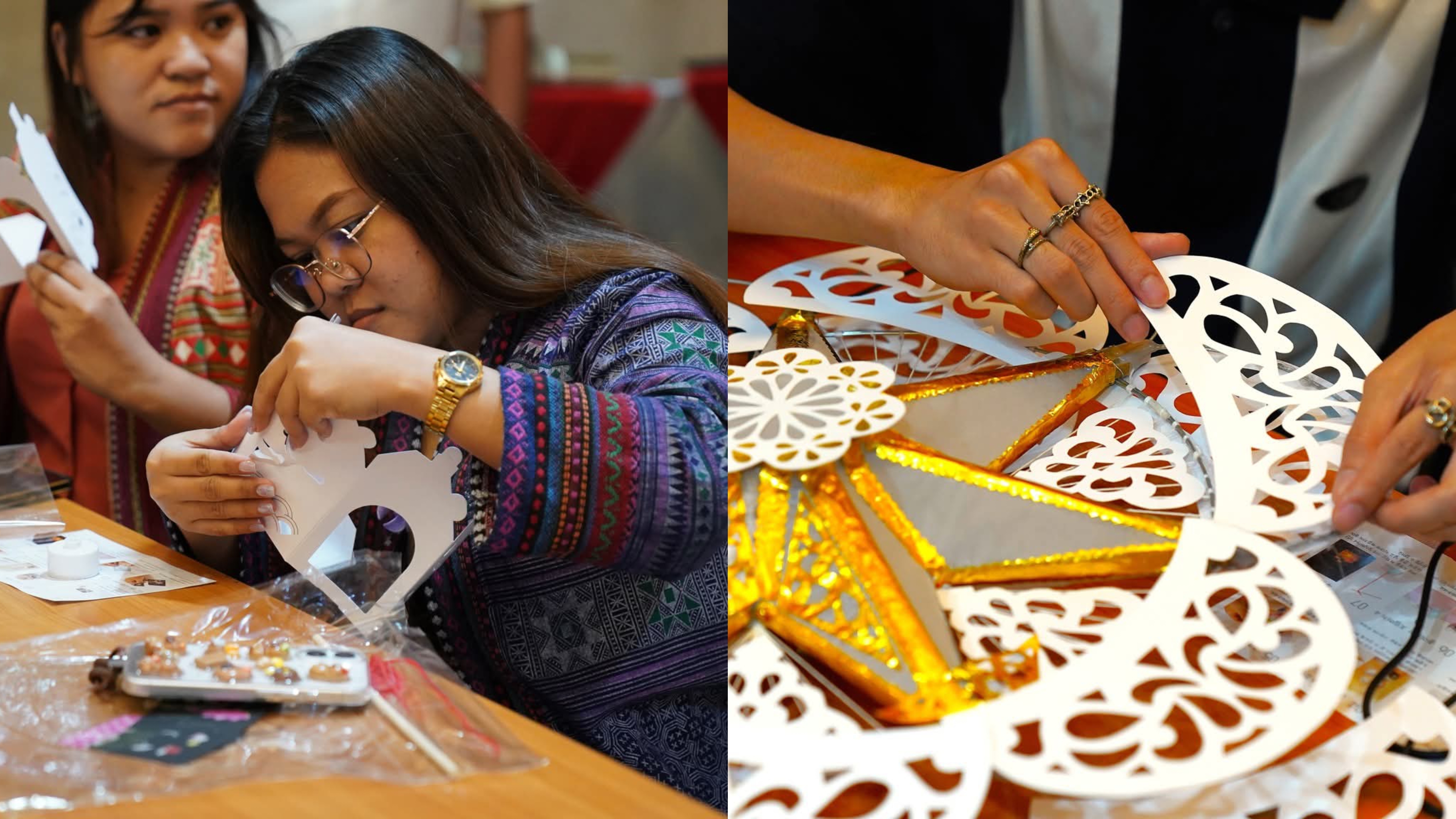
Traditionally, parols are handmade from simple materials and painted in bright colors and patterns. Families and neighbors often make them together, making it a social activity rather than just a decoration. Beyond their beauty, parols reflect Filipino creativity, warmth, and resilience during the holiday season.
Korean Lanterns and Storytelling
Lanterns are also important in Korean culture. Jinju silk lanterns from the Gyeongsangnam-do Province are known for their elegant designs and colorful silk, made using techniques passed down through generations.
Korean lanterns often tell stories. They show history, daily life, and cultural traditions through light, color, and shape. They are widely used in lantern festivals, where streets turn into open-air galleries blending tradition and modern creativity.

Lantern Traditions Today
Both the parol and Korean lanterns emphasize crafting by hand, storytelling, and bringing people together. They show how traditional art can remain meaningful in today’s world.
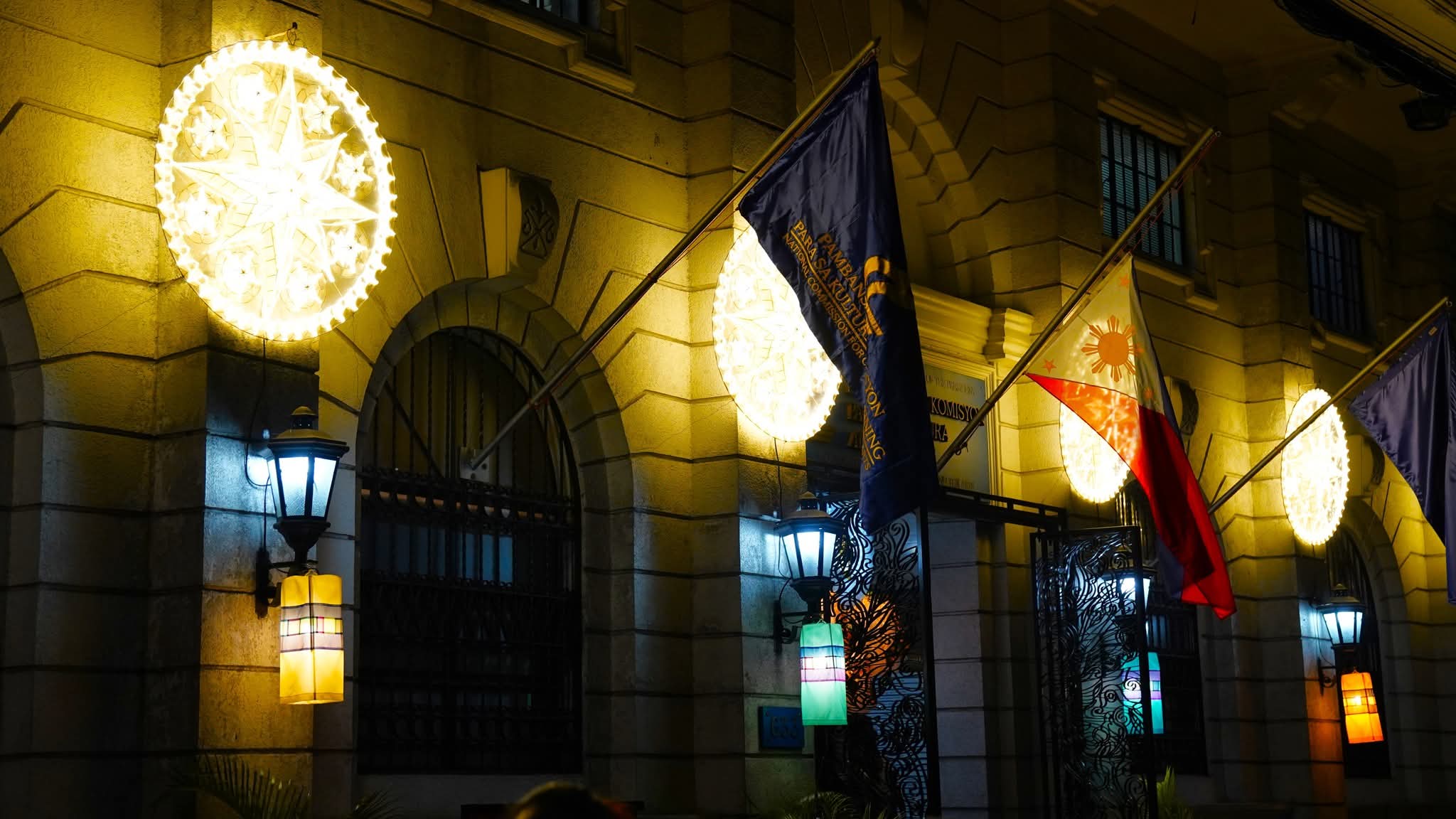
These cultural values are still alive in events like Light the Season: A Korea-Philippines Lantern Display, organized by the National Commission for Culture and the Arts (NCCA) and the Korean Cultural Center (KCC) in the Philippines. The exhibit featured Filipino parols and Korean Jinju silk lanterns, showing how both traditions can be appreciated side by side. The event highlighted how lantern-making continues as a living cultural practice through exhibitions, performances, and workshops. It focused not only on celebration but also on preserving culture and encouraging communal participation.
Korean lantern traditions are also celebrated in festivals like the Seoul Lantern Festival, held every winter along Cheonggyecheon Stream, where hundreds of lanterns light up the city, creating spaces for community, reflection, and joy. Like Filipino parols, these lanterns connect people to their culture, history, and to one another through the simple beauty of light.
A Season Marked by Light
As the year comes to an end, light in both Philippine and Korean traditions takes on a deeper meaning. Whether it is a Christmas parol or a Korean lantern, light guides reflection, celebration, and continuity.
These lanterns quietly brighten public spaces and remind people of their traditions. They are not just for show but are symbols of enduring cultural life, connecting past and present through simple light.
How about this article?
- Like0
- Support0
- Amazing1
- Sad0
- Curious0
- Insightful0