Interview | From Zurkhaneh to Korea: The Journey of an Ancient Iranian Tradition in East Asia
2025-12-21Zurkhaneh sport and the Pahlavani tradition are among Iran’s oldest physical and ethical practices, deeply rooted in history, mythology, and Persian literature. By combining physical movements, music, poetry, and moral values, this tradition emphasizes the simultaneous cultivation of body and soul, placing concepts such as humility, chivalry, and respect for others at its core. Today, Zurkhaneh has expanded beyond Iran’s borders and has gained growing attention in various countries, including Korea. In this context, an interview was conducted with Kim Joohyun, Head Coach of the National Zurkhaneh Team in Korea, to explore the role of Iran’s Pahlavani tradition in cultural dialogue between Iran and Korea. He has been actively engaged for many years in research, education, and the introduction of the Pahlavani spirit and its traditions to Korean society.
*Please introduce yourself and your team:
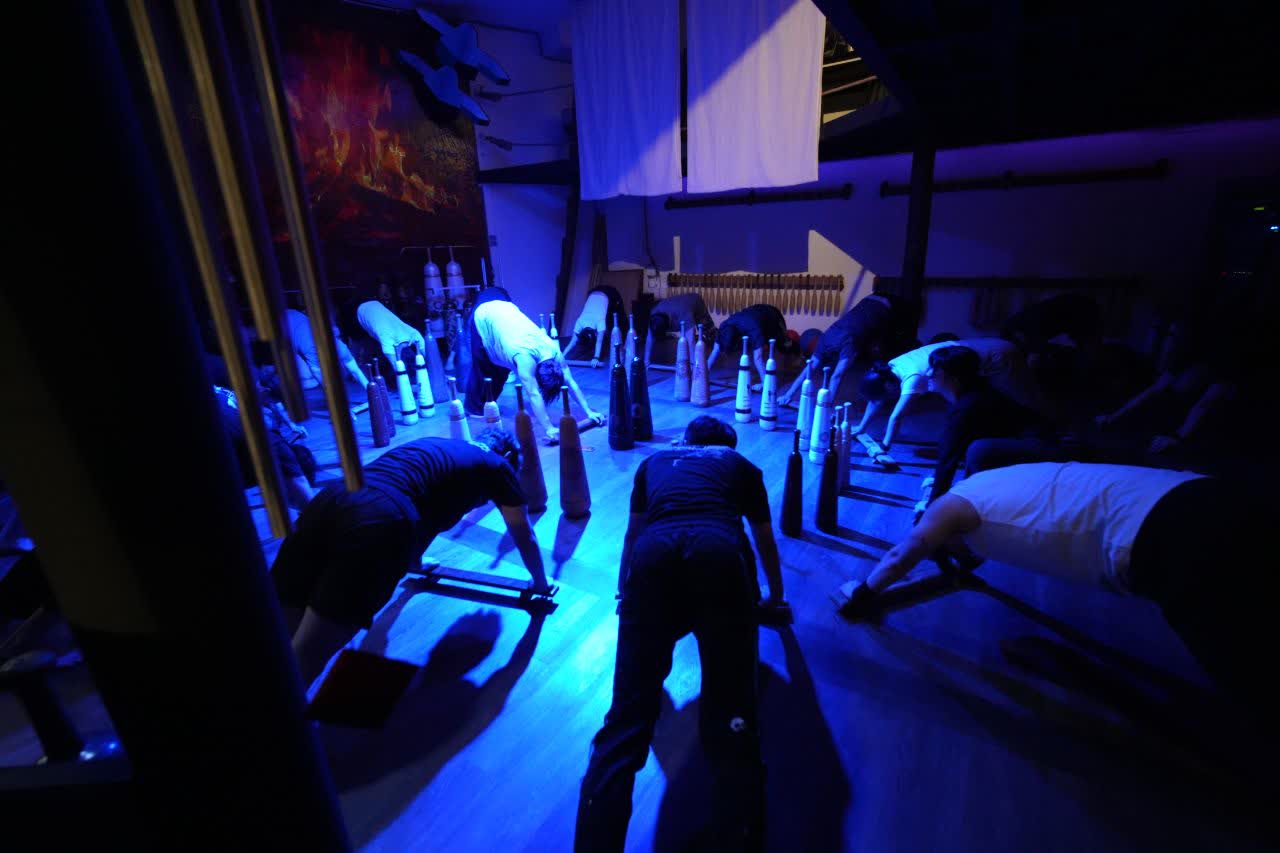
My name is Kim Joohyun, and I am engaged in research and instruction of Pahlavani traditions in Korea. I currently serve as the head coach of the National Zurkhaneh Team. My role goes beyond training athletes; it also involves accurately introducing Iran’s physical culture and the spirit of Pahlavani ethics to Korean society. Our team, known as House of Strength (힘의집), is not merely a sports team but a community dedicated to the simultaneous training of body and mind.
*How did you first encounter this tradition, and what motivated you to pursue it seriously?
My introduction to the tradition was not as a conventional “sport,” but through a personal exploration of the ancient foundations of human cultivation.
In 2015, I received my first training in Tehran. Observing elderly practitioners who trained consistently with calmness and dedication left a profound impression on me. At that moment, I realized that this practice represents a path suitable for lifelong practice.
Through direct interaction with Iranian masters, study of classical texts, and continuous field training, I committed myself fully to this path. Participation in international competitions organized by the IZSF further solidified my understanding of this tradition as a way of life rather than a short-term discipline.
*What do you find most appealing about this tradition?
The most fascinating aspect for me is the harmony of collective movements performed in rhythm with the morshed’s drum and music. Moral values such as humility, self-restraint, respect for others, and lowering one’s ego through poetry and rhythm are emphasized before physical strength. Although the physical training is intense and highly disciplined, all movements are grounded in the Pahlavani ethos the belief that “the stronger a person becomes, the more humble they must be.”
*What has your experience been like learning and developing this tradition in Korea?
Since the tradition has little historical foundation in Korea, the path was not an easy one.
In the early stages, I carefully studied teachings from Iranian masters, classical texts, visual resources, and the structure of poetry and rhythm.However, my main focus was never superficial imitation, but rather a deep understanding of the spirit and philosophy. Reading the Shahnameh while simultaneously studying Iranian tradition played a crucial role in this process.
*How have your family, friends, and Korean society reacted?
At first, this practice appeared unfamiliar and even strange to many people.
Over time, as I explained why such a tradition is meaningful and necessary for modern individuals, perceptions gradually changed.
In a society burdened by competition, speed, and result-oriented thinking, it presents not just a sport, but a profound question about how we choose to live.
Additionally, with the growing interest in meditation and mindfulness, it has gained attention as a practice that naturally leads participants into a meditative state through movement.
* How would you compare it with traditional Korean martial arts such as Taekwondo?
Both traditions share a common goal: the completion and refinement of the human being through physical training.
The key difference is that this tradition places greater emphasis on moral maturity and collective rhythm rather than competition and victory.
Taekwondo, on the other hand, has a highly structured and modernized system of training and competition.
Despite these differences, I believe both traditions possess a strong foundation for meaningful cultural dialogue.
*What has been the greatest challenge in introducing this tradition in Korea?
The greatest challenge has been the tendency to view it merely as an exotic performance or an unusual traditional exercise.
In reality, it is not meant to be displayed it is meant to be lived.
Conveying this understanding has required time, and the process is still ongoing.
* What are the future goals of the National Zurkhaneh Team in Korea?
Our primary goal is to establish a sustainable educational system one that extends beyond athlete training to include coach education, Pahlavani philosophy, poetry, and rhythm.
In addition, international exchange and participation in official events are part of our long-term plans.
Above all, our ultimate objective is to create an environment in which this tradition can naturally take root and thrive within Korean society.

*If you could deliver one sentence to Korea.net readers worldwide, what would it be?
“I hope you, too, will discover your true strength in the House of Strength (힘의집).”
*Is there anything you would like to add in closing?
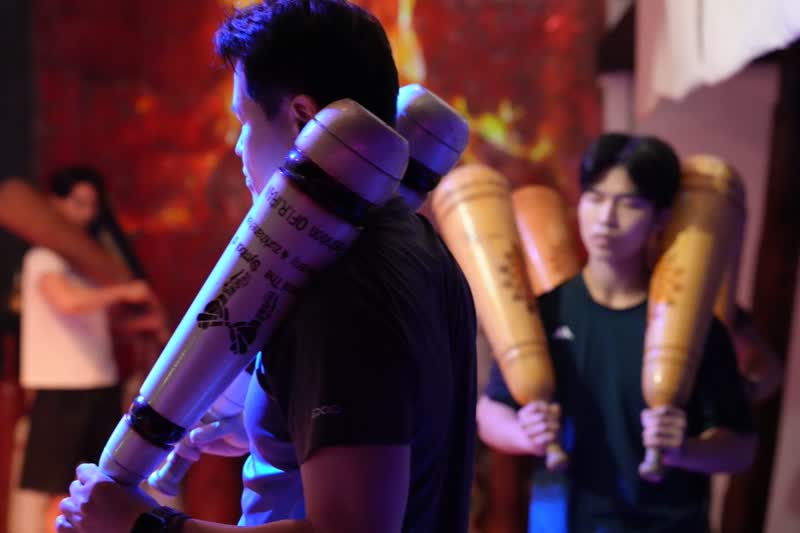
The symbolic act of swinging the mil (clubs) represents a fundamental and forgotten movement of modern humanity. I will continue striving to revive this movement and convey its meaning to the world.
How about this article?
- Like0
- Support0
- Amazing0
- Sad0
- Curious0
- Insightful0