Korea has become not only a major center of the Asian entertainment industry but also one of the leading global forces shaping cultural mobility. Korean dramas as an essential component of the Hallyu (K-wave) phenomenon play a key role in cultivating international interest in the country. For millions of viewers worldwide, dramas serve as a gateway to the Korean language, traditions, cuisine, and architecture. Temples, historical complexes, folk villages, and modern urban sites presented on-screen have increasingly emerged as popular travel destinations.
Let’s explore the key locations showcased in some of Korea’s most popular dramas. Each of them functions not simply as scenic backdrops, but as cultural landscapes that bring to life the country’s history, aesthetics, and collective memory.
1. Saseongam Temple - The King: Eternal Monarch (2020)
Address: 189 Jungma-ri, Muncheok-myeon, Gurye-gun, Jeollanam-do.
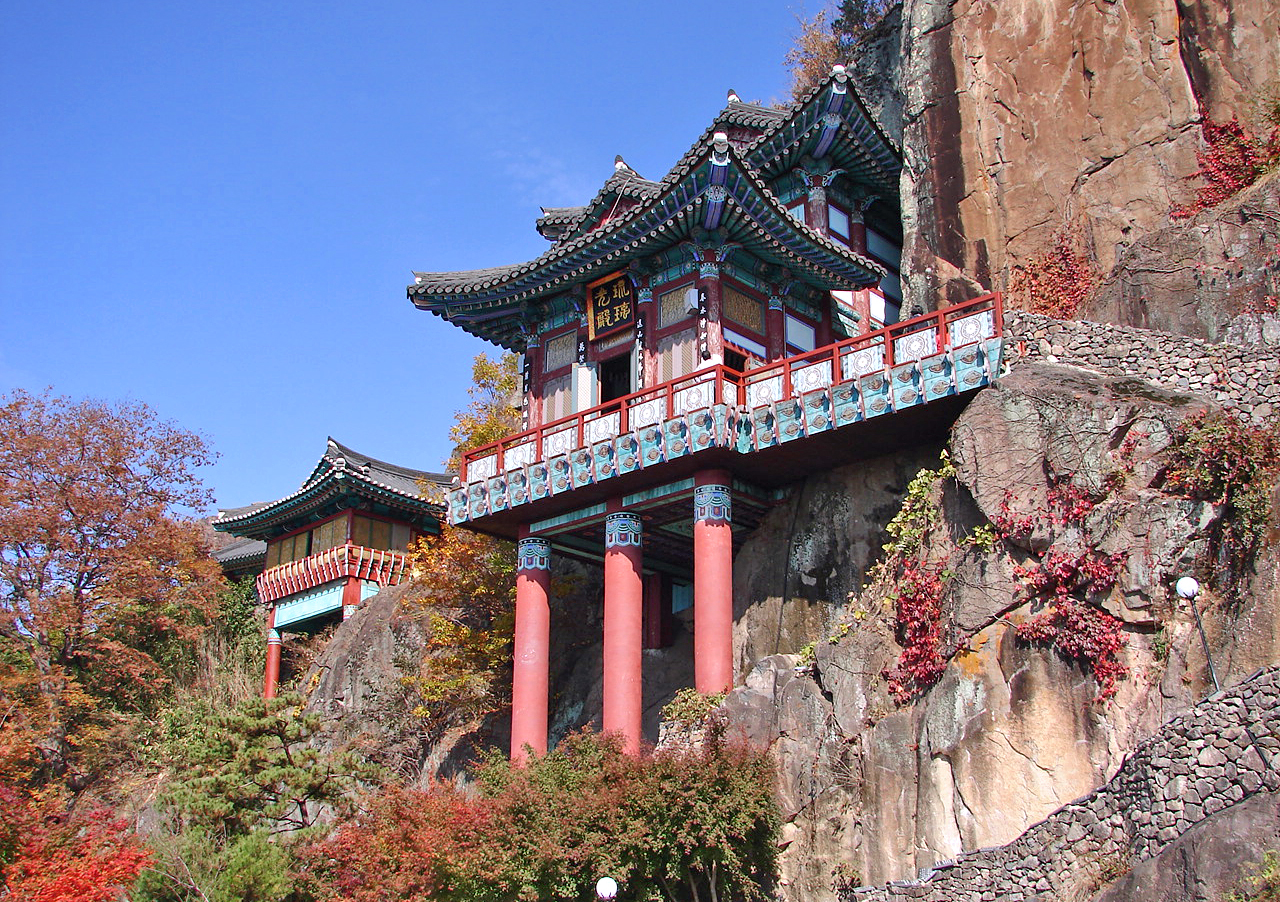
Saseongam Temple, situated on the slopes of Mount Osan, is one of Korea’s most picturesque religious sites. Originally established during the Silla period, it is known for its architectural harmony with the surrounding rocky landscape. Mountain temples have historically played an important role in Korea’s spiritual and cultural life, and Saseongam remains a notable pilgrimage and sightseeing destination.
In “The King: Eternal Monarch”, the temple appears in scenes connected to the drama’s central motif of crossing between parallel worlds. The location functions not only as a visually compelling setting but also as a symbolic space associated with destiny.
2. Baekje Cultural Land - Moon Lovers: Scarlet Heart Ryeo (2016)
Address: 455 Baekjemun-ro, Gyuam-myeon, Buyeo-gun, Chungcheongnam-do.
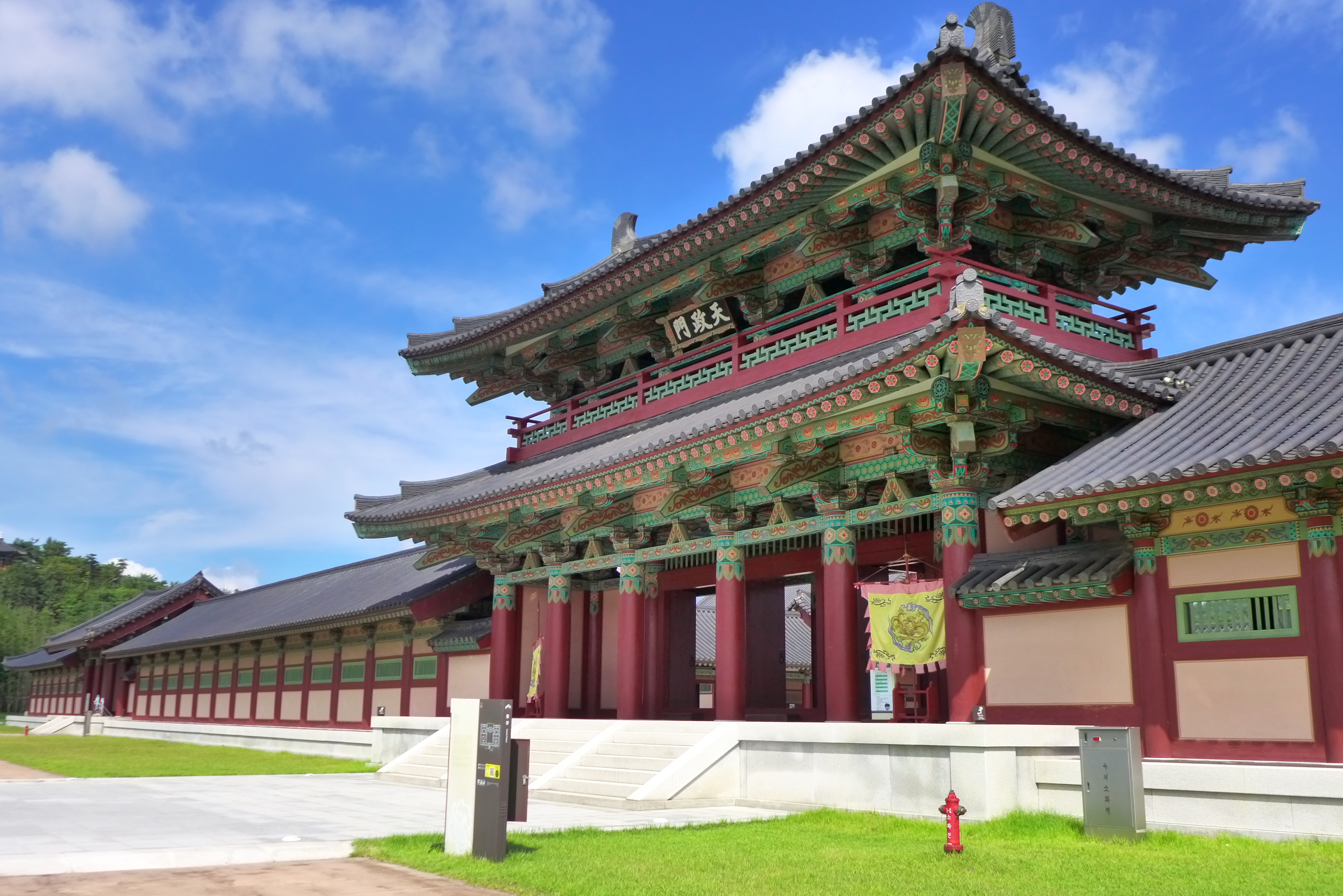
Baekje Cultural Land is one of Korea’s largest historical complexes, created to represent the architecture and cultural environment of the ancient Baekje Kingdom. The Baekje Kingdom played a significant role in shaping regional art, architecture, and the transmission of Buddhism. The complex continues to serve both educational and cultural purposes.
In “Moon Lovers: Scarlet Heart Ryeo”, its reconstructed palace structures form an immersive backdrop for the depiction of royal life and political drama. The site enables viewers to visually engage with elements of pre-modern Korean aesthetics.
3. Andong Hahoe Folk Village - Pachinko (2022)
Address: 186 Jeonseo-ro, Pungcheon-myeon, Andong-si, Gyeongsangbuk-do.
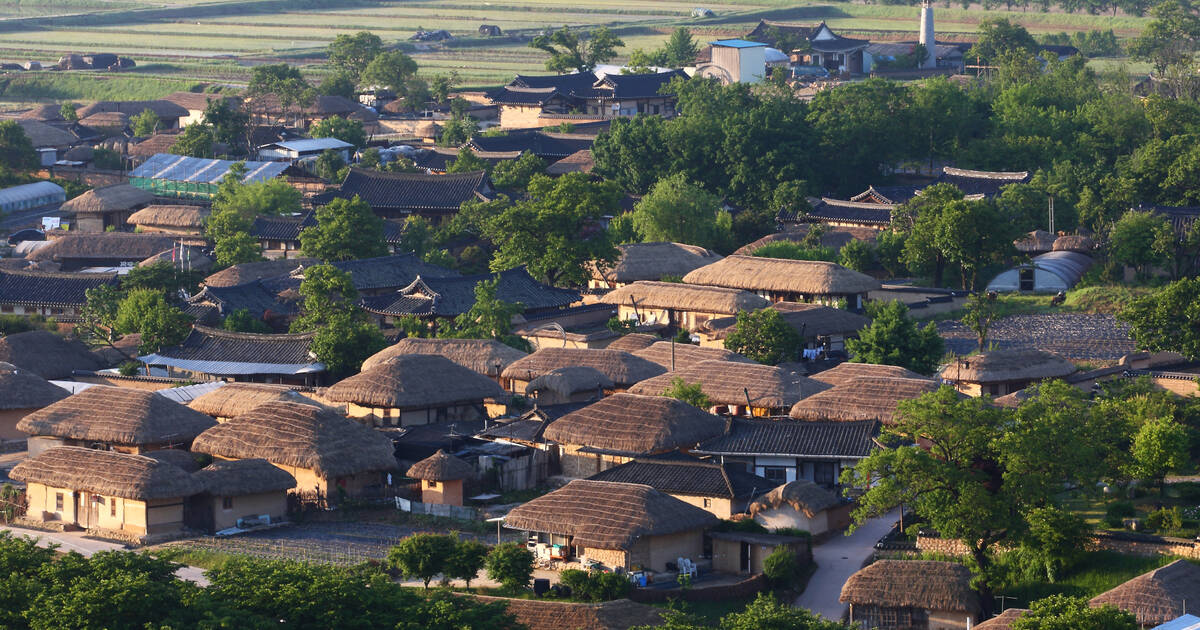
Hahoe Village is a well-preserved traditional settlement whose layout and hanok houses maintain their historic character. A UNESCO World Heritage Site, Hahoe represents traditional Confucian culture, ancestral rituals, and vernacular architecture.
In “Pachinko”, the village becomes a visual expression of identity, memory, and intergenerational experience. Its environment captures elements of Korea’s past in a deeply authentic way.
4. Choi Champandaek / House of Choi Champan - Alchemy of Souls (2022)
Address: 66-7 Pyeongsari-gil, Agyang-myeon, Hadong-gun, Gyeongsangnam-do.
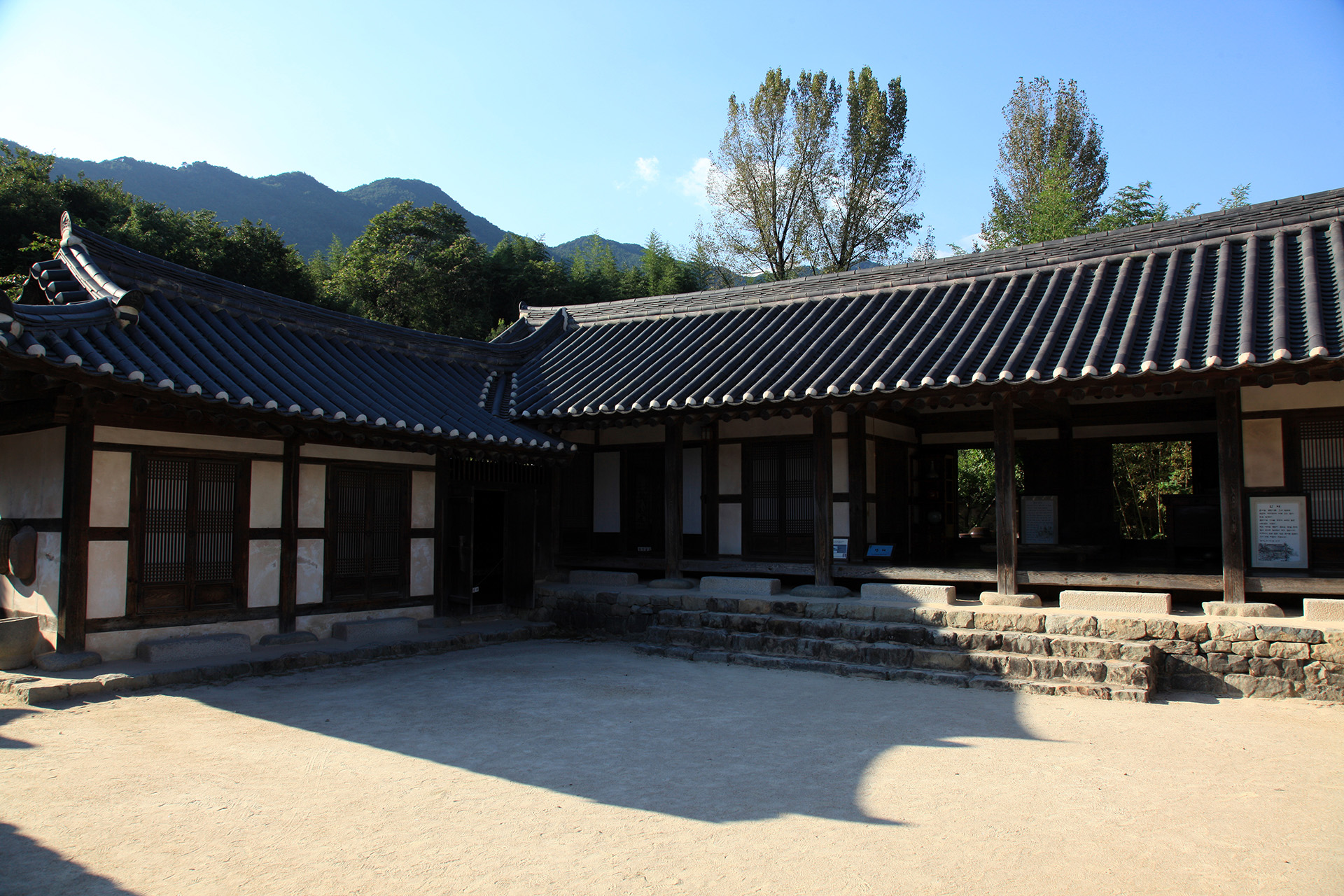
House of Choi Champan is a hanok complex closely associated with literary and cultural traditions of the Joseon era. The location is tied to Hadong’s broader heritage, including tea culture and Confucian educational traditions.
In “Alchemy of Souls”, it serves as a setting characterized by nature, reflection, and transformation. The site’s architecture and landscapes reinforce the drama’s stylistic connection to East Asian aesthetics.
5. Haenggung-dong Mural Village - Lovely Runner (2024)
Address: 9-7 Hwaseomun-ro 72beon-gil, Paldal-gu, Suwon-si, Gyeonggi-do.
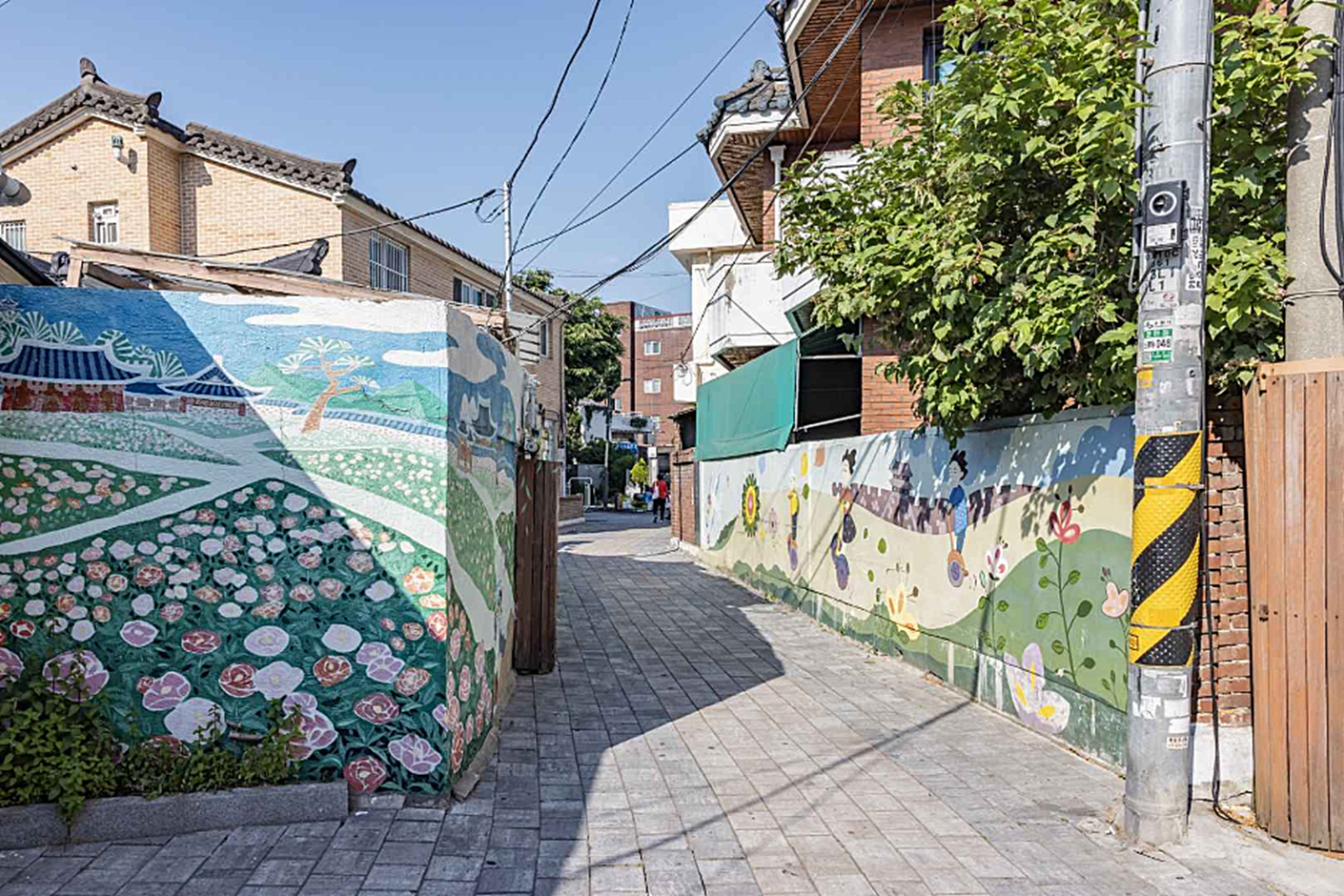
Haengung-dong is known for its mix of traditional alleys, cultural spaces, and small independent shops. Suwon, home to the UNESCO-listed Hwaseong Fortress, has long been part of Korea’s cultural tourism landscape and continues to attract visitors interested in both heritage and screen locations.
In Lovely Runner, the district appears as a landscape of everyday life and urban sentiment.
6. Pohang - Hometown Cha-Cha-Cha (2021)
Address: 431-108 Yongdu-ri, Cheongha-myeon, Buk-gu, Pohang-si.
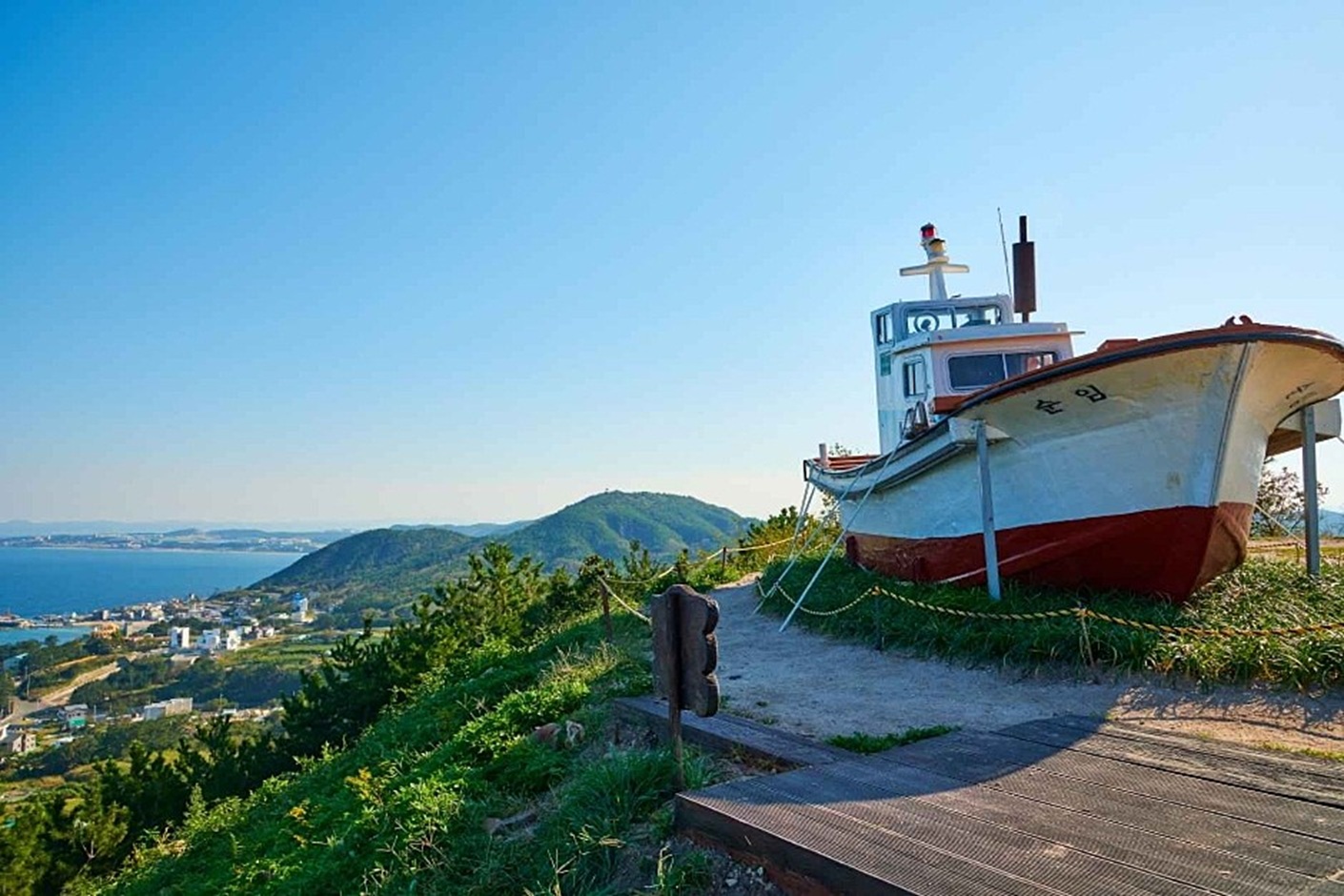
Pohang’s coastline, fishing villages, and quiet residential streets formed the visual foundation of the drama’s setting. The show contributed to widespread recognition of the region’s coastal scenery, and several areas associated with filming have since become recognizable cultural points of interest.
7. Pocheon - The Legend of the Blue Sea (2016)
Address: 89 Sanjeonghosu-ro 411beon-gil, Yeongbuk-myeon, Pocheon-si.
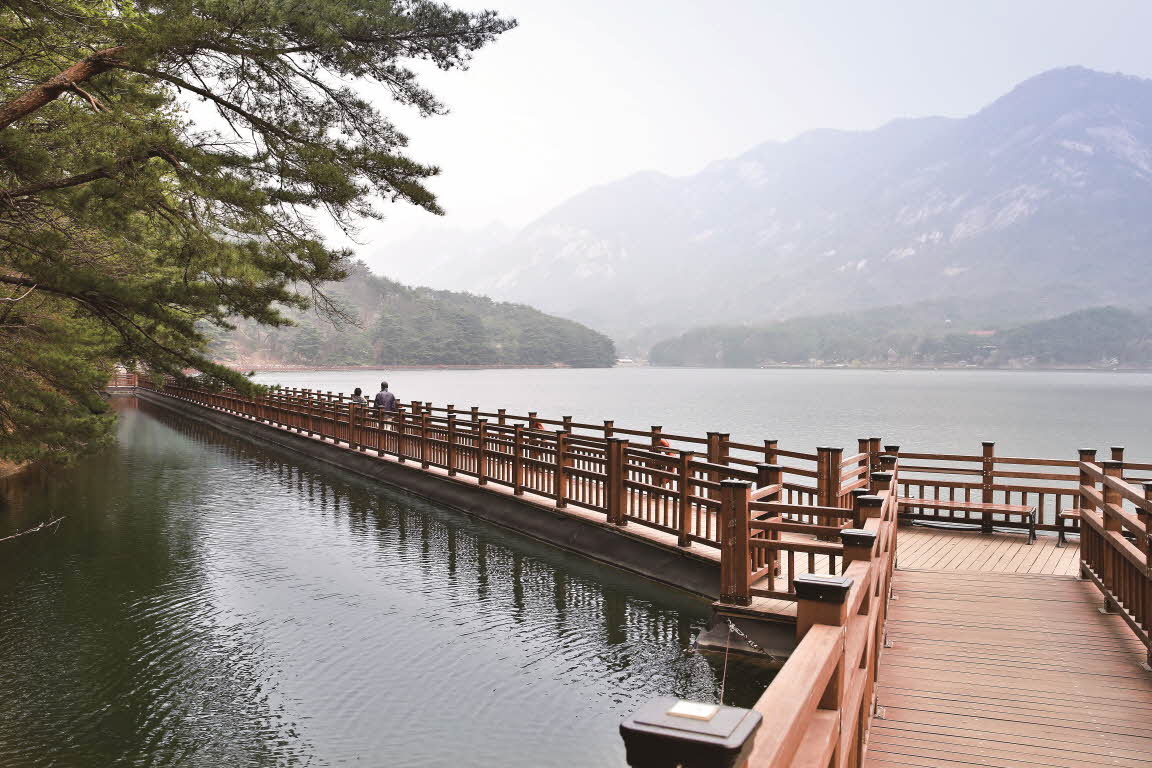
Sanjeong Lake and the surrounding forested landscape are key natural attractions in Pocheon.
In “The Legend of the Blue Sea”, the location’s tranquil, atmospheric quality complements the drama’s fantastical and romantic narrative.
8. Mokpo - Hotel Del Luna (2019)
Address: 6 Yeongsan-ro 29-beongil, Mokpo-si, Jeollanam-do.
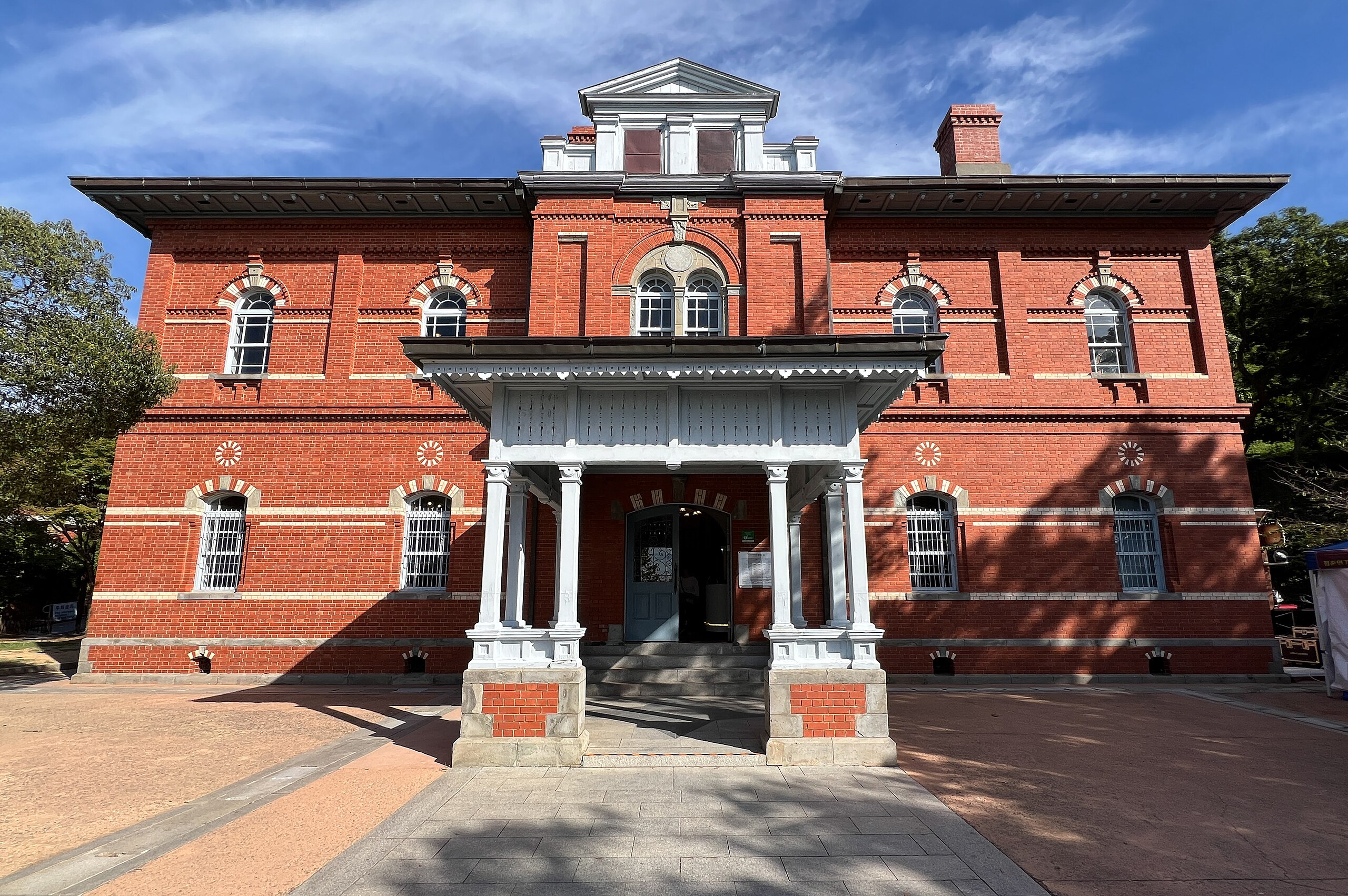
Although the main hotel structure in “Hotel Del Luna” is digitally created, a number of scenes were filmed in Mokpo. The city’s historic districts, colonial-era facades, and waterfront areas contribute significantly to the series’ distinct visual tone.
Filming in real locations strengthens the link between cultural heritage and contemporary popular culture, transforming many destinations into recognizable points of cultural interest for international audiences. The global spread of Hallyu has positioned South Korea as a dynamic cultural hub. Korean dramas are central to this process: they increase international awareness of heritage sites, popularize traditional aesthetics, and stimulate interest in regional travel beyond major metropolitan areas.
How about this article?
- Like3
- Support0
- Amazing0
- Sad0
- Curious1
- Insightful0