Human Rights Day falls on December 10 each year, drawing attention from people worldwide, including leaders, activists, and everyday citizens. This day honors the Universal Declaration of Human Rights, a key document adopted by the United Nations General Assembly in Paris on December 10, 1948. It sets out basic rights for all humans, such as freedom, equality, and dignity, no matter their background. In the Republic of Korea, the National Human Rights Commission often leads events like commemoration ceremonies in places such as Seoul's Korea Press Center. These gatherings bring together government officials, lawmakers, diplomats, and community members to reflect and celebrate progress in protecting rights.

This day matters because it shows how human rights touch modern life in simple yet powerful ways. In today's world, filled with technology like smartphones and social media, rights help protect privacy and free speech online. For example, laws in Korea address data sharing by companies, as seen in recent fines against firms for mishandling personal information related to sexuality. Human rights also shape ethics in law, pushing for fair treatment in courts and workplaces. In everyday routines, they ensure safe access to health care, education, and jobs, even amid challenges like climate change or conflicts. For groups like LGBTQIA+ people in Korea, this means gradual steps toward equality, such as court rulings allowing same-sex couples to share health insurance benefits. Overall, the day reminds everyone that rights are everyday essentials, building hope and fairness in a fast-changing society.

"Human rights are positive, essential, and attainable. They not only protect but also bring joy, happiness, and safety into daily life."
The story of Human Rights Day begins in the aftermath of World War II, when nations came together in 1948 to create the Universal Declaration of Human Rights as a promise to prevent future horrors like the Holocaust. This noble document, translated into over 500 languages, laid the foundation for global laws on dignity and justice. In 1950, the United Nations officially named December 10 as Human Rights Day to spread its message each year. Over time, themes evolved to address current needs; for 2025, "Our Everyday Essentials" highlights how rights fit into routine activities, with an alternative focus on Holocaust remembrance to honor the past. In Korea, history shows steady progress: since 1997, no executions have occurred, earning recognition as a de facto abolitionist nation, as noted by the National Human Rights Commission Chairperson in statements on related days. Recent years have brought newsworthy moments, like the 2024 commemoration ceremony in Seoul marking the 76th anniversary, where awards honored people and groups for work in elder care, mental health support, and immigrant rights. Lawmakers, including the National Assembly Speaker, and government employees joined, delivering remarks alongside the UN High Commissioner for Human Rights. The President often supports such events through messages or attendance at similar observances, emphasizing unity. People honor the day through ceremonies, sand art performances, and sharing stories online with hashtags like #OurEverydayRights. In Korea, collaborations like those between KOICA and UNFPA extend this to global aid, saving lives in conflict areas by providing health services and fighting gender-based violence. For LGBTQIA+ rights, advancements include 2024 Supreme Court decisions on equal benefits, though challenges remain, such as societal taboos and a lack of full marriage recognition. Technology plays a role too, with online campaigns raising awareness but also risks like data breaches exposing personal details. Events like the Korean Dream forums link peace to rights, inspiring youth to act for a unified future free from division.
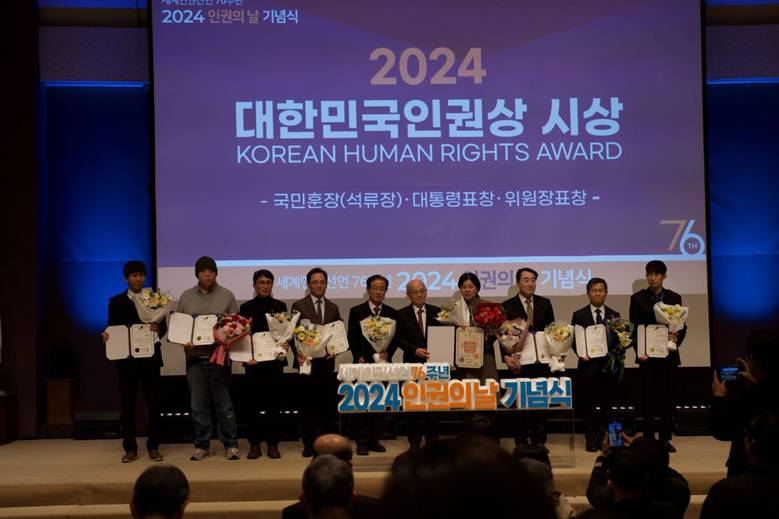
“While today we celebrate the progress inspired by the Universal Declaration of Human Rights, we are reminded of the challenges ahead. Addressing these requires a collective commitment to the values of human dignity and equality.”
Korea.net serves as the official gateway to the Republic of Korea, committed to sharing reliable news, cultural insights, and stories that promote global understanding, harmony, and respect for human values across borders.
How about this article?
- Like11
- Support0
- Amazing3
- Sad0
- Curious0
- Insightful0