In days when life tastes like failure, in moments when despair weighs heavily, sometimes the only thing that can soothe the soul is a familiar flavor. A warm, spicy, and vibrant taste like Budae-jjigae (부대찌개). A simple yet profound stew, born from the darkest times in Korea’s history, that still warms hearts to this day.
Budae-jjigae (부대찌개), which means "army base stew," emerged after the Korean War (1950–1953)a time when the country was in total ruin. People had lost their homes and families, food was scarce, and the future was shrouded in uncertainty. In those conditions, this dish was created from leftovers from U.S. military bases: sausages, canned beans, cheese, and processed meats. But these foreign ingredients were blended with kimchi, gochujang, local vegetables, and the creative spirit of the Korean people to form a stew that, more than anything, was a sign of survival.
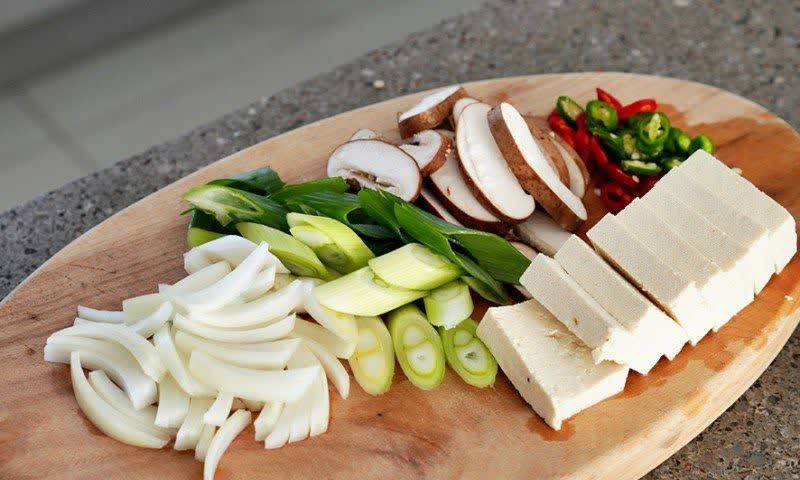
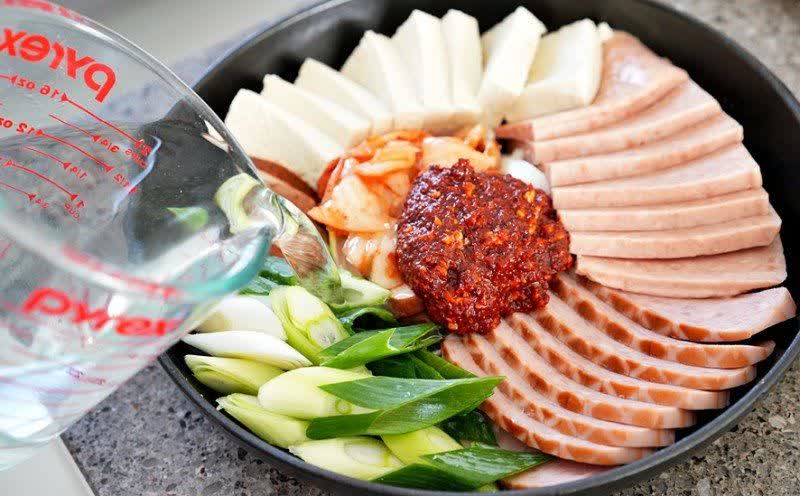
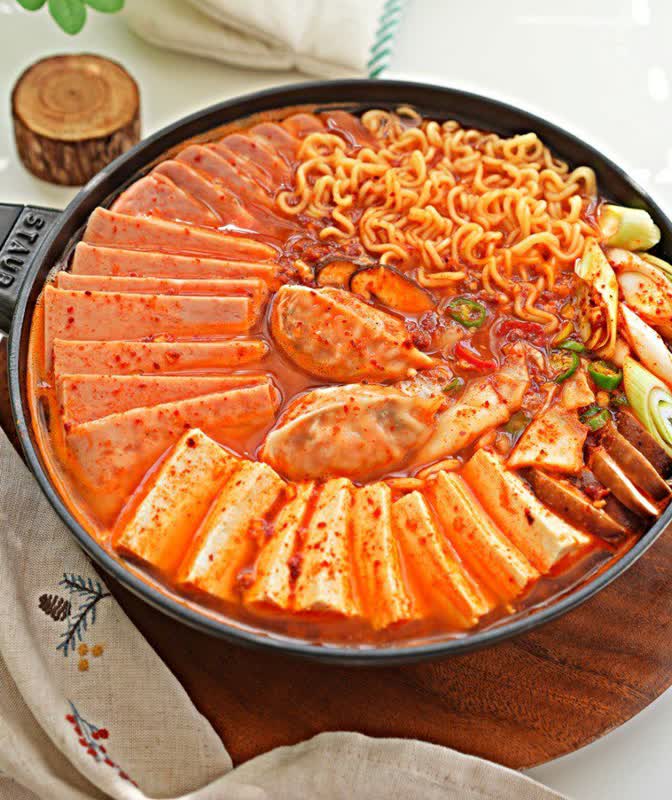
Yet, the roots of this despair didn’t begin with the war. During the Japanese occupation (1910–1945), Koreans were stripped of their language, their freedom even their food. Those were years when a piece of dry bread was more precious than gold. People survived on the simplest meals, and perhaps Budae-jjigae is an unspoken legacy of that quiet resistance.
For Koreans, this stew is more than a meal it’s a symbol. A symbol of resilience, of togetherness, and of a hope that never went out, even in the darkest times. When a big pot of Budae-jjigae bubbles, people gather around it. They eat together, no words needed. The food becomes a way to connect. A way to say, “We’re still here. Together.” That’s when Budae-jjigae becomes more than food it becomes a philosophy. A philosophy that says:
"Even when life tastes like despair, you can still build something alive from what remains."
Just like those people did with so little they made warmth. They made hope. And they endured. Today, when I eat this dish, something stirs inside me. Not just my appetite, but a voice deep within that says:
"Get up. You can do this. Just like they did."
To me, Budae-jjigae is the taste of life’s spiciest moments but that spiciness is a sign of awakening. A sign of the power to come back, to rebuild, to rise again. In every spoonful, there’s a trace of sorrow but it’s not a sorrow that breaks you. It’s a sorrow that makes peace with you.
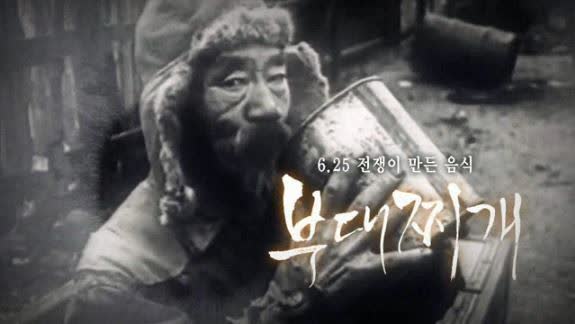
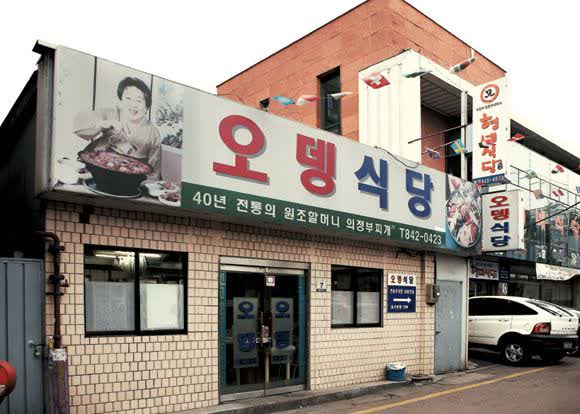
One of the oldest Korean restaurants, located in Uijeongbu, known as the birthplace of Budae-jjigae (Army Stew). It began operating in the 1960s near a U.S. military base.
This dish was first made in its modern form at this very place and eventually gained international fame.(photo by: https://www.freepik.com)
How about this article?
- Like16
- Support8
- Amazing4
- Sad0
- Curious0
- Insightful1