Ju Eun hye, also known as Renee Shakara first came to Nigeria in 2022 through her role at Samsung. What was meant to be a chapter in her professional journey took a personal turn. Today, she has built a life in a land that also gave her love.
What first caught my attention was a TikTok video of a Korean woman haggling at a bustling Yoruba market. As she asked for fisi (extra), the market women kept calling her Iyawo wa (our wife), amused and amazed by her humor and genuine presence. You could tell she belonged. A woman from Haman, Gyeongsangnam-do settling in Yoruba land was not something Nigerians saw everyday.
The following are excerpts from a written interview conducted via Instagram DM on June 18, 2025. The interview was part of a broader effort to gain insight into the life of someone living at the intersection of Korean and Nigerian cultures — and finding home in between. She shares her experiences on the challenges of navigating two very different worlds with honesty and insight.
Can you tell me about what brought you to Nigeria and how long you’ve lived here?
Renee:
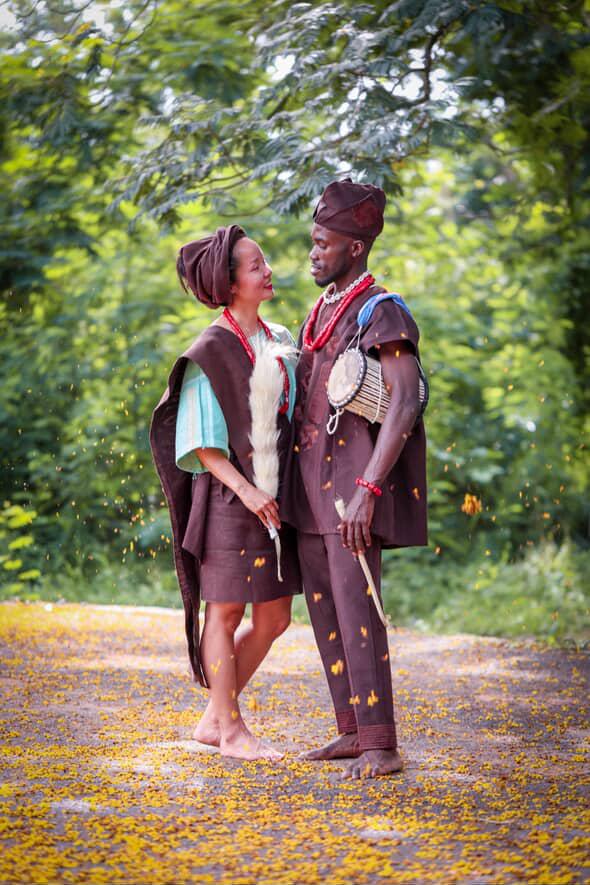
It was work that brought me here - I got an offer from Samsung Nigeria in September 2022. I had worked there for one and a half years and then went back to my country only to find myself back to Nigeria in a year’s time so as to marry a Nigerian man.
How did you meet your husband, and what stood out to you about him?
Renee:
It was after I submitted my resignation; I tried to hang out more with my Nigerian friends before going back to Korea, and our usual hang-out spot was Landmark where my husband was working. I think the first thing that stood out about him was his kindness towards everyone - it was just his nature to be nice to people of all positions and I witnessed all his colleagues ranging from office workers to vendors and cleaners greeting him genuinely every time I visited him. Also, I was used to seeing Nigerians always busy with their hustles, which leaves them almost no time for nature. But even with his tight schedule, he would send me videos of singing birds every morning and a wine-red sunset at night. I loved that so much about him as I’m also someone that appreciates nature more than anything perhaps due to the background where I was raised by my grandparents in a tiny village surrounded by mountains and rivers in Korea.
Have you experienced any cultural challenges while adjusting to life here?
Renee:
I would say food has been very challenging as I’m coming from a household where 90% of daily diet consisted of green vegetables. Here, almost everything was of carbs, oil, and pepper.
How do you stay connected to Korean culture while living abroad?
Renee:
My husband and I always try to fuse Korean and Nigerian food in our kitchen and the journey has been an enlightening one! Surprisingly my husband that did not like garlic before now loves it as Korean food can never be explained without garlic; we now use Korean pepper paste and soy bean paste in places where we need that extra savour; we are now trying to make kimchi with 100% Nigerian ingredients even. Moreover, we of course watch Korean dramas a lot and also create contents about the difference between our culture. So Korean culture is ever present in my life even as I live abroad.
How have your family and friends in Korea reacted to your life in Nigeria?
Renee:
In the beginning my family was very unhappy about the decision I made; they had a high expectation of me and I think in the beginning they thought me moving to Africa and marrying an African man was, with all due respect, not up to their expectations of me. To speak about friends, even some of my close Nigerian friends and colleagues did warn me as well, given the rather popular scamming occurrences in Nigeria.
Do you have a favorite Nigerian food or cultural tradition that you’ve grown to love?
Renee:
I did not like swallow before as it seemed to be a strange idea to give up the joy of chewing. But now, I am a big fan of eba and okra soup.
Looking back, how has this journey shaped or changed you?
Renee:
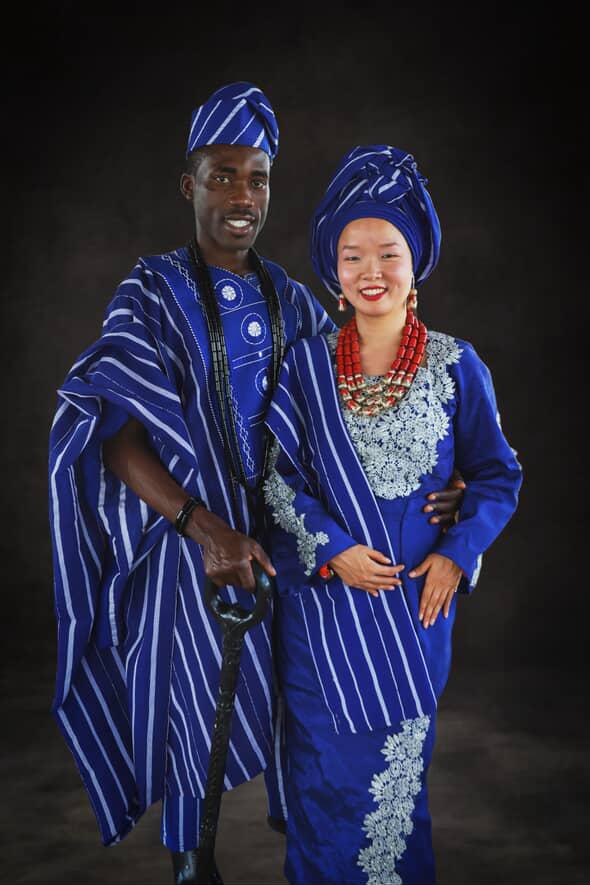
I now have a deeper sense of humanity and more genuine appreciation for life. Having met different people and second-hand experienced hustles and bustles of Nigerians with the kind of resilience I’ve never seen before, I got humbled and learnt to see them not as Nigerians or anyone any different from me, but as fellow humans going through life together. And despite the hardships life throws at them, they still smile ever so brightly and step out of their house with the best outfit in their closet and choose to enjoy their life. How can one possibly not love Nigeria?
What advice would you give to Koreans who are curious about life in Africa or considering similar experiences?
Renee:
I would say ‘open-mindedness’ is the key. If you’re someone who doesn’t like to accept differences and, what’s even better, to adapt to a new way of life with excitement, you might not be ready to come over here for the best experience. But if you come here with an open mind, be prepared to be mesmerized by the vibrant life and the hospitality of the people that is not seen elsewhere today. Your life will change forever for the better and you will find that answer you were looking for in your life.
Finally, is there a dream or hope you have when it comes to Korea–Nigeria friendship or cultural exchange?
Renee:
I always dreamed of being the street ambassador of Korea in Nigeria. That is an ambassador who doesn’t just sit in the office but thrives on the street with the people and connects the two cultures in real ways no other ambassador has ever dared before.
Renee and her husband, Victor show their daily experiences as a couple through their channel victorandrenee with over 50,000 followers on Instagram. Their videos mainly consists of warm everyday moments, fun cooking clips and a rich blend of both cultures. Renee's story is a reminder that cross-cultural living, while full of challenges, can also lead to deep connection, growth and unexpected joy.
How about this article?
- Like3
- Support2
- Amazing5
- Sad0
- Curious0
- Insightful0