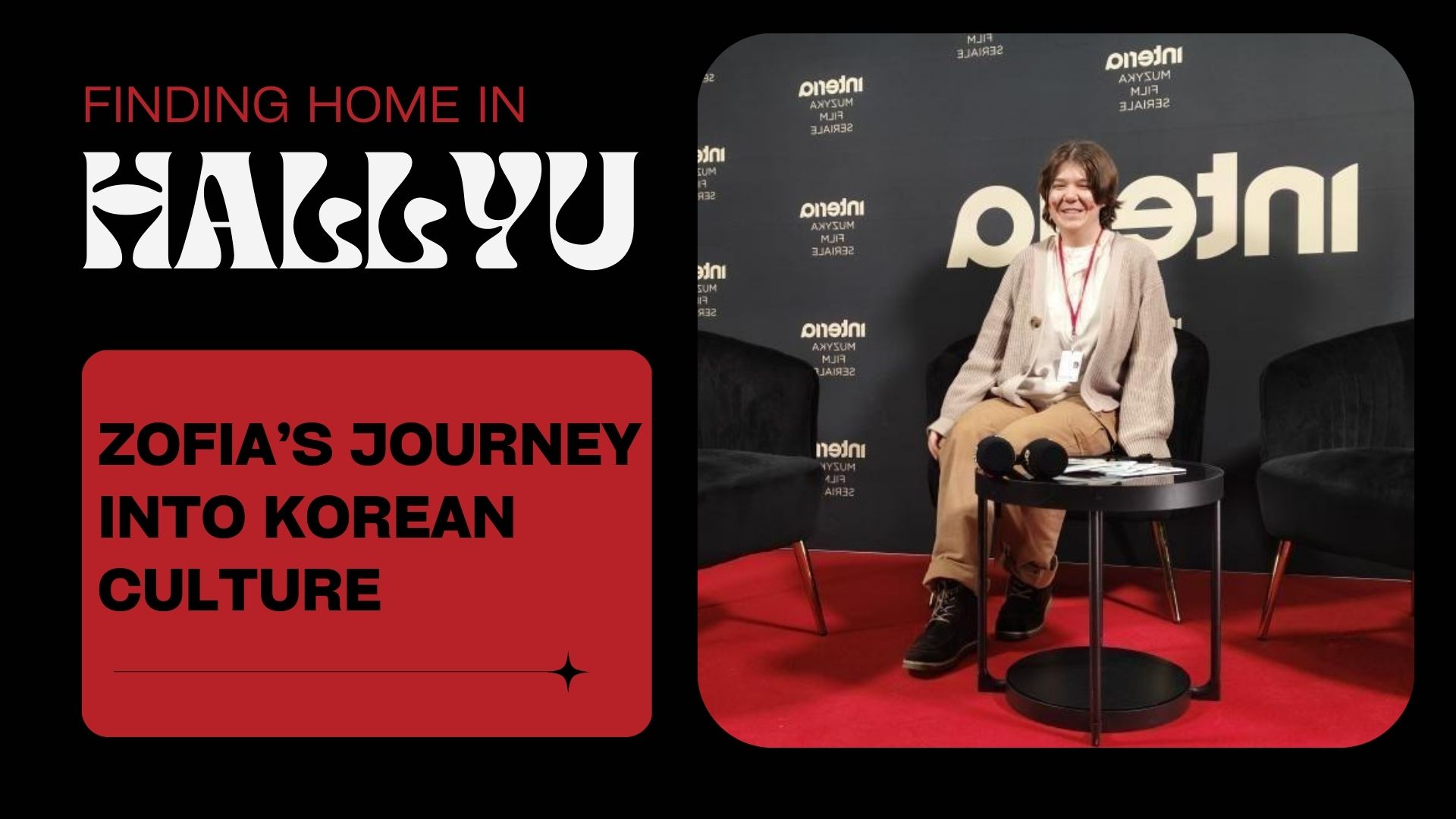
Finding Home in Hallyu: Zofia’s Journey into Korean Culture
As the global influence of the Korean Wave continues to expand, reaching new audiences across Europe, there are more and more people engaging with Korean music, cinema, and popular culture. What once seemed niche is now part of a broader cultural shift linked to the rising global presence of Korea. Curious about how this phenomenon transforms individual lives, I conducted an email interview with Zofia Płucisz, a young Polish enthusiast whose long-standing immersion in Korean pop culture reveals what Hallyu looks like not as a trend, but rather as a lived experience.
Culture that felt personal
For many young Europeans, the Korean Wave begins with curiosity. For Zofia, it began with an every-day life moment. She was in middle school, scrolling late at night, when she clicked on a music video by BTS for the song Fire on YouTube.
“I clicked out of curiosity,” she recalls. “And from that moment I was drawn into the world of K-pop. It felt like discovering something that would later become a passion -like finding a new hyperfixation that suddenly makes everything more vivid.”
That single click opened the door to something far deeper than entertainment. As she grew older, Zofia noticed something she could not easily explain: a sense of emotional alignment with a culture far from her own.“I felt my heart beating faster toward another culture,” she says. “European culture never really resonated with my personality. But when I discovered Korean pop music, I felt that this culture was closer to who I am.”
She describes herself as once quiet and inward-focused, someone who kept her passions private. Korean music changed that. Not necessarily by making her louder, but by making her feel understood.“Korean culture suits my sensitivity,” she explains. “I can’t imagine removing its music, films, or dramas from my life now. They’re part of my everyday reality.”
Her days gradually filled with Korean sounds, stories, and routines. From listening to music for hours, through experimenting with food, and studying writing systems, to watching variety shows when she needed comfort.
“When I feel down, I turn on a show with my favorite idols and I can laugh again. It helps me step away from everyday worries.”
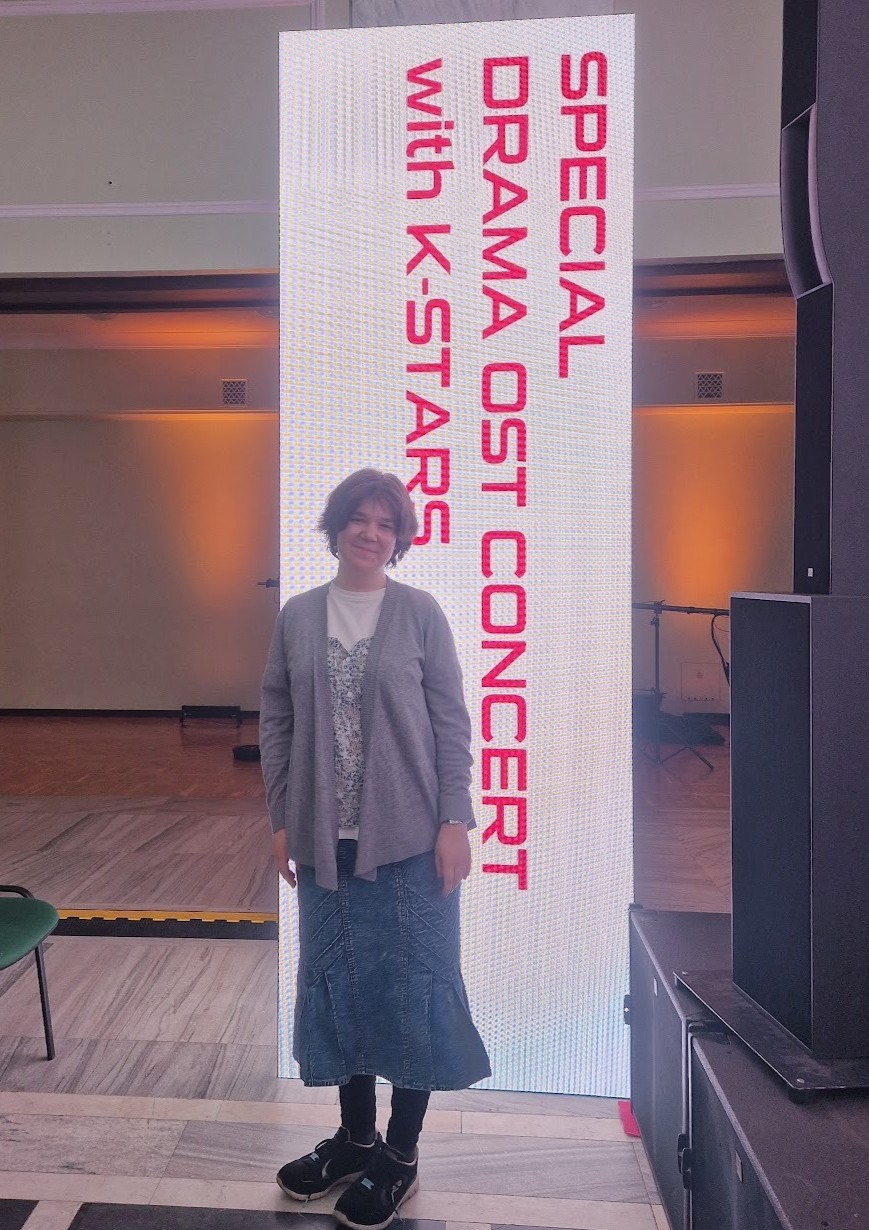
Cinema that resonates deeply
Music was only the beginning. Cinema soon became the emotional center of her experience.
“I find a part of myself in Korean films,” Zofia says. “Maybe an earlier version of me - quieter, more emotional.”
Her first time feeling moved by Korean cinematic came during a screening of “Hear Me: Our Summer”.
“It moved me deeply. Its poetic atmosphere was exactly what I needed at that moment. I recognized something familiar. Sensitivity toward other people, toward imperfection, toward life itself.”
Another powerful experience came while watching “Melo Movie”.
“Sometimes a melody or a single sentence resonates so strongly that my sensitivity wakes up,” she says. “Then emotions build inside me until they become tears- in the cinema, or at home during a drama episode. And I like that about myself. I don’t see it as weakness.”
She believes Korean storytelling expresses emotions that are often only hinted at elsewhere.
“There is a feeling of longing, for love, for a person, for a better life, that is portrayed incredibly vividly. And there is also hidden melancholy. It isn’t always spoken directly. You feel it through music, scenery, silence.”
A different way of seeing
Exposure to Korean storytelling changed more than her taste in media. It seems to have reshaped how she experiences the world.
“I became more attentive,” she says. “More sensitive to other people. And I gained a sense of calm. A feeling that there is time for everything, that it’s okay if something is missing in the present moment.”
She has also watched perceptions shift around her. Interest in South Korea has grown rapidly across Europe.
“I remember when people treated it as something strange, something to joke about. Now more people are curious. Or at least they don’t find it unusual anymore.” - she pointed
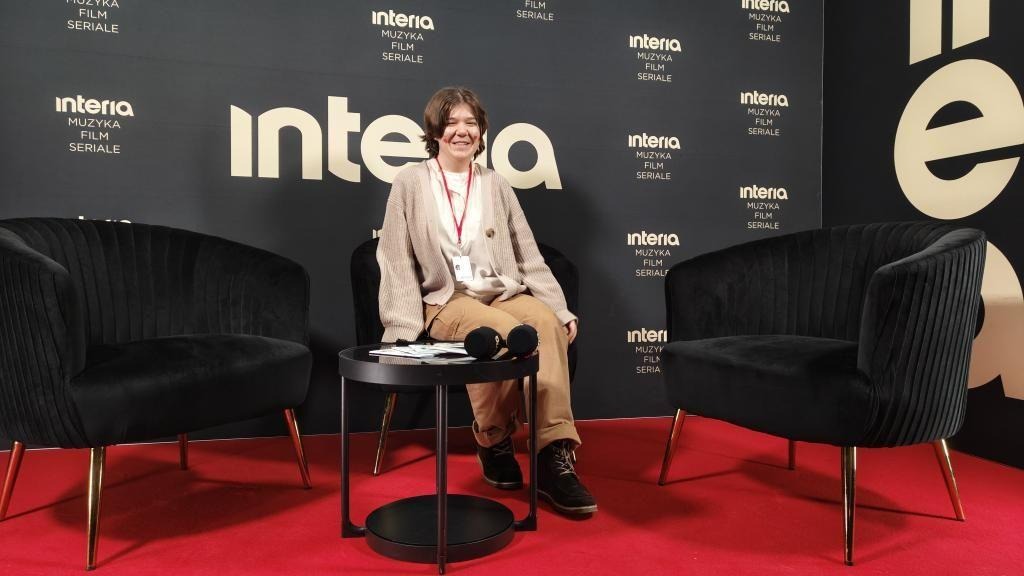
From fan to participant
Her personal fascination eventually led her into cultural work. After attending screenings at the “Festiwal Pięciu Smaków” (Five Flavours Asian Film Festival) in Warsaw, she decided to volunteer.
“I wanted to be part of something that brings this cinema to others,” she explains. “Being behind the scenes made me feel like I was doing something meaningful.”
What made this experience truly special was the atmosphere created by the shared conversations, collaborative work, andf collective viewing.
“One of my favorite feelings is sitting in a cinema hall full of people who love the same films,” she says. “And afterwards - talking, laughing, even cleaning up together while discussing what we’ve seen.”
For her, festivals are not only about films - they are about connection.
“I hope audiences leave with something to reflect on. A thought, a feeling, a conversation with the person sitting next to them.”
A global community
For Zofia, the Korean Wave is ultimately about people. “It’s amazing that this shared interest connects individuals around the world,” she says. “I’ve built real, meanigful friendships through it.” She believes its universality comes not only from the content itself but from the communities that form around it. “People organize themselves around what they love. That’s where the real power of it comes from.”
More than a trend
Years after that first late-night discovery, Zofia longer sees Korean culture as something she follows, but also something she lives.
“It connects all my interests into one whole,” she says. “Through it I became immersed in the country, the language, the music, the art.”
Her advice to newcomers is simple: “Find one or two things you truly want to explore. It’s easier to go deeper than to try to follow everything at once.”
For her, the Korean Wave is not a passing fascination. It is emotional language, creative inspiration, social connection and a framework through which she understands herself. “I can’t imagine separating it from my life. It feels like home.”
It turns out that Hallyu might have a much bigger influence on individuals that one can imagine. Through the story of Zofia Płucisz, one can glimpse how global fascination with Korea becomes something more personal… someting more than just a trend.
How about this article?
- Like0
- Support0
- Amazing0
- Sad0
- Curious0
- Insightful0