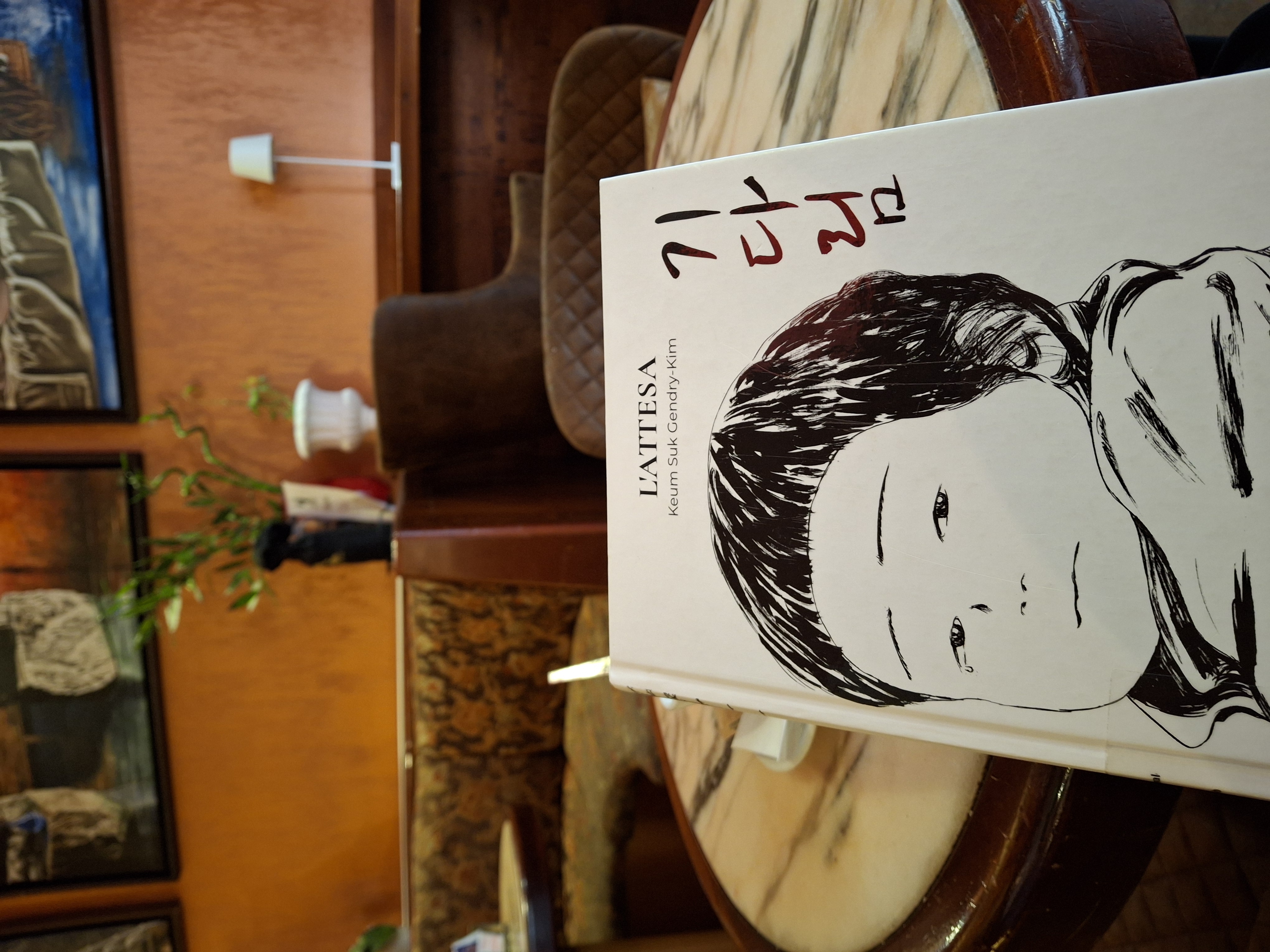
I recently had the opportunity to rediscover a masterpiece by Keum Suk Gendry-Kim: "The Waiting," published in Korea in 2019 and only released in Italy in 2023 thanks to Bao Publishing, which also published "Grass" in 2019. Once again, the author draws on her personal history, blending it with fiction to tell one of the most tragic episodes in Korean history: the separation of the two Koreas along the 38th parallel in the 1950s. The story of a mother's search for her son sixty years after their separation is heartbreaking, especially when the book's cover takes on a deeper meaning as the pages go on. As usual, the author doesn't seek to arouse pity or heartbreak in the reader, despite the inevitable tears shed in front of a surreal situation that unfortunately affects many of this country's inhabitants. The story, like the other masterpiece "Grass," manages to find moments of levity amidst such brutality, with these elderly women protagonists always ready to smile, even after all they've been through. The story uses flashbacks to shift between the protagonist and her mother's present which is year 2018, and the story of the mother, Gwi-Ja, from the years of Korea's separation to the present. Seeing the elderly mother's story through her daughter's eyes helps us understand a generational gap that presents two truly distant worlds, as Korea's rapid economic development has created a gap between the various generations. The book doesn't try to sugarcoat the tragedy of separation, it also reports official data on how many families have been separated and how many have never managed to reunite, even after the intervention of television.
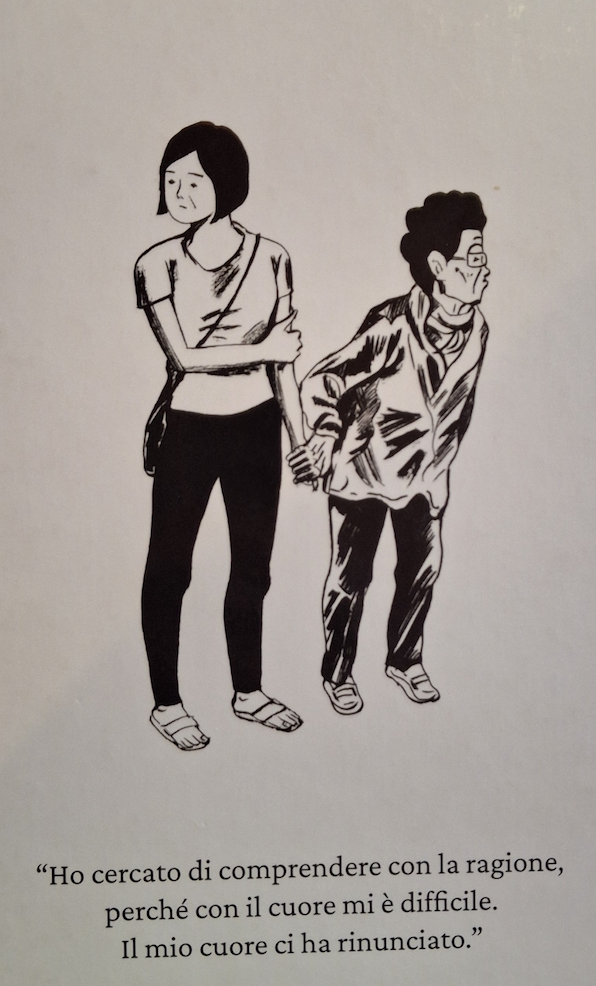
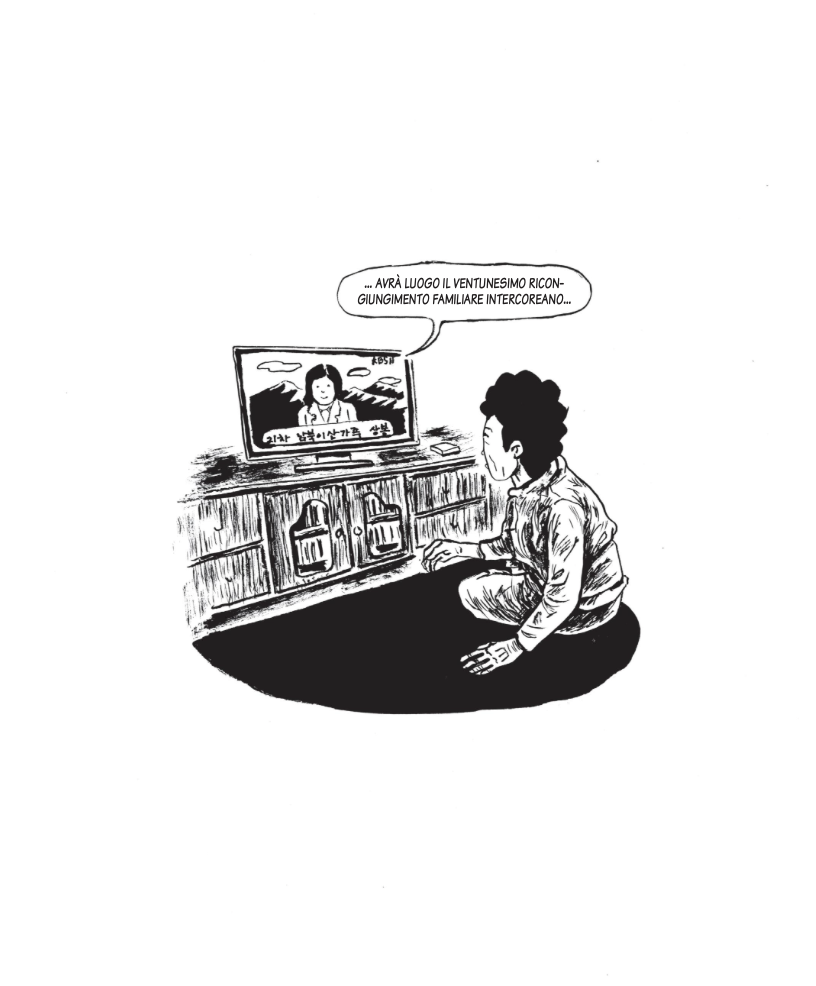
The Korean reunification television program, which aired on TV in the 1980s and was translated into English as "Finding Dispersed Families," reunited 10,000 families, but over 100,000 had requested to participate. Thousands of people gathered in front of the television station with signs describing their missing relatives, but after all those years, many people had died, and it was difficult to find family members with so few details, which may have changed over the years. The graphic novel also shows these moving images, in which the lucky ones who were able to participate in the program and find missing siblings or parents embrace each other as elderly people, tearfully. This is what the reader hopes will also happen to Gwi-Ja, who, due to the confusion during an attack while trying to feed her newborn daughter, lost sight of her husband and her son, just a few years old. The story tells of loss, the possibility of new bonds, of unusual families held together by solidarity and the sharing of an emptiness in their hearts.
This story is incredibly powerful, not only it allows us to learn about this part of the Korean history, which, even if too heartbreaking, is of course important to know, but it also makes us reflect on how a single story reflects that of thousands of families. All these Koreans families had to rebuild their identity from scratch, which does not mean forgetting their lost relatives, but trying to start over, always holding in their hearts the hope of being reunited with their loved ones, or at least hoping that they had a not too painful life, even though they were far away. The important thing is to keep the memory alive, not because it prevents us from moving on with our lives, but because it's a way of celebrating life, however difficult it may have been.
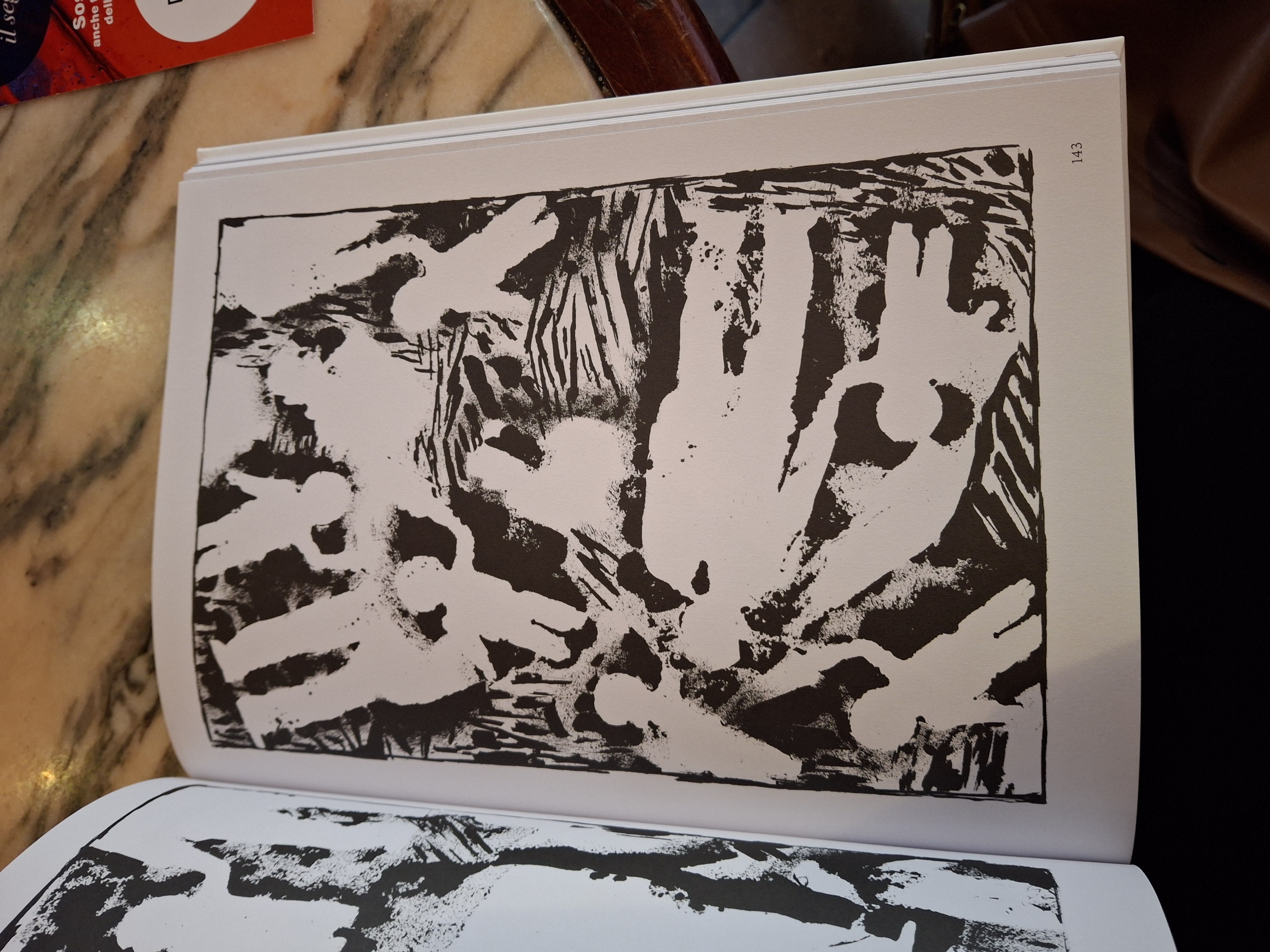
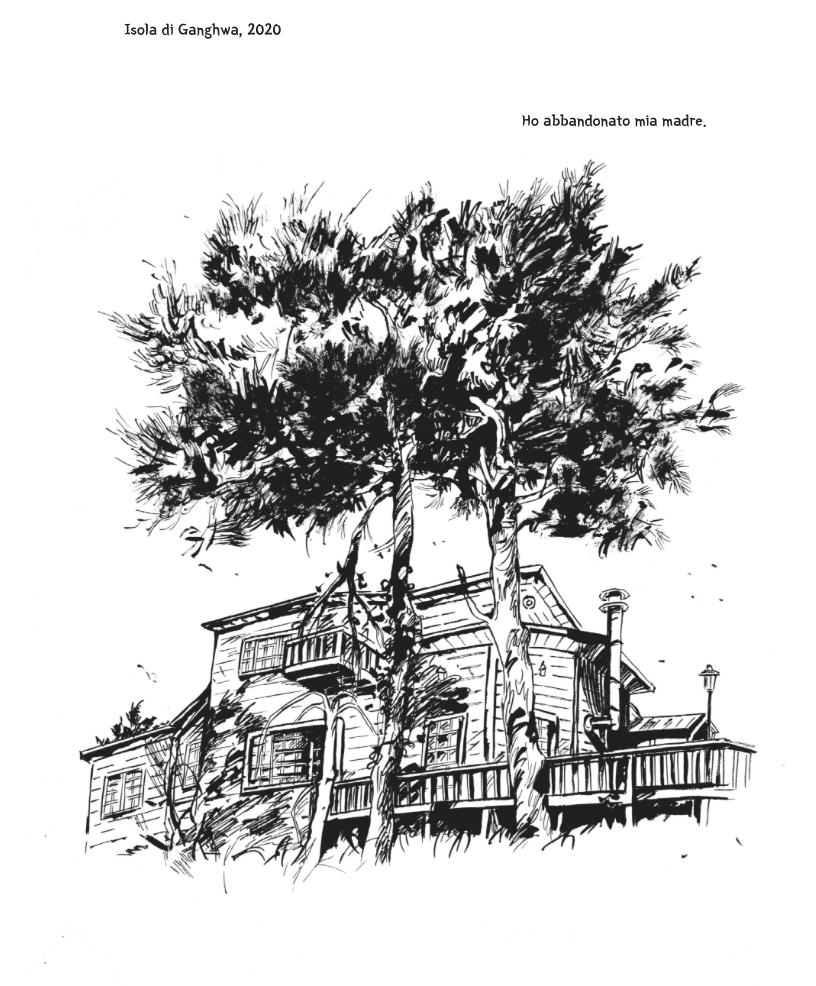
Graphic novels are an excellent way to tell these stories, and Keum Suk Gendry-Kim does it so delicately and wittily, with just a few lines of ink, simple faces with expressions that convey many words. The images imprint themselves on the reader's memory more than words do, and they aren't used to highlight pain, death, or war, actually they often omit them. A house with closed windows, an empty field, in all these images absence transforms into meaning, and a single tear on a face takes on a weight that's hard to shake from our mind. The author's brilliance lies in the simplicity and sincerity of her words; with a uniquely Korean delicacy, she transforms tragedy into a moment of intimacy. Her books should be included in school curricula as they're an excellent way to learn part of history without making a negative impression, while also allowing those who struggle with words to grasp that the images are just as immediate, and the most powerful are those whose meaning is hidden in a glance.
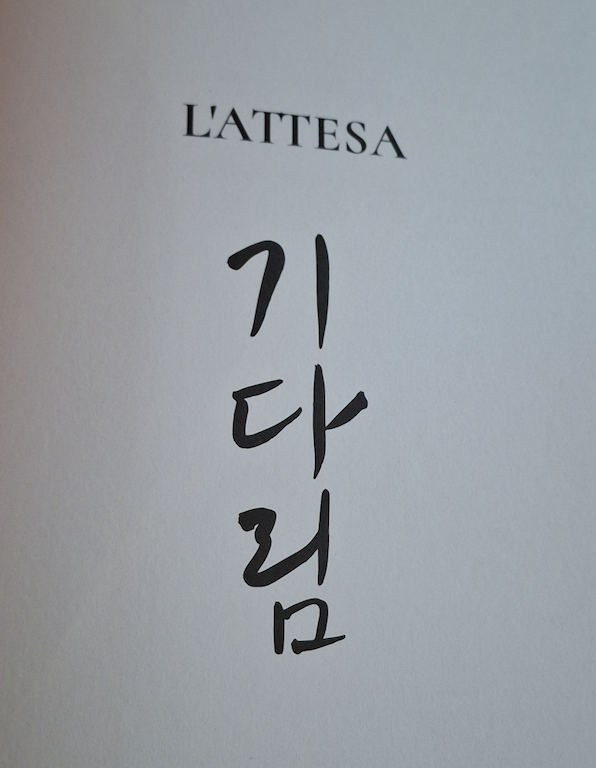
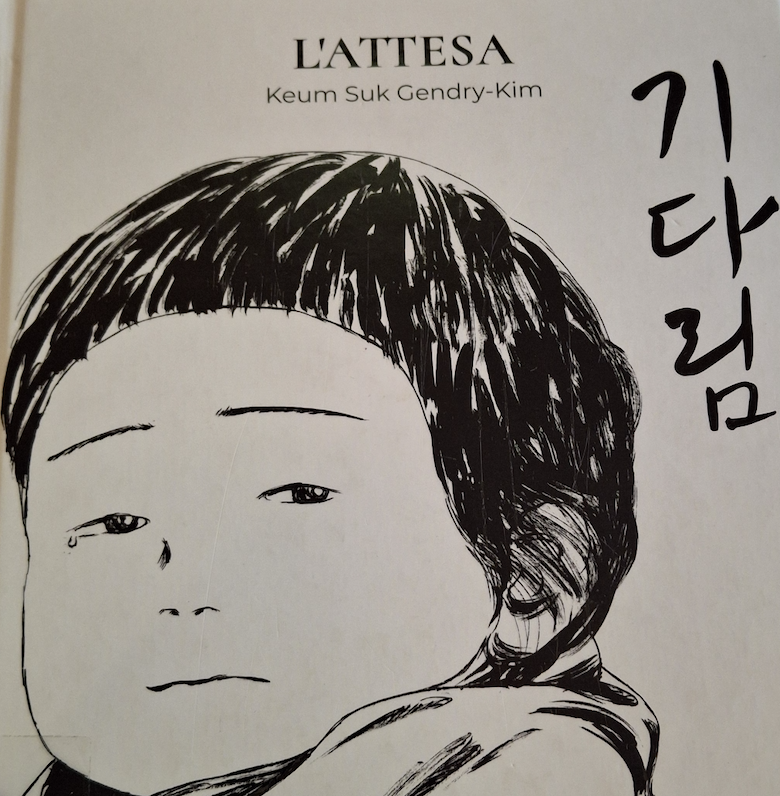
Source of pictures: https://baopublishing.it/prodotti/l-attesa/
How about this article?
- Like2
- Support0
- Amazing0
- Sad0
- Curious0
- Insightful1