When "Jewel in the Palace" (Korean: 대장금, Dae Jang Geum) first aired on Iranian national television in the mid-2000s, it became more than just a historical drama—it was a cultural event. With viewership rates reported at over 90%, families across Iran gathered nightly to follow the journey of Jang Geum, a young woman who rose from humble beginnings to become the royal court’s first female physician. The drama’s blend of resilience, culinary artistry, and traditional medicine resonated deeply with Iranian audiences, who found echoes of their own cultural values in its storytelling. In many ways, 'Jewel in the Palace' marked the beginning of Korea’s cultural wave in Iran, opening doors to greater curiosity about Korean history, cuisine, and society.
The Phenomenon in Iran
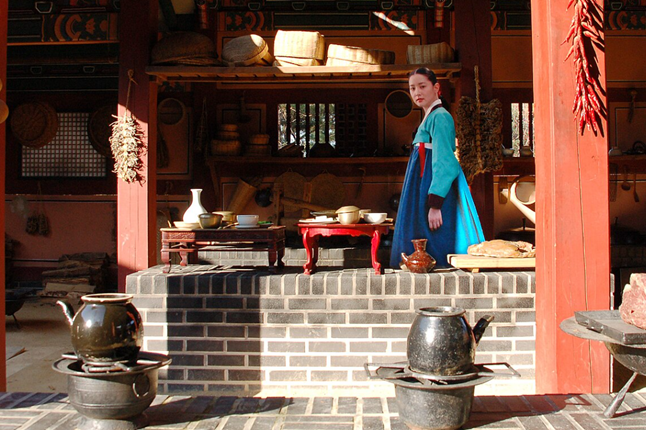
When ‘Jewel in the Palace’ was broadcast on Iranian national television in 2006, it quickly became a household name. Reports at the time noted that more than 90% of viewers tuned in regularly, an unprecedented figure for a foreign drama. Families would gather in living rooms after dinner, eagerly following Jang Geum’s journey from kitchen apprentice to royal physician. The series was discussed in workplaces, schools, and even traditional teahouses, becoming a shared cultural experience across generations.
The Phenomenon in Iran
When ‘Jewel in the Palace’ was broadcast on Iranian national television in 2006, it quickly became a household name. Reports at the time noted that more than 90% of viewers tuned in regularly, an unprecedented figure for a foreign drama. Families would gather in living rooms after dinner, eagerly following Jang Geum’s journey from kitchen apprentice to royal physician. The series was discussed in workplaces, schools, and even traditional teahouses, becoming a shared cultural experience across generations.
What made the drama so compelling for Iranian audiences was not only its historical intrigue but also its emphasis on food, healing, and perseverance. These themes resonated strongly with Iran’s own traditions of herbal medicine and culinary pride. Viewers admired Jang Geum’s determination to overcome adversity, finding parallels with values of resilience and moral integrity deeply rooted in Iranian culture.
The drama’s success also sparked curiosity about Korea itself. Newspapers and magazines covered the phenomenon, while conversations about Korean cuisine and history began to appear in everyday life. For many Iranians, 'Jewel in the Palace' was their first introduction to Korean culture, paving the way for later waves of K-dramas and contributing to the broader Hallyu movement in the country.
Cross-Cultural Connections
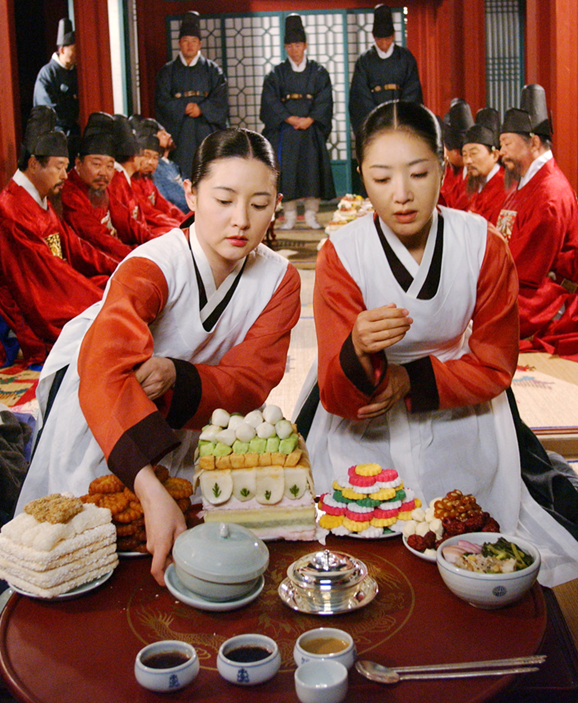
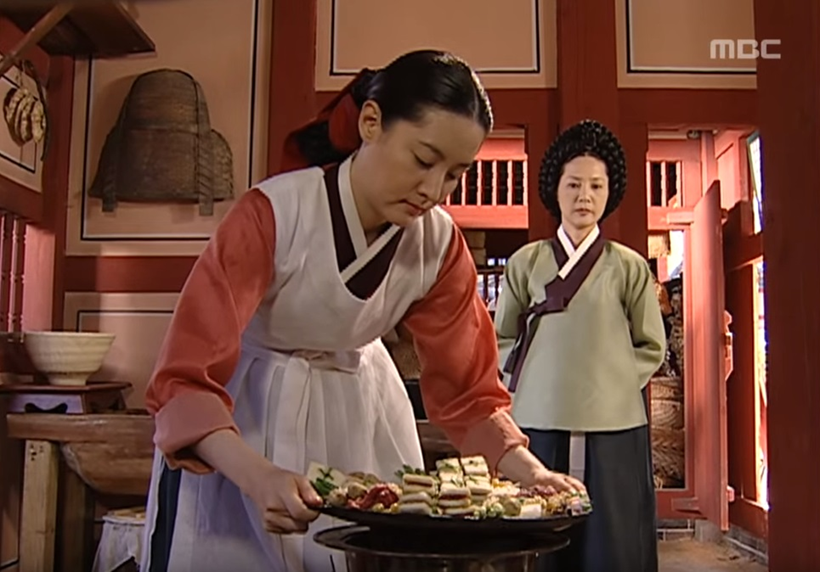
One of the reasons 'Jewel in the Palace' resonated so strongly in Iran was its ability to highlight traditions that felt familiar to Iranian audiences. The drama’s focus on food and medicine, for example, mirrored Iran’s own rich heritage of culinary artistry and herbal healing. Just as Jang Geum carefully prepared dishes to nourish both body and spirit, Iranian families have long valued the cultural and spiritual significance of food, from saffron-infused stews to elaborate rice dishes.
The series also emphasized the role of traditional medicine, showing how natural remedies and careful observation could restore health. This theme found a natural echo in Iran, where herbal medicine and holistic healing remain deeply respected. Viewers saw parallels between Korean court physicians and Iran’s own history of scholars and healers, such as Avicenna, whose works on medicine are still studied today.
Beyond food and medicine, the drama’s portrayal of perseverance and moral integrity struck a universal chord. Jang Geum’s determination to rise above obstacles reflected values cherished in Iranian culture: resilience, honesty, and the pursuit of knowledge despite hardship. In this way, 'Jewel in the Palace' became more than entertainment—it was a mirror through which Iranians could see aspects of their own traditions while discovering Korea’s.
Legacy
The impact of 'Jewel in the Palace' in Iran went far beyond its original broadcast. For many viewers, it was their first introduction to Korean history, cuisine, and traditional medicine, sparking a fascination that would later develop into a broader appreciation of Korean culture. The drama’s success opened the door for other K-dramas to enter Iranian households, laying the foundation for the Hallyu wave in the country.
Its legacy can still be felt today. The series is remembered as a turning point in cultural exchange, showing how storytelling can transcend borders and connect people through shared values of resilience, family, and tradition. In Iran, 'Jewel in the Palace' remains a symbol of how entertainment can foster curiosity and dialogue between nations. For Korea, it demonstrated the global power of its cultural exports, proving that historical dramas could resonate deeply even in societies with very different backgrounds.
By bridging cultures through narrative, 'Jewel in the Palace' helped establish a lasting bond between Korean and Iranian audiences. It stands as a reminder that television dramas are not only entertainment but also powerful tools of cultural diplomacy, capable of inspiring mutual respect and understanding across continents.
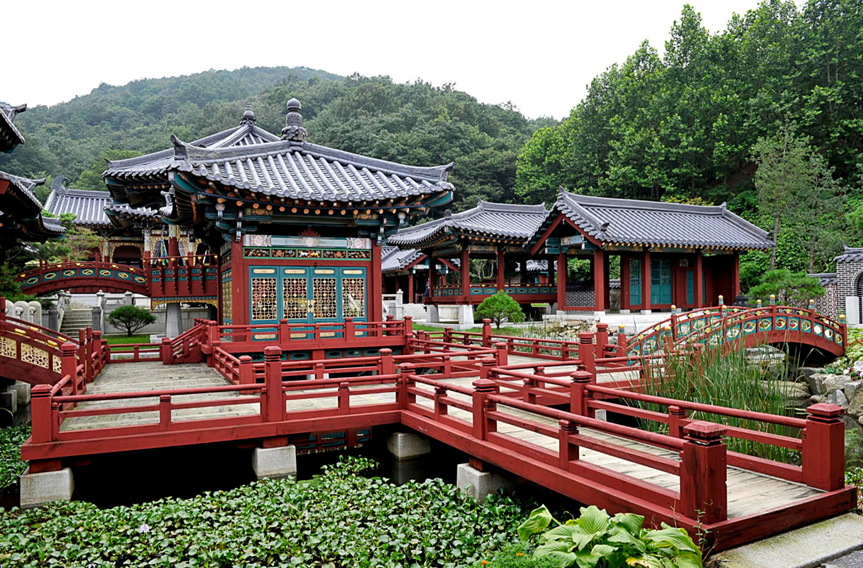
Nearly two decades after its broadcast in Iran, 'Jewel in the Palace' remains a cherished drama, not only for its enduring popularity but also as a significant milestone in cultural exchange. Its success showed how storytelling rooted in one nation’s history could resonate deeply with audiences halfway across the world, highlighting shared values of resilience, family, and tradition. For Iranians, the drama opened a window into Korean culture, sparking curiosity that has since grown into a broader appreciation of K-dramas and the Hallyu wave. For Korea, it demonstrated the universal appeal of its cultural exports and the potential of television as a means of bridging societies.
As new generations of Iranians discover contemporary Korean dramas, the legacy of 'Jewel in the Palace' reminds us that cultural diplomacy often begins with simple human stories—stories that connect hearts, inspire dialogue, and build lasting bonds across borders.
How about this article?
- Like0
- Support0
- Amazing0
- Sad0
- Curious0
- Insightful0