[Interview] From Korea to America: Cori Ahn's Journey in Sharing Korean Culture Through Events and Hanbok Creations
2025-12-02
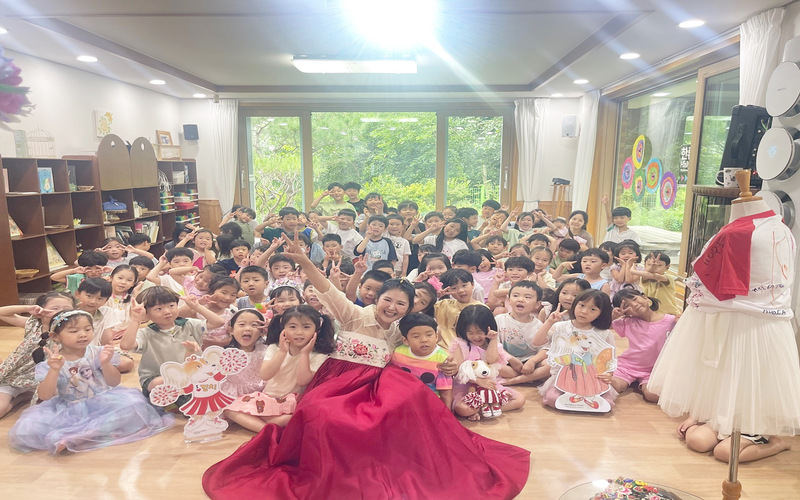
Korean culture is no longer limited to a specific community or place; with the Hallyu wave, it has spread across the world. Among the figures who have played an important role in sharing this culture is Cori Ahn, who has become a bridge between Korea and the United States.
She has worked to organize events for children to help them learn more about Korea and its culture, going beyond theory to create hands-on, enjoyable experiences presented in an easy-to-understand way. She also published her first book, My Name is Kimchi, which tells a warm story about love, identity, and cultural memories for children.
With her love for hanbok, she began creating different everyday styles, presenting them in a modern and distinctive way, making her a true bridge between cultures and bringing her country’s heritage to the world.
In this special interview, we take you on an engaging journey with Cori Ahn, from her beginnings to her arrival in the United States. This interview was conducted via email between November 2 and November 25.
-Could you tell us a bit about yourself and your journey from Korea to the U.S.?
I was born and raised in Korea, and I came to the United States to earn my master’s degree at NYU. After completing my studies, I decided to continue living here, and over time, my life naturally grew into the work I do now.
For more than fifteen years, I have been teaching Korean language and culture throughout Greater Boston and New England. I create programs that help people, especially children, experience Korea through storytelling, food, and art. Through this work, I eventually became a children’s book author, an educator, and someone who shares Korean traditions in warm and accessible ways in libraries and schools.
Meeting so many different communities has taught me how sharing culture with kindness can create real connections. And sometimes inspiration comes from the simplest moments. One day, I met a little neighborhood dog named Kimchi. That small encounter stayed with me and became the spark for my picture book My Name Is Kimchi, a story about love, identity, and the memories we carry.In many ways, my journey has become a bridge between the home I grew up in and the community I now belong to.
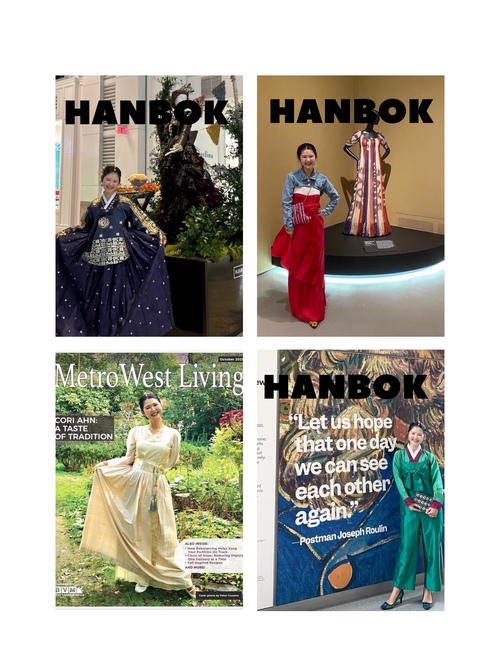
-When did your passion for hanbok start — was it always part of your life, or did it grow after moving abroad?
I always loved traditional hanbok growing up, but my passion deepened after I moved abroad. Living outside Korea helped me see hanbok’s beauty, craftsmanship, and meaning in a new way. I began styling hanbok for everyday life, mixing traditional pieces with modern clothing, and curating looks that feel both personal and rooted in heritage. Over time, hanbok became more than clothing for me. It became a way to share Korean aesthetics and identity with a wider community.
-After 15 years of teaching Korean, what do you think most attracts people to Korean culture?
I think people are drawn to warmth at the center of Korean culture. Throughout Korean history, community and family have always been essential. Korea experienced many challenging times, and people learned to rely on one another, share food, care for neighbors, and pass down stories that offered comfort and strength. That spirit continues to shape our food, music, language, and traditional arts today.
When workshop participants learn about Korea, many tell me they feel joy, comfort, and a sense of sincerity in what they experience. Whether they are tasting fermented foods, hearing the stories behind our traditions, or seeing the gentle beauty of hanbok, they sense how deeply Korean culture values people and relationships.
I believe this human warmth, shaped by history and everyday life, is the true heart of Hallyu. It is not just entertainment or trends. It is the feeling of connection that stays with people.
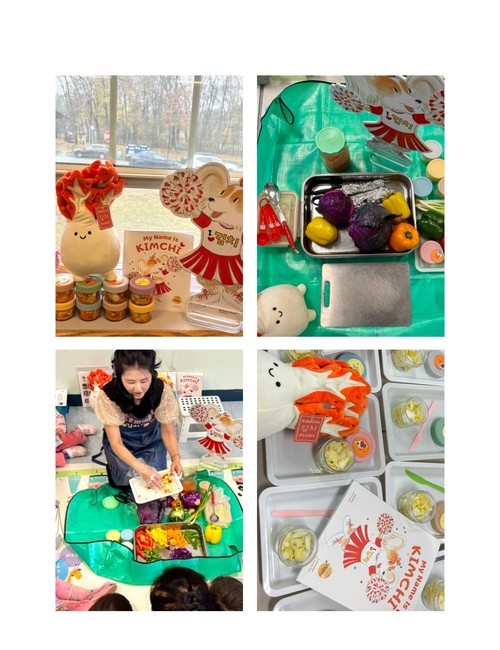
-How did you start organizing cultural events, and what do you focus on most — education, experience, or human connection?
It began very naturally. Parents, teachers, and librarians started inviting me to share stories and activities about Korea, and one small event soon grew into many. Before long, I found myself organizing workshops across Boston—book talks, kimchi cooking sessions, art projects, and cultural demonstrations.
I value all three—education, experience, and human connection—but connection always comes first. Learning becomes truly meaningful when people feel something: when they listen to stories, taste food, and share their own experiences in return. That is where real cultural understanding begins.
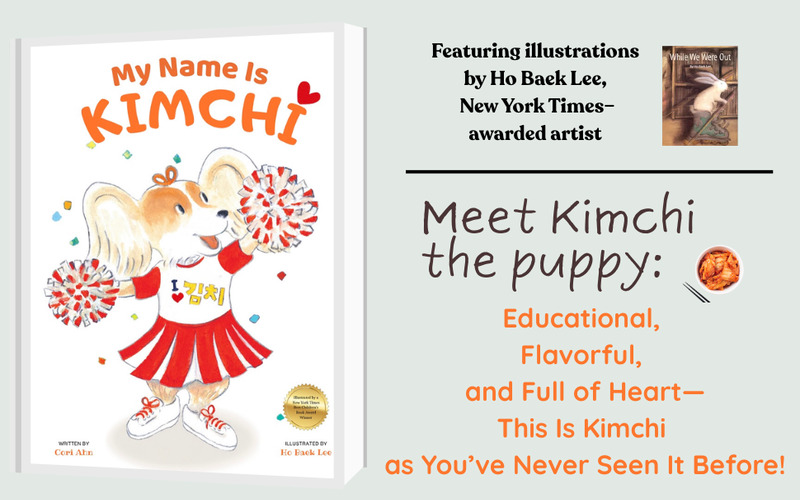
- Your book My Name is Kimchi presents Korean culture in a simple and friendly way. What message did you want readers to take from it?
My message is that every name carries a story, and those stories should be valued. Kimchi, the puppy in the book, symbolizes love, identity, and cultural connection. I want children to know that their background, family tradition, and personal story matter—and that diversity is something to be celebrated, not hidden.
-Why did you choose kimchi as the main theme and title of your book?
Kimchi represents both Korea’s heritage and my own personal story. It’s one of the most iconic symbols of Korean culture, yet it’s familiar and friendly even to young readers. Kimchi is love, memory, comfort, and community. Naming the puppy “Kimchi” allowed me to connect cultures in a playful, heartwarming way and introduce Korean identity through food children recognize
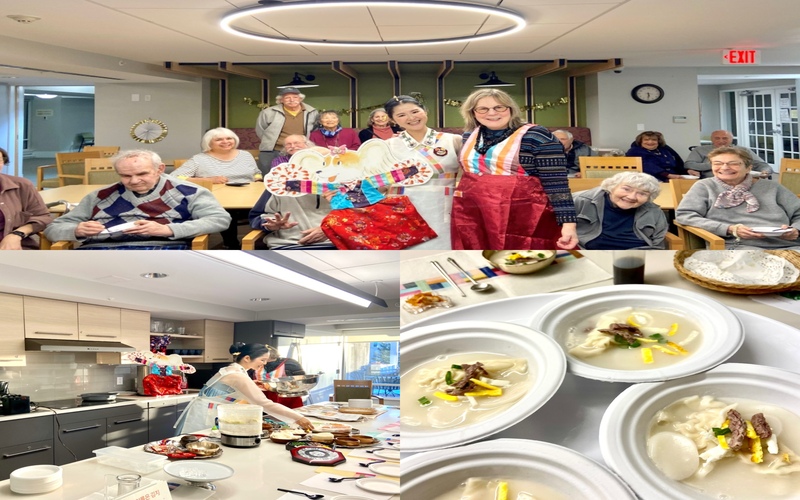
-What do you think makes people outside Korea so drawn to Korean culture? Is it curiosity, beauty, or something deeper?
All of these elements play a part, but I believe people are especially drawn to the sincerity and depth of Korean culture. Korean cuisine shows this clearly. Fermentation has always been an important part of our cooking, and it creates flavors that are rich, layered, and full of health benefits. The way we enjoy our meals also says a lot about our culture. Many small banchan, or side dishes, are placed on the table, and people naturally mix and match them with every bite. This creates a meal that feels balanced, diverse, and alive. Kimchi is a wonderful example of this harmony because it brings freshness, complexity, and nutrition all at once.
A similar kind of depth appears in Korean storytelling and art. Korean dramas and films often explore themes that feel very real to people, such as family, love, loss, and resilience. They are emotional without being exaggerated, and viewers can easily relate to them. Hanbok also reflects this sensibility. Its beauty is calm and understated rather than loud or dramatic. The colors, lines, and textures come together in a way that feels gentle and elegant, and many people find comfort in that quiet style.
I think people connect to Korean culture because it feels genuine. It is not only something to observe from a distance. People can taste it through food, understand it through stories, and experience it through clothing and art. In that process, they often discover something meaningful, and that is what keeps drawing them in.
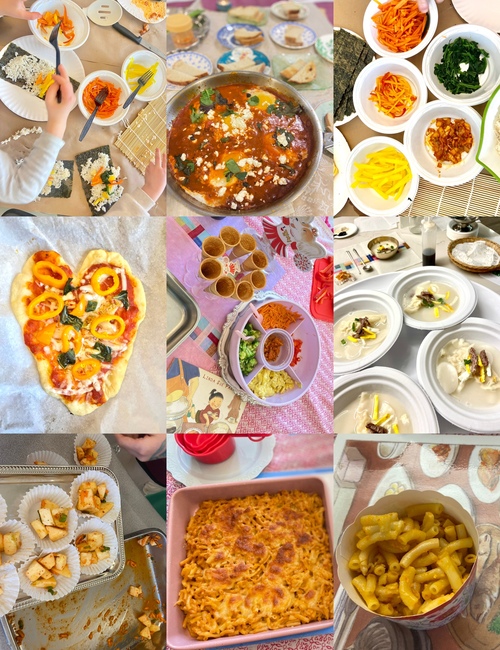
-Why do you think it’s important to teach children about different cultures?
Children are naturally curious and open to new experiences. When they learn about different cultures at an early age, they grow up with more empathy and a stronger sense of who they are. Through hands-on activities such as making kimchi, creating hanbok-inspired crafts, or exploring name and identity projects, I want children to understand that the world is full of many layers and perspectives. Their own heritage deserves pride and joy, and so do the backgrounds of the people around them.
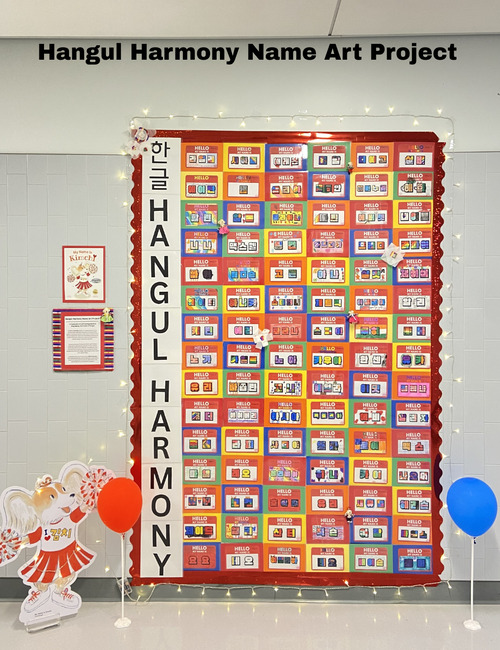
- Finally, if you could share one message about Korean culture or your role as a bridge between cultures, what would it be?
My message is simple: culture connects people. Through books, food, art, fashion, and stories, we can build bridges that bring communities closer. If my work helps even one child feel proud of who they are or helps one family discover the beauty of Korean culture, then I feel I’ve done my part.
In conclusion culture connects people, and through her events, book, and hanbok creations, Cori Ahn has built bridges between Korea and the United States. Her work inspires children and communities alike to explore, celebrate, and take pride in Korean culture.
How about this article?
- Like0
- Support0
- Amazing0
- Sad0
- Curious0
- Insightful0