This piece is part of the writer’s personal contemplation on the music of a nation, and the deeper meaning behind its symbols.
Every nation has a national anthem that captures the spirit, hope, and collective identity of its people. As someone who has long enjoyed Korean music, especially K-pop, I’ve followed Korea’s musical pulse mostly through its popular culture.
Just like in Indonesia, Korean music is also rich in its traditional heritage, such as the gugak genre. But lately, I realized there was one song I had never truly explored: Aegukga, Korea’s national anthem.
For years, I only knew the title, Aegukga. And that alone sparked curiosity.
Unlike in Indonesia, where the anthem is played at the start of every formal event or even concerts, Aegukga doesn’t echo through concert halls. It doesn’t trend on streaming charts. Yet it stands as the foundation of all songs that came after, a song of patriotism that carried the nation through war, colonization, and the building of a modern state.
The Meaning and Lyrics of Korea’s National Anthem ‘Aegukga’
According to Facts About Korea published by Korea.net, Aegukga means “The Patriotic Song.” The original lyrics were written by independence movement leaders, and the melody was composed by Ahn Eak-tai in 1935. The anthem was officially adopted in 1948 with the founding of the Republic of Korea.
Here are the English-translated lyrics of Aegukga, as cited from Facts About Korea:
“Until the day when the waters of the East Sea run dry and Baekdusan Mountain is worn away,
God protects and preserves our nation; Hurray to Korea.
Great Korean people, stay true to the Great Korean way!
(Refrain)
Three thousand ri of splendid rivers and mountains covered with mugunghwa blossoms.”
These lyrics express an eternal promise that as long as Mt. Baekdu stands and the East Sea flows, the Korean people will love and defend their homeland. The mugunghwa, Korea’s national flower, is mentioned as a symbol of beauty and resilience.
But Korea’s national identity lives not only in this anthem, but also in its national symbols:
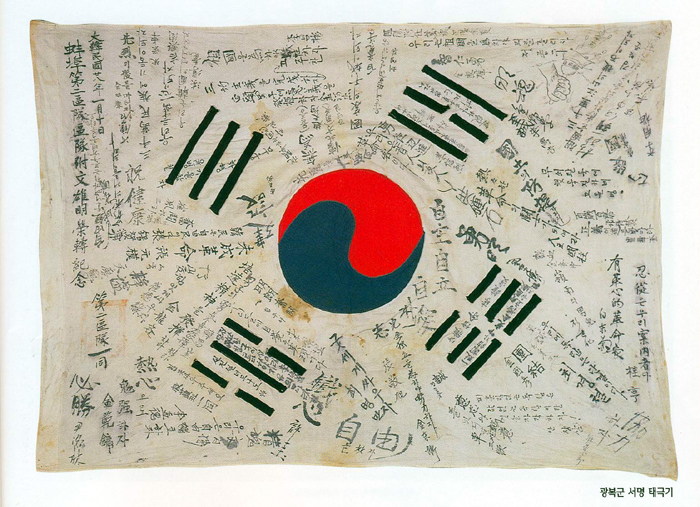
National Flag (Taegeukgi)
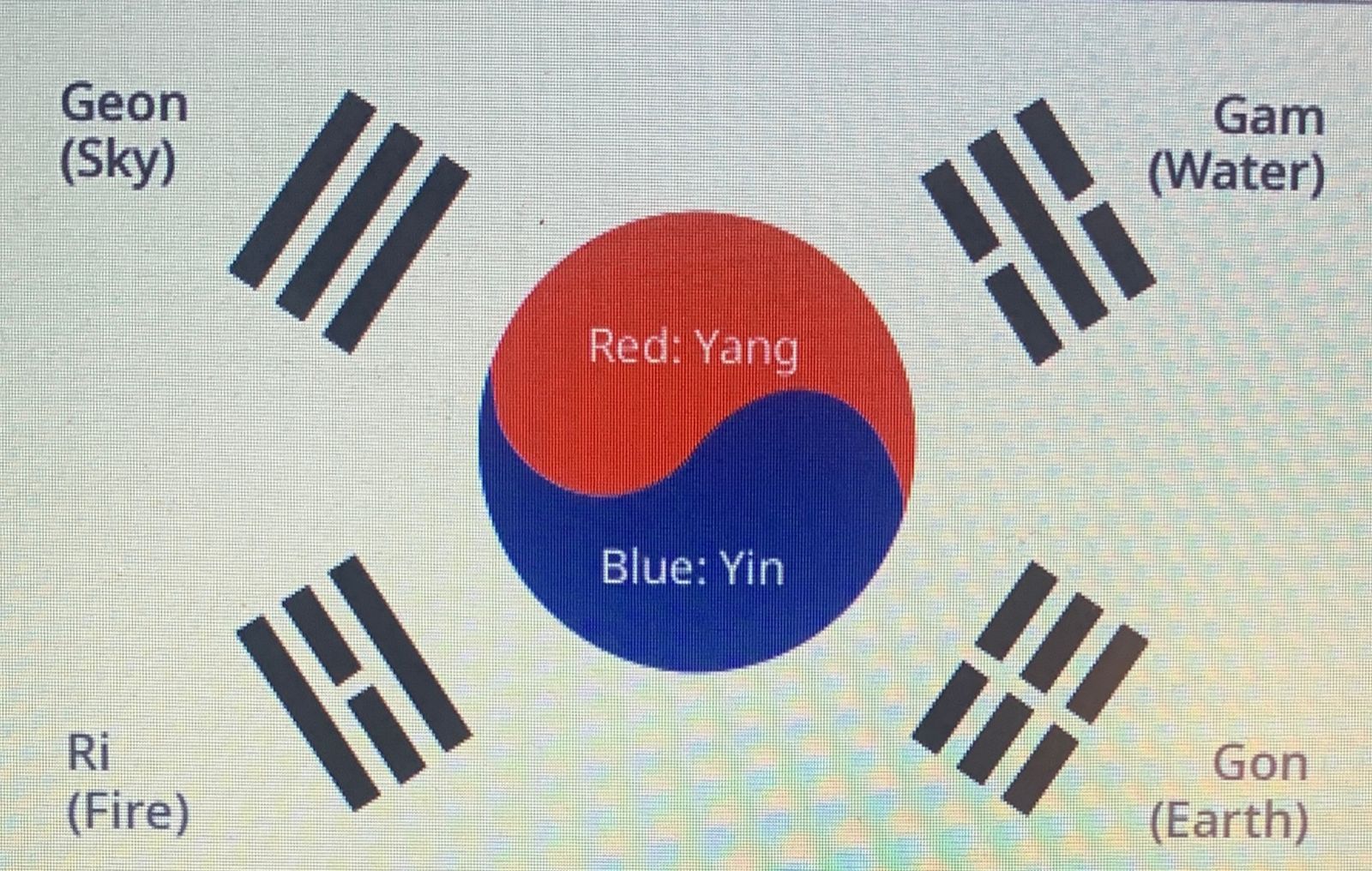
The white background represents purity and peace. The red and blue circle (taegeuk) symbolizes the harmony of yin and yang. The four black trigrams in each corner stand for heaven, earth, fire, and water.
National Flower (Mugunghwa)
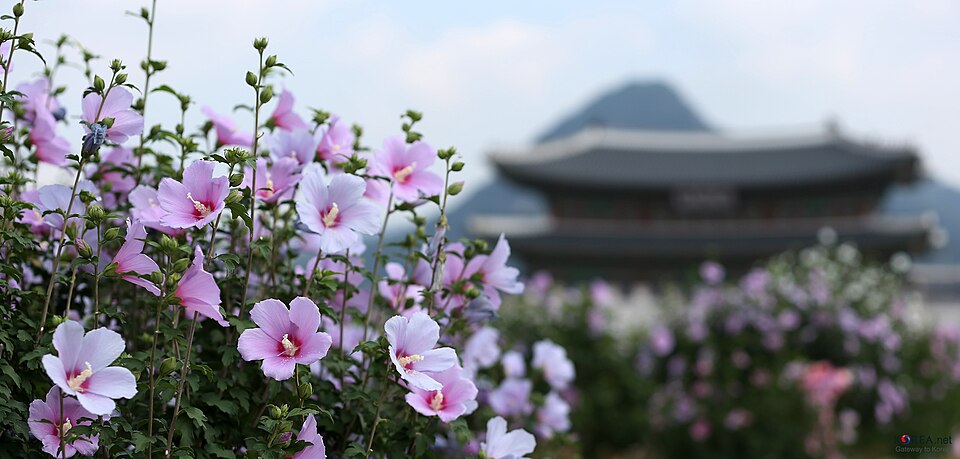
The mugunghwa, or Rose of Sharon, is known as “the eternal blossom that never fades.” It reflects the unyielding spirit of the Korean people who have endured hardship with strength and dignity.
National Script (Hangeul)
Created by King Sejong in the 15th century, Hangeul is a symbol of Korea’s intellectual independence. With just 24 letters, it enabled even commoners in the past to read and write, a powerful tool of equality.
As someone who was introduced to Korea through K-dramas and K-pop, I once viewed the country as a land of idols and entertainment. But understanding Aegukga opened my eyes to a deeper truth, that behind the excitement of the entertainment industry lies a strong sense of national pride and identity.
Every popular song we enjoy today is built upon a cultural foundation shaped by people who loved their country. Aegukga is not just a formal anthem, it is the emotional root of Korea’s entire musical symphony.
How about this article?
- Like0
- Support0
- Amazing0
- Sad0
- Curious0
- Insightful0