Introduction to Hangeul Day
Hangeul Day, known as Hangeulnal in Korean, is a special holiday celebrated annually in Korea to honor the creation of the Korean alphabet, Hangeul. Established by King Sejong the Great in the 15th century, Hangeul was revolutionary in making literacy accessible to all Koreans, as it was designed to be simple, phonetic, and easy to learn. Unlike other alphabets that evolved over time, Hangeul was deliberately crafted for the people. This day, celebrated on October 9th, serves to commemorate King Sejong’s linguistic innovation and its profound impact on Korean society.
Historically, Hangeul was first introduced in 1446, replacing the Chinese characters that had been used in Korea, which were difficult for the common people to master. Over the centuries, Hangeul faced periods of suppression, especially during the Joseon dynasty when the elite sought to maintain their power by preserving the use of Chinese characters. However, Hangeul gained widespread use again in the 19th century and became the standard writing system by the mid-20th century. Today, it is considered one of the easiest alphabets to learn, and on Hangeul Day, people in Korea reflect on the significance of the Korean language and its development.
The National Importance of Hangeul Day
An essential part of the cultural fabric of Korea, Hangeul Day is a national holiday, celebrated with various events across the country. These events often include exhibitions, performances, and educational activities that promote the history of Hangeul. The day holds particular significance for Koreans as it not only celebrates a linguistic achievement but also reinforces national identity.
In Korea, Hangeul Day was declared a national holiday in 1945, though it briefly lost this status between 1991 and 2012. Since its restoration as a public holiday in 2012, Koreans have enjoyed this day off, making it a special time for reflection, learning, and celebration.
A Personal Experience at the Sejong Institute in Tehran
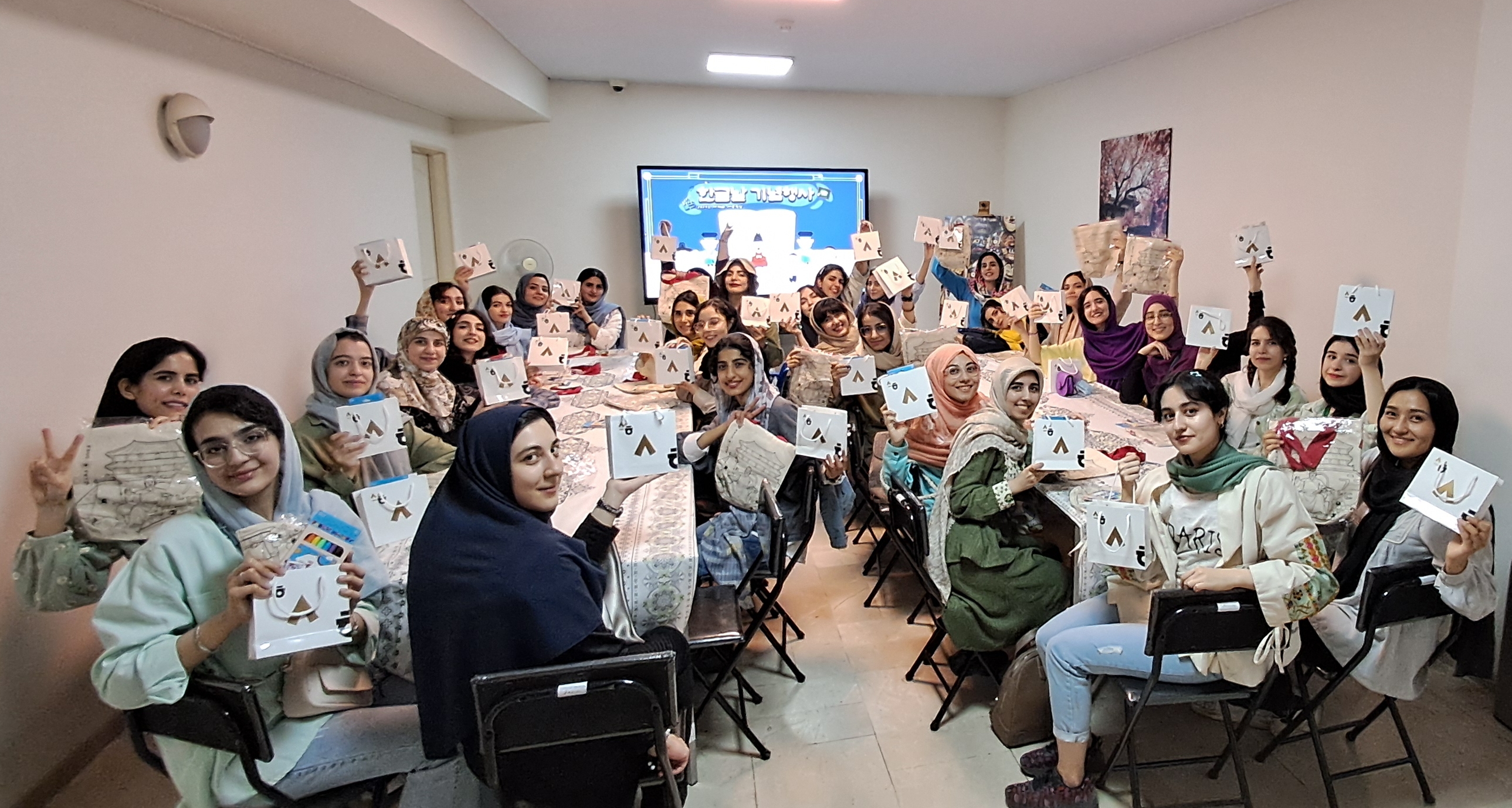
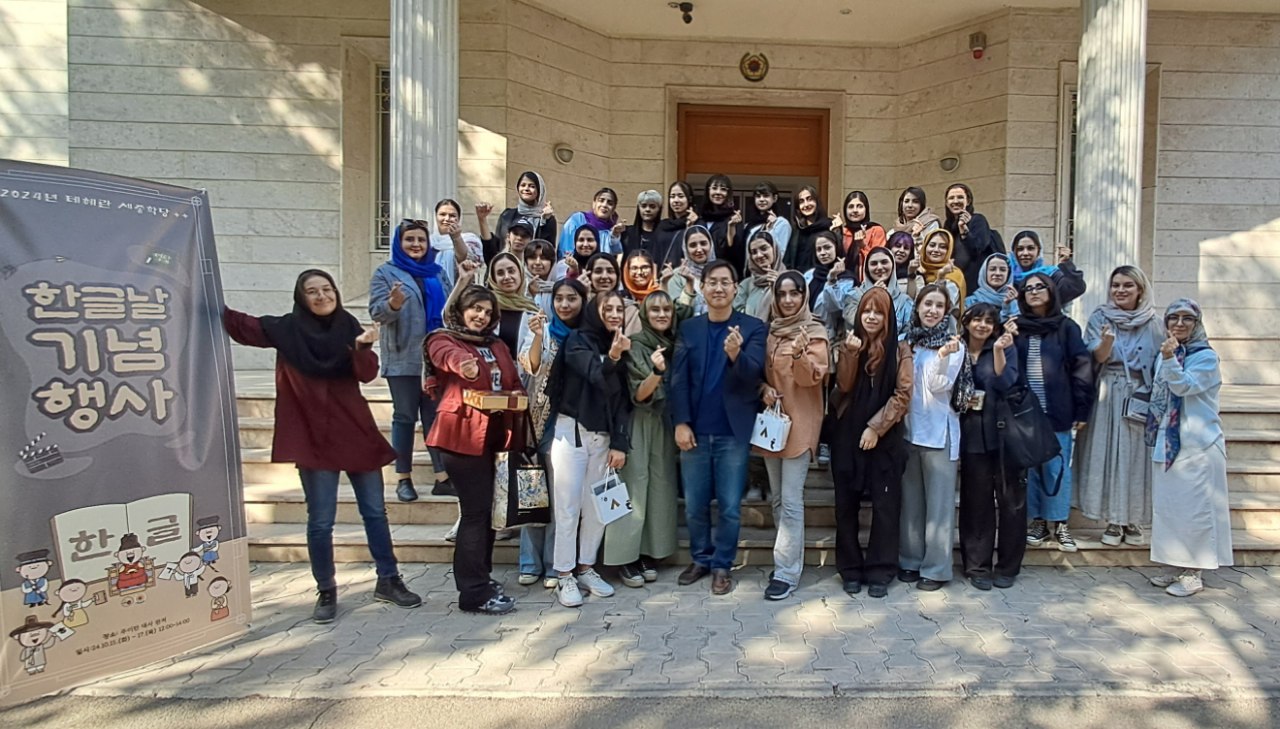
This year, I had the privilege of experiencing Hangeul Day celebrations at the Sejong Institute in Tehran, which is housed within the Korean Embassy. The Sejong Institute provides an opportunity for people interested in Korean culture to learn the Korean language and explore various aspects of Korea’s rich heritage. It was here that I, along with other students and teachers, participated in a series of fun and engaging activities that brought the significance of Hangeul Day to life. The event was not just about learning the history of Hangeul, but it also encouraged interaction between students of various levels, building a sense of community among those who share an interest in the Korean language and culture.
The day began with a warm introduction to the history of Hangeul, where we learned about King Sejong’s visionary creation of the alphabet. As someone who had only previously read about Hangeul, it was fascinating to hear about its origin and the challenges it overcame. The interactive presentation made us appreciate just how significant this achievement was in making literacy accessible to all Koreans, regardless of social status.
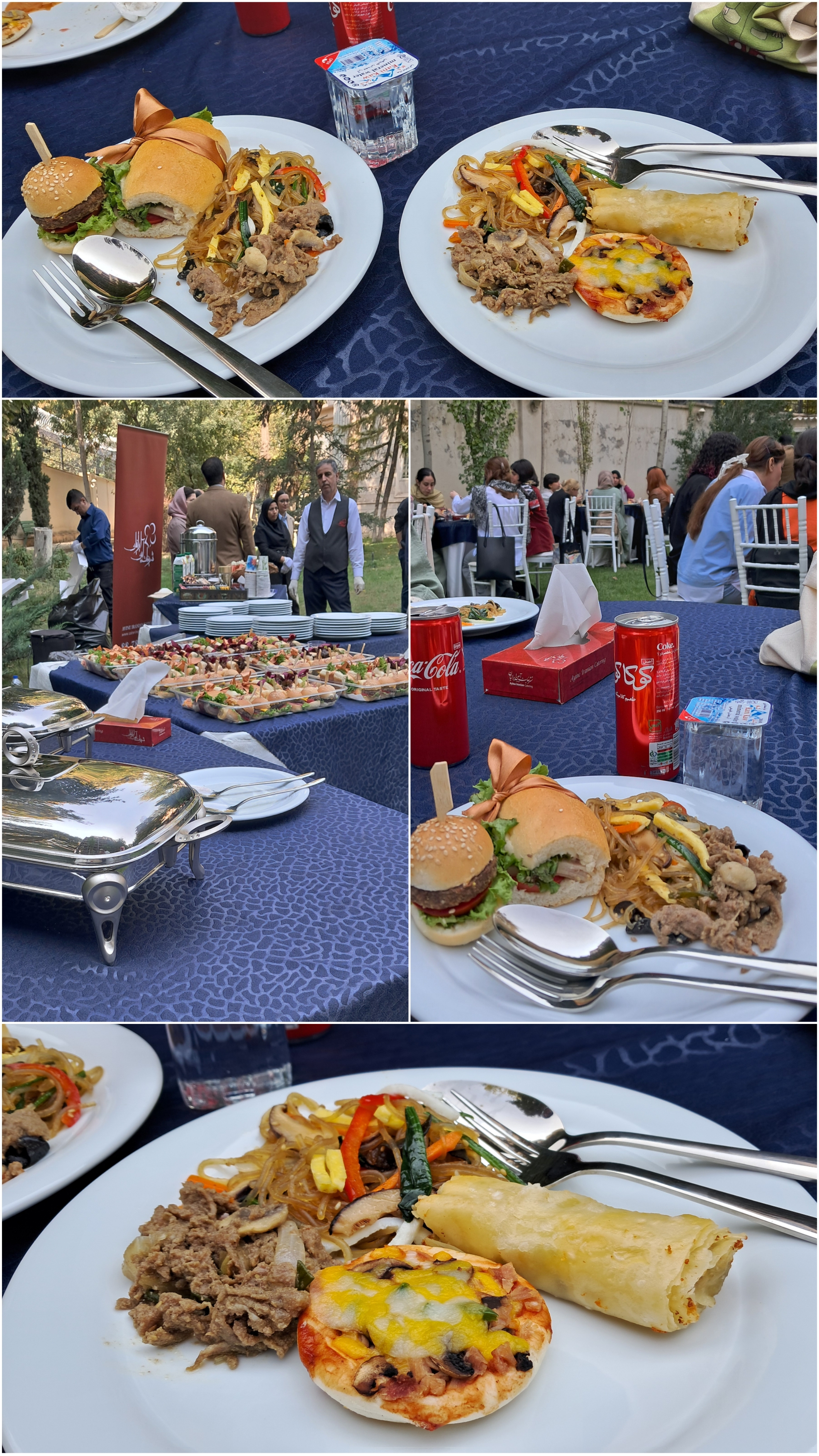
A Taste of Korea
The celebration continued with a delightful lunch, during which we had the opportunity to sample traditional Korean foods like bulgogi (marinated beef) and japchae (stir-fried glass noodles). The flavors were delicious, and I particularly enjoyed how the meal brought a sense of authenticity to the event. The rich flavors and textures of the food were a real treat for my taste buds, and I could see why Korean cuisine is beloved around the world. Sharing the meal with other students, teachers, and members of the Sejong Institute made the experience even more enjoyable as we bonded over the food and our shared interest in Korean culture.
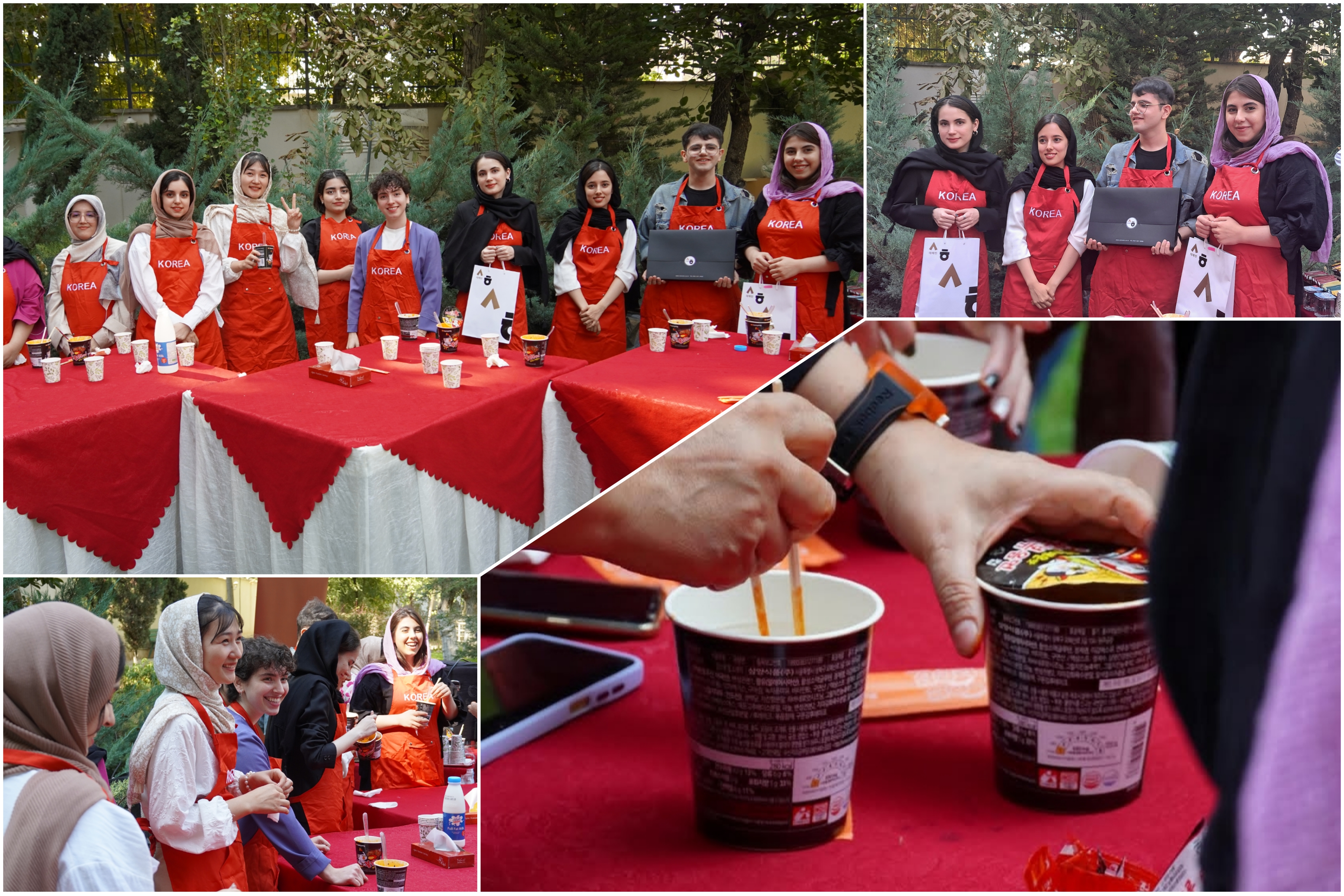
Spicy Noodles and Friendly Competition
After lunch, we kicked off the fun with a spicy noodle eating competition, which was an absolute blast. The challenge brought out the competitive spirit in everyone, and although the noodles were incredibly spicy, it added to the excitement. I was impressed by the enthusiasm and energy of my peers, and it was a great way to bond with students from different levels of language proficiency. Everyone had a great time, laughing and cheering each other on as we tackled the fiery noodles. It was a perfect mix of tradition, excitement, and camaraderie.
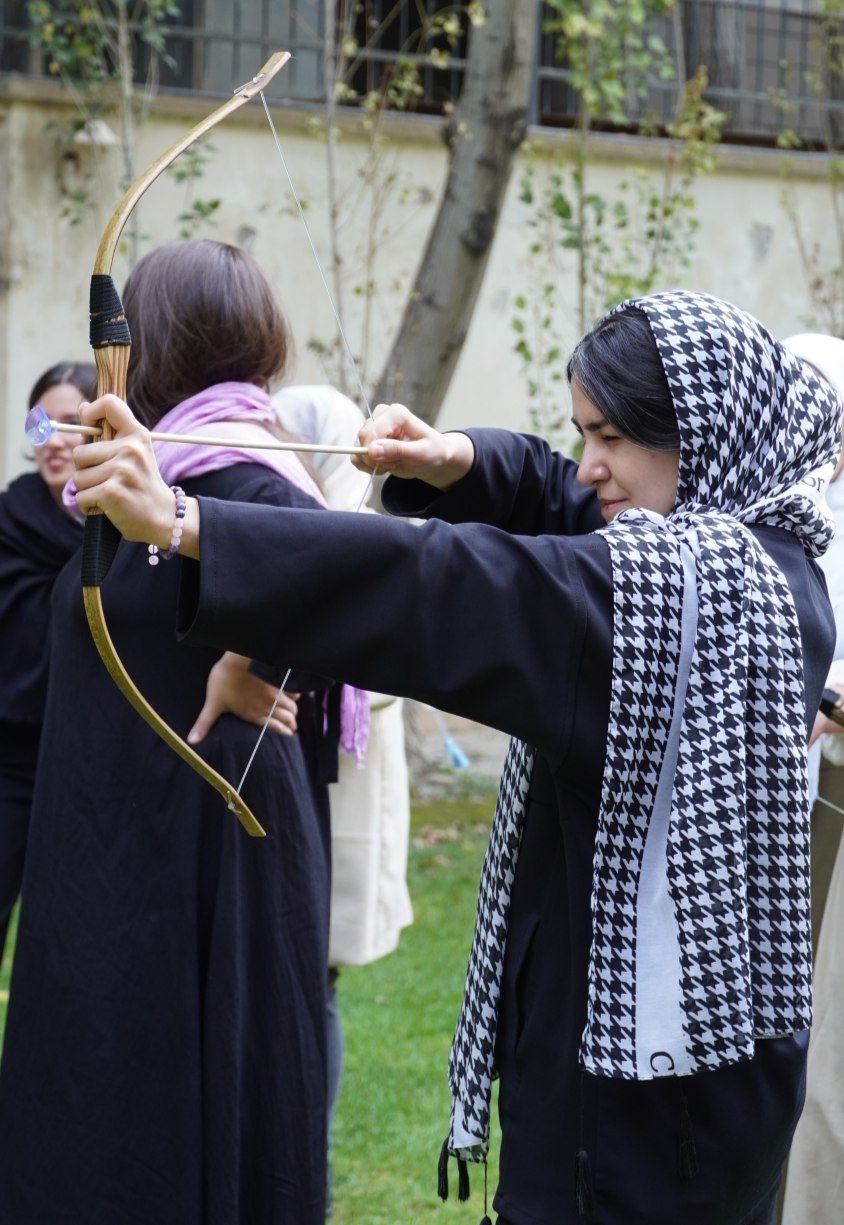
Archery and Korean Tradition
Next, we participated in an archery competition, which was a nod to Korea’s traditional culture. Archery has a long and proud history in Korea, and taking part in this competition allowed me to connect with a cultural practice that has been part of Korea’s heritage for centuries. Whether shooting arrows or cheering on friends, the archery event was a fun and engaging way to bring a piece of Korea’s history to life.
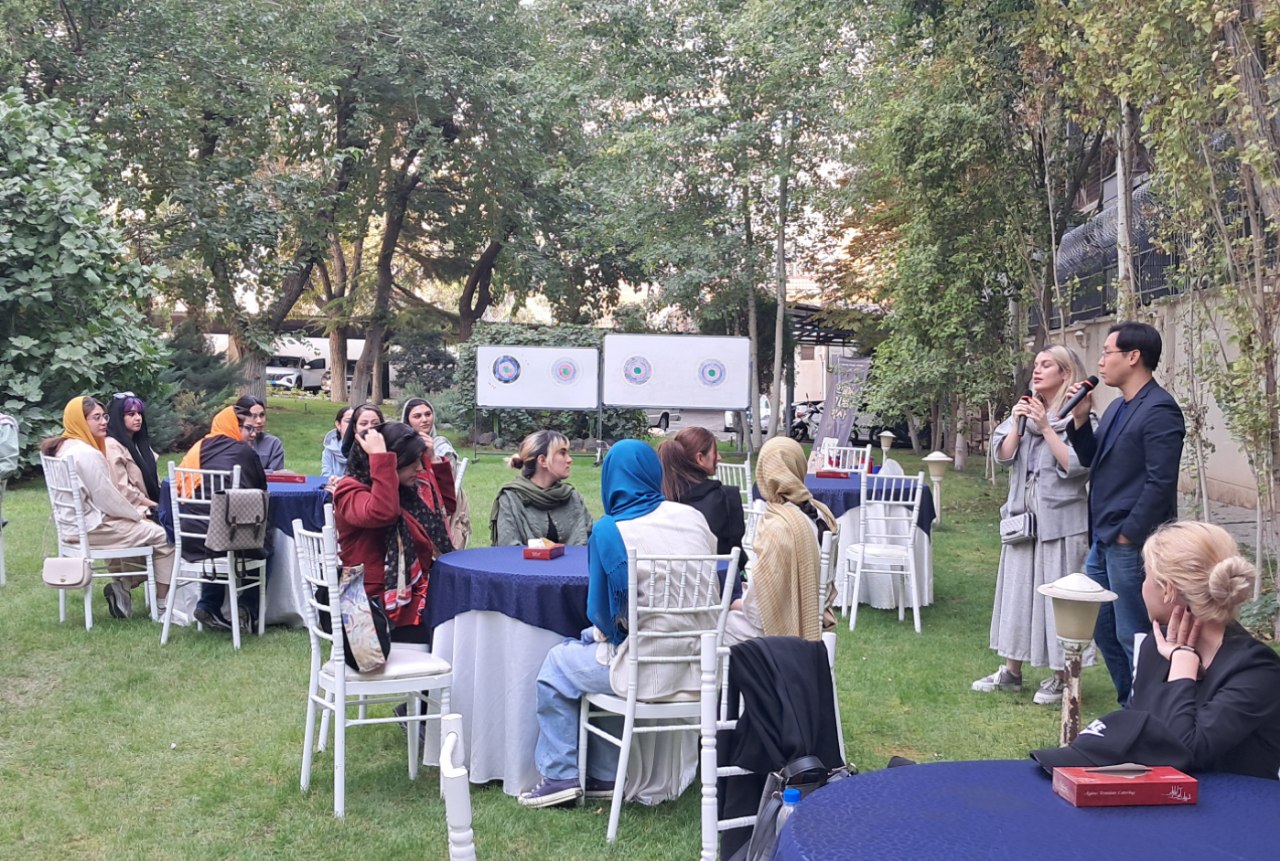
Speaking with Mr. Kim
One of the highlights of the day was the opportunity to interact with Mr. Kim, the principal of the Sejong Institute. His warm personality and insightful comments about the importance of Hangeul Day and the role of the Sejong Institute made the event even more meaningful. Talking with him and other students from various backgrounds gave me a greater appreciation for the institute's role in promoting Korean culture abroad. It was a privilege to have such an intimate and engaging conversation with someone who is so passionate about his work.
Coloring Bags with Hangeul Designs
The day concluded with a creative workshop where we colored bags decorated with Hangeul and an image of King Sejong. This activity allowed us to express our creativity while reflecting on the beauty and simplicity of Hangeul. It was a thoughtful way to end the day and carry home a physical reminder of the significance of Hangeul.
Awards Ceremony
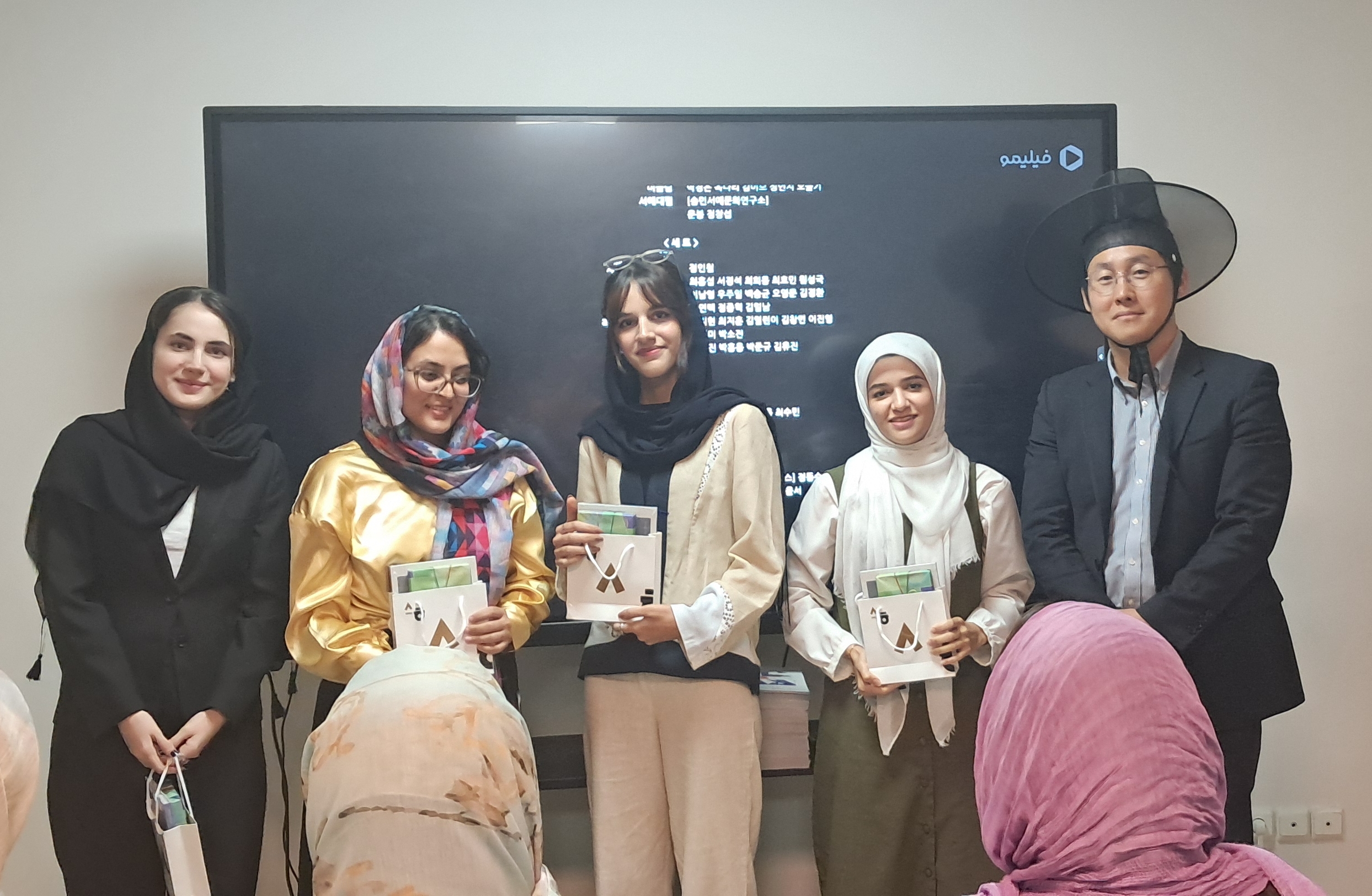
To cap off the celebration, Mr. Kim handed out presents from Korea to the top three winners of the earlier competitions. The thoughtful gesture was a lovely way to acknowledge the efforts of those who participated and made the day even more memorable.
A Celebration of Culture and Language
In conclusion, celebrating Hangeul Day at the Sejong Institute in Tehran was a truly enriching experience. It provided me with a deeper understanding of the historical and cultural significance of Hangeul while also offering a fun and engaging opportunity to interact with other students and teachers. The combination of learning, cultural exchange, and friendly competition made the celebration a memorable one. Through activities like the spicy noodle competition, archery, and creative workshops, I was able to experience firsthand the joy of Korean culture. Hangeul Day not only celebrates a language but also brings people together to share in the pride of Korea’s unique heritage.
How about this article?
- Like2
- Support1
- Amazing1
- Sad0
- Curious0
- Insightful0