Korea and Iran, two countries with distinct cultures and landscapes, each have chosen a national animal that reflects their unique natural heritage and symbolic significance. The Siberian tiger and the Persian leopard, despite their geographical and ecological differences, share several similarities in their roles as national symbols and conservation icons.
Symbolism and Cultural Significance:
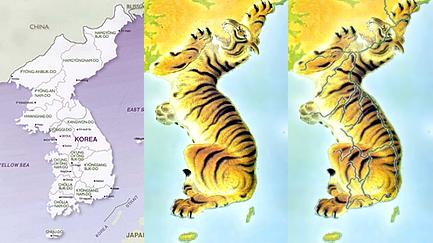
Both the Siberian tiger and the Persian leopard hold deep cultural and historical significance in their respective countries. In Korea, the Siberian tiger, known as "Horangi," has been revered for centuries as a symbol of courage, strength, and protection. Tigers are prominently featured in Korean folklore, art, and literature, embodying the spirit of resilience and national identity. The Korean peninsula was once home to a large population of majestic tigers. They freely roamed the mountains and were both feared and respected, as a dangerous wild animal but also as a guardian creature. Unfortunately, the Korean tigers are now extinct, but the tiger is still seen as the national animal of Korea. Even the shape of the peninsula can, with some imagination, resemble a tiger.
Similarly, in Iran, the Persian leopard, symbolizes agility, beauty, and resilience. It holds a prominent place in Iranian culture and history, appearing in ancient Persian art, literature, and mythology. The leopard is admired for its grace and adaptability to the rugged mountainous terrain of Iran, reflecting the country's natural diversity and heritage.
Korean Tiger in Art and Literature
The Korean tiger, specifically the Siberian tiger, holds a prominent place in Korean art and literature, reflecting its cultural significance and symbolic importance throughout history.
Artistic Representation:
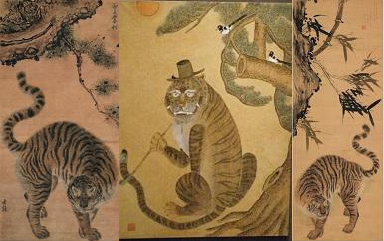
In Korean art, the tiger is often depicted with bold, powerful strokes, emphasizing its majestic stature and fierce presence. Traditional Korean paintings, known as "hwaum" or "hwasuhwa," frequently feature tigers as central motifs, symbolizing courage, strength, and protection. These paintings not only showcase artistic skill but also serve as cultural artifacts that celebrate the tiger’s role in Korean society.
Tiger imagery extends beyond paintings to various art forms, including sculpture, ceramics, and textiles. Tigers are carved into wooden furniture and architectural elements, illustrating their enduring influence on Korean craftsmanship and design. These artistic representations highlight the tiger’s mythical status as a guardian spirit and bring its dynamic presence into everyday life.
Literary Symbolism:
In Korean literature and folklore, tigers appear in numerous stories and legends, portraying them as powerful and intelligent beings. Tigers are often depicted as protectors of the Korean people, defending villages from malevolent forces and embodying virtues such as bravery and loyalty. One of the most famous tales is the "Tiger and Magpie Bridge," where a tiger seeks help from a magpie to cross a river and visit his dying mother. This story illustrates the tiger’s deep emotional bonds and its portrayal as a complex character capable of empathy and compassion.
Moreover, tigers feature in Korean shamanistic rituals and performances, symbolizing spiritual power and connection to the natural world. These cultural practices underscore the tiger’s role as a revered figure in Korean mythology and its ongoing relevance in contemporary society.
Persian Leopard in Art and Literature
The Persian leopard, also known as the Iranian cheetah, occupies a significant place in Iranian art and literature, reflecting its cultural symbolism and ecological importance in the region.
Artistic Representation:
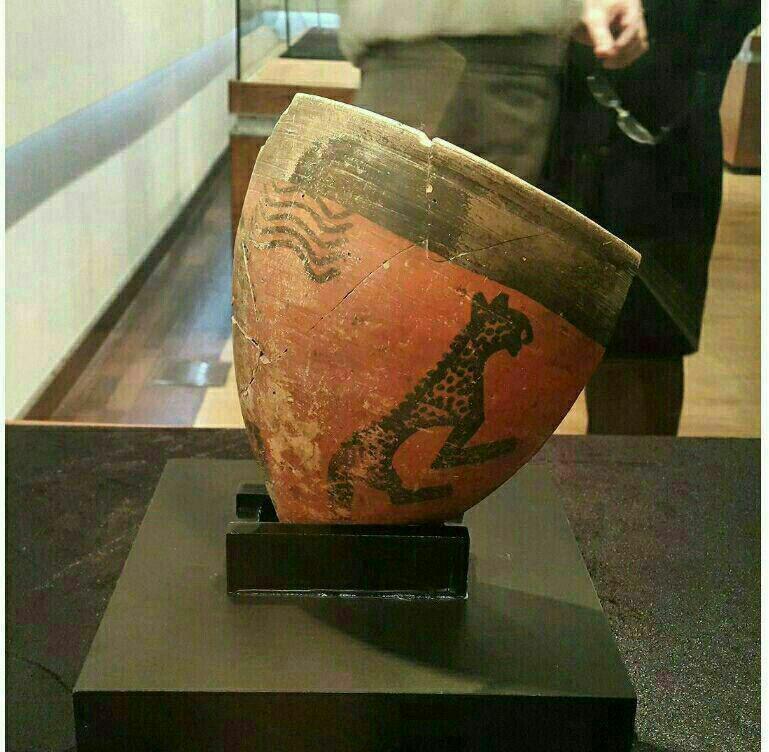
In Iranian art, the leopard appears in ancient manuscripts, miniature paintings, and tapestries, symbolizing speed, agility, and grace. Persian miniature paintings, renowned for their intricate detail and vibrant colors, often depict leopards hunting or resting in natural landscapes. These artworks not only showcase the leopard’s beauty but also highlight its role as a powerful symbol of Iran’s rich biodiversity.
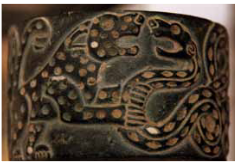
Leopard motifs also adorn Persian carpets, textiles, and decorative arts, demonstrating their enduring popularity in Iranian craftsmanship. These artistic expressions celebrate the leopard’s presence in Iranian culture and its significance as a national symbol.
Literary Symbolism:
In Persian literature and poetry, leopards are celebrated for their prowess and elegance. They are portrayed as noble creatures roaming the rugged mountains of Iran, embodying qualities such as courage, independence, and resilience. Persian poets often use leopard imagery to evoke themes of freedom and natural beauty, capturing the spirit of the Iranian landscape.
One notable example is the Persian epic poem "Shahnameh" (Book of Kings) by Ferdowsi, where leopards are depicted alongside other wildlife, symbolizing the untamed wilderness and the majesty of Iran’s natural environment. These literary references underscore the leopard’s cultural significance and its enduring presence in Persian storytelling.
Conclusion
Both the Korean tiger and the Persian leopard play pivotal roles in their respective cultures, inspiring artistic creativity, literary exploration, and spiritual symbolism. Through art and literature, these magnificent creatures not only capture the imagination but also reflect deeper cultural values and beliefs. Their representations in visual arts, folklore, and written narratives serve as enduring testaments to their cultural importance and the enduring fascination they hold for people across generations. As symbols of strength, beauty, and resilience, the Korean tiger and the Persian leopard continue to leave an indelible mark on the cultural landscapes of Korea and Iran, bridging the gap between nature and human expression.
Bibliography:
1)Lee, S. (2012). "Myths and Legends of the Korean Tiger." Korean Cultural Journal, 45(3), 23-34.
2)Kim, K., & Lee, J. (2015). "The Korean Tiger: Cultural Symbolism in Art and Literature."
3)Bahrami, F. (2010). "Leopards in Persian Miniature Painting." Iranian Art and Culture Review, 32(2), 56-72.
4)Schmitz, A. (2011). "Persian Art and Its Influences: From Antiquity to Modern Times."
How about this article?
- Like23
- Support9
- Amazing3
- Sad0
- Curious0
- Insightful5