The metropolis of Busan, after Seoul, is the second largest city in South Korea. This city, surrounded by mountains, sea, and various beaches, is one of the popular tourist destinations, especially in the summer, and due to this reason, Busan has earned the title of “Summer Capital of Korea.” The summer capital of Korea has various and numerous tourist attractions and therefore welcomes many domestic and foreign tourists every year. Gwangalli Beach and Haeundae Beach, Busan Tower, Busan Modern and Contemporary History Museum, and Yeongdo Bridge are a tiny part of this beautiful coastal city’s tourist attractions. Along with all these stunning sights, one of the most spectacular places you should not miss visiting when traveling to Busan is the Gamcheon Culture Village.
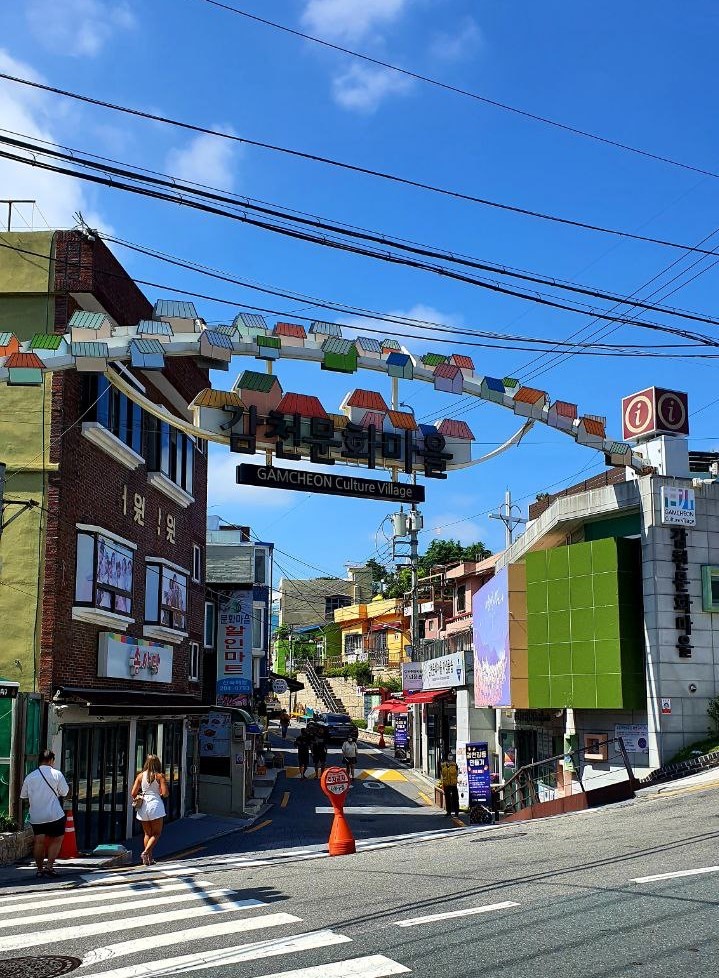
Gamcheon over the time
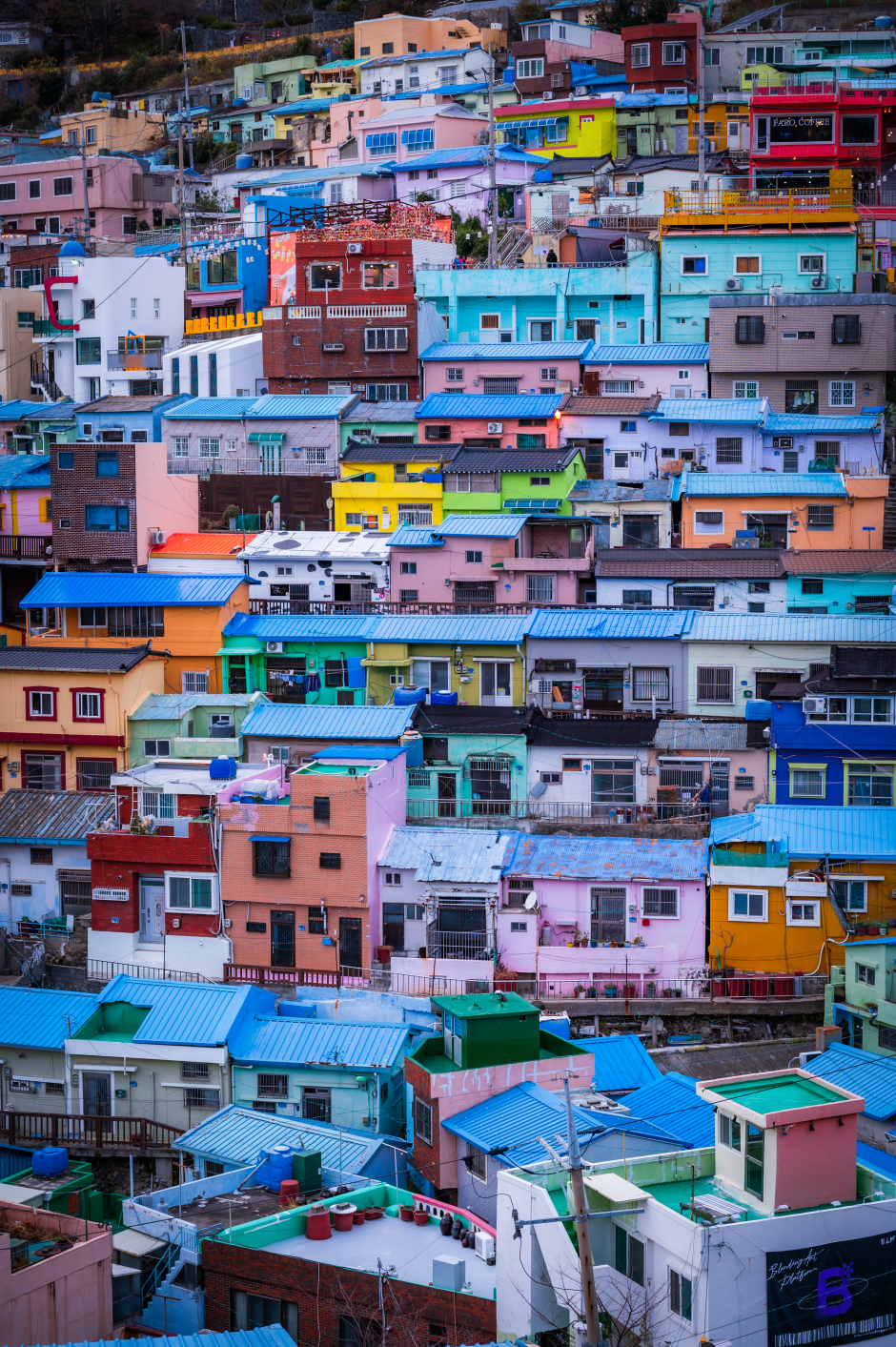
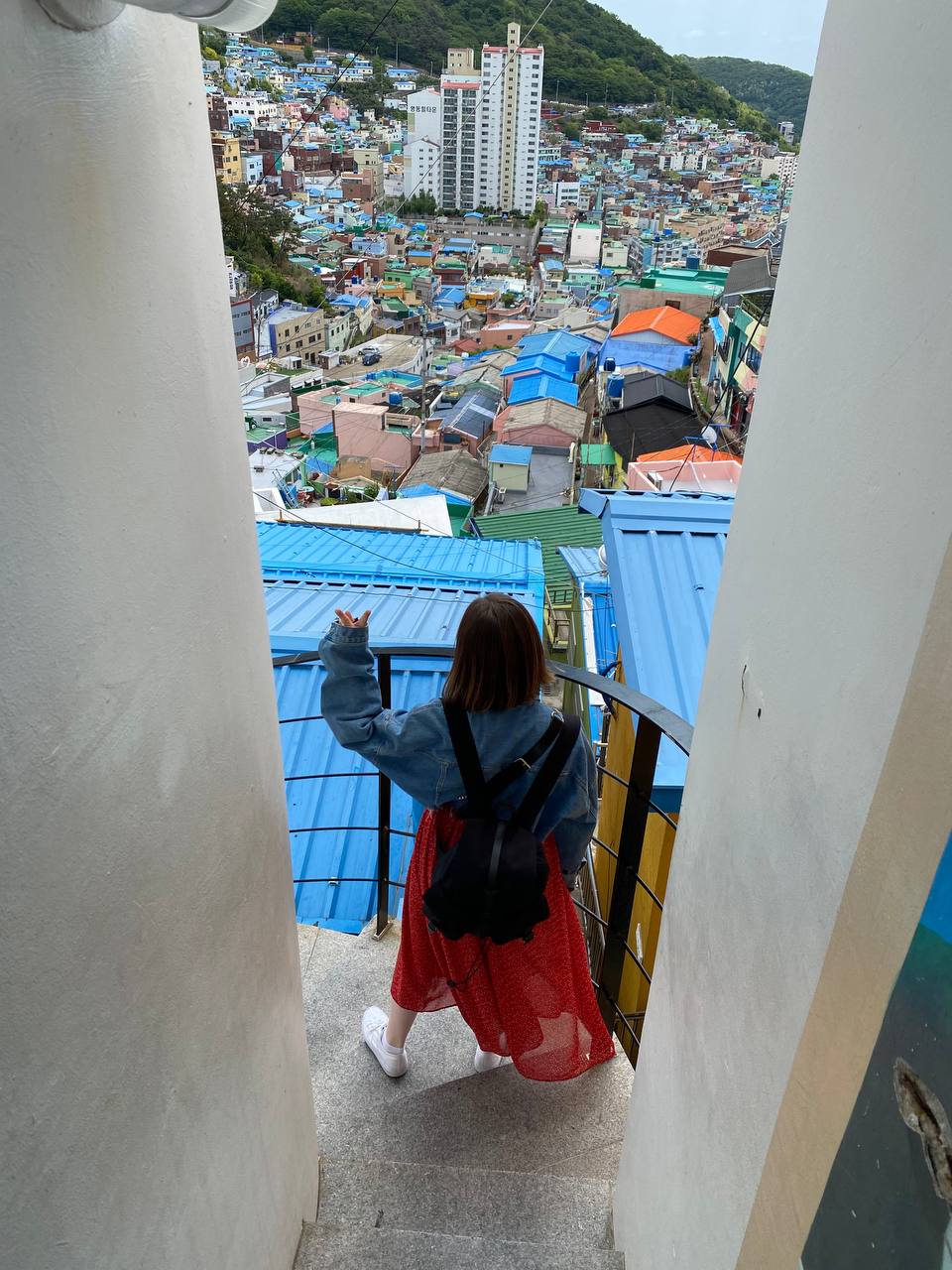
Gamcheon Culture Village, located in Saha District in the west of Busan, was established in the late 20th century to settle the deprived section of the society in a new area by order of the Busan City Administration. In 1950, with the start of the Korean War, many refugees sought refuge in this village, and since then, the population has been increasing daily in this area. The lack of space, population growth, and constant poverty in this area gave its new residents no chance to build separate and luxurious houses; As a result, contemptible wooden houses were built one after another on the roofs of previous homes. The construction, which combined with the steep slope of the valley on which the village was located, changed the overall shape of Gamcheon and created the labyrinth-like form of this village, a blessing in disguise that caused this shackle to earn the title of Busan’s Machu to Picchu and Korea’s Santorini. As the upward trend of population growth in this village increased, inadequate infrastructure and adverse economic conditions became more apparent. In this situation, Gamcheon, before being a haven for refugees and homeless people, was a damaged area in Busan, which in addition to its unpleasant appearance, was struggling with many problems and needed urgent attention.
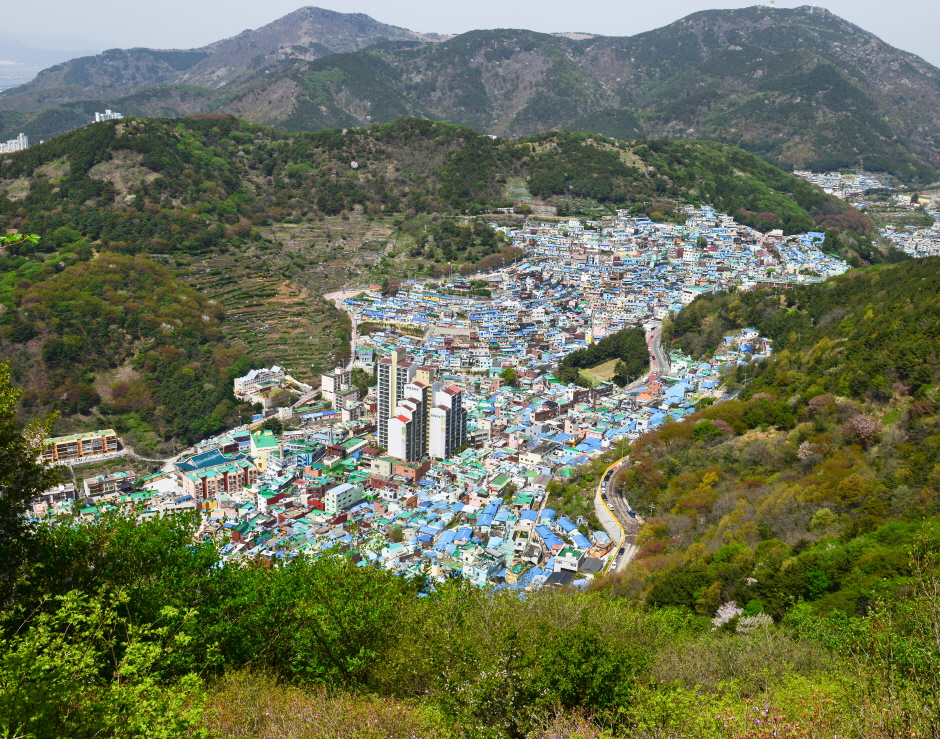
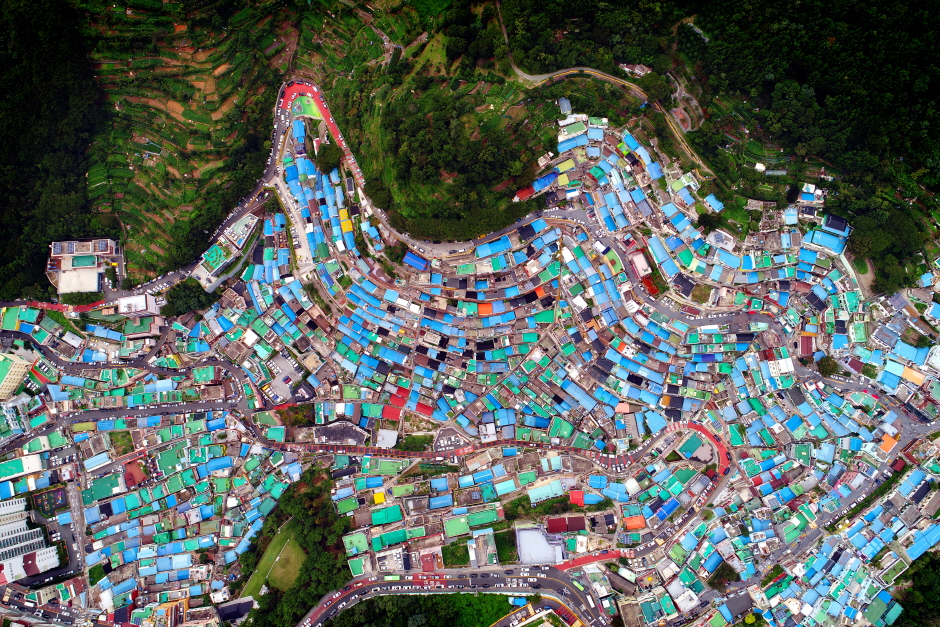
The transformation from a marginal village to the tourist center of Busan
After nine decades have passed since the formation of Gamcheon, 2010 became a turning point in the history and lifetime of this village. The Ministry of Culture, Sports and Tourism of South Korea asked the prominent artists, art students, and village residents to cooperate with this organization to repair, renovate, and transform Gamcheon into one of Busan’s tourist centers. This reconstruction project not only led to the creation of many jobs for the village’s residents and saved them from adverse economic conditions; Rather, it brought new life into this village.
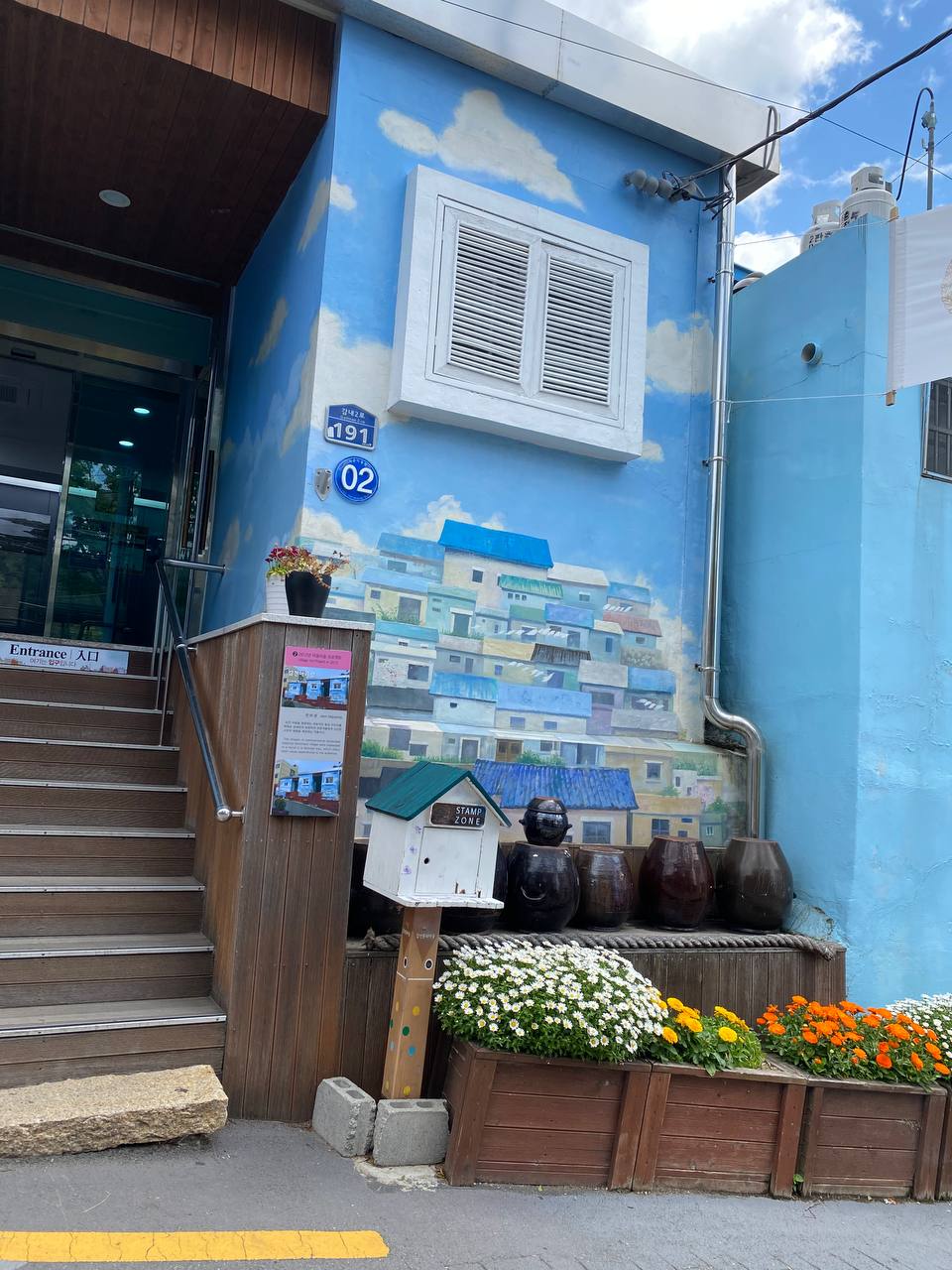
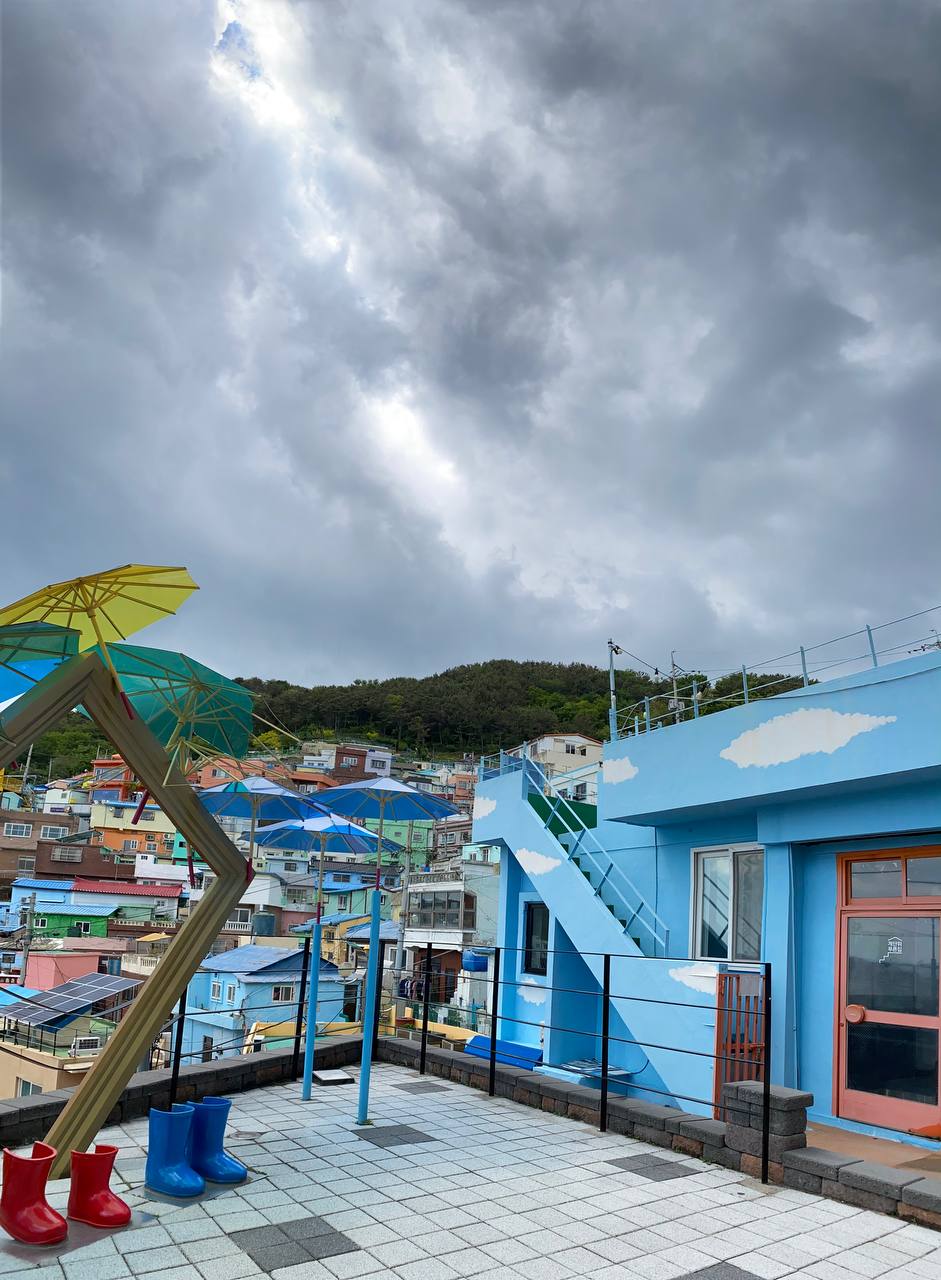
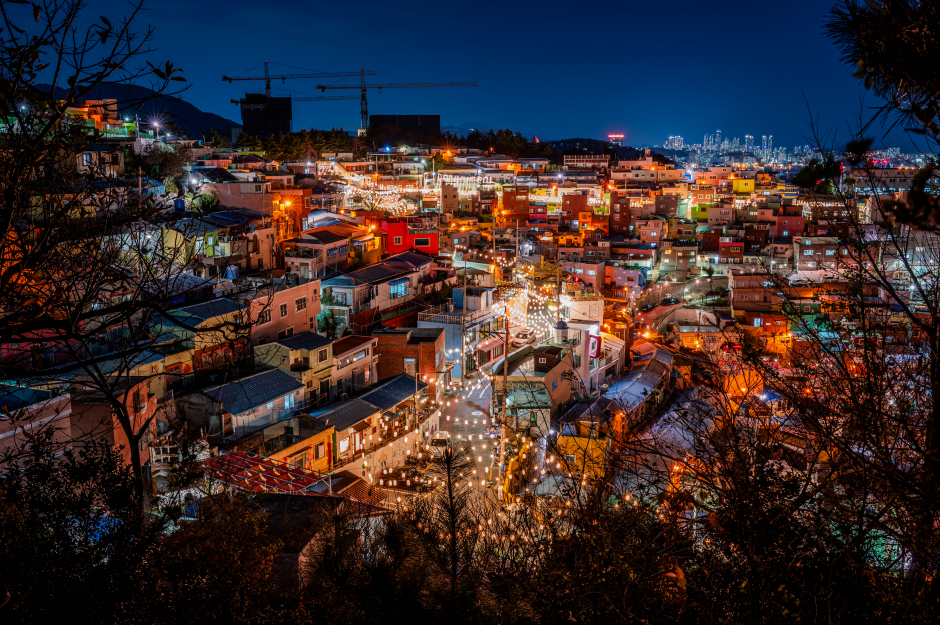
During several stages of reconstruction, the ruined and damaged houses of the village were replaced by houses with bright pastel colors, the cobblestone was replaced, and stunning images were painted on the walls as well. Also, souvenir shops, museums, art galleries, handicraft production workshops, cafes, and restaurants replaced the dilapidated houses their residents had left behind. Thanks to all these changes, today’s image of this beautiful and colorful village was formed. Finally, following the peerless cooperation of the village residents with Busan city administration, Gamcheon culture village received the title of “model of urban renewal.”
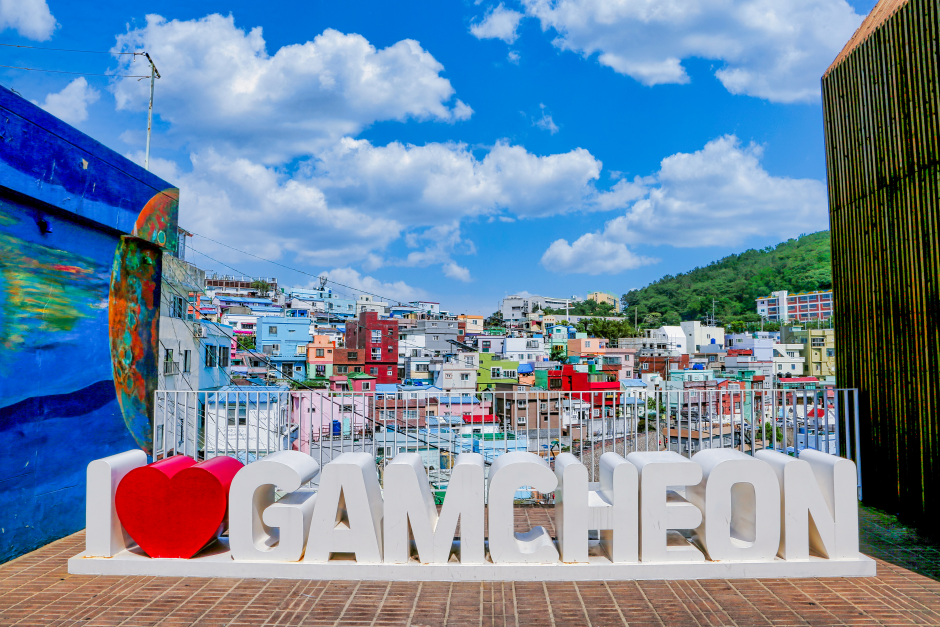

Tourist Guide to Gamcheon Culture Village
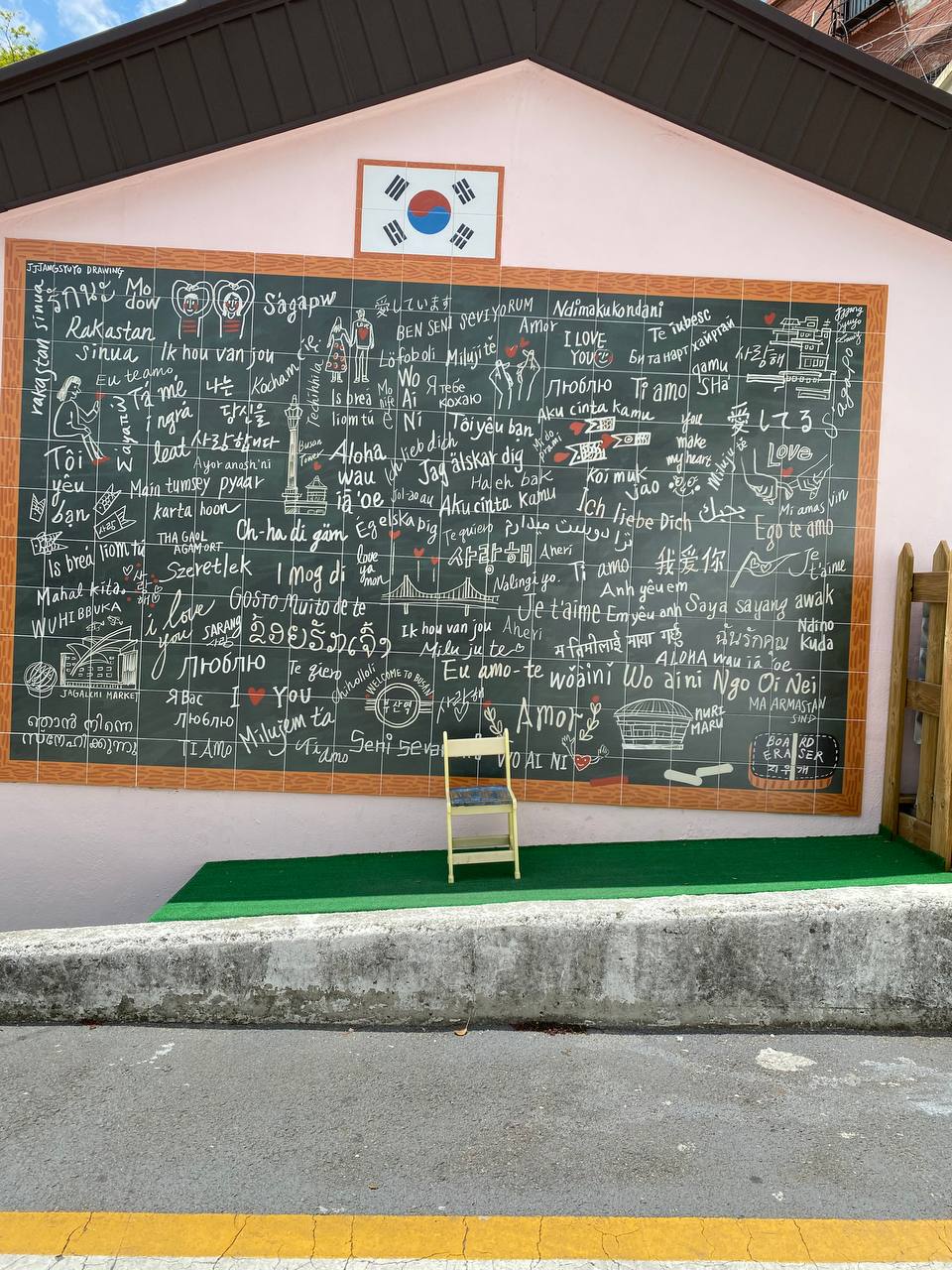
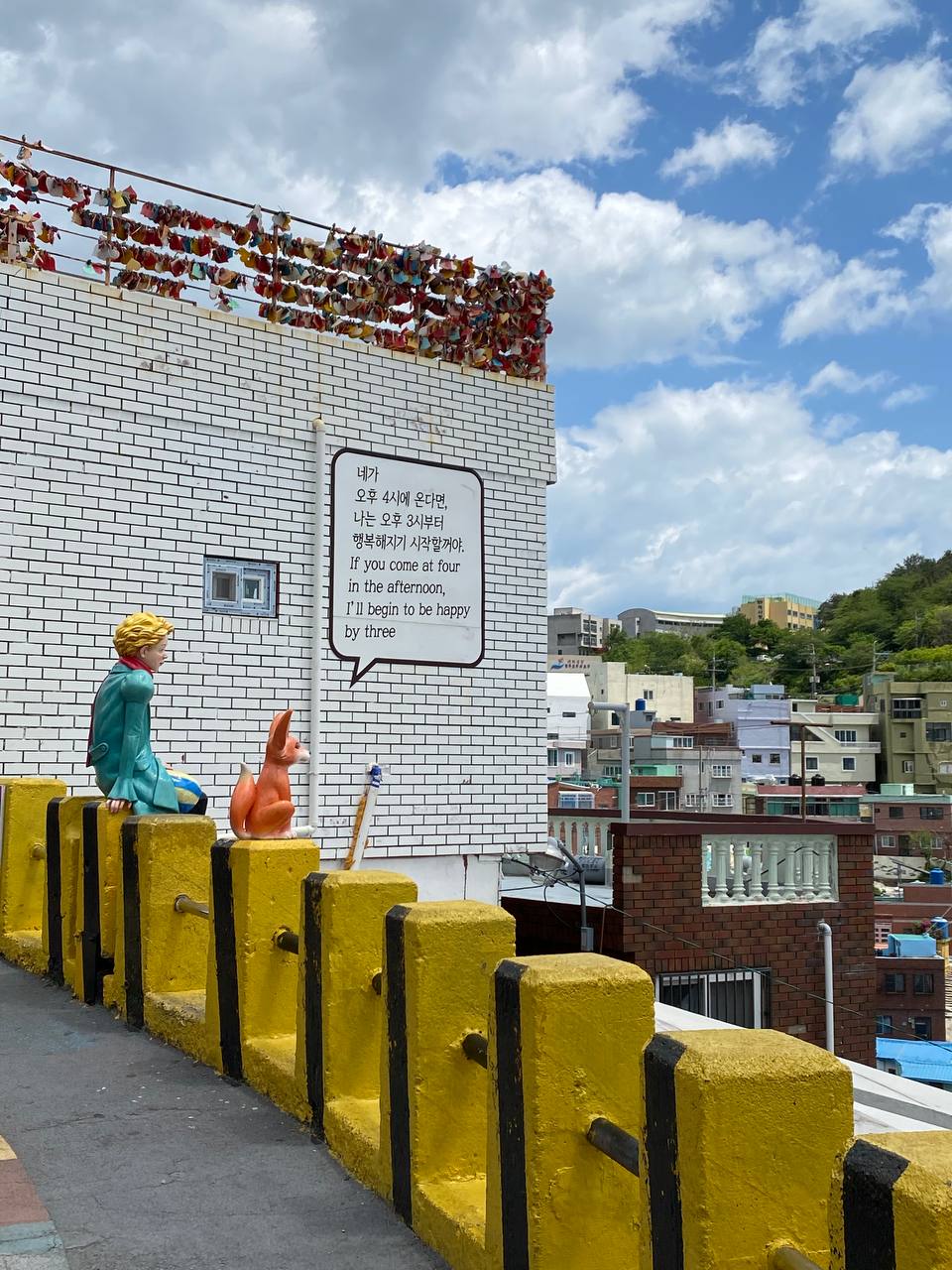
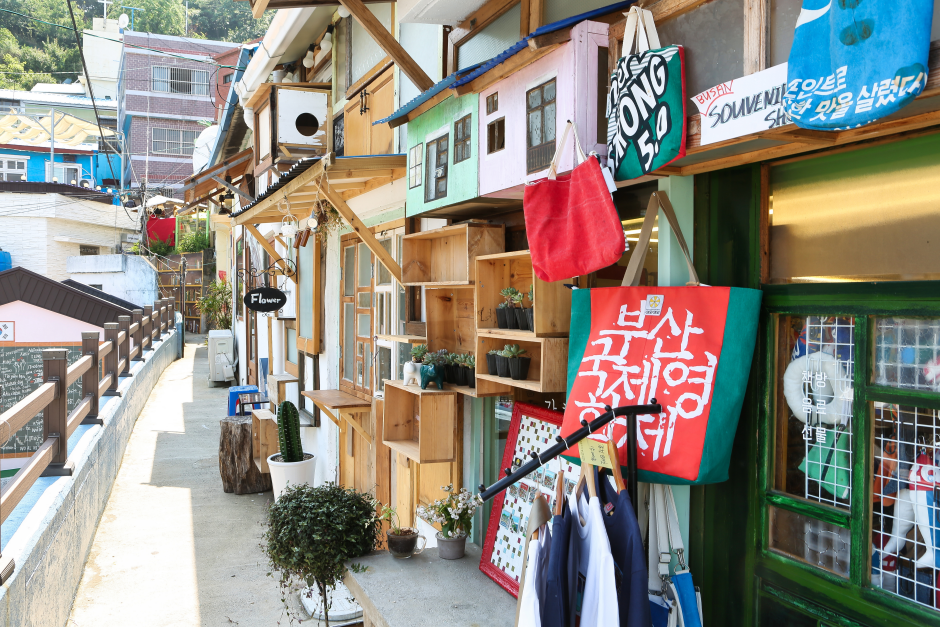
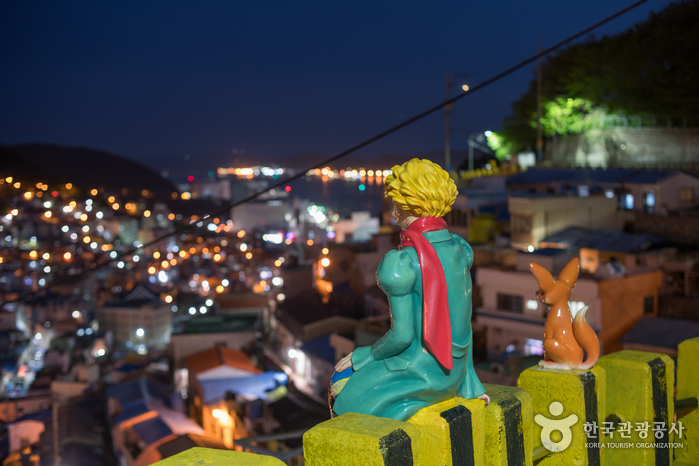
If you ever visit this colorful and beautiful village, we suggest you first see the “Tourist Information” building at the village entrance and get the village map from there. In the village, there are many shops you can rent traditional Korean clothing (Hanbok) to wear on your adventure through the village. If you are also a fan of handicrafts and arts, you can also visit the galleries and shops which sell local artists’ artworks, and according to your budget, you can buy artistic souvenirs from them. In addition, some goodies that each bear a sign of Gamcheon village, like phone cases and pixels, can also be good choices to make your trip more memorable. Along the way, there are also different cafes, restaurants, and bakeries where you can try Korean street food and new and delicious treats while enjoying your adventure. By the way, don’t forget your camera! On your way to visit the colorful Gamcheon, wherever you turn, you will come across many eye-catching colors and murals that cannot be just passed by. In addition to the stunning images, various photo zones provide statues and unique decorations that are great places to take keepsake photos. One of the most famous photo zones in Gamcheon is the “Little Prince and the Fox” statue, with which you have to wait in long lines to take a photo.
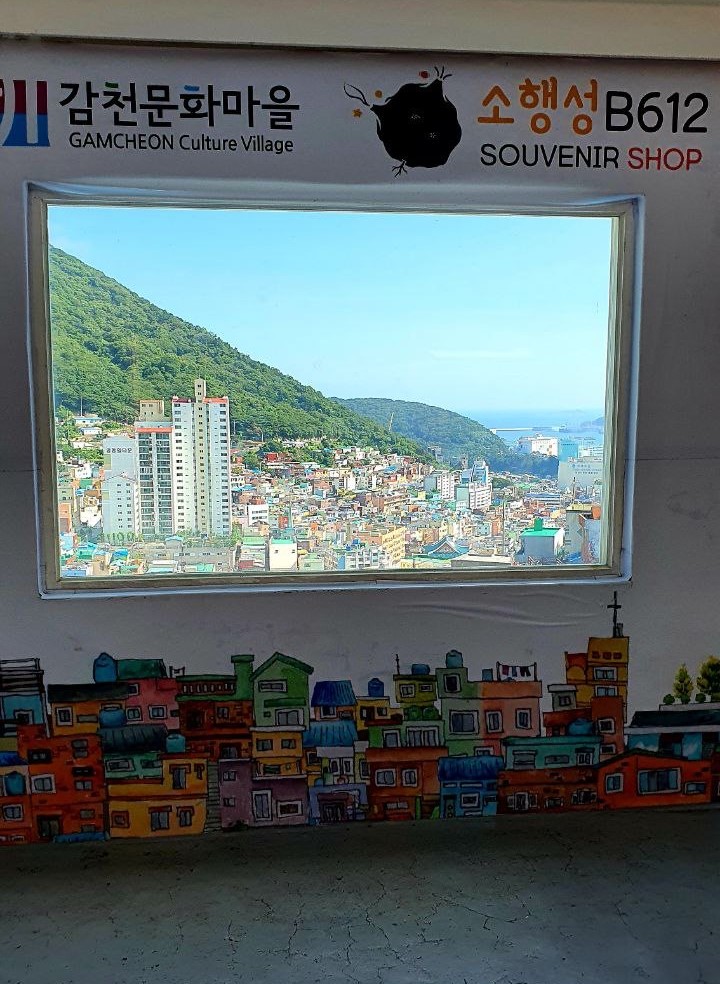
At the end of your adventure in this beautiful village, visit the famous observatory called “Sky Floor.” In this observatory, you can watch the full view of the village, and if you are lucky enough and the weather is clear and sunny on the day of your visit, you can see the Busan port as well, which is worth having a peek. In the end, it is necessary to regard that Gamcheon culture village is still residential; Therefore, make sure to be careful not to disturb the daily life of its residents while enjoying the beauty of this village during your visit.
We wish you a memorable trip to this colorful village!
PS. Dear Persian readers can read this essay in the spring and summer volume of the ‘Korean Wave’ magazine produced by the cultural section of South Korea’s Embassy in Iran at the link below:
https://overseas.mofa.go.kr/ir-en/brd/m_11371/view.do?seq=759724&page=1
Also, dear English readers are able to access different articles about South Korea, which are provided in English by the ‘Korean Wave’ team from now on. Check out the first English volume at the link below:
https://overseas.mofa.go.kr/ir-en/brd/m_11371/view.do?seq=759723&page=1
How about this article?
- Like11
- Support2
- Amazing3
- Sad0
- Curious2
- Insightful2