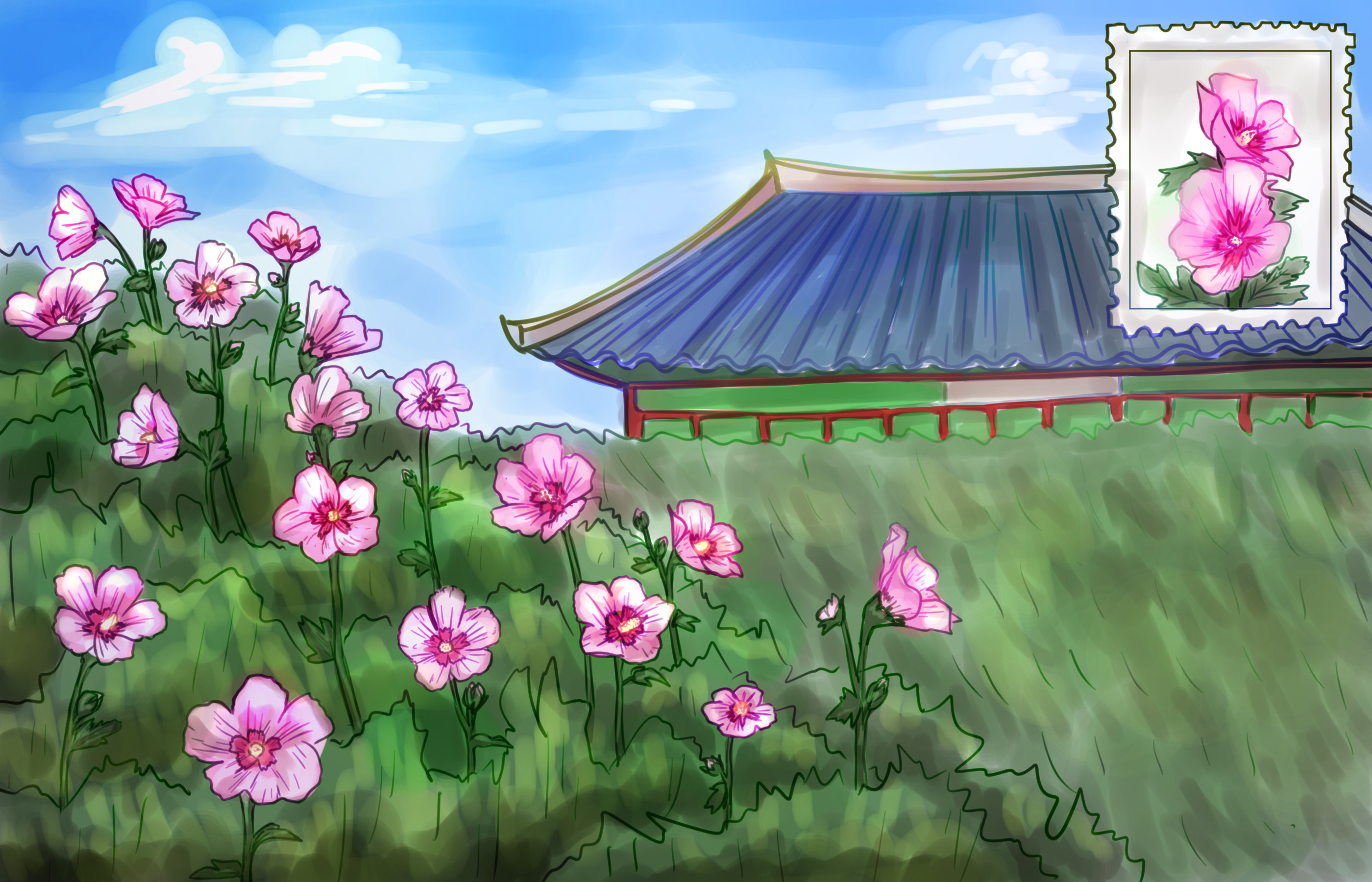
Illustration of Korea's Hibiscus Ⓒ EDDOUD Naila Ouarda
Mugunghwa (Hangul: 무궁화), or Hibiscus syriacus, holds a cherished place in the daily lives of Koreans, serving as a symbol of beauty, joy, and cultural significance. This delicate and colorful flower found in various celebrations, such as weddings, birthdays, and traditional festivals, where it adds an elegant and harmonious touch to these memorable occasions.
Beyond its role in festivities, the Hibiscus syriacus is deeply ingrained in Korean aesthetics, permeating various aspects of the culture. Its patterns adorn traditional Korean garments known as hanboks, as well as accessories like fans and scarves. Korean art pays homage to this flower through paintings, ceramics, and sculptures, harnessing the inspiration derived from its delicate petals and vivid colors. Consequently, it has become a popular motif in diverse art forms, inspiring artistic creativity, and expression.
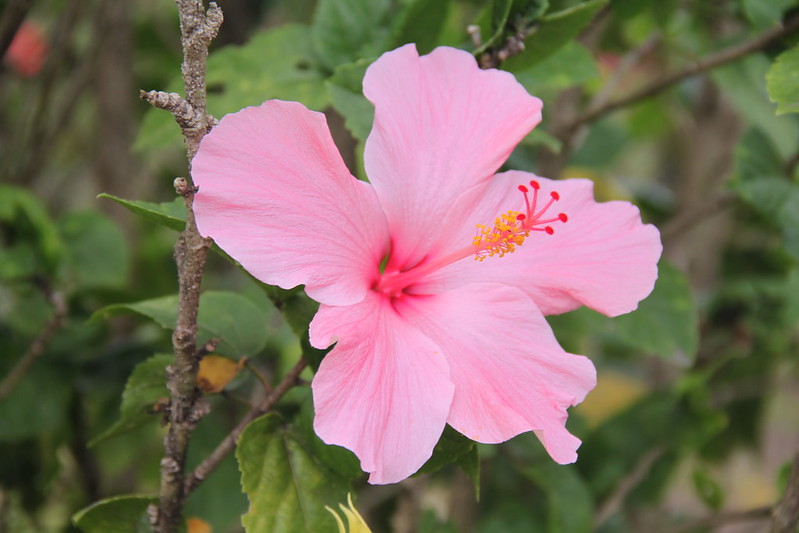
Photo of an Hibiscus Ⓒ Flickr
The presence of the Mugunghwa extends beyond the realm of nature and finds its way into Korean households and everyday life. It appears in the form of derivative products such as cups, plates, and jewelry, cherished by Koreans as symbolic souvenirs or gifts. Moreover, this enchanting flower graces gardens and green spaces, creating an artistic and tranquil environment. Recognizing its importance, Korean institutions and businesses showcase its motifs in their logos as a declaration of national pride and cultural identity. Furthermore, it holds significant eminence in the world of philately, frequently appearing on Korean stamps that are treasured by collectors and serve to promote the appreciation of Korea's national flora worldwide.
During festivals and cultural events in Korea, the Hibiscus syriacus takes center stage, offering a profound glimpse into its symbolic significance and captivating the hearts of tourists and visitors. As its mesmerizing beauty unfolds, it leaves a lasting impression on all who witness its splendor. But its influence extends beyond aesthetics, in Korean cuisine, this exquisite flower finds its place, with its leaves and flowers lending their refreshing essence to beverages, delightful jams, and soothing infusions. This culinary integration represents an integral part of daily Korean life, while in traditional medicine, the flower's therapeutic properties are harnessed in various herbal remedies, further showcasing its versatility and beneficial qualities.
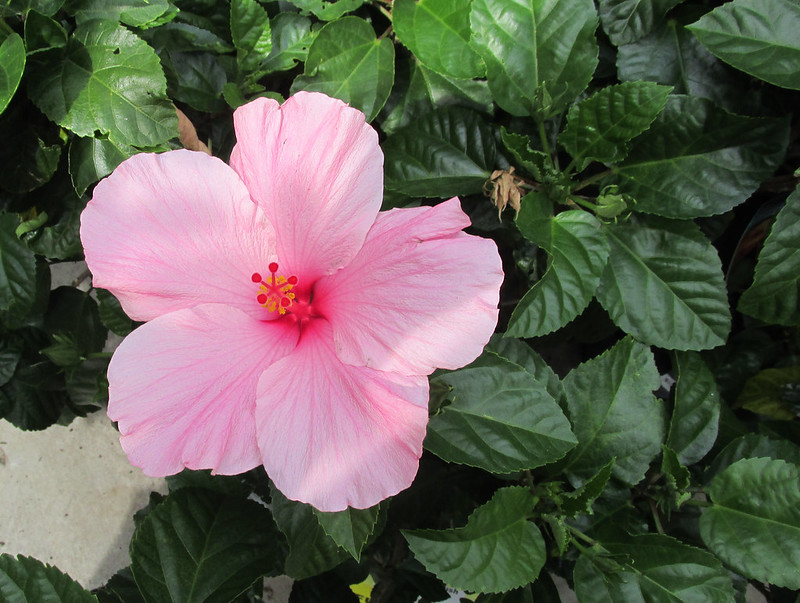
Photo of an Hibiscus Ⓒ Flickr
In conclusion, the Mugunghwa, or Hibiscus syriacus, is far more than a simple flower. It embodies a living symbol of South Korea's cultural identity, deeply integrated into the lives of Koreans. With its presence spanning art, fashion, cuisine, traditional medicine, and even postage stamps, this flower exemplifies the harmonious fusion of nature and culture in South Korea. It symbolizes the profound love and respect that Koreans hold for their heritage, making it an authentic and cherished symbol.
How about this article?
- Like4
- Support0
- Amazing0
- Sad0
- Curious2
- Insightful0